Lista de correo. Espere su aprobación.
Correo electrónico:
Consultar este grupo
Mostrando las entradas con la etiqueta Artículo. Mostrar todas las entradas

lunes, 8 de diciembre de 2014

Plant-made #vaccine antigens against #malaria

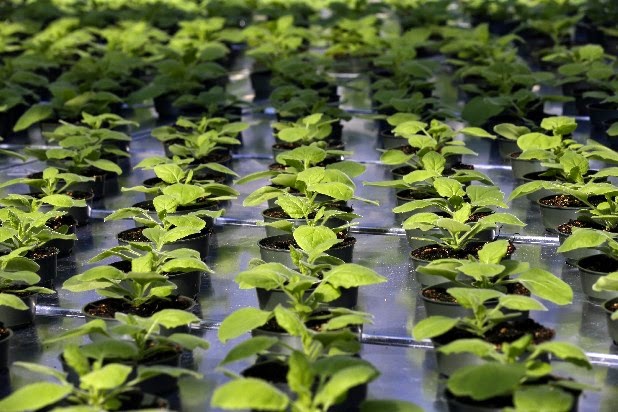
This paper is an overview of vaccine antigens against malaria produced in plants. Plant-based expression systems represent an interesting production platform due to their reduced manufacturing costs and high scalability. At present, different Plasmodium antigens and expression strategies have been optimized in plants. Furthermore, malaria antigens are one of the few examples of eukaryotic proteins with vaccine value expressed in plants, making plant-derived malaria antigens an interesting model to analyze. Up to now, malaria antigen expression in plants has allowed the complete synthesis of these vaccine antigens, which have been able to induce an active immune response in mice. Therefore, plant production platforms offer wonderful prospects for improving the access to malaria vaccines.

REFERENCE:
Clemente M, Corigliano MG. Overview of plant-made vaccine antigens against malaria. J Biomed Biotechnol. 2012;2012:206918.
-------------------------------------------------
Sigue este Blog en Facebook y Twitter

lunes, 24 de noviembre de 2014

Algae-based oral recombinant vaccines

Recombinant subunit vaccines are some of the safest and most effective vaccines available, but their high cost and the requirement of advanced medical infrastructure for administration make them impractical for many developing world diseases. Plant-based vaccines have shifted that paradigm by paving the way for recombinant vaccine production at agricultural scale using an edible host. However, enthusiasm for “molecular pharming” in food crops has waned in the last decade due to difficulty in developing transgenic crop plants and concerns of contaminating the food supply. Microalgae could be poised to become the next candidate in recombinant subunit vaccine production, as they present several advantages over terrestrial crop plant-based platforms including scalable and contained growth, rapid transformation, easily obtained stable cell lines, and consistent transgene expression levels. Algae have been shown to accumulate and properly fold several vaccine antigens, and efforts are underway to create recombinant algal fusion proteins that can enhance antigenicity for effective orally delivered vaccines. These approaches have the potential to revolutionize the way subunit vaccines are made and delivered – from costly parenteral administration of purified protein, to an inexpensive oral algae tablet with effective mucosal and systemic immune reactivity.

REFERENCE:
Specht EA and Mayfield SP. Algae-based oral recombinant vaccines. Front Microbiol. 2014; 5: 60.
-----------------------------------------------------------
Sigue este Blog en Facebook y Twitter

lunes, 27 de octubre de 2014

Biologically hazardous agents at work and efforts to protect workers' health: a review of recent reports

Because information on biological agents in the workplace is lacking, biological hazard analyses at the workplace to securely recognize the harmful factors with biological basis are desperately needed. This review concentrates on literatures published after 2010 that attempted to detect biological hazards to humans, especially workers, and the efforts to protect them against these factors. It is important to improve the current understanding of the health hazards caused by biological factors at the workplace. In addition, this review briefly describes these factors and provides some examples of their adverse health effects. It also reviews risk assessments, protection with personal protective equipment, prevention with training of workers, regulations, as well as vaccinations.

REFERENCE:
Rim KT, Lim CH. Biologically hazardous agents at work and efforts to protect workers' health: a review of recent reports. Saf Health Work. Jun 2014; 5(2): 43–52.
----------------------------------------------------------- 
Sigue este Blog en Facebook y Twitter

jueves, 16 de octubre de 2014

Mobile phones carry the personal microbiome of their owners

Most people on the planet own mobile phones, and these devices are increasingly being utilized to gather data relevant to our personal health, behavior, and environment. During an educational workshop, we investigated the utility of mobile phones to gather data about the personal microbiome — the collection of microorganisms associated with the personal effects of an individual. We characterized microbial communities on smartphone touchscreens to determine whether there was significant overlap with the skin microbiome sampled directly from their owners. We found that about 22% of the bacterial taxa on participants’ fingers were also present on their own phones, as compared to 17% they shared on average with other people’s phones. When considered as a group, bacterial communities on men’s phones were significantly different from those on their fingers, while women’s were not. Yet when considered on an individual level, men and women both shared significantly more of their bacterial communities with their own phones than with anyone else’s. In fact, 82% of the OTUs were shared between a person’s index and phone when considering the dominant taxa (OTUs with more than 0.1% of the sequences in an individual’s dataset). Our results suggest that mobile phones hold untapped potential as personal microbiome sensors.

REFERENCE
Meadow JF, et al. Mobile phones carry the personal microbiome of their owners. PeerJ. 2014; 2: e447.
-----------------------------------------------------------
Sigue este Blog en Facebook y Twitter

martes, 14 de octubre de 2014

Back to basics: hand hygiene and isolation

Purpose of review. Hand hygiene and isolation are basic, but very effective, means of preventing the spread of pathogens in healthcare. Although the principle may be straightforward, this review highlights some of the controversies regarding the implementation and efficacy of these interventions.
Recent findings. Hand hygiene compliance is an accepted measure of quality and safety in many countries. The evidence for the efficacy of hand hygiene in directly reducing rates of hospital-acquired infections has strengthened in recent years, particularly in terms of reduced rates of staphylococcal sepsis. Defining the key components of effective implementation strategies and the ideal method(s) of assessing hand hygiene compliance are dependent on a range of factors associated with the healthcare system. Although patient isolation continues to be an important strategy, particularly in outbreaks, it also has some limitations and can be associated with negative effects. Recent detailed molecular epidemiology studies of key healthcare-acquired pathogens have questioned the true efficacy of isolation, alone as an effective method for the routine prevention of disease transmission.
Summary. Hand hygiene and isolation are key components of basic infection control. Recent insights into the benefits, limitations and even adverse effects of these interventions are important for their optimal implementation.
Keywords: alcohol-based hand rub, hand hygiene, hospital acquired infections, isolation, WHO
REFERENCE:
G. Khai Lin Huang, et al.  Back to basics: hand hygiene and isolation. Curr Opin Infect Dis. Aug 2014; 27(4): 379–389.
-----------------------------------------------------------
Sigue este Blog en Facebook y Twitter

jueves, 9 de octubre de 2014

Practicability of Hygienic Wrapping of Touchscreen Operated Mobile Devices in a Clinical Setting


Background. To prove effectiveness of wrapping tablet computers in order to reduce microbiological contamination and to evaluate whether a plastic bag-covered tablet leads to impaired user satisfaction or touchscreen functionality.
Materials and Methods. Within a period of 11 days 115 patients were provided with a tablet computer while waiting for their magnetic resonance imaging examination. Every day the contamination of the surface of the tablet was determined before the first and after the final use. Before the device was handed over to a patient, it was enclosed in a customized single-use plastic bag, which was analyzed for bacterial contamination after each use. A questionnaire was applied to determine whether the plastic bag impairs the user satisfaction and the functionality of the touchscreen.
Results. Following the use by patients the outside of the plastic bags was found to be contaminated with various bacteria (657.5 ± 368.5 colony forming units/day); some of them were potentially pathogenic. In contrast, the plastic bag covered surface of the tablet was significantly less contaminated (1.7 ± 1.9 colony forming units/day). Likewise, unused plastic bags did not show any contamination. 11% of the patients reported problems with the functionality of the touchscreen. These patients admitted that they had never used a tablet or a smartphone before.
Conclusions. Tablets get severely contaminated during usage in a clinical setting. Wrapping with a customized single-use plastic bag significantly reduces microbiological contamination of the device, protects patients from the acquisition of potentially pathogenic bacteria and hardly impairs the user satisfaction and the functionality of the touchscreen.

REFERENCE;
Hammon M, et al. (2014) Practicability of Hygienic Wrapping of Touchscreen Operated Mobile Devices in a Clinical Setting. PLoS ONE 9(9): e106445. doi:10.1371/journal.pone.0106445
-----------------------------------------------------------
Sigue este Blog en Facebook y Twitter

lunes, 6 de octubre de 2014

Review on #Ebola vaccines

Introduction. Ebolaviruses cause severe viral hemorrhagic fever in humans and non-human primates, with case fatality rates of up to 90%. Currently, neither a specific treatment nor a vaccine licensed for use in humans is available. However, a number of vaccine candidates have been developed in the last decade that are highly protective in non-human primates, the gold standard animal model for Ebola hemorrhagic fever.
Areas covered. This review analyzes a number of scenarios for the use of ebolavirus vaccines, discusses the requirements for ebolavirus vaccines in these scenarios, and describes current ebolavirus vaccines. Among these vaccines are recombinant Adenoviruses, recombinant Vesicular Stomatitis viruses, recombinant Human Parainfluenza viruses and virus-like particles. Interestingly, one of these vaccine platforms, based on recombinant Vesicular Stomatitis viruses, has also demonstrated post-exposure protection in non-human primates.
Expert opinion. The most pressing remaining challenge is now to move these vaccine candidates forward into human trials and towards licensure. In order to achieve this, it will be necessary to establish the mechanisms and correlates of protection for these vaccines, and to continue to demonstrate their safety, particularly in potentially immunocompromised populations. However, already now there is sufficient evidence that, from a scientific perspective, a vaccine protective against ebolaviruses is possible.

REFERENCE;
Hoenen T, Groseth A & Feldmann H. Current Ebola vaccines. Expert Opin Biol Ther 2012; 12(7): 859–872.
--------------------------------------------------
Sigue este Blog en Facebook y Twitter

jueves, 2 de octubre de 2014

People, planet and profits: the case for greening operating rooms

Green Healthcare
Over the past 40 years, the health care industry has undergone radical changes in the types of products it uses and its waste disposal practices. In the 1980s, concerns about the spread of blood-borne diseases prompted a shift from reusable to single-use devices, resulting in increases in waste production.
The most recent environmental data on health care in Canada show that in 2008 the sector generated about 1.46% of Canada’s total greenhouse gas emissions and in 2001 was a source of 1% of total solid waste. Canadian hospital activities were the second most energy-intensive activity in the commercial and institutional sector in 2008, consuming the equivalent annual energy of 440 000 Canadian homes. In 2007, US health care facilities contributed 8% of total greenhouse gas emissions, disposed of more than 4 billion pounds (1 lb = 0.45 kg) of waste and were the second-largest contributor to landfills after the food industry.
Few Canadian hospitals have published their ecological footprints (a calculation of the bioproductive land and water required to sustain a population). However, in 2001, Lions Gate Hospital in Vancouver, British Columbia, reported a footprint of 2841 hectares (ha) or 719 times its actual area. In 2006, London Health Sciences Centre in London, Ontario, reported a footprint of 63 074 global hectares or about 384 times its actual area.
It is ironic that our efforts in hospitals to improve the health of patients contribute detrimentally to the health of the ecosystem. In 2009, the World Health Organization emphasized that hospitals have responsibilities in making health care more sustainable.
REFERENCE:
Kagoma Y, et al. People, planet and profits: the case for greening operating rooms. CMAJ. Nov 20, 2012; 184(17): 1905–1911.
-----------------------------------------------------------
Sigue este Blog en Facebook y Twitter

lunes, 29 de septiembre de 2014

Efficacy of a Educational Tool to Improve Handrubbing Technique in Healthcare Workers

Introduction. Hand hygiene is a key component of infection control in healthcare. WHO recommends that healthcare workers perform six specific poses during each hand hygiene action. SureWash (Glanta Ltd, Dublin, Ireland) is a novel device that uses video-measurement technology and immediate feedback to teach this technique. We assessed the impact of self-directed SureWash use on healthcare worker hand hygiene technique and evaluated the device's diagnostic capacity.
Methods. A controlled before-after study: subjects in Group A were exposed to the SureWash for four weeks followed by Group B for 12 weeks. Each subject's hand hygiene technique was assessed by blinded observers at baseline (T0) and following intervention periods (T1 and T2). Primary outcome was performance of a complete hand hygiene action, requiring all six poses during an action lasting ≥20 seconds. The number of poses per hand hygiene action (maximum 6) was assessed in a post-hoc analysis. SureWash's diagnostic capacity compared to human observers was assessed using ROC curve analysis.
Results. Thirty-four and 29 healthcare workers were recruited to groups A and B, respectively. No participants performed a complete action at baseline. At T1, one Group A participant and no Group B participants performed a complete action. At baseline, the median number of poses performed per action was 2.0 and 1.0 in Groups A and B, respectively (p = 0.12). At T1, the number of poses per action was greater in Group A (post-intervention) than Group B (control): median 3.8 and 2.0, respectively (p<0.001). In Group A, the number of poses performed twelve weeks post-intervention (median 3.0) remained higher than baseline (p<0.001). The area under the ROC curves for the 6 poses ranged from 0.59 to 0.88.
Discussion. While no impact on complete actions was demonstrated, SureWash significantly increased the number of poses per hand hygiene action and demonstrated good diagnostic capacity.

REFERENCE:
Stewardson AJ, et al. Efficacy of a New Educational Tool to Improve Handrubbing Technique amongst Healthcare Workers. PLoS One. 2014; 9(9): e105866.

-----------------------------------------------------------
Sigue este Blog en Facebook y Twitter

jueves, 25 de septiembre de 2014

Addressing climate change in healthcare settings

Publication details
Number of pages: 28
Publication date: 2009
Languages: English
Global climate change is no longer an ominous future threat but a dawning reality – one that is already creating disturbing shifts in the natural and human environment and eroding the delicate balance of our planet’s ecosystem and the species that depend on it.
This discussion draft is based on the World Health Organization’s (WHO) mandate from member states to develop “programmes for health systems that will contribute to reducing their own greenhouse gas emissions”. It also takes root in Health Care Without Harm’s (HCWH) more than 12 years of experience of working globally to transform the health sector so that it is no longer a source of harm to human health and the environment.
The paper begins to define a framework for analysing and addressing the health sector’s climate footprint – including identifying seven aspects of a climate-friendly hospital. It also draws on a series of examples from around the world that demonstrate that the health sector is indeed already beginning to provide leadership in this most important area of concern to the global community. This paper is the first step in a WHO project in collaboration with Health Care Without Harm (HCWH) aimed at addressing the climate footprint of the health sector.
REFERENCE:
World Health Organization and Health Care Without Harm. Healthy hospitals, healthy planet, healthy people: Addressing climate change in healthcare settings, 2009.
------------------------------------------------
Sigue este Blog en Facebook y Twitter

martes, 23 de septiembre de 2014

Future Projections for #ebola outbreak

BACKGROUND. On March 23, 2014, the World Health Organization (WHO) was notified of an outbreak of Ebola virus disease (EVD) in Guinea. On August 8, the WHO declared the epidemic to be a “public health emergency of international concern.”
METHODS. By September 14, 2014, a total of 4507 probable and confirmed cases, including 2296 deaths from EVD (Zaire species) had been reported from five countries in West Africa — Guinea, Liberia, Nigeria, Senegal, and Sierra Leone. We analyzed a detailed subset of data on 3343 confirmed and 667 probable Ebola cases collected in Guinea, Liberia, Nigeria, and Sierra Leone as of September 14.
RESULTS: The majority of patients are 15 to 44 years of age (49.9% male), and we estimate that the case fatality rate is 70.8% (95% confidence interval [CI], 69 to 73) among persons with known clinical outcome of infection. The course of infection, including signs and symptoms, incubation period (11.4 days), and serial interval (15.3 days), is similar to that reported in previous outbreaks of EVD. On the basis of the initial periods of exponential growth, the estimated basic reproduction numbers (R0 ) are 1.71 (95% CI, 1.44 to 2.01) for Guinea, 1.83 (95% CI, 1.72 to 1.94) for Liberia, and 2.02 (95% CI, 1.79 to 2.26) for Sierra Leone. The estimated current reproduction numbers (R) are 1.81 (95% CI, 1.60 to 2.03) for Guinea, 1.51 (95% CI, 1.41 to 1.60) for Liberia, and 1.38 (95% CI, 1.27 to 1.51) for Sierra Leone; the corresponding doubling times are 15.7 days (95% CI, 12.9 to 20.3) for Guinea, 23.6 days (95% CI, 20.2 to 28.2) for Liberia, and 30.2 days (95% CI, 23.6 to 42.3) for Sierra Leone. Assuming no change in the control measures for this epidemic, by November 2, 2014, the cumulative reported numbers of confirmed and probable cases are predicted to be 5740 in Guinea, 9890 in Liberia, and 5000 in Sierra Leone, exceeding 20,000 in total.
CONCLUSIONS: These data indicate that without drastic improvements in control measures, the numbers of cases of and deaths from EVD are expected to continue increasing from hundreds to thousands per week in the coming months.
REFERENCES:
Ebola Virus Disease in West Africa — The First 9 Months of the Epidemic and Forward Projections. NEJM 2014
Meltzer mi, et al. Estimating the Future Number of Cases in the Ebola Epidemic — Liberia and Sierra Leone, 2014–2015. MMWR 2015. September 23, 2014 / 63(Early Release);1-14. 

-----------------------------------------------------------
Sigue este Blog en Facebook y Twitter

lunes, 22 de septiembre de 2014

The durability of examination gloves used on intensive care units

Background: The use of examination gloves is part of the standard precautions to prevent medical staff from transmission of infectious agents between patients. Gloves also protect the staff from infectious agents originating from patients. Adequate protection, however, depends on intact gloves. The risk of perforation of examination gloves is thought to correlate with duration of wearing, yet, only very few prospective studies have been performed on this issue.
Methods: A total number of 1500 consecutively used pairs of examination gloves of two different brands and materials (latex and nitrile) were collected over a period of two months on two ICU’s. Used gloves were examined for micro perforations using the “water-proof-test” according to EN 455–1. Cox-regression for both glove types was used to estimate optimal changing intervals.
Results: Only 26% of gloves were worn longer than 15 min. The total perforation rate was 10.3% with significant differences and deterioration of integrity of gloves between brands (p<0.001). Apart from the brand, “change of wound dressing” (p = 0.049) and “washing patients” (p = 0.001) were also significantly associated with an increased risk of perforation.
Conclusion: Medical gloves show marked differences in their durability that cannot be predicted based on the technical data routinely provided by the manufacturer. Based on the increase of micro perforations over time and the wearing behavior, recommendations for maximum wearing time of gloves should be given. Changing of gloves after 15 min could be a good compromise between feasibility and safety. HCWs should be aware of the benefits and limitations of medical gloves. To improve personal hygiene hand disinfection should be further encouraged.
Keywords: Hand hygiene, Examination gloves, Micro perforation, Glove change, Intensive care unit, Disinfection, Multi-barrier strategy
REFERENCE:
Hübner NO, et al. The durability of examination gloves used on intensive care units. BMC Infect Dis. 2013; 13: 226.
-----------------------------------------------------------
Sigue este Blog en Facebook y Twitter

miércoles, 3 de septiembre de 2014

Reducing Needle Stick Injuries in Healthcare Occupations

oasisdiscussions.ca
Needlestick injuries frequently occur among healthcare workers, introducing high risk of bloodborne pathogen infection for surgeons, assistants, and nurses. This systematic review aims to explore the impact of both educational training and safeguard interventions to reduce needlestick injuries. Several databases were searched including MEDLINE, PsycINFO, SCOPUS, CINAHL and Sciencedirect. Studies were selected if the intervention contained a study group and a control group and were published between 2000 and 2010. Of the fourteen studies reviewed, nine evaluated a double-gloving method, one evaluated the effectiveness of blunt needle, and one evaluated a bloodborne pathogen educational training program. Ten studies reported an overall reduction in glove perforations for the intervention group. In conclusion, this review suggests that both safeguard interventions and educational training programs are effective in reducing the risk of having needlestick injuries. However, more studies using a combination of both safeguards and educational interventions in surgical and nonsurgical settings are needed.
REFERENCE:
Yang L, Mullan B. Reducing needle stick injuries in healthcare occupations: an integrative review of the literature. ISRN Nurs. 2011;2011:315432.
-------------------------------------------------
Sigue este Blog en Facebook y Twitter

lunes, 11 de agosto de 2014

Decontamination Efficacy Sporicidal Disinfectants Contaminated with Spores of #anthrax

In the event of a wide area release and contamination of a biological agent in an outdoor environment and to building exteriors, decontamination is likely to consume the Nation's remediation capacity, requiring years to cleanup, and leading to incalculable economic losses. This is in part due to scant body of efficacy data on surface areas larger than those studied in a typical laboratory (5×10-cm), resulting in low confidence for operational considerations in sampling and quantitative measurements of prospective technologies recruited in effective cleanup and restoration response. In addition to well-documented fumigation-based cleanup efforts, agencies responsible for mitigation of contaminated sites are exploring alternative methods for decontamination including combinations of disposal of contaminated items, source reduction by vacuuming, mechanical scrubbing, and low-technology alternatives such as pH-adjusted bleach pressure wash. If proven effective, a pressure wash-based removal of Bacillus anthracis spores from building surfaces with readily available equipment will significantly increase the readiness of Federal agencies to meet the daunting challenge of restoration and cleanup effort following a wide-area biological release. In this inter-agency study, the efficacy of commercial-of-the-shelf sporicidal disinfectants applied using backpack sprayers was evaluated in decontamination of spores on the surfaces of medium-sized (∼1.2 m2) panels of steel, pressure-treated (PT) lumber, and brick veneer. Of the three disinfectants, pH-amended bleach, Peridox, and CASCAD evaluated; CASCAD was found to be the most effective in decontamination of spores from all three panel surface types.
REFERENCE:
Edmonds JM, Sabol JP, Rastogi VK. Decontamination efficacy of three commercial-off-the-shelf (COTS) sporicidal disinfectants on medium-sized panels contaminated with surrogate spores of Bacillus anthracis. PLoS One. 2014 Jun 18;9(6):e99827.

-----------------------------------------------------------
Sigue este Blog en Facebook y Twitter

jueves, 7 de agosto de 2014

Evaluation of transmission risks associated with in vivo replication of several high containment pathogens in a biosafety level 4 laboratory #EBOLA

Containment level 4 (CL4) laboratories studying biosafety level 4 viruses are under strict regulations to conduct nonhuman primate (NHP) studies in compliance of both animal welfare and biosafety requirements. NHPs housed in open-barred cages raise concerns about cross-contamination between animals, and accidental exposure of personnel to infectious materials. To address these concerns, two NHP experiments were performed. One examined the simultaneous infection of 6 groups of NHPs with 6 different viruses (Machupo, Junin, Rift Valley Fever, Crimean-Congo Hemorrhagic Fever, Nipah and Hendra viruses). Washing personnel between handling each NHP group, floor to ceiling biobubble with HEPA filter, and plexiglass between cages were employed for partial primary containment. The second experiment employed no primary containment around open barred cages with Ebola virus infected NHPs 0.3 meters from naïve NHPs. Viral antigen-specific ELISAs, qRT-PCR and TCID50 infectious assays were utilized to determine antibody levels and viral loads. No transmission of virus to neighbouring NHPs was observed suggesting limited containment protocols are sufficient for multi-viral CL4 experiments within one room. The results support the concept that Ebola virus infection is self-contained in NHPs infected intramuscularly, at least in the present experimental conditions, and is not transmitted to naïve NHPs via an airborne route.

REFERENCE:
Alimonti J, et al. Evaluation of transmission risks associated with in vivo replication of several high containment pathogens in a biosafety level 4 laboratory. Scientific Reports 4, Article number: 5824.
-----------------------------------------------------------
Sigue este Blog en Facebook y Twitter

miércoles, 6 de agosto de 2014

Transmission of #Ebola virus from pigs to non-human primates

Ebola viruses (EBOV) cause often fatal hemorrhagic fever in several species of simian primates including human. While fruit bats are considered natural reservoir, involvement of other species in EBOV transmission is unclear. In 2009, Reston-EBOV was the first EBOV detected in swine with indicated transmission to humans. In-contact transmission of Zaire-EBOV (ZEBOV) between pigs was demonstrated experimentally. Here we show ZEBOV transmission from pigs to cynomolgus macaques without direct contact. Interestingly, transmission between macaques in similar housing conditions was never observed. Piglets inoculated oro-nasally with ZEBOV were transferred to the room housing macaques in an open inaccessible cage system. All macaques became infected. Infectious virus was detected in oro-nasal swabs of piglets, and in blood, swabs, and tissues of macaques. This is the first report of experimental interspecies virus transmission, with the macaques also used as a human surrogate. Our finding may influence prevention and control measures during EBOV outbreaks.
REFERENCE:
Weingartl HM et al. Transmission of Ebola virus from pigs to non-human primates. Scientific Reports 2 (2012), Article number: 811 doi:10.1038/srep00811
COMMENT ON:
Are we *sure* Ebola isn’t airborne?
-----------------------------------------------------------
Sigue este Blog en Facebook y Twitter

lunes, 4 de agosto de 2014

International Society for the Advancement of Cytometry Cell Sorter #Biosafety Standards

Flow cytometric cell sorting of biological specimens has become prevalent in basic and clinical research laboratories. These specimens may contain known or unknown infectious agents, necessitating precautions to protect instrument operators and the environment from biohazards arising from the use of sorters. To this end the International Society of Analytical Cytology (ISAC) was proactive in establishing biosafety guidelines in 1997 (Schmid et al., Cytometry 1997;28:99–117) and subsequently published revised biosafety standards for cell sorting of unfixed samples in 2007 (Schmid et al., Cytometry Part A J Int Soc Anal Cytol 2007;71A:414–437). Since their publication, these documents have become recognized worldwide as the standard of practice and safety precautions for laboratories performing cell sorting experiments. However, the field of cytometry has progressed since 2007, and the document requires an update. The new Standards provides guidance: (1) for laboratory design for cell sorter laboratories; (2) for the creation of laboratory or instrument specific Standard Operating Procedures (SOP); and (3) on procedures for the safe operation of cell sorters, including personal protective equipment (PPE) and validation of aerosol containment.
REFERENCE:
Kevin L. Holmes, et al. International Society for the Advancement of Cytometry Cell Sorter Biosafety StandardsCytometry A. 2014 May; 85(5): 434–453. 
-----------------------------------------------------------
Sigue este Blog en Facebook y Twitter

miércoles, 16 de julio de 2014

Monitoring #SelectAgent Theft, Loss and Release Reports in USA

cdc.gov
The APHIS/CDC Form 3, Report of Theft, Loss or Release of Select Agents and Toxins (TLR incident report) is the mechanism by which the theft, loss or release of a biological select agent and toxin (BSAT) is reported to the United States Department of Agriculture (USDA)/Animal and Plant Health Inspection Service (APHIS) or Health and Human Services (HHS)/ Center for Disease Control and Prevention (CDC). A total of seven hundred and twenty seven (727) TLR Incident Reports were received by CDC between 2004 and 2010.

REFERENCES:
Henkel RD, et al. Monitoring Select Agent Theft, Loss and Release Reports in the United States—2004-2010. Applied Biosafety Vol. 17, No. 4, 2012:171-180.
-------------------------------------------
Sigue este Blog en Facebook y Twitter 

lunes, 23 de junio de 2014

Efficacy of surface #disinfectant against gram-negative #bacteria

ABSTRACT (partial).
Background. We determined the efficacy of several SDCs against clinically relevant bacterial species with and without common types of multidrug resistance.
Methods. Bacteria species used were ATCC strains; clinical isolates classified as antibiotic-susceptible; and multi-resistant clinical isolates. The five evaluated SDCs were based on alcohol and an amphoteric substance (AAS), an oxygen-releaser (OR), surface-active substances (SAS), or surface-active-substances plus aldehydes (SASA; two formulations). Bactericidal concentrations of SDCs were determined at two different contact times. Efficacy was defined as a log10 ≥ 5 reduction in bacterial cell count.
Results. SDCs based on AAS, OR, and SAS were effective against all six species irrespective of the degree of multi-resistance. The SASA formulations were effective against the bacteria irrespective of degree of multi-resistance except for one of the four P. aeruginosa isolates (VIM-1). We found no general correlation between SDC efficacy and degree of antibiotic resistance.
Conclusions. SDCs were generally effective against gram-negative bacteria with and without multidrug resistance. SDCs are therefore suitable for surface disinfection in the immediate proximity of patients. Single bacterial isolates, however, might have reduced susceptibility to selected biocidal agents.

REFERENCE:
Reichel M et al. Efficacy of surface disinfectant cleaners against emerging highly resistant gram-negative bacteria. BMC Infect Dis. 2014; 14: 292.
----------------------------------------------
Sigue este Blog en Facebook y Twitter

lunes, 28 de abril de 2014

Development and Performance Evaluation of an Exhaled-Breath #Bioaerosol Collector for #Influenza Virus

Abstract
The importance of the aerosol mode for transmission of influenza is unknown. Understanding the role of aerosols is essential to developing public health interventions such as the use of surgical masks as a source control to prevent the release of infectious aerosols. Little information is available on the number and size of particles generated by infected persons, which is partly due to the limitations of conventional air samplers, which do not efficiently capture fine particles or maintain microorganism viability. We designed and built a new sampler, called the G-II, that collects exhaled breath particles that can be used in infectivity analyses. The G-II allows test subjects to perform various respiratory maneuvers (i.e. tidal breathing, coughing, and talking) and allows subjects to wear a mask or respirator during testing. A conventional slit impactor collects particles > 5.0 μm. Condensation of water vapor is used to grow remaining particles, including fine particles, to a size large enough to be efficiently collected by a 1.0 μm slit impactor and be deposited into a buffer-containing collector. We evaluated the G-II for fine particle collection efficiency with inert particle aerosols and evaluated infective virus collection using influenza A virus aerosols. Testing results showed greater than 85% collection efficiency for particles greater than 50nm and influenza virus collection comparable with a reference SKC BioSampler®. The new design will enable determination of exhaled infectious virus generation rate and evaluate control strategies such as wearing a surgical type mask to prevent the release of viruses from infected persons.
REFERENCE:
McDevitt JJ,  Koutrakis P, Ferguson ST, et al.  Development and Performance Evaluation of an Exhaled-Breath Bioaerosol Collector for Influenza Virus. Aerosol Sci Technol. 2013 January 1; 47(4): 444–451.