The Consolidated Checklist for Ebola Virus Disease Preparedness is based on efforts by various national and international institutions, including WHO, CDC and UN OCHA.
It identifies 10 key components and tasks for both countries and the international community that should be completed within 30, 60 and 90 days respectively from the date of issuing this list. Minimal required resources in terms of equipment and material as well as human resources are defined. Key reference documents such as guidelines, training manuals and guidance notes will help the technical experts to implement required action in the key components.
DESCARGA 1 / DESCARGA OPCIONAL
-----------------------------------------------------------
Sigue este Blog en Facebook y Twitter
| Lista de correo. Espere su aprobación. |
| Consultar este grupo |
Mostrando las entradas con la etiqueta Regulaciones. Mostrar todas las entradas
sábado, 18 de octubre de 2014
miércoles, 16 de julio de 2014
Monitoring #SelectAgent Theft, Loss and Release Reports in USA
![]() |
| cdc.gov |
REFERENCES:
Henkel RD, et al. Monitoring Select Agent Theft, Loss and Release Reports in the United States—2004-2010. Applied Biosafety Vol. 17, No. 4, 2012:171-180.
-------------------------------------------
Sigue este Blog en Facebook y Twitter
lunes, 7 de octubre de 2013
Advancing infection control in dental care settings
ABSTRACT
Background and Overview. The authors set out to identify factors associated with implementation by U.S. dentists of four practices first recommended in the Centers for Disease Control and Prevention’s Guidelines for Infection Control in Dental Health-Care Settings—2003.
Methods. In 2008, the authors surveyed a stratified random sample of 6,825 U.S. dentists. The response rate was 49 percent. The authors gathered data regarding dentists’ demographic and practice characteristics, attitudes toward infection control, sources of instruction regarding the guidelines and knowledge about the need to use sterile water for surgical procedures. Then they assessed the impact of those factors on the implementation of four recommendations: having an infection control coordinator, maintaining dental unit water quality, documenting percutaneous injuries and using safer medical devices, such as safer syringes and scalpels. The authors conducted bivariate analyses and proportional odds modeling.
Results. Responding dentists in 34 percent of practices had implemented none or one of the four recommendations, 40 percent had implemented two of the recommendations and 26 percent had implemented three or four of the recommendations. The likelihood of implementation was higher among dentists who acknowledged the importance of infection control, had practiced dentistry for less than 30 years, had received more continuing dental education credits in infection control, correctly identified more surgical procedures that require the use of sterile water, worked in larger practices and had at least three sources of instruction regarding the guidelines. Dentists with practices in the South Atlantic, Middle Atlantic or East South Central U.S. Census divisions were less likely to have complied.
Conclusions. Implementation of the four recommendations varied among U.S. dentists. Strategies targeted at raising awareness of the importance of infection control, increasing continuing education requirements and developing multiple modes of instruction may increase implementation of current and future Centers for Disease Control and Prevention guidelines.
REFERENCE:
Jennifer L. Cleveland, et al. Advancing infection control in dental care settings. JADA 2012;143(10):1127-1138.
Background and Overview. The authors set out to identify factors associated with implementation by U.S. dentists of four practices first recommended in the Centers for Disease Control and Prevention’s Guidelines for Infection Control in Dental Health-Care Settings—2003.
Methods. In 2008, the authors surveyed a stratified random sample of 6,825 U.S. dentists. The response rate was 49 percent. The authors gathered data regarding dentists’ demographic and practice characteristics, attitudes toward infection control, sources of instruction regarding the guidelines and knowledge about the need to use sterile water for surgical procedures. Then they assessed the impact of those factors on the implementation of four recommendations: having an infection control coordinator, maintaining dental unit water quality, documenting percutaneous injuries and using safer medical devices, such as safer syringes and scalpels. The authors conducted bivariate analyses and proportional odds modeling.
Results. Responding dentists in 34 percent of practices had implemented none or one of the four recommendations, 40 percent had implemented two of the recommendations and 26 percent had implemented three or four of the recommendations. The likelihood of implementation was higher among dentists who acknowledged the importance of infection control, had practiced dentistry for less than 30 years, had received more continuing dental education credits in infection control, correctly identified more surgical procedures that require the use of sterile water, worked in larger practices and had at least three sources of instruction regarding the guidelines. Dentists with practices in the South Atlantic, Middle Atlantic or East South Central U.S. Census divisions were less likely to have complied.
Conclusions. Implementation of the four recommendations varied among U.S. dentists. Strategies targeted at raising awareness of the importance of infection control, increasing continuing education requirements and developing multiple modes of instruction may increase implementation of current and future Centers for Disease Control and Prevention guidelines.
REFERENCE:
Jennifer L. Cleveland, et al. Advancing infection control in dental care settings. JADA 2012;143(10):1127-1138.
miércoles, 11 de septiembre de 2013
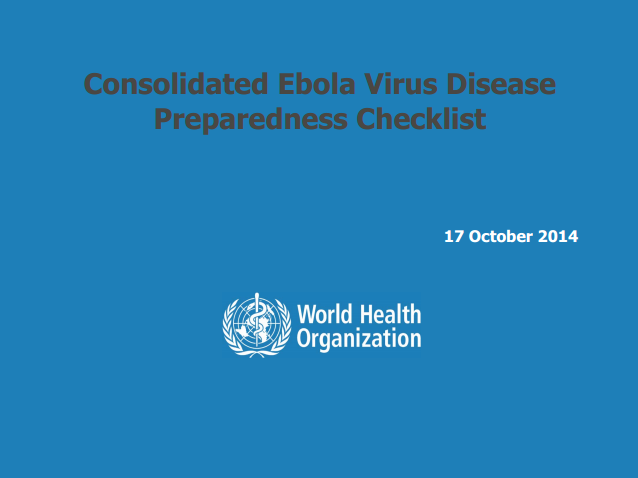
Guidelines for Infection Control in Dental Health-Care Settings
This report consolidates previous recommendations and adds new ones for infection control in dental settings. Recommendations are provided regarding 1) educating and protecting dental health-care personnel; 2) preventing transmission of bloodborne pathogens; 3) hand hygiene; 4) personal protective equipment; 5) contact dermatitis and latex hypersensitivity; 6) sterilization and disinfection of patient-care items; 7) environmental infection control; 8) dental unit waterlines, biofilm, and water quality; and 9) special considerations (e.g., dental handpieces and other devices, radiology, parenteral medications, oral surgical procedures, and dental laboratories). These recommendations were developed in collaboration with and after review by authorities on infection control from CDC and other public agencies, academia, and private and professional organizations.
REFERENCE:
Guidelines for Infection Control in Dental Health-Care Settings, 2003. MMWR, December 19, 2003:52(RR-17).
Puede también descargarlo AQUI
REFERENCE:
Guidelines for Infection Control in Dental Health-Care Settings, 2003. MMWR, December 19, 2003:52(RR-17).
Puede también descargarlo AQUI
Recommendations on the Transport of Dangerous Goods, Model Regulation. Book UNECE 2013
![]() |
| Published:July 2013 ST/SG/AC.10/1/Rev.18 Complete set of two volumes Sales No. 13.VIII.1 ISBN 978-92-1-139146-6 Price: US$ 155 Languages: E, F (A, C, R forthcoming) UNECE.ORG |
This eighteenth revised edition contains various new and revised provisions concerning, inter alia, classification of solid oxidizing substances; transport of adsorbed gases; lithium batteries (including damaged or defective lithium batteries, lithium batteries for disposal or recycling); asymmetric capacitors; discarded packagings; ammonium nitrate and radioactive material; testing of gas cartridges and fuel cell cartridges; marking of bundles of cylinders; and the applicability of ISO standards to the manufacture of new pressure receptacles or service equipment.
UNECE: United Nations Economic Commision for Europe
Versión 2009 en Español
viernes, 6 de septiembre de 2013
CLP Regulation and the transport of dangerous goods.
Abstract
Regulations concerning different modes of transport of dangerous goods are well harmonized at global level: they were then looked at as a model for developing Globally Harmonized System of Classification and Labelling of Chemicals (GHS), (on which CLP Regulations is based). Transport regulations do not cover some hazard classes, such as germ cell mutagenicity, carcinogenicity, reproductive toxicity, having been evaluated that such hazards are not relevant in transport because in general, in case of accident, no repeated and prolonged exposure takes place. Other differences with CLP Regulation are related to the use of "building block approach". Transport labels, which were used as a basis for GHS, can be used, instead of CLP pictograms, on packages during transport.
REFERENCE:
Regulations concerning different modes of transport of dangerous goods are well harmonized at global level: they were then looked at as a model for developing Globally Harmonized System of Classification and Labelling of Chemicals (GHS), (on which CLP Regulations is based). Transport regulations do not cover some hazard classes, such as germ cell mutagenicity, carcinogenicity, reproductive toxicity, having been evaluated that such hazards are not relevant in transport because in general, in case of accident, no repeated and prolonged exposure takes place. Other differences with CLP Regulation are related to the use of "building block approach". Transport labels, which were used as a basis for GHS, can be used, instead of CLP pictograms, on packages during transport.
REFERENCE:
Benassai S. CLP Regulation and the transport of dangerous goods. Ann Ist Super Sanita. 2011;47(2):153-6. doi: 10.4415/ANN_11_02_06. PubMed PMID: 21709384.
miércoles, 12 de junio de 2013
Transporte de sustancias infecciosas
![]() |
| Transportation fo Dangerous Goods Bulletin |
This Bulletin explains the requirements of the Transportation Dangerous Goods (TDG) Regulations when shipping infectious substances. It does not change, create, amend or allow deviations from the Transportation Dangerous Goods (TDG) Regulations. For specific details, consult the TDG Regulations.Las regulaciones para 2013-2014 de la Organización Mundial de la salud, fueron publicadas desde enero de este año, y pueden verlas aquí.
This publication provides information for identifying, classifying, marking, labelling, packaging, documenting and refrigerating infectious substances for transportation and ensuring their safe delivery. The document provides practical guidance to facilitate compliance with applicable international regulations for the transport of infectious substances by all modes of transport, both nationally and internationally.
martes, 7 de mayo de 2013
ABSA High Containment Laboratory Accreditation Program
La Asociación Americana de Seguridad Biológica (ABSA) tiene implementado un Programa de Acreditación de Laboratorios que fué desarrollado para Laboratorios Bioseguridad Nivel 3 (BSL3) y Laboratorios de Animales Bioseguridad Nivel 3 (ABSL3). El propósito del programa de acreditación es asegurar que las instalaciones de biocontención tienen implementadas las prácticas necesarias, procedimientos, personal, equipo de protección, animales, plantas y un ambiente para minimizar las potenciales infecciones asociadas al laboratorio. Para mayor información sobre este programa visiten:martes, 19 de marzo de 2013
WHO Regulations for the Transport of Infectious Substances 2013-2014 #li
Number of pages: 34 pages
Publication date: 2012
Languages: English
WHO reference number: WHO/HSE/GCR/2012.12
Publication date: 2012
Languages: English
WHO reference number: WHO/HSE/GCR/2012.12
Overview
This publication provides information for identifying, classifying, marking, labelling, packaging, documenting and refrigerating infectious substances for transportation and ensuring their safe delivery. The document provides practical guidance to facilitate compliance with applicable international regulations for the transport of infectious substances by all modes of transport, both nationally and internationally, and include the changes that apply from 1 January 2013. The current revision replaces the document issued by the World Health Organization (WHO) in 2010 (document WHO/CDS/EPR/2010.8). This publication, however, does not replace national and international transport regulations.
Si no puede descargarla, de click aquí.
martes, 29 de enero de 2013
#ARTÍCULO: Impact of Regulations, Safety Considerations and Physical Limitations on Research Progress at Maximum Biocontainment
![]() |
| >> COMPLETE TABLE << |
We describe herein, limitations on research at biosafety level 4 (BSL-4) containment laboratories, with regard to biosecurity regulations, safety considerations, research space limitations, and physical constraints in executing experimental procedures. These limitations can severely impact the number of collaborations and size of research projects investigating microbial pathogens of biodefense concern. Acquisition, use, storage, and transfer of biological select agents and toxins (BSAT) are highly regulated due to their potential to pose a severe threat to public health and safety. All federal, state, city, and local regulations must be followed to obtain and maintain registration for the institution to conduct research involving BSAT. These include initial screening and continuous monitoring of personnel, controlled access to containment laboratories, accurate and current BSAT inventory records. Safety considerations are paramount in BSL-4 containment laboratories while considering the types of research tools, workflow and time required for conducting both in vivo and in vitro experiments in limited space. Required use of a positive-pressure encapsulating suit imposes tremendous physical limitations on the researcher. Successful mitigation of these constraints requires additional time, effort, good communication, and creative solutions. Test and evaluation of novel vaccines and therapeutics conducted under good laboratory practice (GLP) conditions for FDA approval are prioritized and frequently share the same physical space with important ongoing basic research studies. The possibilities and limitations of biomedical research involving microbial pathogens of biodefense concern in BSL-4 containment laboratories are explored in this review.
Referencia:
Shurtleff AC, et. al. Impact of Regulations, Safety Considerations and Physical Limitations on Research Progress at Maximum Biocontainment. Viruses. 2012 December; 4(12): 3932–3951.
lunes, 14 de enero de 2013
NOM Criterios para proyectos de investigación para la salud en seres humanos.
![]() |
| DOWNLOAD PDF |
1. Objetivo
Esta norma establece los criterios normativos de carácter administrativo, ético y metodológico, que en correspondencia con la Ley General de Salud y el Reglamento en materia de investigación para la salud, son de observancia obligatoria para solicitar la autorización de proyectos o protocolos con fines de investigación, para el empleo en seres humanos de medicamentos o materiales, respecto de los cuales aún no se tenga evidencia científica suficiente de su eficacia terapéutica o rehabilitatoria o se pretenda la modificación de las indicaciones terapéuticas de productos ya conocidos, así como para la ejecución y seguimiento de dichos proyectos.
2. Campo de aplicación
Esta norma es de observancia obligatoria, para todo profesional de la salud, institución o establecimiento para la atención médica de los sectores público, social y privado, que pretendan llevar a cabo o realicen actividades de investigación para la salud en seres humanos, con las características señaladas en el objetivo de la presente norma.
REFERENCIA:
DOF: 04/01/2013
NORMA Oficial Mexicana NOM-012-SSA3-2012, Que establece los criterios para la ejecución de proyectos de investigación para la salud en seres humanos.
http://dof.gob.mx/nota_detalle.php?codigo=5284148&fecha=04/01/2013
NOTA (15/01/2013): El apartado 9, habla de la constitución, inscripción y funcionamiento de los Comités de Investigación, Etica en la Investigación y Bioseguridad.
jueves, 20 de diciembre de 2012
Animal Disease Traceability
On Thursday, December 20th, the U.S. Department of Agriculture (USDA) announced a final rule establishing general regulations for improving the traceability of U.S. livestock moving interstate.
For more Info visit: TRACEABILITY
martes, 30 de octubre de 2012
VIDEO: BSL3 inspection for select agents #biosecurity #CDC
Este video, en inglés, sirve con fines educativos para instituciones o individuos quienes poseen, almacenan o transfieren microorganismos controlados (Select Agents) y toxinas en Estados Unidos. Este video puede ser utilizado en programas de entrenamiento para personal o como herramienta para programas de entrenamiento. Puedes ver y descargar este y otros videos en: SelectAgents.Gov
BSL3 Inspection
Toxins Inspection
#WHO Laboratory Assesment Tool
Publication details:
Number of pages: 35
Publication date: 2012
Languages: English
WHO reference number: WHO/HSE/GCR/LYO/2012.2
miércoles, 10 de octubre de 2012
NOM-007-SSA3-2011
El 27/03/2012 se publicó en el Diario Oficial de la Federación la nueva NOM-007-SSA3-2011, Para la organización y funcionamiento de los laboratorios clínicos
Para quienes no la han revisado, pueden verla en:
http://dof.gob.mx/nota_detalle.php?codigo=5240925&fecha=27/03/2012
Para quienes no la han revisado, pueden verla en:
http://dof.gob.mx/nota_detalle.php?codigo=5240925&fecha=27/03/2012
sábado, 4 de agosto de 2012
Guideline for Microbial Risk Assessment
![]() |
| DESCARGAR |
Etiquetas:
Artículos,
Bioseguridad agricultura,
Bioseguridad alternativa,
Buenas prácticas,
Cómo funciona,
Legislación,
Libros,
Microorganismos,
Regulaciones
viernes, 27 de julio de 2012
#WHO guidelines on hand hygiene in health care
Overview. The WHO guidelines on hand hygiene in health care provide health-care workers (HCWs), hospital administrators and health authorities with a thorough review of evidence on hand hygiene in health care and specific recommendations to improve practices and reduce transmission of pathogenic microorganisms to patients and HCWs. The present guidelines are intended to be implemented in any situation in which health care is delivered either to a patient or to a specific group in a population. Therefore, this concept applies to all settings where health care is permanently or occasionally performed, such as home care by birth attendants. Definitions of health-care settings are proposed in Appendix 1.
martes, 24 de julio de 2012
Lista de antineoplásicos y otras substancias peligrosas en hospitales #NIOSH 2012
![]() |
| IR A NIOSH DOCUMENT |
Referencias:
jueves, 21 de junio de 2012
Publica Science artículo de Fouchier sobre la transmisión de influenza H5N1
![]() |
| Ir al artículo original |
REFERENCIAS
- Comentario editorial por Bruce Alberts. >> H5N1 <<
- Herfst et al. Airborne Transmission of Influenza A/H5N1 Virus Between Ferrets. Science 22 June 2012: Vol. 336 no. 6088 pp. 1534-1541. Artículo original
- Anthony S. Fauci and Francis S. Collins. Benefits and Risks of Influenza Research: Lessons Learned. Science 22 June 2012: 1522-1523.
- Mark S. Frankel. Regulating the Boundaries of Dual-Use Research. Science 22 June 2012: 1523-1525.
- Carrie D. Wolinetz. Implementing the New U.S. Dual-Use Policy. Science 22 June 2012: 1525-1527.
ABSTRACT
Highly pathogenic avian influenza A/H5N1 virus can cause morbidity and mortality in humans but thus far has not acquired the ability to be transmitted by aerosol or respiratory droplet (“airborne transmission”) between humans. To address the concern that the virus could acquire this ability under natural conditions, we genetically modified A/H5N1 virus by site-directed mutagenesis and subsequent serial passage in ferrets. The genetically modified A/H5N1 virus acquired mutations during passage in ferrets, ultimately becoming airborne transmissible in ferrets. None of the recipient ferrets died after airborne infection with the mutant A/H5N1 viruses. Four amino acid substitutions in the host receptor-binding protein hemagglutinin, and one in the polymerase complex protein basic polymerase 2, were consistently present in airborne-transmitted viruses. The transmissible viruses were sensitive to the antiviral drug oseltamivir and reacted well with antisera raised against H5 influenza vaccine strains. Thus, avian A/H5N1 influenza viruses can acquire the capacity for airborne transmission between mammals without recombination in an intermediate host and therefore constitute a risk for human pandemic influenza.
lunes, 18 de junio de 2012
International Laboratory Safety Culture Survey
La prestigiosa revista Nature realiza en colaboración con el Centro para la Seguridad de Laboratorios de la Universidad de California y BioRAFT una encuesta (International Laboratory Safety Culture Survey [english]) sobre cultura de seguridad en laboratorios de investigación, e invitan a todos los investigadores a que participen, de forma anonima. La encuesta toma responderla entre 15 y 20 minutos y realiza preguntas sobre el tipo de materiales que se utilizan en investigación y que representan un riesgo para el personal, prácticas de entrenamiento, políticas de seguridad, actitudes y creencias, así cono su impacto en investigación. No están realizando invitaciones directas así que todos los interesados pueden participar visitando la página de Nature (AQUI), o directamente en la encuesta (AQUI).
Suscribirse a:
Entradas (Atom)


+18.03.35.png)