Lista de correo. Espere su aprobación.
Correo electrónico:
Consultar este grupo
Mostrando las entradas con la etiqueta Bioseguridad agricultura. Mostrar todas las entradas

lunes, 8 de diciembre de 2014

Plant-made #vaccine antigens against #malaria

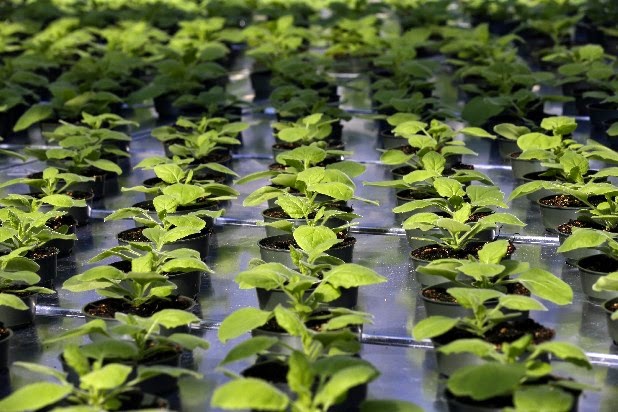
This paper is an overview of vaccine antigens against malaria produced in plants. Plant-based expression systems represent an interesting production platform due to their reduced manufacturing costs and high scalability. At present, different Plasmodium antigens and expression strategies have been optimized in plants. Furthermore, malaria antigens are one of the few examples of eukaryotic proteins with vaccine value expressed in plants, making plant-derived malaria antigens an interesting model to analyze. Up to now, malaria antigen expression in plants has allowed the complete synthesis of these vaccine antigens, which have been able to induce an active immune response in mice. Therefore, plant production platforms offer wonderful prospects for improving the access to malaria vaccines.

REFERENCE:
Clemente M, Corigliano MG. Overview of plant-made vaccine antigens against malaria. J Biomed Biotechnol. 2012;2012:206918.
-------------------------------------------------
Sigue este Blog en Facebook y Twitter

lunes, 24 de noviembre de 2014

Algae-based oral recombinant vaccines

Recombinant subunit vaccines are some of the safest and most effective vaccines available, but their high cost and the requirement of advanced medical infrastructure for administration make them impractical for many developing world diseases. Plant-based vaccines have shifted that paradigm by paving the way for recombinant vaccine production at agricultural scale using an edible host. However, enthusiasm for “molecular pharming” in food crops has waned in the last decade due to difficulty in developing transgenic crop plants and concerns of contaminating the food supply. Microalgae could be poised to become the next candidate in recombinant subunit vaccine production, as they present several advantages over terrestrial crop plant-based platforms including scalable and contained growth, rapid transformation, easily obtained stable cell lines, and consistent transgene expression levels. Algae have been shown to accumulate and properly fold several vaccine antigens, and efforts are underway to create recombinant algal fusion proteins that can enhance antigenicity for effective orally delivered vaccines. These approaches have the potential to revolutionize the way subunit vaccines are made and delivered – from costly parenteral administration of purified protein, to an inexpensive oral algae tablet with effective mucosal and systemic immune reactivity.

REFERENCE:
Specht EA and Mayfield SP. Algae-based oral recombinant vaccines. Front Microbiol. 2014; 5: 60.
-----------------------------------------------------------
Sigue este Blog en Facebook y Twitter
lunes, 3 de noviembre de 2014

Plant-derived virus-like particles as vaccines

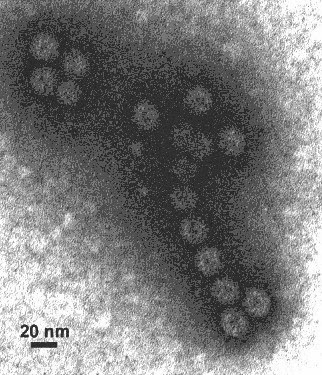
Virus-like particles (VLPs) are self-assembled structures derived from viral antigens that mimic the native architecture of viruses but lack the viral genome. VLPs have emerged as a premier vaccine platform due to their advantages in safety, immunogenicity, and manufacturing. The particulate nature and high-density presentation of viral structure proteins on their surface also render VLPs as attractive carriers for displaying foreign epitopes. Consequently, several VLP-based vaccines have been licensed for human use and achieved significant clinical and economical success. The major challenge, however, is to develop novel production platforms that can deliver VLP-based vaccines while significantly reducing production times and costs. Therefore, this review focuses on the essential role of plants as a novel, speedy and economical production platform for VLP-based vaccines. The advantages of plant expression systems are discussed in light of their distinctive posttranslational modifications, cost-effectiveness, production speed, and scalability. Recent achievements in the expression and assembly of VLPs and their chimeric derivatives in plant systems as well as their immunogenicity in animal models are presented. Results of human clinical trials demonstrating the safety and efficacy of plant-derived VLPs are also detailed. Moreover, the promising implications of the recent creation of "humanized" glycosylation plant lines as well as the very recent approval of the first plant-made biologics by the U. S. Food and Drug Administration (FDA) for plant production and commercialization of VLP-based vaccines are discussed. It is speculated that the combined potential of plant expression systems and VLP technology will lead to the emergence of successful vaccines and novel applications of VLPs in the near future.

REFERENCE:
Chen Q1, Lai H. Hum Plant-derived virus-like particles as vaccines. Vaccin Immunother. 2013 Jan;9(1):26-49.
-----------------------------------------------------------
Sigue este Blog en Facebook y Twitter

jueves, 25 de septiembre de 2014

Addressing climate change in healthcare settings

Publication details
Number of pages: 28
Publication date: 2009
Languages: English
Global climate change is no longer an ominous future threat but a dawning reality – one that is already creating disturbing shifts in the natural and human environment and eroding the delicate balance of our planet’s ecosystem and the species that depend on it.
This discussion draft is based on the World Health Organization’s (WHO) mandate from member states to develop “programmes for health systems that will contribute to reducing their own greenhouse gas emissions”. It also takes root in Health Care Without Harm’s (HCWH) more than 12 years of experience of working globally to transform the health sector so that it is no longer a source of harm to human health and the environment.
The paper begins to define a framework for analysing and addressing the health sector’s climate footprint – including identifying seven aspects of a climate-friendly hospital. It also draws on a series of examples from around the world that demonstrate that the health sector is indeed already beginning to provide leadership in this most important area of concern to the global community. This paper is the first step in a WHO project in collaboration with Health Care Without Harm (HCWH) aimed at addressing the climate footprint of the health sector.
REFERENCE:
World Health Organization and Health Care Without Harm. Healthy hospitals, healthy planet, healthy people: Addressing climate change in healthcare settings, 2009.
------------------------------------------------
Sigue este Blog en Facebook y Twitter

miércoles, 16 de julio de 2014

Monitoring #SelectAgent Theft, Loss and Release Reports in USA

cdc.gov
The APHIS/CDC Form 3, Report of Theft, Loss or Release of Select Agents and Toxins (TLR incident report) is the mechanism by which the theft, loss or release of a biological select agent and toxin (BSAT) is reported to the United States Department of Agriculture (USDA)/Animal and Plant Health Inspection Service (APHIS) or Health and Human Services (HHS)/ Center for Disease Control and Prevention (CDC). A total of seven hundred and twenty seven (727) TLR Incident Reports were received by CDC between 2004 and 2010.

REFERENCES:
Henkel RD, et al. Monitoring Select Agent Theft, Loss and Release Reports in the United States—2004-2010. Applied Biosafety Vol. 17, No. 4, 2012:171-180.
-------------------------------------------
Sigue este Blog en Facebook y Twitter 

lunes, 20 de enero de 2014

ABSL-4 Aerobiology Biosafety and Technology...

Abstract
The overall threat of a viral pathogen to human populations is largely determined by the modus operandi and velocity of the pathogen that is transmitted among humans. Microorganisms that can spread by aerosol are considered a more challenging enemy than those that require direct body-to-body contact for transmission, due to the potential for infection of numerous people rather than a single individual. Additionally, disease containment is much more difficult to achieve for aerosolized viral pathogens than for pathogens that spread solely via direct person-to-person contact. Thus, aerobiology has become an increasingly necessary component for studying viral pathogens that are naturally or intentionally transmitted by aerosol. The goal of studying aerosol viral pathogens is to improve public health preparedness and medical countermeasure development. Here, we provide a brief overview of the animal biosafety level 4 Aerobiology Core at the NIH/NIAID Integrated Research Facility at Fort Detrick, Maryland, USA.
REFERENCE:
Lackemeyer MG, Kok-Mercado Fd, Wada J, Bollinger L, Kindrachuk J, Wahl-Jensen V, Kuhn JH, Jahrling PB. ABSL-4 Aerobiology Biosafety and Technology at the NIH/NIAID Integrated Research Facility at Fort Detrick. Viruses. 2014 Jan 7;6(1):137-50. doi: 10.3390/v6010137. PubMed PMID: 24402304.

jueves, 21 de noviembre de 2013

#Book : People, pathogens and our planet Vol. 2

People, pathogens and our planet Vol. 2
This report analyzes and assesses the benefits and the costs of control of an important group of contagious diseases. Zoonotic diseases are caused by pathogens that can infect both animals and humans, resulting in disease outbreaks, including epidemics in humans and epizootics in animals. These diseases account for 70 percent of emerging infectious  diseases. In the absence of timely disease control, zoonotic pathogens can cause pandemics, with potentially catastrophic impacts that are global in scale. The report also touches on food safety, but does not cover other risks and opportunities at the interfaces between humans, animals, and the ecosystem, such as food security and pollution. Limiting its focus to this topic matter has important advantages, particularly with respect to immediate relevance and relative simplicity.

=> DESCARGAR <=

miércoles, 20 de noviembre de 2013

#Book : People, pathogens and our planet Vol. 1


People, pathogens and our planet : the economics of one health (English) Vol. 1
This study aims to build on the findings from the previously mentioned studies, and seeks to provide more detailed information on the costs of the various functions and categories of expenditure involved in the establishment and operation of system for the prevention and control of emerging zoonotic diseases at country and global level. It will also seek to provide information on efficiency and effectiveness gains that will result from the introduction of a One Health approach. With these aims, the study has two target audiences: (a) project planners, who will benefit from the information of the costs of setting up surveillance and control systems to be used as benchmarks when planning preparedness and control operations; and (b) policy planners at the decision-making level, who would use the information on the efficiency and effectiveness gains to guide them in the decision-making process regarding the eventual introduction of One Health. This report disaggregates costs by task, making explicit those activities that are critical for effectiveness and identifying scope for efficiencies. The analysis draws on a range of data sources and earlier work, including integrated national action plans for, and World Bank staff appraisal reports on, avian and pandemic influenzas responses, a survey of the directors of wildlife services, assessments of veterinary systems in developing countries, and OIE (Office International des Epizooties - World Organization for Animal Health) analyses of disease prevention systems. 

DETAILS

  • 2012/06/01
  • Other Agricultural Study
  • 69145
  • 1 of 1
  • World
  • The World Region
  • 2012/06/11
  • People, pathogens and our planet : the economics of one health
=> DESCARGAR <= 

miércoles, 7 de agosto de 2013

A Literature Review of Laboratory-Acquired Brucellosis

Brucellosis is a bacterial zoonotic disease which has been associated with laboratory-acquired infections. No recent reviews have addressed the characteristics of laboratory-acquired brucellosis (LAB). English-language literature was reviewed to identify reports of laboratory exposures to Brucella spp. and LAB cases between 1982 and 2007. Evaluation of twenty-eight case reports identified 167 potentially exposed laboratory workers of which 71 had LAB. Nine reports were identified that summarized an additional 186 cases of LAB. Only 18 (11%) exposures were due to laboratory accidents, 147 (88%) exposures were due to aerosolization of organisms during routine identification activities and 2 (1%) exposures were unknown. Brucella melitensis was the causative agent for 80% (135/167) of the exposures. Workers with high risk exposures were 9.3 times more likely to develop LAB than workers with low risk exposures (95% CI, 3.0-38.6; P<0.0001); they were also 0.009 times as likely to develop LAB if they took antimicrobial PEP than those who did not take PEP (95% CI, 0-0.042; P<0.0001). Median incubation period in case and summary reports was eight weeks (range 1-40 weeks). Antimicrobial PEP is effective in preventing LAB. The incubation period may be used to identify appropriate serological and symptom surveillance timeframes for exposed laboratory workers.
REFERENCIA:
Traxler RM, Lehman MW, Bosserman EA, Guerra MA, Smith TL. A Literature Review of Laboratory-Acquired Brucellosis. J Clin Microbiol. 2013 Jul 3. Pay-per-view

lunes, 17 de junio de 2013

Needlestick Resistance of Protective Gloves: Development of a Test Method

Hand injuries, which represent approximately 21% of CSST-compensated injuries, affect several professions, including blue collar workers, prison guards, and police officers, who run a high risk of being pricked by contaminated needles. Current standardized test methods do not correctly evaluate the resistance of protective gloves to these punctures and do not take into account the effect of the presence of a hand inside the glove. The aim of this study is to develop a method for characterizing the actual resistance of gloves to puncture by very pointed objects such as needles, with this method later becoming the subject of a standard. It will also determine the degree of dexterity and sensitivity that this protective equipment offers to workers. The data collected will help users choose the puncture-resistant gloves most appropriate for their task, thus promoting their wear and helping to reduce the number of injuries to workers’ hands. These results will be exportable to other activity sectors, including the hospital environment, and will be useful to manufacturers for improving their products.
REFERENCIA
Needlestick Resistance of Protective Gloves: Development of a Test Method. Dolez, P; Soulati, K; Gauvin, C; Lara, J; Vu-Khanh, T. Studies and Research Projects / Technical Guide  RG-738, Montréal, IRSST, 2012, 62 pages.

lunes, 19 de noviembre de 2012

jueves, 13 de septiembre de 2012

USDA ARS 2nd International Biosafety and Biocontainment Symposium


February 4-7, 2013
Hilton Alexandria Mark Center                         
Registration Now Open!
ABSA will be the managing partner of the USDA Agricultural Research Service (ARS) 2nd International Biosafety & Biocontainment Symposium - Agriculture Research and Response for Field and Lab. The Symposium will be held February 4-7, 2013, in Alexandria Virginia at the Hilton Alexandria Mark Center. The Symposium will include ten pre-symposium courses and 2½ days of scientific presentations. There will also be exhibits showcasing the latest agricultural biosafety and biocontainment products and services. Registration, sponsors, and details for this event are available at http://arssymposium.absa.org.
Pre-Symposium Courses: (4 hours each)
Plant Pathology 101: Introduction of Principles on Plant Pathology

Program Outline (Subject to Change)

Pre-symposium Courses: (4 hours each)
Monday February 4, 2013
  • Plant Pathology 101
  • Plant Containment
  • Intro to APHIS regulatory oversight
  • APHIS Permitting
  • Integrated Pest Management & Biocontrol
  • Agrodefense
  • FBI Biosecurity for Lab Research
  • GMO – International Perspective on Biological Safety
  • Biocontainment Techniques beyond the Biosafety Cabinet
  • Food Defense
Tuesday, February 5, 2013
  • Session I – Food Safety, Defense, and Security Research and Biosafety/Biocontainment Challenges
  • Session II – Containment and Research Challenges for Work on Plant Pathogens, Pests, GMOs, and Biocontrol AgentsWednesday, February 6, 2013
Wednesday, February 6, 2013
  • Session III – Regulatory and Oversight Issues
  • Session IV – LAIs

Thursday, February 7, 2013
  • Session V – Animal Health

The Symposium will consist of sessions covering a variety of topics including containment and security challenges, GMOs, and agroterrorism. There will be a roundtable discussion on the culture of responsibility and security and another on LAIs and break in containment. Keynote speakers will open the program on Tuesday and Wednesday.
In addition to the valuable courses and sessions, you will have the opportunity to network with professionals from the biosafety and scientific research industries, organizations, and agencies.
Register soon as space is limited. http://arssymposium.absa.org

sábado, 4 de agosto de 2012

Guideline for Microbial Risk Assessment

DESCARGAR
Scientists from the Environmental Protection Agency (EPA), U.S. Department of Agriculture's Food Safety and Inspection Service (FSIS) and joined by scientists from other federal agencies developed the Guideline for Microbial Risk Assessment: Pathogenic Microorganisms with Focus on Food and Water (231 pp, 1.24Mb). This document provides a common framework to perform microbial risk assessment (MRA). It lays out a flexible set of approaches, methods, and tools for use to conduct their microbial risk assessment and provide more transparency to the process and results. This guideline addresses issues specific to microbial risk, e.g., secondary transmission, immune status, and growth and die-off of organisms, as well as addressing concepts generic to classical chemical risk assessment.

jueves, 19 de julio de 2012

Antrax en usuarios de heroina

Wikipedia
El ántrax (o carbunco) es una enfermedad infecciosa, aguda y grave producida por el Bacillus antrhacis, y cuya severidad se establece dependiendo de la vía de entrada al individuo afectado. Las esporas han sido utilizadas como armas biológicas. Sin embargo, es un microorganismo que sobrevive en el ambiente, por lo que los animales pueden comer pastura contaminada y enfermarse, o convertirse en reservorios para la diseminación de la bacteria. 
En Junio de 2012 se describieron dos casos de ánthrax en usuarios de heroína en Alemania, y en ese momento se desconocía el origen de la infección. Para el 10 de Julio de 2012, se han descrito 5 casos en total, incluyendo uno en Francia y uno en Dinamarca, y entre los cuales ya se cuenta una muerte. En uno de los casos, no se ha demostrado el consumo de heroína. Se cree que la heroína, prohibida en Europa, fué introducida de contrabando y que en algún momento estuvo en contacto con animales o pastura contaminada. Un caso complicado, ya que en este momento se han emitido boletines de alerta epidemiológica y policiaca, y varios organismos Europeos están en la búsqueda de la fuente para evitar nuevos casos, incluyendo la EUROPOL (European Law Enforcement Agency) y el ECDC (European Centre for Disease Prevention and Control). Una de las recomendaciones es que los usuarios de heroína no la utilicen, una medida que las mismas agencias reconocen será difícil de cumplir. Es posible que si los contrabandistas de heroína siguen almacenando en los mismos sitios, o transportandola en los mismos vehículos, se sigan presentando nuevos casos. Ya se han descrito casos de Anthrax en usuarios de heroína en otros países, como en Escocia.

Referencias

viernes, 27 de abril de 2012

Instrumentos de la FAO sobre #Bioseguridad

La bioseguridad se está convirtiendo en una de las cuestiones más acuciantes con que se enfrentan los países desarrollados, en desarrollo y en transición. La globalización, los crecientes desplazamientos de personas, productos agropecuarios y alimentos a través de las fronteras, la mayor atención a la biodiversidad y al medio ambiente, la aparición y propagación de enfermedades transfronterizas, los cambios en la forma en que se producen, elaboran y distribuyen alimentos, plantas y animales, las incertidumbres que rodean las nuevas tecnologías, así como las obligaciones jurídicas internacionales, son algunos de los factores que impulsan este creciente interés y ponen de relieve la importancia de una capacidad adecuada en materia de bioseguridad.
Organización de las Naciones Unidas para la Agricultura y la Alimentación.
Roma, 2007
>> DESCARGAR <<

domingo, 12 de febrero de 2012

Botón de #bioseguridad para imagen de perfil

Así se verá en tu imagen de perfil. 
Obténlo en http://goo.gl/KyDC0
Agrega un botón a tu imagen de perfil en Facebook o Twitter. Visita:


Evitar la liberación o dispersión de microorganismos al ambiente es de vital importancia para la salud humana, la salud animal y la salud ambiental. 
El personal de salud, estudiantes, profesores, investigadores, laboratoristas, médicos, enfermeras, veterinarios, ingenieros ambientales, agrónomos, entre muchas otras, debemos ser responsables y prevenir la diseminación de microorganismos. 
Muestra tu apoyo usando el botón, y ayuda a difundir el tema de la bioseguridad y la biocustodia.
La BIOCUSTODIA, es la vigilancia, protección, control e inventario de los materiales biológicos, para evitar prevenir su acceso no autorizado, pérdida, robo, mal uso, o liberación al ambiente.
La BIOSEGURIDAD, involucra a los procedimientos para evitar la liberación accidental o intencionada de microorganismos.
Website: 
http://goo.gl/KyDC0

jueves, 29 de septiembre de 2011

LIBRO: Good practices of Biosecurity in the pig sector

(Fragmento). La aparición de las epidemias de influenza H1N1 en el 2009 ha llamado la atención contra potenciales peligros de virus que pueden contenerse en animales, y provocando considerable preocupación internacional. Los humanos se enferman con virus de influenza H1N1 2009. También los cerdos, los pavos, los gatos, los perros... Recientemente, las enfermedades virales de cerdos han tenido un impacto en la salud humana y la forma de vida de las personas. La entrada de la fiebre porcina africana al Caucaso y Asia, así como las epidemias de fiebre porcina clásica, entre otras a Europa y China han tenido graves efectos en la agricultura.
Con la epidemia de influeza y las iniciales dudas sobre el papel de los cerdos en la diseminación de virus, se promovió que la FAO (Food and Agricultural Organization of the United Nations) la OIE (World Organisation for Animal Health) y el Banco Mundial dieran alta prioridad al desarrollo de herramientas para mejorar la bioseguridad de la producción de cerdos. Los principios de biocustodia enmarcados en este documento, sirven para limitar la transmisión de enfermedades cerdo-cerdo y reducir el impacto de las enfermedades porcinas, incluyendo pérdidas económicas. Estos principios derivan directamente del conocimiento científico de la epidemiología y transmisión de patógenos porcinos.
http://www.fao.org/docrep/012/i1435e/i1435e00.pdf