Literary Calaveras (skulls) are written as epitaphs for the living. It´s a fun way to remember the deaths. In local newspapers publish Calaveras from living politicians, also a way to make fun of them. Many calaveras were written about the individuals in a given profession. Butchers, teachers, priests, housekeepers, artists, mail carriers, and shopkeepers were all satirized by writers of calaveras. I´m giving you one... People goes to the pantheons, to sing, eat, and remember their love ones. Also they dress up, cook special food and big parties. It´s a nice time to visit México.
| Lista de correo. Espere su aprobación. |
| Consultar este grupo |
viernes, 31 de octubre de 2014
Happy "Día de Muertos" (Day of the Deaths)
For our english-speaking visitors. Happy Halloween!. Here in México is "Día de Muertos" (Day of the Deaths), on November 1st, and 2nd. This year we will be walking around deaths. momies, vampires, and Catrinas...
Literary Calaveras (skulls) are written as epitaphs for the living. It´s a fun way to remember the deaths. In local newspapers publish Calaveras from living politicians, also a way to make fun of them. Many calaveras were written about the individuals in a given profession. Butchers, teachers, priests, housekeepers, artists, mail carriers, and shopkeepers were all satirized by writers of calaveras. I´m giving you one... People goes to the pantheons, to sing, eat, and remember their love ones. Also they dress up, cook special food and big parties. It´s a nice time to visit México.
jueves, 30 de octubre de 2014
Control of #ebola virus disease - firestone district, Liberia, 2014
![]() |
| WSJ |
REFERENCE:
Reaves EJ, et al. Control of ebola virus disease - firestone district, Liberia, 2014. MMWR Morb Mortal Wkly Rep. 2014 Oct 24;63(42):959-65.
NEWS:
How Firestone Liberia’s unique approaches helped stem the spread of the ebola virus
Liberian Rubber Farm Becomes Sanctuary Against Ebola
-----------------------------------------------------------
Sigue este Blog en Facebook y Twitter
martes, 28 de octubre de 2014
Preguntas sobre #ébola
Cluster of #ebola cases among liberian and u.s. Health care workers in an ebola treatment unit and adjacent hospital - Liberia, 2014
![]() |
| aljazeera |
REFERENCE:
Forrester JD et al. Cluster of Ebola Cases Among Liberian and U.S. Health Care Workers in an Ebola Treatment Unit and Adjacent Hospital — Liberia, 2014. MMWR Morb Mortal Wkly Rep. 2014 Oct 17;63(41):925-9.
-----------------------------------------------------------
Sigue este Blog en Facebook y Twitter
lunes, 27 de octubre de 2014
Biologically hazardous agents at work and efforts to protect workers' health: a review of recent reports
Because information on biological agents in the workplace is lacking, biological hazard analyses at the workplace to securely recognize the harmful factors with biological basis are desperately needed. This review concentrates on literatures published after 2010 that attempted to detect biological hazards to humans, especially workers, and the efforts to protect them against these factors. It is important to improve the current understanding of the health hazards caused by biological factors at the workplace. In addition, this review briefly describes these factors and provides some examples of their adverse health effects. It also reviews risk assessments, protection with personal protective equipment, prevention with training of workers, regulations, as well as vaccinations.
REFERENCE:
Rim KT, Lim CH. Biologically hazardous agents at work and efforts to protect workers' health: a review of recent reports. Saf Health Work. Jun 2014; 5(2): 43–52.
REFERENCE:
Rim KT, Lim CH. Biologically hazardous agents at work and efforts to protect workers' health: a review of recent reports. Saf Health Work. Jun 2014; 5(2): 43–52.
-----------------------------------------------------------
Sigue este Blog en Facebook y Twitter
sábado, 18 de octubre de 2014
Consolidated #Ebola Virus Disease Preparedness Checklist
The Consolidated Checklist for Ebola Virus Disease Preparedness is based on efforts by various national and international institutions, including WHO, CDC and UN OCHA.
It identifies 10 key components and tasks for both countries and the international community that should be completed within 30, 60 and 90 days respectively from the date of issuing this list. Minimal required resources in terms of equipment and material as well as human resources are defined. Key reference documents such as guidelines, training manuals and guidance notes will help the technical experts to implement required action in the key components.
DESCARGA 1 / DESCARGA OPCIONAL
-----------------------------------------------------------
Sigue este Blog en Facebook y Twitter
It identifies 10 key components and tasks for both countries and the international community that should be completed within 30, 60 and 90 days respectively from the date of issuing this list. Minimal required resources in terms of equipment and material as well as human resources are defined. Key reference documents such as guidelines, training manuals and guidance notes will help the technical experts to implement required action in the key components.
DESCARGA 1 / DESCARGA OPCIONAL
-----------------------------------------------------------
Sigue este Blog en Facebook y Twitter
viernes, 17 de octubre de 2014
OSHA: Cleaning and Decontamination of #Ebola on Surfaces
Workers tasked with cleaning surfaces that may be contaminated with Ebola virus, the virus that causes Ebola hemorrhagic fever (EHF), must be protected from exposure. Employers are responsible for ensuring that workers are protected from exposure to Ebola and that workers are not exposed to harmful levels of chemicals used for cleaning and disinfection.
DESCARGA A / DESCARGA B
----------------------------------------------------
Sigue este Blog en Facebook y Twitter
jueves, 16 de octubre de 2014
Mobile phones carry the personal microbiome of their owners
Most people on the planet own mobile phones, and these devices are increasingly being utilized to gather data relevant to our personal health, behavior, and environment. During an educational workshop, we investigated the utility of mobile phones to gather data about the personal microbiome — the collection of microorganisms associated with the personal effects of an individual. We characterized microbial communities on smartphone touchscreens to determine whether there was significant overlap with the skin microbiome sampled directly from their owners. We found that about 22% of the bacterial taxa on participants’ fingers were also present on their own phones, as compared to 17% they shared on average with other people’s phones. When considered as a group, bacterial communities on men’s phones were significantly different from those on their fingers, while women’s were not. Yet when considered on an individual level, men and women both shared significantly more of their bacterial communities with their own phones than with anyone else’s. In fact, 82% of the OTUs were shared between a person’s index and phone when considering the dominant taxa (OTUs with more than 0.1% of the sequences in an individual’s dataset). Our results suggest that mobile phones hold untapped potential as personal microbiome sensors.
REFERENCE
Meadow JF, et al. Mobile phones carry the personal microbiome of their owners. PeerJ. 2014; 2: e447.
-----------------------------------------------------------
Sigue este Blog en Facebook y Twitter
REFERENCE
Meadow JF, et al. Mobile phones carry the personal microbiome of their owners. PeerJ. 2014; 2: e447.
-----------------------------------------------------------
Sigue este Blog en Facebook y Twitter
martes, 14 de octubre de 2014
Back to basics: hand hygiene and isolation
Purpose of review. Hand hygiene and isolation are basic, but very effective, means of preventing the spread of pathogens in healthcare. Although the principle may be straightforward, this review highlights some of the controversies regarding the implementation and efficacy of these interventions.
Recent findings. Hand hygiene compliance is an accepted measure of quality and safety in many countries. The evidence for the efficacy of hand hygiene in directly reducing rates of hospital-acquired infections has strengthened in recent years, particularly in terms of reduced rates of staphylococcal sepsis. Defining the key components of effective implementation strategies and the ideal method(s) of assessing hand hygiene compliance are dependent on a range of factors associated with the healthcare system. Although patient isolation continues to be an important strategy, particularly in outbreaks, it also has some limitations and can be associated with negative effects. Recent detailed molecular epidemiology studies of key healthcare-acquired pathogens have questioned the true efficacy of isolation, alone as an effective method for the routine prevention of disease transmission.
Summary. Hand hygiene and isolation are key components of basic infection control. Recent insights into the benefits, limitations and even adverse effects of these interventions are important for their optimal implementation.
Keywords: alcohol-based hand rub, hand hygiene, hospital acquired infections, isolation, WHO
REFERENCE:
G. Khai Lin Huang, et al. Back to basics: hand hygiene and isolation. Curr Opin Infect Dis. Aug 2014; 27(4): 379–389.
-----------------------------------------------------------
Sigue este Blog en Facebook y Twitter
Recent findings. Hand hygiene compliance is an accepted measure of quality and safety in many countries. The evidence for the efficacy of hand hygiene in directly reducing rates of hospital-acquired infections has strengthened in recent years, particularly in terms of reduced rates of staphylococcal sepsis. Defining the key components of effective implementation strategies and the ideal method(s) of assessing hand hygiene compliance are dependent on a range of factors associated with the healthcare system. Although patient isolation continues to be an important strategy, particularly in outbreaks, it also has some limitations and can be associated with negative effects. Recent detailed molecular epidemiology studies of key healthcare-acquired pathogens have questioned the true efficacy of isolation, alone as an effective method for the routine prevention of disease transmission.
Summary. Hand hygiene and isolation are key components of basic infection control. Recent insights into the benefits, limitations and even adverse effects of these interventions are important for their optimal implementation.
Keywords: alcohol-based hand rub, hand hygiene, hospital acquired infections, isolation, WHO
REFERENCE:
G. Khai Lin Huang, et al. Back to basics: hand hygiene and isolation. Curr Opin Infect Dis. Aug 2014; 27(4): 379–389.
-----------------------------------------------------------
Sigue este Blog en Facebook y Twitter
lunes, 13 de octubre de 2014
Día Mundial del Lavado de Manos, Octubre 15

Este 15 de Octubre, la Organización Mundial de la Salud, en conjunto con la UNICEF celebran el Día Mundial del Lavado de Manos. Esta es una oportunidad para recordar a todos la importancia del Lavado de Manos. Infórmate y distribuye la información acerca de la importancia del lavado de manos en: http://globalhandwashing.orgDescarga los posters y manuales de la campaña de la UNICEF AQUI.
OTROS MATERIALES Y RECURSOS (INGLÉS)
This course and promotional materials review key concepts of hand hygiene and other standard precautions to prevent healthcare-associated infections.Promotional materials (Posters).
A variety of resources including guidelines for providers, patient empowerment materials, the latest technological advances in hand hygiene adherence measurement, frequently asked questions, and links to promotional and educational tools.
All health-care workers require clear and comprehensive training and education on the importance of hand hygiene, the "My 5 Moments for Hand Hygiene" approach and the correct procedures for handrubbing and handwashing.
Hygiene refers to behaviors that can improve cleanliness and lead to good health, such as frequent hand washing, face washing, and bathing with soap and water. In many areas of the world, practicing personal hygiene etiquette is difficult due to lack of clean water and soap. Many diseases can be spread if the hands, face, or body are not washed appropriately at key times.
Sigue este Blog en Facebook y Twitter
viernes, 10 de octubre de 2014
Contact tracing during an #ebola outbreak
This document provides guidance for establishing and conducting contact tracing during filovirus disease outbreaks. The guidance notes are based on extensive field experience in filovirus disease outbreak response in the WHO African region. The notes are intended for frontline epidemiologists, surveillance officers, health workers and other volunteers involved in contact tracing. National and sub-national emergency management committees and rapid response teams require these guidelines to plan, implement and monitor contact tracing.National emergency management committees are advised to adapt these guidance notes to the local context in their application
REFERENCES:
Contact tracing during an #ebola outbreak
CDC poster: What is contact tracing?
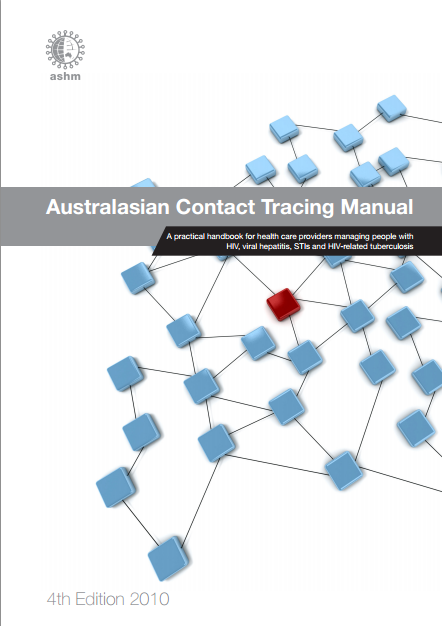
Australasian Contract Tracing Manual
Development of a risk assessment tool for contact tracing people after contact with infectious patients while travelling by bus or other public ground transport: a Delphi consensus approach
-----------------------------------------------------------
Sigue este Blog en Facebook y Twitter
jueves, 9 de octubre de 2014
Detailed Hospital Checklist for #Ebola Preparedness
![]() |
| Lohud.com |
In order to enhance our collective preparedness and response efforts, this checklist highlights key areas for hospital staff -- especially hospital emergency management officers, infection control practitioners, and clinical practitioners -- to review in preparation for a person with Ebola arriving at a hospital for medical care. The checklist provides practical and specific suggestions to ensure your hospital is able to detect possible Ebola cases, protect your employees, and respond appropriately.
While we are not aware of any domestic Ebola cases, now is the time to prepare, as it is possible that individuals with Ebola in West Africa may travel to your city, exhibit signs and symptoms of Ebola, and present to facilities.
REFERENCES:
- CDC Detailed Hospital Checklist for Ebola Preparedness
- Ebola infection control. WHO guideline
- AIDE-MEMOIRE. For infection prevention and control in a health care facility
-----------------------------------------------------------
Sigue este Blog en Facebook y Twitter
Practicability of Hygienic Wrapping of Touchscreen Operated Mobile Devices in a Clinical Setting
Background. To prove effectiveness of wrapping tablet computers in order to reduce microbiological contamination and to evaluate whether a plastic bag-covered tablet leads to impaired user satisfaction or touchscreen functionality.
Materials and Methods. Within a period of 11 days 115 patients were provided with a tablet computer while waiting for their magnetic resonance imaging examination. Every day the contamination of the surface of the tablet was determined before the first and after the final use. Before the device was handed over to a patient, it was enclosed in a customized single-use plastic bag, which was analyzed for bacterial contamination after each use. A questionnaire was applied to determine whether the plastic bag impairs the user satisfaction and the functionality of the touchscreen.
Results. Following the use by patients the outside of the plastic bags was found to be contaminated with various bacteria (657.5 ± 368.5 colony forming units/day); some of them were potentially pathogenic. In contrast, the plastic bag covered surface of the tablet was significantly less contaminated (1.7 ± 1.9 colony forming units/day). Likewise, unused plastic bags did not show any contamination. 11% of the patients reported problems with the functionality of the touchscreen. These patients admitted that they had never used a tablet or a smartphone before.
Conclusions. Tablets get severely contaminated during usage in a clinical setting. Wrapping with a customized single-use plastic bag significantly reduces microbiological contamination of the device, protects patients from the acquisition of potentially pathogenic bacteria and hardly impairs the user satisfaction and the functionality of the touchscreen.
REFERENCE;
Hammon M, et al. (2014) Practicability of Hygienic Wrapping of Touchscreen Operated Mobile Devices in a Clinical Setting. PLoS ONE 9(9): e106445. doi:10.1371/journal.pone.0106445
-----------------------------------------------------------
Sigue este Blog en Facebook y Twitter
lunes, 6 de octubre de 2014
Review on #Ebola vaccines
Introduction. Ebolaviruses cause severe viral hemorrhagic fever in humans and non-human primates, with case fatality rates of up to 90%. Currently, neither a specific treatment nor a vaccine licensed for use in humans is available. However, a number of vaccine candidates have been developed in the last decade that are highly protective in non-human primates, the gold standard animal model for Ebola hemorrhagic fever.
Areas covered. This review analyzes a number of scenarios for the use of ebolavirus vaccines, discusses the requirements for ebolavirus vaccines in these scenarios, and describes current ebolavirus vaccines. Among these vaccines are recombinant Adenoviruses, recombinant Vesicular Stomatitis viruses, recombinant Human Parainfluenza viruses and virus-like particles. Interestingly, one of these vaccine platforms, based on recombinant Vesicular Stomatitis viruses, has also demonstrated post-exposure protection in non-human primates.
Expert opinion. The most pressing remaining challenge is now to move these vaccine candidates forward into human trials and towards licensure. In order to achieve this, it will be necessary to establish the mechanisms and correlates of protection for these vaccines, and to continue to demonstrate their safety, particularly in potentially immunocompromised populations. However, already now there is sufficient evidence that, from a scientific perspective, a vaccine protective against ebolaviruses is possible.
REFERENCE;
Hoenen T, Groseth A & Feldmann H. Current Ebola vaccines. Expert Opin Biol Ther 2012; 12(7): 859–872.
--------------------------------------------------
Sigue este Blog en Facebook y Twitter
Areas covered. This review analyzes a number of scenarios for the use of ebolavirus vaccines, discusses the requirements for ebolavirus vaccines in these scenarios, and describes current ebolavirus vaccines. Among these vaccines are recombinant Adenoviruses, recombinant Vesicular Stomatitis viruses, recombinant Human Parainfluenza viruses and virus-like particles. Interestingly, one of these vaccine platforms, based on recombinant Vesicular Stomatitis viruses, has also demonstrated post-exposure protection in non-human primates.
Expert opinion. The most pressing remaining challenge is now to move these vaccine candidates forward into human trials and towards licensure. In order to achieve this, it will be necessary to establish the mechanisms and correlates of protection for these vaccines, and to continue to demonstrate their safety, particularly in potentially immunocompromised populations. However, already now there is sufficient evidence that, from a scientific perspective, a vaccine protective against ebolaviruses is possible.
REFERENCE;
Hoenen T, Groseth A & Feldmann H. Current Ebola vaccines. Expert Opin Biol Ther 2012; 12(7): 859–872.
--------------------------------------------------
Sigue este Blog en Facebook y Twitter

Aviso preventivo de viaje por #ebola a países africanos
La Secretaria de Salud Federal, a través del Unidad de Inteligencia Epidemiológica y Sanitaria emite el siguiente aviso preventivo de viaje ante los brotes de Enfermedad por Virus del Ébola, en GUINEA, LIBERIA, SIERRA LEONA, NIGERIA Y SENEGAL en el continente Africano, actualizado al 03 de Octubre de 2014.
La Secretaría de Salud reitera la recomendación de evitar viajes no esenciales a Guinea, Liberia, Sierra Leona, Nigeria y Senegal debido a la evolución del brote de Enfermedad por el Virus del Ébola.
-----------------------------------------------------------
Sigue este Blog en Facebook y Twitter
La Secretaría de Salud reitera la recomendación de evitar viajes no esenciales a Guinea, Liberia, Sierra Leona, Nigeria y Senegal debido a la evolución del brote de Enfermedad por el Virus del Ébola.
Sigue este Blog en Facebook y Twitter
jueves, 2 de octubre de 2014
People, planet and profits: the case for greening operating rooms
![]() |
| Green Healthcare |
The most recent environmental data on health care in Canada show that in 2008 the sector generated about 1.46% of Canada’s total greenhouse gas emissions and in 2001 was a source of 1% of total solid waste. Canadian hospital activities were the second most energy-intensive activity in the commercial and institutional sector in 2008, consuming the equivalent annual energy of 440 000 Canadian homes. In 2007, US health care facilities contributed 8% of total greenhouse gas emissions, disposed of more than 4 billion pounds (1 lb = 0.45 kg) of waste and were the second-largest contributor to landfills after the food industry.
Few Canadian hospitals have published their ecological footprints (a calculation of the bioproductive land and water required to sustain a population). However, in 2001, Lions Gate Hospital in Vancouver, British Columbia, reported a footprint of 2841 hectares (ha) or 719 times its actual area. In 2006, London Health Sciences Centre in London, Ontario, reported a footprint of 63 074 global hectares or about 384 times its actual area.
It is ironic that our efforts in hospitals to improve the health of patients contribute detrimentally to the health of the ecosystem. In 2009, the World Health Organization emphasized that hospitals have responsibilities in making health care more sustainable.
REFERENCE:
Kagoma Y, et al. People, planet and profits: the case for greening operating rooms. CMAJ. Nov 20, 2012; 184(17): 1905–1911.
-----------------------------------------------------------
Sigue este Blog en Facebook y Twitter
Suscribirse a:
Entradas (Atom)