Lista de correo. Espere su aprobación.
Correo electrónico:
Consultar este grupo

viernes, 23 de agosto de 2013

WHO: Flip Chart Safe Hospital


How could we call on a community, a school, or a rural health center to be partners and participants in the promotion of Hospitals Safe from Disasters? This flip chart gives us that opportunity. It has an entertaining format and design, and it teaches by using simple and direct language. Each illustrated sheet presents only the most important ideas; pictures are accompanied by short, simple text written in a font that is easy to read.
It was conceived and developed as an informational, motivational, and educational tool that could communicate the strategic importance of safe health facilities, whether large hospitals in urban areas or small health posts serving urban and rural populations. The flip chart can be used to work with a variety of audiences, including children and teenagers, persons associated with health services, users of health services, media and education sectors, authorities from different levels and sectors, including regional and local authorities, and the community at large.
The three objectives–to inform, motivate, and educate–are achieved by inviting reflection on the “stories” that are presented. A story is presented on each page of the flip chart. Through individual or collective reflection about the images, new stories, behavior, lessons, and conclusions will emerge that will enhance the potential and scope of the material.
The flip chart can be “guided use” teaching, where the person leading the session suggests that the audience perform certain activities such as: discuss these stories as a group and compare different versions from the discussion process and propose conclusions and lessons learned from each of the stories. For “open use” teaching, sheets from the flip chart can be placed in locations throughout the community, such as waiting rooms and clinics of health facilities, shops and supermarkets, places where people stand in line (city hall and other public institutions, banks, utility payment windows, etc.), and educational facilities. With open use, there is the potential for collective reaction to messages on each sheet, as well as individual reflection. Having the media use the sheets as newspaper inserts is a good use of the material.
WHO, UNICEF, OPS, RED CROSS, EUROPEAN COMISSION
PDF:
http://new.paho.org/disasters/index.php?option=com_docman&task=doc_download&gid=1886&Itemid=
IMAGE: FACEBOOK

jueves, 22 de agosto de 2013

Comparative efficacy evaluation of disinfectants routinely used in hospital practice: India

Abstract
AIM: The aim of this study was to evaluate and compare practically achieved disinfection efficacy of some locally available disinfectants on surfaces and infectious microbiological hospital waste.
MATERIALS AND METHODS: Seven disinfectants were tested at concentrations recommended by manufacturers on rough and smooth surfaces that were contaminated experimentally by locally circulating isolates of methicillin-resistant Staphylococcus aureus, multidrug-resistant Acinetobacter baumannii, Klebsiella pneumoniae, Enterobacter aerogenes, Pseudomonas aeruginosa strains, standard isolate of Salmonella typhi and Candida albicans. Reduction in microbial counts before and after surface disinfection was expressed as log reduction. A very heavy microbial waste load was simulated by immersing culture plates with heavy microbial growth in disinfectants. Daily, a sample of disinfectant was taken and subjected to in-use test.
RESULTS: The highest average log reduction of test microbes on the rough surface was given by DesNet (5.05) and Bacillocid special (5.02). A comparable average log reduction of test microbes on a smooth steel surface was noted (5.68, 5.67, 5.50) for Lysol, Bacillocid sp. and DesNet, respectively. In the discard jars, Bacillocid special worked satisfactorily for 4 days, DesNet for 3 days and Hi-giene Germitol for 1 day. The remainder of the disinfectants failed in the in-use test on Day 1. Phenolics, although widely used in our settings, may not be as good surface disinfectants as newer formulations like DesNet and Bacillocid special.
CONCLUSIONS: Newer quaternary ammonium compounds and aldehyde formulations were found to be the best disinfectants for disinfection of heavy contamination.
KEYWORDS: Disinfectant, evaluation, hospital practice

REFERENCE
Singh M, Sharma R, Gupta PK, Rana JK, Sharma M, Taneja N. Comparative efficacyevaluation of disinfectants routinely used in hospital practice: India. Indian J 
Crit Care Med. 2012 Jul;16(3):123-9. doi: 10.4103/0972-5229.102067. PubMed PMID: 
23188950; PubMed Central PMCID: PMC3506067

Biorisk assessment of medical diagnostic laboratories in Nigeria

BACKGROUND: The aim of this study was to assess public and private medical diagnostic laboratories in Nigeria for the presence of biosafety equipment, devices, and measures.
METHODS: A total of 80 diagnostic laboratories in biosafety level 3 were assessed for the presence of biosafety equipment, devices, and compliance rate with biosafety practices. A detailed questionnaire and checklist was used to obtain the relevant information from enlisted laboratories.
RESULTS: The results showed the presence of an isolated unit for microbiological work, leak-proof working benches, self-closing doors, emergency exits, fire extinguisher(s), autoclaves, and hand washing sinks in 21.3%, 71.3%, 15.0%, 1.3%, 11.3%, 82.5%, and 67.5%, respectively, of all laboratories surveyed. It was observed that public diagnostic laboratories were significantly more likely to have an isolated unit for microbiological work (p = 0.001), hand washing sink (p = 0.003), and an autoclave (p ≤ 0.001) than private ones. Routine use of hand gloves, biosafety cabinet, and a first aid box was observed in 35.0%, 20.0%, and 2.5%, respectively, of all laboratories examined. Written standard operating procedures, biosafety manuals, and biohazard signs on door entrances were observed in 6.3%, 1.3%, and 3.8%, respectively, of all audited laboratories. No biosafety officer(s) or records of previous spills, or injuries and accidents, were observed in all diagnostic laboratories studied.
CONCLUSION: In all laboratories (public and private) surveyed, marked deficiencies were observed in the area of administrative control responsible for implementing biosafety. Increased emphasis on provision of biosafety devices and compliance with standard codes of practices issued by relevant authorities is strongly advocated.
KEYWORDS: Nigeria, biosafety, diagnostic laboratories, occupational infection, risk

REFERENCIA:
Oladeinde BH, Omoregie R, Odia I, Osakue EO, Imade OS. Biorisk assessment ofmedical diagnostic laboratories in Nigeria. Saf Health Work. 2013 Jun;4(2):100-4.
doi: 10.1016/j.shaw.2013.04.006. Epub 2013 Apr 25. PubMed PMID: 23961333.

miércoles, 7 de agosto de 2013

A Literature Review of Laboratory-Acquired Brucellosis

Brucellosis is a bacterial zoonotic disease which has been associated with laboratory-acquired infections. No recent reviews have addressed the characteristics of laboratory-acquired brucellosis (LAB). English-language literature was reviewed to identify reports of laboratory exposures to Brucella spp. and LAB cases between 1982 and 2007. Evaluation of twenty-eight case reports identified 167 potentially exposed laboratory workers of which 71 had LAB. Nine reports were identified that summarized an additional 186 cases of LAB. Only 18 (11%) exposures were due to laboratory accidents, 147 (88%) exposures were due to aerosolization of organisms during routine identification activities and 2 (1%) exposures were unknown. Brucella melitensis was the causative agent for 80% (135/167) of the exposures. Workers with high risk exposures were 9.3 times more likely to develop LAB than workers with low risk exposures (95% CI, 3.0-38.6; P<0.0001); they were also 0.009 times as likely to develop LAB if they took antimicrobial PEP than those who did not take PEP (95% CI, 0-0.042; P<0.0001). Median incubation period in case and summary reports was eight weeks (range 1-40 weeks). Antimicrobial PEP is effective in preventing LAB. The incubation period may be used to identify appropriate serological and symptom surveillance timeframes for exposed laboratory workers.
REFERENCIA:
Traxler RM, Lehman MW, Bosserman EA, Guerra MA, Smith TL. A Literature Review of Laboratory-Acquired Brucellosis. J Clin Microbiol. 2013 Jul 3. Pay-per-view

jueves, 1 de agosto de 2013

Biosafety Guidelines for Handling Microorganisms in the Teaching Laboratory: Development and Rationale

Teaching microbiology laboratory
www.mmg.msu.edu
The safe handling of microorganisms in the teaching laboratory is a top priority. However, in the absence of a standard set of biosafety guidelines tailored to the teaching laboratory, individual educators and institutions have been left to develop their own plans. This has resulted in a lack of consistency, and differing levels of biosafety practices across institutions. Influenced by the lack of clear guidelines and a recent outbreak of Salmonella infections that was traced back to teaching laboratory exposures, the Education Board of the American Society for Microbiology charged a task force to develop a uniform set of biosafety guidelines for working with microorganisms in the teaching laboratory. These guidelines represent best practices for safely handling microbes, based on the safety requirements found in the Centers for Disease Control and Prevention's (CDC's) Biosafety in Microbiological and Biomedical Laboratories (BMBL). Guidelines for safely handling microbes at both biosafety level 1 (BSL1) and biosafety level 2 (BSL2) were developed. The guidelines are brief by design for ease of use and are accompanied by an extensive appendix containing explanatory notes, sample documents, and additional resources. These guidelines provide educators with a clear and consistent way to safely work with microorganisms in the teaching laboratory.
REFERENCE:
Emmert EA; ASM Task Committee on Laboratory Biosafety. Biosafety guidelines for handling microorganisms in the teaching laboratory: development and rationale. J Microbiol Biol Educ. 2013 May 6;14(1):78-83.
DESCARGAR ARCHIVOS

miércoles, 24 de julio de 2013

Antibiotic resistance: The last resort

Vea imagen AQUI
Oficiales de salud observan con horror como las bacterias llegan a ser resistente al poderoso antibiótico carbapenema, uno de los más recientes medicamentos en los estantes.
Como regla, los oficiales de salud de alto rango evitan utilizar adjetivos apocalípticos. Por lo que fué preocupante escuchar a Thomas Frieden y Sally Davies advertir de la "pesadilla" que se acerca y de la "amenaza catastrófica" con pocos días de diferencia en Marzo.
Los oficiales estaban hablando de el incremento en una clase de bacteria poco conocida, resistente a antibióticos: Enterobacterias resistentes al cabapenema (CREs). Davies, Oficial Médico en Jefe del Reino Unido, describe a los CREs como un riesgo tan serio como el terrorismo. "Tenemos un problema muy serio, y necesitamos sonar la alarma", mencionó Frieden, director del CDC en Atlanta Georgia.
Estas baceries ocasionan infecciones en vejiga, pulmones y sangre, causando shock séptico y amanazar la vida.
Continúa en inglés:

lunes, 15 de julio de 2013

Bioaerosols in the Workplace: Evaluation, Control and Prevention Guide


Microorganisms are ubiquitous in any environment and are called bioaerosols when they are present in the air. While no inhalation exposure standard has yet been established, the international scientific community nevertheless acknowledges that some bioaerosols have an adverse effect on air quality and workers’ health. This well-illustrated practical guide describes the approach recommended by the IRSST for the evaluation, control and prevention of bioaerosol exposure. It contains a synthesis of the most recent information on bioaerosols in the workplace and their effects on health, a discussion of concentrations measured in different contexts, and proposed exposure values. The guide describes evaluation strategies as well as methods for the interpretation and application of results. Finally, it presents strategies and methods for the control and prevention of bioaerosol exposure, and discusses certain specific cases. This guide, which explains the possibilities and limitations of such an approach, is aimed at stakeholders in all sectors in which bioaerosols can be present in high concentrations.
REFERENCIA:
Bioaerosols in the Workplace: Evaluation, Control and Prevention Guide. Goyer, N; Lavoie, J; Lazure, L; Marchand, G. Studies and Research Projects / Technical Guide  T-24, Montréal, IRSST, 2001, 72 pages

lunes, 8 de julio de 2013

Heating, Ventilation and Air Conditioning - Validation of System Cleaning Initiation Criteria under Real Conditions


The cleanliness of a ventilation system invariably affects the quality of the air that it distributes. However, it is difficult for building managers to assess the relevance of having their systems cleaned and to choose from among all the proposals from cleaning specialists because no objective method exists for evaluating the dustiness of systems. In the context of a previous project, the researchers developed a method for collecting surface dusts in heating, ventilation and air conditioning (HVAC) ducts and identified criteria for initiating cleaning. The method was validated in the laboratory and compared to those methods mentioned in the scientific literature [Association pour la prévention et l’étude de la contamination (ASPEC), of France, and the National Air Duct Cleaners Association (NADCA), of the United States]. They all proved feasible by using their corresponding cleaning initiation criterion.
In a new study, which this report describes, the same team validated the criteria for these methods in the ventilation systems of occupied non-industrial buildings. Once again, the results were conclusive. Building managers can now rely on the objective criteria of the offered methods, rather than basing themselves solely on visual inspection, which is subjective.

REFERENCIA
Heating, Ventilation and Air Conditioning - Validation of System Cleaning Initiation Criteria under Real Conditions.

lunes, 1 de julio de 2013

Development of a Procedure to Measure the Effectiveness of N95 Respirator Filters against Nanoparticles


There is an increasing concern about the potential health hazards posed to workers exposed to inhalation of nanoparticles (NPs). Common sources of nanoparticles in working environments include fumes and exhausts from different processes like laser ablation and milling. Nanoparticles have potential toxic properties: a high particle surface area, number concentration, and surface reactivity. Inhalation, the most common route of nanoparticle exposure, has been shown to cause adverse effects on pulmonary functions, and the deposited particles in the lung can be translocated to the blood system by passing through the pulmonary protection barriers. Filtration is the simplest and most common method of aerosol control. It is widely used in mechanical ventilation and respiratory protection. However, concerns have been raised regarding the effectiveness of filters for capturing nanoparticles.
In this study, the performance of one model of N95 NIOSH approved filtering face-piece respirator (FFR) was characterized against poly-dispersed and mono-dispersed NPs using two different experimental set-ups. With poly-dispersed NPs, a methodology was developed to measure the performance of the N95 respirators against NaCl aerosols in the size range of 15 to 200 nm in three scenarios. First, the initial particle penetration through N95 respirator was examined at four constant airflow rates: 85, 135, 270 and 360 liters/min. Second, the effect of time on the particle loading was investigated for duration of five hours. Third, the effect of the relative humidity (RH) (10, 30 and 70%) on the particle penetration was assessed at 85 liters/min.
REFERENCIA
Development of a Procedure to Measure the Effectiveness of N95 Respirator Filters against Nanoparticles

lunes, 24 de junio de 2013

Characterization and Control of Occupational Exposure to Nanoparticles and Ultrafine Particles


Many workers are exposed to a range of particles present on a nanometric scale. In occupational hygiene, it is common to differentiate manufactured nanoparticles (NP) from ultrafine particles (UFP) coming from natural, human or industrial sources.
The main objective of this research was to assess occupational UFP and NP exposures. The secondary objective was comprehensive testing of the assessment capabilities regarding occupational NP and UFP exposures in an industrial and laboratory context.
REFERENCIA:
Characterization and Control of Occupational Exposure to Nanoparticles and Ultrafine Particles

lunes, 17 de junio de 2013

Needlestick Resistance of Protective Gloves: Development of a Test Method

Hand injuries, which represent approximately 21% of CSST-compensated injuries, affect several professions, including blue collar workers, prison guards, and police officers, who run a high risk of being pricked by contaminated needles. Current standardized test methods do not correctly evaluate the resistance of protective gloves to these punctures and do not take into account the effect of the presence of a hand inside the glove. The aim of this study is to develop a method for characterizing the actual resistance of gloves to puncture by very pointed objects such as needles, with this method later becoming the subject of a standard. It will also determine the degree of dexterity and sensitivity that this protective equipment offers to workers. The data collected will help users choose the puncture-resistant gloves most appropriate for their task, thus promoting their wear and helping to reduce the number of injuries to workers’ hands. These results will be exportable to other activity sectors, including the hospital environment, and will be useful to manufacturers for improving their products.
REFERENCIA
Needlestick Resistance of Protective Gloves: Development of a Test Method. Dolez, P; Soulati, K; Gauvin, C; Lara, J; Vu-Khanh, T. Studies and Research Projects / Technical Guide  RG-738, Montréal, IRSST, 2012, 62 pages.

viernes, 14 de junio de 2013

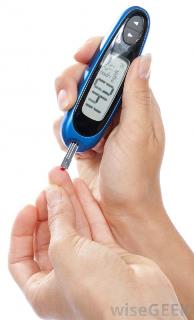
Efecto de los desinfectantes sobre la funcionalidad de los monitores de glucosa

El monitoreo de los niveles de glucosa es parte integran del manejo rutinario de la diabetes. Para minimizar el riesgo de transmisión de patógenos transmisibles por la sangre, el CDC recomienta que los medidores de glucosa sean desinfectados después de cada uso, especialmente cuando es utilizado para pruebas en diferentes pacientes. El objetivo de este estudio es evaluar la compatibilidad de algunos desinfectantes comunes con ciertos sistemas de medición de glucosa en sangre.
Monitoring blood glucose levels is an integral part of routine diabetes management. To minimize the risk of  transmission of bloodborne pathogens during monitoring, the Centers for Disease Control and Prevention (CDC) recommends that glucose meters be disinfected after each use whenever they are used to test multiple patients. The objective of this study is to assess the compatibility of some common disinfectants with certain blood glucose meter systems.
REFERENCIA:
Mahoney JJ and Lim CG, Effect of Disinfectants on Glucose Monitors. J Diabetes Sci Technol. 2012 January; 6(1): 81–85.

miércoles, 12 de junio de 2013

Transporte de sustancias infecciosas

Transportation fo Dangerous
Goods  Bulletin
El gobierno de Canadá acaba de publicar una guía (en inglés) para el empaque y envío de sustancias peligrosas que pueden descargar aqui
This Bulletin explains the requirements of the Transportation Dangerous Goods (TDG) Regulations when shipping infectious substances. It does not change, create, amend or allow deviations from the Transportation Dangerous Goods (TDG) Regulations. For specific details, consult the TDG Regulations.
 Las regulaciones para 2013-2014 de la Organización Mundial de la salud, fueron publicadas desde enero de este año, y pueden verlas aquí.
This publication provides information for identifying, classifying, marking, labelling, packaging, documenting and refrigerating infectious substances for transportation and ensuring their safe delivery. The document provides practical guidance to facilitate compliance with applicable international regulations for the transport of infectious substances by all modes of transport, both nationally and internationally.

lunes, 10 de junio de 2013

ABSA Conference Kansas City 2013

ABSA KC Banner
The 56th Annual Biological Safety Conference program will be online soon at http://www.absaconference.org
The Conference will be October 17-23, 2013 at the Sheraton Kansas City Hotel at Crown Center in Kansas City, Missouri.
The Conference will highlight 4 full days and over 30 Preconference Courses and 3 full days of the Scientific Program. Please note: Due to a marathon in Kansas City during the time of our conference, it is suggested you make your hotel reservations soon to ensure a room in the conference hotel. Hotel deadline is September 30, 2013

lunes, 27 de mayo de 2013

5to. Simposio de Bioseguridad y Biocustodia

  • El programa detallado de cursos presimposio, reuniones, conferencias, mesas de discusión y todo lo referente al programa académico y comercial está en la página www.sibb.info
  • Los costos puede consultarlos en la página de "Inscripción". 
  • El registro a cada uno de estos eventos debe realizarse en la página www.amexbio.wildapricot.org
  • El programa preeliminas de cursos y simposio se puede DESCARGAR AQUI.
  • Los trabajos aceptados ya se encuentran publicados aquí.
  • Información sobre la sede aquí.

martes, 21 de mayo de 2013

Fundamentos de Ventilación e Ingeniería para Laboratorios de Bioseguridad

Invitación al Curso Pre-simposio:
"Fundamentos de Ventilación e Ingeniería para Laboratorios de Bioseguridad"
Impartido por el Ing. Juan Osorio, Director de Operaciones en World BioHazTec Corp.
Fecha:  Jueves 6 de junio de 2013. Horario 2 a 6 pm
Edificio Central de la Universidad de Guanajuato, Guanajuato.
Objetivos:
- Definir términos básicos y ecuaciones implicadas en la ventilación
- Explicar los componentes termodinámicos en un laboratorio de contención biológica
- Explicar los requerimientos de extracción para campanas de extracción de gases y cabinas de seguridad biológica
- Explicar los principios de control de la ventilación y flujo de aire
- Discutir los requerimientos de relación de presiones diferenciales
Inscripciones e información en
http://tinyurl.com/ny7h5lm
www.sibb.info
www.amexbio.org

lunes, 20 de mayo de 2013

Antiseptics and Disinfectants: Activity, Action, and Resistance

Antiseptics and disinfectants are used extensively in hospitals and other health care settings for a variety of topical and hard-surface applications. In particular, they are an essential part of infection control practices and aid in the prevention of nosocomial infections (277, 454). Mounting concerns over the potential for microbial contamination and infection risks in the food and general consumer markets have also led to increased use of antiseptics and disinfectants by the general public. A wide variety of active chemical agents (or “biocides”) are found in these products, many of which have been used for hundreds of years for antisepsis, disinfection, and preservation (39). Despite this, less is known about the mode of action of these active agents than about antibiotics. In general, biocides have a broader spectrum of activity than antibiotics, and, while antibiotics tend to have specific intracellular targets, biocides may have multiple targets. The widespread use of antiseptic and disinfectant products has prompted some speculation on the development of microbial resistance, in particular crossresistance to antibiotics. This review considers what is known about the mode of action of, and mechanisms of microbial resistance to, antiseptics and disinfectants and  attempts, wherever possible, to relate current knowledge to the clinical environment.
A summary of the various types of biocides used in antiseptics and disinfectants, their chemical structures, and their clinical uses is shown in Table 1. It is important to note that many of these biocides may be used singly or in combination in a variety of products which vary considerably in activity against microorganisms. Antimicrobial activity can be influenced by many factors such as formulation effects, presence of an organic load, synergy, temperature, dilution, and test method. These issues are beyond the scope of this review and are discussed elsewhere (123, 425, 444, 446, 451).
REFERENCE:
McDonnell G, Russell AD. Antiseptics and Disinfectants: Activity, Action, and Resistance. Clin. Microb. Rev. 1999. 12(1):147–179.


jueves, 16 de mayo de 2013

#Popocatépetl: Riesgos de la ceniza volcánica

Popocatépetl, Mayo 16, 2013
Las recientes erupciones del volcán Popocatépetl nos hacen recordar los riesgos de la inhalación de la ceniza volcánica. La ceniza volcánica es roca pulverizada, minerales y vidrio volcánico de tamaño menor a 2 mm, aunque en muchas ocasiones se incluye a partículas de mayor tamaño. La ceniza se forma durante los procesos explosivos de los volcanes y que son lanzados de forma violenta a la atmósfera, generalmente acompañado de gases tóxicos y rocas. La ceniza volcánica es extremadamente abrasiva y no se disuelve en agua. Debido a su pequeño tamaño y la gran altura que alcanzan durante las explosiones, estas puedes dispersarse a muchos kilómetros a la redonda de los volcanes.
Popocatépetl, Mayo 16, 2013
Entre los riesgos principales de estas partículas se encuentran:
  1. Contaminación de fuentes de agua.
  2. Alteración de las fuentes de suministro eléctrico.
  3. Daño a componentes mecánicos y eléctricos de aviones.
  4. Afectaciones a las vías de comunicación terrestre.
  5. Alteraciones a las comunicaciones.
  6. Afectaciones a estructuras de casas y edificios. 
  7. Afectaciones ambientales y la agricultura.
  8. Afectación a la salud humana y animal.
Ceniza volcánica
En este último punto es muy importante mencionar que todas aquellas partículas de un tamaño menor a 10 micras de diámetro son inhalables y que se pueden depositar en los pulmones, causando síntomas respiratorios de severos a graves, especialmente dificultad para respirar. Pero además pueden causar enfermedades crónicas y cáncer, por inhalación de sílica cristalina (silicosis). Estudios han revelado que el 25% de las partículas que son expulsadas por los volcanes, son menores a 10 micras.
La mejor protección contra la ceniza volcánica son las mascarillas N95 ó N100, ya que son desechables, ligeras y de alta eficiencia de filtración.

Ceniza volcánica.
REFERENCIAS:
    1. Horwell CJ & Baxter PJ. The respiratory health hazards of volcanic ash: a review for volcanic risk mitigation. Bull Volcanol 2006; DOI 10.1007/s00445-006-0052-y
    2. El tamaño de las partículas.
    3. Máscaras protectoras de polvo para protegerse de las cenizas volcánicas
    4. Semáforo de alerta volcánica 
    5. CENAPRED.
    6. #Popocatépetl: Protección respiratoria contra la ceniza volcánica 
    7. ¿Mascarillas o respiradores? ¿Que debo usar?
    8. Durante la erupción del volcán
      Merapi en Bali, Indonesia
    9. Many types of hazards are associated with volcanoes 
    10. Las personas con enfermedades respiratorias son más vulnerables a los efectos de la ceniza, informa la OMS


    Microfotografía de una
    partícula volcánica
    Acciones de limpieza de ceniza,
    volcán Tungurahua, Ecuador.
    Durante la erupción del volcán
    Merapi en Bali, Indonesia.


    Durante la erupción del volcán
    Eyjafjallajökull en Islandia


    Mascarilla N95


    Durante la erupción del volcán
    Merapi en Bali, Indonesia


    Human coronaviruses: insights into environmental resistance and its influence on the development of new antiseptic strategies

    The Coronaviridae family, an enveloped RNA virus family, and, more particularly, human coronaviruses (HCoV), were historically known to be responsible for a large portion of common colds and other upper respiratory tract infections. HCoV are now known to be involved in more serious respiratory diseases, i.e. bronchitis, bronchiolitis or pneumonia, especially in young children and neonates, elderly people and immunosuppressed patients. They have also been involved in nosocomial viral infections. In 2002-2003, the outbreak of severe acute respiratory syndrome (SARS), due to a newly discovered coronavirus, the SARS-associated coronavirus (SARS-CoV); led to a new awareness of the medical importance of the Coronaviridae family. This pathogen, responsible for an emerging disease in humans, with high risk of fatal outcome; underline the pressing need for new approaches to the management of the infection, and primarily to its prevention. Another interesting feature of coronaviruses is their potential environmental resistance, despite the accepted fragility of enveloped viruses. Indeed, several studies have described the ability of HCoVs (i.e. HCoV 229E, HCoV OC43 (also known as betacoronavirus 1), NL63, HKU1 or SARS-CoV) to survive in different environmental conditions (e.g. temperature and humidity), on different supports found in hospital settings such as aluminum, sterile sponges or latex surgical gloves or in biological fluids. Finally, taking into account the persisting lack of specific antiviral treatments (there is, in fact, no specific treatment available to fight coronaviruses infections), the Coronaviridae specificities (i.e. pathogenicity, potential environmental resistance) make them a challenging model for the development of efficient means of prevention, as an adapted antisepsis-disinfection, to prevent the environmental spread of such infective agents. This review will summarize current knowledge on the capacity of human coronaviruses to survive in the environment and the efficacy of well-known antiseptic-disinfectants against them, with particular focus on the development of new methodologies to evaluate the activity of new antiseptic-disinfectants on viruses.
    REFERENCIAS:
    Geller C, Varbanov M, Duval RE. Human coronaviruses: insights into environmental resistance and its influence on the development of new antiseptic strategies. Viruses. 2012 Nov 12;4(11):3044-68.

    lunes, 13 de mayo de 2013

    Uso del micro-incinerador para evitar la formación de aerosoles en bacteriología

    El uso de mecheros Bunsen es sólo uno de los equipos formadores de aerosoles y de riesgo en los laboratorios. Aunque las referencias sobre el uso de los microincineradores que existen son contadas y han caído un poco en el olvido. El uso de mecheros de bunsen dentro de las cabinas son dos problemas, primero, que tienen la capacidad de romper los flujos de aire dentro de las cabinas poniendo en riesgo al personal que trabaja y, segundo, es que se han reportado accidentes graves, incluyendo explosiones. Las historias de personas que quieren "asegurarse" de que sus muestras están estériles dentro de la campana no son raras.
    Un microincinerador es un equipo, que a diferencia del mechero de Bunsen, tiene un cilíndro que es supercalentado y que permite la esterilización de asas de cultivo. La mayoría son eléctricos y tienen la ventaja que durante el proceso de incineración se evitan la aerosolización de los materiales presentes en las asas bacteriológicas. Existen mucho modelos, pero tienen la ventaja que pueden utilizarse dentro de las cabinas de seguridad biológica, a diferencia de los mecheros, ya que estos alteran los flujos de aire y están contraindicados. Estos microincineradores alcanzan temperaturas de al menos 800°C, matando microorganismos en los primeros 5-10 segundos. Otra alternativa es usar asas bacteriológicas desechables en lugar de mecheros de Bunsen.


    Referencias:
    1. Rutter DA, Evans CGT. Aerosol Hazards from Some Clinical Laboratory Apparatus. British Medical Journal, 1972, 1, 594-597.
    2. Thiago de Mello M. A simple microincinerator.  Mem. Inst. Oswaldo Cruz 1955; 53 (1). 
    3. Kenny MT, Sabel FL. Particle size distribution of Serratia marcescens aerosols created during common laboratory procedures and simulated laboratory accidents. Appl Microbiol. 1968 Aug;16(8):1146-50.

    jueves, 9 de mayo de 2013

    Inactivation of an enterovirus by airborne disinfectants

    BACKGROUND: The activity of airborne disinfectants on bacteria, fungi and spores has been reported. However, the issue of the virucidal effect of disinfectants spread by fogging has not been studied thoroughly.
    METHODS: A procedure has been developed to determine the virucidal activity of peracetic acid-based airborne disinfectants on a resistant non-enveloped virus poliovirus type 1. This virus was laid on a stainless carrier. The products were spread into the room by hot fogging at 55°C for 30 minutes at a concentration of 7.5 mL.m-3. Poliovirus inoculum, supplemented with 5%, heat inactivated non fat dry organic milk, were applied into the middle of the stainless steel disc and were dried under the air flow of a class II biological safety cabinet at room temperature. The Viral preparations were recovered by using flocked swabs and were titered on Vero cells using the classical Spearman-Kärber CPE reading method, the results were expressed as TCID50.ml-1.
    RESULTS: The infectious titer of dried poliovirus inocula was kept at 105 TCID50.mL-1 up to 150 minutes at room temperature. Dried inocula exposed to airborne peracetic acid containing disinfectants were recovered at 60 and 120 minutes post-exposition and suspended in culture medium again. The cytotoxicity of disinfectant containing medium was eliminated through gel filtration columns. A 4 log reduction of infectious titer of dried poliovirus inocula exposed to peracetic-based airborne disinfectant was obtained.
    CONCLUSIONS: This study demonstrates that the virucidal activity of airborne disinfectants can be tested on dried poliovirus.
    REFERENCE:
    Thevenin T, Lobert PE, Hober D. Inactivation of an enterovirus by airborne disinfectants. BMC Infect Dis. 2013 Apr 15;13:177.

    martes, 7 de mayo de 2013

    ABSA High Containment Laboratory Accreditation Program

    La Asociación Americana de Seguridad Biológica (ABSA) tiene implementado un Programa de Acreditación de Laboratorios que fué desarrollado para Laboratorios Bioseguridad Nivel 3 (BSL3) y Laboratorios de Animales Bioseguridad Nivel 3 (ABSL3). El propósito del programa de acreditación es asegurar que las instalaciones de biocontención tienen implementadas las prácticas necesarias, procedimientos, personal, equipo de protección, animales, plantas y un ambiente para minimizar las potenciales infecciones asociadas al laboratorio. Para mayor información sobre este programa visiten:

    Contamination of Live Virus during Tissue Homogenizing by Ultrasonic Processor and Tissue Disperser

    
    Figure 1. Schematic of tissue homogenization with
    an ultrasonic processor or a tissue disperser.
    OBJECTIVE: To quantitatively evaluate the contamination area and risk of a live pathogen during tissue homogenization by either ultrasonic processor or tissue disperser.
    METHODS: A recombinant Herpes Simplex Virus (rHSV) containing GFP gene was used as the index virus, and fresh liver tissue from healthy mice was used as simulated specimen. After 10% liver homogenate was mixed with rHSV (100 TCID50/0.1 mL) in a 5 mL tube, the stability of rHSV in liver homogenate and influences of an ultrasonic processor and a tissue disperser on viral infectivity were determined by GFP expressions in cell cultures. The contaminating areas of live viruses during homogenization were evaluated by a cell culture-based sedimentary. The contamination radii were counted by measurement of the distance between the operator and the farthest GFP positive well.
    RESULTS: The infectivity of rHSV in 10% liver homogenate maintained almost unchanged after it was incubated at room temperature for 30 min. Treatment with an ultrasonic processor clearly dropped down the virus infectivity, while a disperser not. Obvious spills and slashes of live viruses were observed in processes of homogenization with those two apparatuses. The contamination radii are positively related with sample volume, output energy of operator and handling time.
    CONCLUSION: Homogenizing infectious samples with an ultrasonic processor and a tissue disperser at commonly used conditions caused obvious spills and splashes of live viruses, which possesses high risk to induce Laboratory acquired infections (LAIs).
    REFERENCE:
    Song J. et al. Contamination of Live Virus during Tissue Homogenizing by Ultrasonic Processor and Tissue Disperser. Biomed Environ Sci, 2012; 25(2):167-171
     

    sábado, 4 de mayo de 2013

    Prevención de exposición de paramédicos a patógenos transmitidos por sangre

    Resumen
    Paramédicos atendiendo a un paciente.
    Foto cortesía de 911imaging
    Los paramédicos corren el riesgo de exposición a la sangre cuando atienden a los pacientes. Estas exposiciones conllevan riesgos de infección por agentes patógenos transmitidos por la sangre, como virus de la hepatitis B (VHB), virus de la hepatitis C (VHC) y virus de la inmunodeficiencia humana (VIH), causante del sida. Una encuesta nacional en la que participaron 2,664 paramédicos, aportó información nueva sobre los riesgos de exposición a la sangre e identificó oportunidades para controlar exposiciones y prevenir infecciones en esta profesión.
    Referencia
    Prevención de Exposiciones de Paramédicos a Agentes Patógenos Transmitidos por la Sangre. NIOHS-CDC, USA.