Lista de correo. Espere su aprobación.
Correo electrónico:
Consultar este grupo

lunes, 22 de septiembre de 2014

The durability of examination gloves used on intensive care units

Background: The use of examination gloves is part of the standard precautions to prevent medical staff from transmission of infectious agents between patients. Gloves also protect the staff from infectious agents originating from patients. Adequate protection, however, depends on intact gloves. The risk of perforation of examination gloves is thought to correlate with duration of wearing, yet, only very few prospective studies have been performed on this issue.
Methods: A total number of 1500 consecutively used pairs of examination gloves of two different brands and materials (latex and nitrile) were collected over a period of two months on two ICU’s. Used gloves were examined for micro perforations using the “water-proof-test” according to EN 455–1. Cox-regression for both glove types was used to estimate optimal changing intervals.
Results: Only 26% of gloves were worn longer than 15 min. The total perforation rate was 10.3% with significant differences and deterioration of integrity of gloves between brands (p<0.001). Apart from the brand, “change of wound dressing” (p = 0.049) and “washing patients” (p = 0.001) were also significantly associated with an increased risk of perforation.
Conclusion: Medical gloves show marked differences in their durability that cannot be predicted based on the technical data routinely provided by the manufacturer. Based on the increase of micro perforations over time and the wearing behavior, recommendations for maximum wearing time of gloves should be given. Changing of gloves after 15 min could be a good compromise between feasibility and safety. HCWs should be aware of the benefits and limitations of medical gloves. To improve personal hygiene hand disinfection should be further encouraged.
Keywords: Hand hygiene, Examination gloves, Micro perforation, Glove change, Intensive care unit, Disinfection, Multi-barrier strategy
REFERENCE:
Hübner NO, et al. The durability of examination gloves used on intensive care units. BMC Infect Dis. 2013; 13: 226.
-----------------------------------------------------------
Sigue este Blog en Facebook y Twitter

viernes, 19 de septiembre de 2014

Reporte de casos de #ébola en trabajadores de la salud en África


En el reporte publicado el día de ayer, la organización mundial de la salud actualiza los datos de la situación epidemiológica del ébola en África. En resumen, existen 5335 casos reportados (probables, confirmados y sospechosos), con 2622 muertes hasta el 14/Sep/2014. Los países afectados son Guinea (942 casos, 601 muertes), Liberia (2710 casos, 1459 muertes), Sierra Leona (1673 casos, 562 muertes), Nigeria (21 casos, 8 muertes), y Senegal (1 caso, 0 muertes).
Dentro del reporte se hace mención de los casos registrados en trabajadores de la salud, que como resultado del trabajo de atención a pacientes con ébola, han resultado infectados con ébola. En el reporte de situación por países, claramente el país mas afectado es Liberia con 85 muertes de 172 casos reportados. En total de todos los países se han reportado 151 muertes de 318 casos de ébola. 
Los casos de los trabajares de la salud, es por lo tanto una de las más alarmantes, dado que son ellos quienes realizan las funciones del control de la epidemia, atención y cuidado de pacientes. Sin trabajadores de la salud, difícilmente podrá controlarse la epidemia, agravado por el hecho de que estos países cuentan con muy bajo número de médicos y enfermeras.

Tabla. Resumen de infecciones por ébola en trabajadores de la salud. 14/Sep/2014. 
PAÍS MUERTES       CASOS
Guinea     30         61
Liberia     85        172
Nigeria     5        11
Sierra Leona     31        74
TOTAL     151        318

REFERENCIA
WHO: Ebola Response Roadmap Situation Report 18 September 2014
REPORTE DE CASOS ACTUALIZADO WHO: Ebola Response Roadmap Situation Report 24 September 2014
-----------------------------------------------------------
Sigue este Blog en Facebook y Twitter

Fatal meningococcal disease in a laboratory worker - california, 2012

Occupationally acquired meningococcal disease is rare. Adherence to recommendations for safe handling of Neisseria meningitidis in the laboratory greatly reduces the risk for transmission to laboratory workers. A California microbiologist developed fatal serogroup B meningococcal disease after working with N. meningitidis patient isolates in a research laboratory (laboratory A). The California Department of Public Health (CDPH), the local health department, the California Division of Occupational Safety and Health (CalOSHA), and the federal Occupational Safety and Health Administration (OSHA) collaborated on an investigation of laboratory A, which revealed several breaches in recommended laboratory practice for safe handling of N. meningitidis, including manipulating cultures on the bench top. Additionally, laboratory workers had not been offered meningococcal vaccine in accordance with Advisory Committee on Immunization Practices (ACIP) recommendations and CalOSHA Aerosol Transmissible Diseases Standard requirements. In accordance with OSHA and CalOSHA regulations, laboratory staff members must receive laboratory biosafety training and use appropriate personal protective equipment, and those who routinely work with N. meningitidis isolates should receive meningococcal vaccine.
REFERENCE:
Sheets CD, et al. Fatal meningococcal disease in a laboratory worker - california, 2012. MMWR Morb Mortal Wkly Rep. 2014 Sep 5;63(35):770-2.
----------------------------------------------------------
Sigue este Blog en Facebook y Twitter

viernes, 12 de septiembre de 2014

UNICEF recruiting healthcare workers & other specialists

Ebola Crisis Response

The current crisis in West Africa is the largest Ebola outbreak ever reported, with 26 million people, including over 4.5 million children living in affected areas.

UNICEF is on the ground, working with community and religious leaders, youth organizations and others to fight widespread misconceptions about the disease and improve hygiene practices. UNICEF is also providing water and sanitation services to the affected communities, particularly through the procurement of water, sanitation and hygiene equipment and supplies -- as well as appropriate training for the health and medical partners.

As part of our drive to tackle the Ebola outbreak in West Africa, UNICEF seeks committed professionals, ready to be deployed immediately to countries in the affected area in the domains of Health and Nutrition, Communication for Development and Water and Sanitation.

Do you have the skills, competency and technical knowledge that we seek? Are you available to be deployed on short notice? UNICEF would like to hear from you.

Apply to our vacancies below and help our response to the Ebola crisis.

This page will be updated regularly to reflect our vacancies below in Ebola affected countries.

For more information, or if you have difficulties in applying, contact us at eRecruitment@unicef.org.

Check the full list of vacancies at: 
http://www.unicef.org/about/employ/index_75734.html

lunes, 8 de septiembre de 2014

WHO guidelines on hand hygiene in health care

The WHO guidelines on hand hygiene in health care provide health-care workers (HCWs), hospital administrators and health authorities with a thorough review of evidence on hand hygiene in health care and specific recommendations to improve practices and reduce transmission of pathogenic microorganisms to patients and HCWs.
The present guidelines are intended to be implemented in any situation in which health care is delivered either to a patient or to a specific group in a population. Therefore, this concept applies to all settings where health care is permanently or occasionally performed, such as home care by birth attendants. Definitions of health-care settings are proposed in Appendix 1.
REFERENCE:
WHO guidelines on hand hygiene in health care
descarga opcional
-----------------------------------------------------------
Sigue este Blog en Facebook y Twitter

viernes, 5 de septiembre de 2014

WHO Antimicrobial resistance: global report on surveillance 2014

     Antimicrobial resistance (AMR) threatens the effective prevention and treatment of an ever-increasing range of infections caused by bacteria, parasites, viruses and fungi. An increasing number of governments around the world are devoting efforts to a problem so serious that it threatens the achievements of modern medicine. A post-antibiotic era – in which common infections and minor injuries can kill – far from being an apocalyptic fantasy, is instead a very real possibility for the 21st Century. This WHO report, produced in collaboration with Member States and other partners, provides for the first time, as accurate a picture as is presently possible of the magnitude of AMR and the current state of surveillance globally.
     The report makes a clear case that resistance to common bacteria has reached alarming levels in many parts of the world and that in some settings, few, if any, of the available treatments options remain effective for common infections. Another important finding of the report is that surveillance of antibacterial resistance is neither coordinated nor harmonized and there are many gaps in information on bacteria of major public health importance. Strengthening global AMR surveillance is critical as it is the basis for informing global strategies, monitoring the effectiveness of public health interventions and detecting new trends and threats. As WHO, along with partners across many sectors moves ahead in developing a global action plan to mitigate AMR, this report will serve as a baseline to measure future progress.
REFERENCE:
WHO Antimicrobial resistance: global report on surveillance 2014
     SLIDE SET   |    INFOGRAPHIC   |   SUMMARY
-----------------------------------------------------------
Sigue este Blog en Facebook y Twitter https://www.facebook.com/seguridadbiologica www.twitter.com/klintsy

miércoles, 3 de septiembre de 2014

Reducing Needle Stick Injuries in Healthcare Occupations

oasisdiscussions.ca
Needlestick injuries frequently occur among healthcare workers, introducing high risk of bloodborne pathogen infection for surgeons, assistants, and nurses. This systematic review aims to explore the impact of both educational training and safeguard interventions to reduce needlestick injuries. Several databases were searched including MEDLINE, PsycINFO, SCOPUS, CINAHL and Sciencedirect. Studies were selected if the intervention contained a study group and a control group and were published between 2000 and 2010. Of the fourteen studies reviewed, nine evaluated a double-gloving method, one evaluated the effectiveness of blunt needle, and one evaluated a bloodborne pathogen educational training program. Ten studies reported an overall reduction in glove perforations for the intervention group. In conclusion, this review suggests that both safeguard interventions and educational training programs are effective in reducing the risk of having needlestick injuries. However, more studies using a combination of both safeguards and educational interventions in surgical and nonsurgical settings are needed.
REFERENCE:
Yang L, Mullan B. Reducing needle stick injuries in healthcare occupations: an integrative review of the literature. ISRN Nurs. 2011;2011:315432.
-------------------------------------------------
Sigue este Blog en Facebook y Twitter

martes, 2 de septiembre de 2014

Infection Control During Filoviral Hemorrhagic Fever Outbreaks #Ebola

Breaking the human-to-human transmission cycle remains the cornerstone of infection control during filoviral (Ebola and Marburg) hemorrhagic fever outbreaks. This requires effective identification and isolation of cases, timely contact tracing and monitoring, proper usage of barrier personal protection gear by health workers, and safely conducted burials. Solely implementing these measures is insufficient for infection control; control efforts must be culturally sensitive and conducted in a transparent manner to promote the necessary trust between the community and infection control team in order to succeed. This article provides a review of the literature on infection control during filoviral hemorrhagic fever outbreaks focusing on outbreaks in a developing setting and lessons learned from previous outbreaks. The primary search database used to review the literature was PUBMED, the National Library of Medicine website.

REFERENCES:
  1. Raabea VN, Borcherta M. Infection control during filoviral hemorrhagic Fever outbreaks. J Glob Infect Dis. 2012 Jan;4(1):69-74.
  2. CDC Interim Guidance for Environmental Infection Control in Hospitals for Ebola Virus
  3. WHO Interim Infection Prevention and Control Guidance for Care of Patients with Suspected or Confirmed Filovirus Haemorrhagic Fever  in Health-Care Settings, with Focus on Ebola => DESCARGA OPCIONAL
  4. Health Canada. Interim Biosafety Guidelines for Laboratories Handling Specimens from Patients Under Investigation for Ebola Virus Disease
-----------------------------------------------------------
Sigue este Blog en Facebook y Twitter

jueves, 28 de agosto de 2014

.@WHO & CDC Interim Guidelines for #Ebola

CDC ebola print resources
This document provides a summary of infection prevention and control (IPC) measures for those providing direct and non-direct care to patients with suspected or confirmed cases of Filovirus haemorrhagic fever (HF), including Ebola or Marburg haemorrhagic fevers, in health-care facilities (HCFs). It also includes some instructions and directions for those managing the implementation of IPC activities. These IPC measures should be applied not only by health-care professionals but by anyone in direct contact with patients (e.g., visitors, family members, volunteers), as well as by those not in contact with patients but potentially exposed the virus through contact with the environment (e.g., c leaners, laundry, house-keepers, security).
-----------------------------------------------------------
Sigue este Blog en Facebook y Twitter

martes, 26 de agosto de 2014

Safe management of wastes from healthcare activities - Second edition

The waste produced in the course of health-care activities, from contaminated needles to radioactive isotopes, carries a greater potential for causing infection and injury than any other type of waste, and inadequate or inappropriate management is likely to have serious public health consequences and deleterious effects on the environment. This handbook – the result of extensive international consultation and collaboration – provides comprehensive guidance on safe, efficient, and environmentally sound methods for the handling and disposal of health-care wastes in normal situations and emergencies. Future issues such as climate change and the changing patterns of diseases and their impacts on health-care waste management are also discussed.
For health-care settings in which resources are severely limited, the handbook pays particular attention to basic processes and technologies that are not only safe, but also affordable, sustainable, and culturally appropriate. The guide is aimed at public health managers and policy-makers, hospital managers, environmental health professionals, and all administrators with an interest in and responsibility for waste management. Its scope is such that it will find application in developing and developed countries alike.
REFERENCIA:
Safe management of wastes from healthcare activities - Second edition
DESCARGA OPCIONAL
Edited by Yves Chartier, Jorge Emmanuel, Ute Pieper,Annette Prüss,
Philip Rushbrook, Ruth Stringer, William Townend,
Susan Wilburn and Raki Zghondi.
© 2014, WHO
ISBN 978 92 4 154856 4
-----------------------------------------------------------
Sigue este Blog en Facebook y Twitter
lunes, 25 de agosto de 2014

viernes, 22 de agosto de 2014

IFBA Certification of Biorisk Management Professionals

DESCARGAR 
Certification Program
Ensuring Quality Biorisk Management 
Through  Certification of Professionals
The International Federation of Biosafety Associations (IFBA) is launching a new certification program for biorisk management and biosafety professionals worldwide. This distinctive program strives to fulfill our mission of “safe, secure and responsible work with biological materials” by advancing the body of knowledge and increasing the competency of our profession. IFBA’s certificants bring increased value to their employers by demonstrating competence to carry out their responsibilities and by achieving high standards of excellence, professionalism, and continuous learning. By earning certifications from the IFBA, individuals reap the benefits of safer workplaces, career advancement, and international recognition among colleagues.
Professional certifications are offered in the following technical disciplines:

  • Biorisk Management (Pre-requisite certification for all others)
  • Biological Waste Management
  • Biocontainment Laboratory Design & Maintenance (coming soon)
  • Laboratory Biosecurity (coming soon)
  • Biological Safety Cabinets (coming soon)

For further information please visit www.internationalbiosafety.org
----------------------------------------------------------
Sigue este Blog en Facebook y Twitter

jueves, 21 de agosto de 2014

The International #Ebola Emergency

On August 8, 33 weeks into the longest, largest, and most widespread Ebola outbreak on record, the World Health Organization (WHO) declared the epidemic to be a Public Health Emergency of International Concern (PHEIC). This declaration was not made lightly. A PHEIC is an instrument of the International Health Regulations (IHR) — a legally binding agreement made by 196 countries on containment of major international health threats.
The August 8 statement made by WHO Director-General Margaret Chan followed advice from the independent IHR Emergency Committee. Reviewing all the available evidence, the committee concluded that further international spread of Ebola could have serious consequences. Their concern was based on the continuing transmission of Ebola in West African communities and health facilities, the high case fatality rate of Ebola virus disease (EVD), and the weak health services of Guinea, Liberia, Sierra Leone, Nigeria, and other neighboring countries at risk for infection.
REFERENCIA

Briand S. et al. The International Ebola Emergency. NEJM 2014.

lunes, 18 de agosto de 2014

¿Cómo ayudar al control de la epidemia de #ébola?

 Por Klintsy Torres
DESCARGAR POSTER
El virus del ébola es muy contagioso, y el 54% de las personas infectadas en la actual epidemia del ébola han muerto. Los países africanos más afectados son Guinea, Liberia y Sierra Leona. Y a pesar de los esfuerzo, la epidemia no disminuye.
El principal problema es la falta de equipo de protección personal, tan básico como guantes y batas. Muchos trabajadores de la salud ha muerto por falta de equipo de protección, o han cerrado los centros de atención por miedo al virus. Pero también hace mucha falta personal médico entrenado que atienda a los pacientes enfermos, pero también que se dedique a buscar contactos de las personas.
Desafortunadamente, no podremos enviar guantes o mascarillas por correo a la gente que esta haciendo la batalla, pero si podemos ayudar a las organizaciones que día a día trabajan para el control de la epidemia. Apelo a las buenas intenciones de las personas que leen este blog, y que saben que nuestro trabajo es, ha sido y seguirá siendo sin ánimos de lucro.

Crowdfunding para el la atención de pacientes con ébola 
en áreas rurales en Kono, Sierra Leona: 
    Regala una caja de guantes!! Por eso, aquí una lista de las organizaciones, que enviando a su gente, intentan controlar esta epidemia, pero que necesitan fondos para ampliar su ayuda:
  1. Cruz Roja Británica. Está colectando fondos, que van directamente a gastos para el control de la epidemia. Si después de que la emergencia ha terminado, los fondos restantes serán utilizados en otras emergencias humanitarias. 
  2. Médicos Sin Fronteras México y Médecins Sans Frontiers (Internacional). Los fondos son canalizados al fondo global de emergencias, pero que son usados activamente en las emergencias actuales, incluyendo la epidemia de ébola. 
  3. UNICEF. Los donativos, cuando son otorgados como "Where most needed", van al fondo de emergencias, que además reciben fondos del Fondo Central de Respuestas de Emergencias de la ONU. Los donativos directos de México están desactivados, pero pueden hacerlo eligiendo "Otros Países". 
  4. AFRICARE. Apoya directamente a la adquisición de equipo de protección personal (EPP) para los trabajadores de la salud en Liberia. 
  5. DIRECT RELIEF. Apoya directamente con envíos de equipo médico y EPP en Liberia y Sierra Leona. Una de las 20 ONGs más eficientes. Hace entregas en especie. 
  6. WELLBODY ALLIANCE. En colaboración con UCSF están realizando un Crowdfunding para el la atención de pacientes con ébola en áreas rurales en Kono, Sierra Leona. https://crowdfund.ucsf.edu/project/53e4f5e60920655b8211663c
  7. Otras organizaciones que están realizando actividades de apoyo al control de la epidemia incluyen: a) ActionAid (UK); b) Samaritans Purse (Asociación cristiana); c) Medical Teams International (apoyo médico in Liberia), d) Giving Global (Sierra Leona); e) CARE (imprime material informativo en Sierra Leona); 
Como DIRECT RELIEF hace notar, una donación de tan sólo 6 dólares ayudan a comprar algo tan esencial como 1 caja de guantes de látex!
Recomendación: Antes de hacer una donación, hagan un poco de investigación, sobre quien va manejar su dinero, es importante que el dinero se utilice en lo que queremos apoyar. Pueden revisar la seriedad de las ONG´s en BBB y Charity Navigator. Si conocen otras organización que realice trabajos para el control del ébola, envíenme un mensaje para ampliar la lista.


REFERENCIAS:

-----------------------------------------------------------
Sigue este Blog en Facebook y Twitter

Evaluation of mycobactericidal activity of selected chemical disinfectants

BACKGROUND: The history of the investigation of standardized mycobactericidal activity of disinfectants and antiseptics is not very long. There is growing interest among the manufacturers of disinfectants in carrying out research on the antimicrobial activities in accordance with European standards (EN). This research could facilitate the introduction of high-quality disinfectants to the market. The aim of this study was to evaluate the mycobactericidal activity of selected chemical disinfectants and antiseptics used in the medical and veterinary fields.
MATERIAL AND METHODS: This study included 19 products submitted to the National Medicines Institute in Poland for evaluation of mycobactericidal activity. These products contain in their composition active substances belonging to different chemical groups, including aldehydes, alcohols, amines, quaternary ammonium compounds, phenols, guanidine, and oxidizing compounds. This study, conducted according to the manufacturers' description of the preparations, was carried out in accordance with European standards, which also met the Polish standards: PN-EN 14204: 2013, PN-EN 14348: 2006, and PN-EN 14563: 2012.
RESULTS: Tested products for disinfection and antiseptics containing active substances from different chemical groups showed high mycobactericidal activity and met the requirements of the appropriate European standards in most cases. In the case of products containing guanidine and amine compounds, the concentration of active ingredients used in the test and the test conditions specified by the manufacturer did not provide the mycobactericidal activity required by the standards.
CONCLUSIONS: Prior to the launch of a new product on the market, it is important to establish the appropriate usage and testing conditions of the preparation, such as its practical concentration, contact time, and environment condition (clean or dirty).
REFERENCIA
Bocian E, Grzybowska W, Tyski S. Evaluation of mycobactericidal activity of selected chemical disinfectants and antiseptics according to European standards. Med Sci Monit. 2014 Apr 22;20:666-73.
-----------------------------------------------------------
Sigue este Blog en Facebook y Twitter

jueves, 14 de agosto de 2014

2007 Guideline for Isolation Precautions: Preventing Transmission of Infectious Agents in Healthcare Settings #ebola


  • GUIDELINE FOR ISOLATION PRECATIONS:

This document is intended for use by infection control staff, healthcare epidemiologists, healthcare administrators, nurses, other healthcare providers, and persons responsible for developing, implementing, and evaluating infection control programs for healthcare settings across the continuum of care. The reader is referred to other guidelines and websites for more detailed information and for recommendations concerning specialized infection control problems.

  • INFECTION PREVENTION AND CONTROL FOR PATIENTS CARE WITH EBOLA:

This document provides a summary of infection control recommendations when providing direct and non-direct care to patients with suspected or confirmed Filovirus haemorrhagic fever (HF), including Ebola or Marburg haemorrhagic fevers. These recommendations are interim and will be updated when additional information becomes available
DOWNLOAD: Interim Infection prevention and control guidance for care of patients with Suspected or Confirmed Filovirus Haemorrhagic fever in health-care settings, with focus on Ebola
-----------------------------------------------------------
Sigue este Blog en Facebook y Twitter

miércoles, 13 de agosto de 2014

Barriers to rapid containment of the #Ebola outbreak

By August 11, 2014, a total of 170 healthcare workers has been infected, 81 have died. 

The outbreak of Ebola virus disease in west Africa continues to evolve in alarming ways, with no immediate end in sight. Many barriers stand in the way of rapid containment.
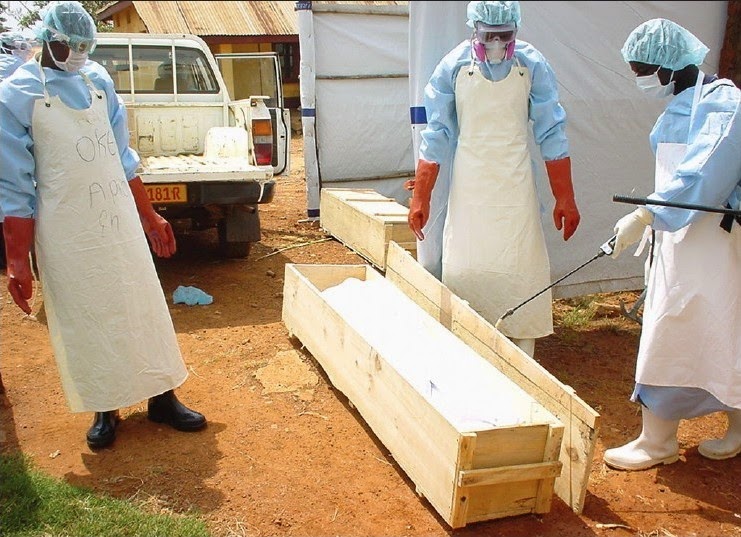
The Ebola virus is highly contagious, but is not airborne. Transmission requires close contact with the bodily fluids of an infected person, as can occur during health-care procedures, home care, or traditional burial practices, which involve the close contact of family members and friends with bodies. 

ESPAÑOL:

El virus del Ebola es uno de los patógenos más virulentos. El equipo de protección personal es esencial, pero escasea. Además es caliente e incómodo, y limita mucho el número de horas que el personal médico y de enfermería puede trabajar en una planta de aislamiento. Según las estimaciones actuales, un centro en el que se estén tratando 70 pacientes necesitará como mínimo 250 profesionales sanitarios.

Ahora que el brote ha cumplido 6 meses, se comprueba que el miedo es el obstáculo más difícil de vencer. El miedo hace que los contactos de los casos escapen al sistema de vigilancia, que las familias escondan a los parientes con síntomas o los lleven a curanderos tradicionales, y que los pacientes huyan de los centros terapéuticos. El miedo y la hostilidad que este puede alimentar han puesto en peligro la seguridad de los equipos de respuesta nacionales e internacionales.

El personal sanitario teme por sus vidas. Hasta la fecha se han infectado más de 170 profesionales sanitarios y al menos 81 han fallecido.

REFERENCE:
En españolhttp://www.who.int/csr/disease/ebola/overview-august-2014/es/
-----------------------------------------------------------
Sigue este Blog en Facebook y Twitter
  

lunes, 11 de agosto de 2014

CDC´s #Ebola Virus Disease Information for Clinicians

The Centers for Disease Control and Prevention is working closely with the World Health Organization and other partners to better understand and manage the public health risks posed by Ebola virus disease (EVD). As of August 10, 2014, no EVD cases have occurred in the United States. The purpose of this document is to provide updated information about EVD to clinicians working in U.S. hospitals and health clinics. Includes:
  • Clinical Presentation and Clinical Course
  • Pathogenesis
  • Laboratory Findings
  • Initial evaluation of patients known or suspected to have EVD
  • Treatment
REFERENCE:
Ebola Virus Disease Information for Clinicians in U.S. Healthcare Settings

VEA TAMBIEN:
La OPS/OMS llama a países de las Américas a estar vigilantes y prepararse ante la potencial introducción del virus del Ébola
-----------------------------------------------------------
Follow us in Facebook & Twitter

Decontamination Efficacy Sporicidal Disinfectants Contaminated with Spores of #anthrax

In the event of a wide area release and contamination of a biological agent in an outdoor environment and to building exteriors, decontamination is likely to consume the Nation's remediation capacity, requiring years to cleanup, and leading to incalculable economic losses. This is in part due to scant body of efficacy data on surface areas larger than those studied in a typical laboratory (5×10-cm), resulting in low confidence for operational considerations in sampling and quantitative measurements of prospective technologies recruited in effective cleanup and restoration response. In addition to well-documented fumigation-based cleanup efforts, agencies responsible for mitigation of contaminated sites are exploring alternative methods for decontamination including combinations of disposal of contaminated items, source reduction by vacuuming, mechanical scrubbing, and low-technology alternatives such as pH-adjusted bleach pressure wash. If proven effective, a pressure wash-based removal of Bacillus anthracis spores from building surfaces with readily available equipment will significantly increase the readiness of Federal agencies to meet the daunting challenge of restoration and cleanup effort following a wide-area biological release. In this inter-agency study, the efficacy of commercial-of-the-shelf sporicidal disinfectants applied using backpack sprayers was evaluated in decontamination of spores on the surfaces of medium-sized (∼1.2 m2) panels of steel, pressure-treated (PT) lumber, and brick veneer. Of the three disinfectants, pH-amended bleach, Peridox, and CASCAD evaluated; CASCAD was found to be the most effective in decontamination of spores from all three panel surface types.
REFERENCE:
Edmonds JM, Sabol JP, Rastogi VK. Decontamination efficacy of three commercial-off-the-shelf (COTS) sporicidal disinfectants on medium-sized panels contaminated with surrogate spores of Bacillus anthracis. PLoS One. 2014 Jun 18;9(6):e99827.

-----------------------------------------------------------
Sigue este Blog en Facebook y Twitter

viernes, 8 de agosto de 2014

Guías y hojas para el manejo del #ébola

A number of guidelines and training tools are available from the WHO and have been posted on the emerging issues resources section of the International Federation of Biosafety Associations (IFBA) website as follows:
---------------------------------------------------------
En la página de la Organización Panamericana de la Salud pueden encontrar adicionalmente los siguientes materiales:

-----------------------------------------------------------
Sigue este Blog en Facebook y Twitter

#LIBRO: Science Needs for Microbial Forensics

Microbial forensics is a scientific discipline dedicated to analyzing evidence from a bioterrorism act, biocrime, or inadvertent microorganism or toxin release for attribution purposes. This emerging discipline seeks to offer investigators the tools and techniques to support efforts to identify the source of a biological threat agent and attribute a biothreat act to a particular person or group. Microbial forensics is still in the early stages of development and faces substantial scientific challenges to continue to build capacity.
The unlawful use of biological agents poses substantial dangers to individuals, public health, the environment, the economies of nations, and global peace. It also is likely that scientific, political, and media-based controversy will surround any investigation of the alleged use of a biological agent, and can be expected to affect significantly the role that scientific information or evidence can play. For these reasons, building awareness of and capacity in microbial forensics can assist in our understanding of what may have occurred during a biothreat event, and international collaborations that engage the broader scientific and policy-making communities are likely to strengthen our microbial forensics capabilities. One goal would be to create a shared technical understanding of the possibilities - and limitations - of the scientific bases for microbial forensics analysis.
REFERENCE:
National Research Council. Science Needs for Microbial Forensics: Initial International Research Priorities. Washington, DC: The National Academies Press, 2014.
Free download when register.
-----------------------------------------------------------
Sigue este Blog en Facebook y Twitter

jueves, 7 de agosto de 2014

Evaluation of transmission risks associated with in vivo replication of several high containment pathogens in a biosafety level 4 laboratory #EBOLA

Containment level 4 (CL4) laboratories studying biosafety level 4 viruses are under strict regulations to conduct nonhuman primate (NHP) studies in compliance of both animal welfare and biosafety requirements. NHPs housed in open-barred cages raise concerns about cross-contamination between animals, and accidental exposure of personnel to infectious materials. To address these concerns, two NHP experiments were performed. One examined the simultaneous infection of 6 groups of NHPs with 6 different viruses (Machupo, Junin, Rift Valley Fever, Crimean-Congo Hemorrhagic Fever, Nipah and Hendra viruses). Washing personnel between handling each NHP group, floor to ceiling biobubble with HEPA filter, and plexiglass between cages were employed for partial primary containment. The second experiment employed no primary containment around open barred cages with Ebola virus infected NHPs 0.3 meters from naïve NHPs. Viral antigen-specific ELISAs, qRT-PCR and TCID50 infectious assays were utilized to determine antibody levels and viral loads. No transmission of virus to neighbouring NHPs was observed suggesting limited containment protocols are sufficient for multi-viral CL4 experiments within one room. The results support the concept that Ebola virus infection is self-contained in NHPs infected intramuscularly, at least in the present experimental conditions, and is not transmitted to naïve NHPs via an airborne route.

REFERENCE:
Alimonti J, et al. Evaluation of transmission risks associated with in vivo replication of several high containment pathogens in a biosafety level 4 laboratory. Scientific Reports 4, Article number: 5824.
-----------------------------------------------------------
Sigue este Blog en Facebook y Twitter

miércoles, 6 de agosto de 2014

Transmission of #Ebola virus from pigs to non-human primates

Ebola viruses (EBOV) cause often fatal hemorrhagic fever in several species of simian primates including human. While fruit bats are considered natural reservoir, involvement of other species in EBOV transmission is unclear. In 2009, Reston-EBOV was the first EBOV detected in swine with indicated transmission to humans. In-contact transmission of Zaire-EBOV (ZEBOV) between pigs was demonstrated experimentally. Here we show ZEBOV transmission from pigs to cynomolgus macaques without direct contact. Interestingly, transmission between macaques in similar housing conditions was never observed. Piglets inoculated oro-nasally with ZEBOV were transferred to the room housing macaques in an open inaccessible cage system. All macaques became infected. Infectious virus was detected in oro-nasal swabs of piglets, and in blood, swabs, and tissues of macaques. This is the first report of experimental interspecies virus transmission, with the macaques also used as a human surrogate. Our finding may influence prevention and control measures during EBOV outbreaks.
REFERENCE:
Weingartl HM et al. Transmission of Ebola virus from pigs to non-human primates. Scientific Reports 2 (2012), Article number: 811 doi:10.1038/srep00811
COMMENT ON:
Are we *sure* Ebola isn’t airborne?
-----------------------------------------------------------
Sigue este Blog en Facebook y Twitter

martes, 5 de agosto de 2014

Enfermedad por el virus del #Ebola

Nota descriptiva n.°103. OMS
  • El virus del Ebola causa en el ser humano la enfermedad homónima (antes conocida como fiebre hemorrágica del Ebola).
  • Los brotes de enfermedad por el virus del Ebola (EVE) tienen una tasa de letalidad que puede llegar al 90%.
  • Los brotes de EVE se producen principalmente en aldeas remotas de África central y occidental, cerca de la selva tropical.
  • El virus es transmitido al ser humano por animales salvajes y se propaga en las poblaciones humanas por transmisión de persona a persona.
  • Se considera que los huéspedes naturales del virus son los murciélagos frugívoros de la familia Pteropodidae.
  • No hay tratamiento específico ni vacuna para las personas ni los animales.
Para ver el artículo completo siga el siguiente link
-----------------------------------------------------------
Sigue este Blog en Facebook y Twitter

lunes, 4 de agosto de 2014

International Society for the Advancement of Cytometry Cell Sorter #Biosafety Standards

Flow cytometric cell sorting of biological specimens has become prevalent in basic and clinical research laboratories. These specimens may contain known or unknown infectious agents, necessitating precautions to protect instrument operators and the environment from biohazards arising from the use of sorters. To this end the International Society of Analytical Cytology (ISAC) was proactive in establishing biosafety guidelines in 1997 (Schmid et al., Cytometry 1997;28:99–117) and subsequently published revised biosafety standards for cell sorting of unfixed samples in 2007 (Schmid et al., Cytometry Part A J Int Soc Anal Cytol 2007;71A:414–437). Since their publication, these documents have become recognized worldwide as the standard of practice and safety precautions for laboratories performing cell sorting experiments. However, the field of cytometry has progressed since 2007, and the document requires an update. The new Standards provides guidance: (1) for laboratory design for cell sorter laboratories; (2) for the creation of laboratory or instrument specific Standard Operating Procedures (SOP); and (3) on procedures for the safe operation of cell sorters, including personal protective equipment (PPE) and validation of aerosol containment.
REFERENCE:
Kevin L. Holmes, et al. International Society for the Advancement of Cytometry Cell Sorter Biosafety StandardsCytometry A. 2014 May; 85(5): 434–453. 
-----------------------------------------------------------
Sigue este Blog en Facebook y Twitter