
La Secretaría de Salud reitera la recomendación de evitar viajes no esenciales a Guinea, Liberia, Sierra Leona, Nigeria y Senegal debido a la evolución del brote de Enfermedad por el Virus del Ébola.
Sigue este Blog en Facebook y Twitter

 |
| Green Healthcare |

 |
| Publication details Number of pages: 28 Publication date: 2009 Languages: English |


| PAÍS | MUERTES | CASOS |
| Guinea | 30 | 61 |
| Liberia | 85 | 172 |
| Nigeria | 5 | 11 |
| Sierra Leona | 31 | 74 |
| TOTAL | 151 | 318 |
 Occupationally acquired meningococcal disease is rare. Adherence to recommendations for safe handling of Neisseria meningitidis in the laboratory greatly reduces the risk for transmission to laboratory workers. A California microbiologist developed fatal serogroup B meningococcal disease after working with N. meningitidis patient isolates in a research laboratory (laboratory A). The California Department of Public Health (CDPH), the local health department, the California Division of Occupational Safety and Health (CalOSHA), and the federal Occupational Safety and Health Administration (OSHA) collaborated on an investigation of laboratory A, which revealed several breaches in recommended laboratory practice for safe handling of N. meningitidis, including manipulating cultures on the bench top. Additionally, laboratory workers had not been offered meningococcal vaccine in accordance with Advisory Committee on Immunization Practices (ACIP) recommendations and CalOSHA Aerosol Transmissible Diseases Standard requirements. In accordance with OSHA and CalOSHA regulations, laboratory staff members must receive laboratory biosafety training and use appropriate personal protective equipment, and those who routinely work with N. meningitidis isolates should receive meningococcal vaccine.


 |
| oasisdiscussions.ca |
 |
| CDC ebola print resources |

 |
| DESCARGAR |
The International Federation of Biosafety Associations (IFBA) is launching a new certification program for biorisk management and biosafety professionals worldwide. This distinctive program strives to fulfill our mission of “safe, secure and responsible work with biological materials” by advancing the body of knowledge and increasing the competency of our profession. IFBA’s certificants bring increased value to their employers by demonstrating competence to carry out their responsibilities and by achieving high standards of excellence, professionalism, and continuous learning. By earning certifications from the IFBA, individuals reap the benefits of safer workplaces, career advancement, and international recognition among colleagues.Certification ProgramEnsuring Quality Biorisk ManagementThrough Certification of Professionals

 El virus del ébola es muy contagioso, y el 54% de las personas infectadas en la actual epidemia del ébola han muerto. Los países africanos más afectados son Guinea, Liberia y Sierra Leona. Y a pesar de los esfuerzo, la epidemia no disminuye.
1,400 Are Dead From #Ebola and We Need Help, Says Doctors Without Borders President http://t.co/rOT35md4he
— Bioseguridad (@Klintsy) agosto 23, 2014
ONU y OMS prometen medios "sin precedentes" contra #ébola en Liberia http://t.co/FUXbkYU9Jf
— Bioseguridad (@Klintsy) agosto 23, 2014


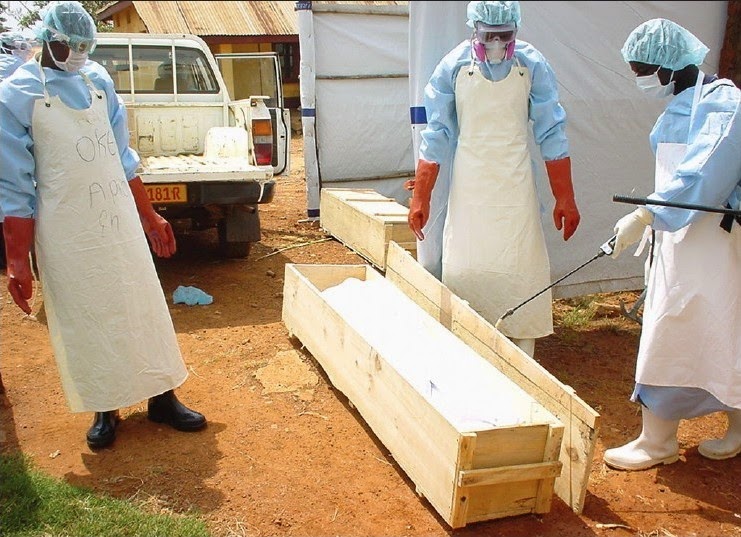
El virus del Ebola es uno de los patógenos más virulentos. El equipo de protección personal es esencial, pero escasea. Además es caliente e incómodo, y limita mucho el número de horas que el personal médico y de enfermería puede trabajar en una planta de aislamiento. Según las estimaciones actuales, un centro en el que se estén tratando 70 pacientes necesitará como mínimo 250 profesionales sanitarios.
Ahora que el brote ha cumplido 6 meses, se comprueba que el miedo es el obstáculo más difícil de vencer. El miedo hace que los contactos de los casos escapen al sistema de vigilancia, que las familias escondan a los parientes con síntomas o los lleven a curanderos tradicionales, y que los pacientes huyan de los centros terapéuticos. El miedo y la hostilidad que este puede alimentar han puesto en peligro la seguridad de los equipos de respuesta nacionales e internacionales.
El personal sanitario teme por sus vidas. Hasta la fecha se han infectado más de 170 profesionales sanitarios y al menos 81 han fallecido.

 In the event of a wide area release and contamination of a biological agent in an outdoor environment and to building exteriors, decontamination is likely to consume the Nation's remediation capacity, requiring years to cleanup, and leading to incalculable economic losses. This is in part due to scant body of efficacy data on surface areas larger than those studied in a typical laboratory (5×10-cm), resulting in low confidence for operational considerations in sampling and quantitative measurements of prospective technologies recruited in effective cleanup and restoration response. In addition to well-documented fumigation-based cleanup efforts, agencies responsible for mitigation of contaminated sites are exploring alternative methods for decontamination including combinations of disposal of contaminated items, source reduction by vacuuming, mechanical scrubbing, and low-technology alternatives such as pH-adjusted bleach pressure wash. If proven effective, a pressure wash-based removal of Bacillus anthracis spores from building surfaces with readily available equipment will significantly increase the readiness of Federal agencies to meet the daunting challenge of restoration and cleanup effort following a wide-area biological release. In this inter-agency study, the efficacy of commercial-of-the-shelf sporicidal disinfectants applied using backpack sprayers was evaluated in decontamination of spores on the surfaces of medium-sized (∼1.2 m2) panels of steel, pressure-treated (PT) lumber, and brick veneer. Of the three disinfectants, pH-amended bleach, Peridox, and CASCAD evaluated; CASCAD was found to be the most effective in decontamination of spores from all three panel surface types.
