Lista de correo. Espere su aprobación.
Correo electrónico:
Consultar este grupo

miércoles, 25 de febrero de 2015

Transmission of #Ebola Viruses

Available evidence demonstrates that direct patient contact and contact with infectious body fluids are the primary modes for Ebola virus transmission, but this is based on a limited number of studies. Key areas requiring further study include (i) the role of aerosol transmission (either via large droplets or small particles in the vicinity of source patients), (ii) the role of environmental contamination and fomite transmission, (iii) the degree to which minimally or mildly ill persons transmit infection, (iv) how long clinically relevant infectiousness persists, (v) the role that “superspreading events” may play in driving transmission dynamics, (vi) whether strain differences or repeated serial passage in outbreak settings can impact virus transmission, and (vii) what role sylvatic or domestic animals could play in outbreak propagation, particularly during major epidemics such as the 2013–2015 West Africa situation. In this review, we address what we know and what we do not know about Ebola virus transmission. We also hypothesize that Ebola viruses have the potential to be respiratory pathogens with primary respiratory spread.
REFERENCE:
Osterholm MT, et al. Transmission of ebola viruses: what we know and what we do not know. MBio. 2015 Feb 19;6(2).
-----------------------------------------------------------
Sigue este Blog en Facebook y Twitter

lunes, 23 de febrero de 2015

#Ebola outbreak in Western Africa 2014: what is going on with Ebola virus?

The 2014 outbreak of Ebola virus disease (EVD) in West Africa, caused by Ebola virus (Zaire Ebola virus species), is the largest outbreak of EVD in history. It cause hemorrhagic fever in human and nonhuman primates with high mortality rate up to 90% and can be transmitted by direct contact with blood, body fluids, skin of EVD patients or persons who have died of EVD. As of December 17, 2014, 450 healthcare personnel are known to have been infected with Ebola, of whom 244 died. For development of Ebola vaccine and treatment are highly difficult due to its dangerous and accessibility that requires biosafety level 4 (BSL-4) to conduct experiment. Also there is no specific vaccine and treatment for Ebola virus; however, many candidate vaccines and antiviral-drugs such as ZMapp and TKM-Ebola are being developed for Ebola virus disease. In this review, we focus on the epidemiology of 2014 outbreak of Ebola virus and candidate agent for preventing and curing from Ebola virus.
REFERENCE:
Na W, et al. Ebola outbreak in Western Africa 2014: what isgoing on with Ebola virus? Clin Exp Vaccine Res. 2015 Jan;4(1):17-22. Review.
-----------------------------------------------------------
Sigue este Blog en Facebook y Twitter

jueves, 19 de febrero de 2015

Evaluation of Virus Inactivation by Formaldehyde to Enhance Biosafety

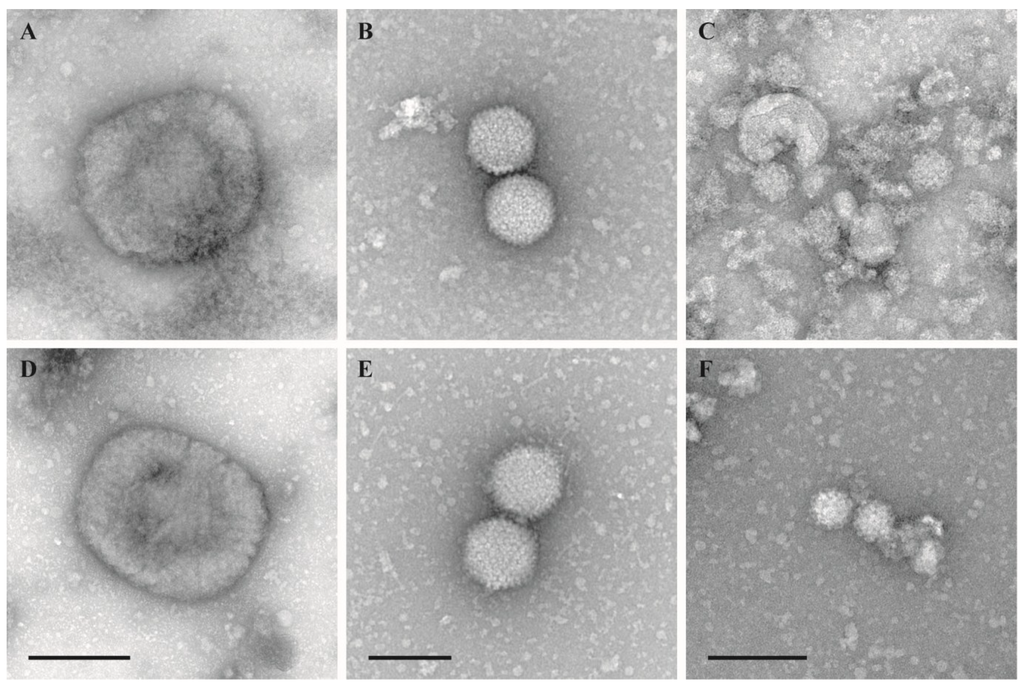
Formaldehyde (FA) fixation of infectious samples is a well-established protocol in diagnostic electron microscopy of viruses. However, published experimental data that demonstrate virus inactivation by these fixation procedures are lacking. Usually, fixation is performed immediately before the sample preparation for microscopy. The fixation procedure should transform viruses in a non-infectious but nonetheless structurally intact form in order to allow a proper diagnosis based on morphology. FA provides an essential advantage in comparison to other disinfectants, because it preserves the ultrastructure of biological material without interfering significantly with the preparation (i.e., the negative staining) and the detection of viruses. To examine the efficiency of FA inactivation, we used Vaccinia virus, Human adenovirus and Murine norovirus as models and treated them with FA under various conditions. Critical parameters for the inactivation efficiency were the temperature, the duration of the FA treatment, and the resistance of the virus in question. Our results show that FA inactivation at low temperature (4 °C) bears a high risk of incomplete inactivation. Higher temperatures (25 °C) are more efficient, although they still require rather long incubation times to fully inactivate a complex and highly robust virus like Vaccinia. A protocol, which applied 2% buffered FA for 60 min and a temperature-shift from 25 to 37 °C after 30 min was efficient for the complete inactivation of all test viruses, and therefore has the potential to improve both and speed of diagnostic electron microscopy.
REFERENCE:
Möller L, Schünadel L, Nitsche A, Schwebke I, Hanisch M, Laue M. Evaluation of Virus Inactivation by Formaldehyde to Enhance Biosafety of Diagnostic Electron Microscopy. Viruses. 2015 Feb 10;7(2):666-679.
-----------------------------------------------------------
Sigue este Blog en Facebook y Twitter

martes, 3 de febrero de 2015

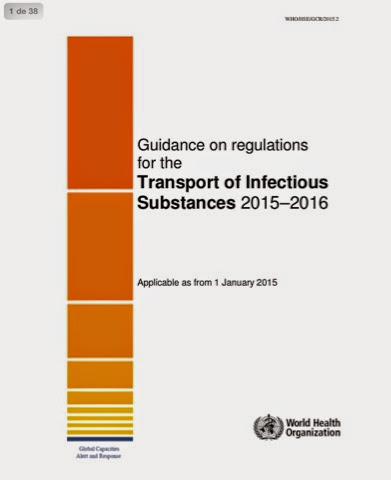
Guidance on regulations for the Transport of Infectious Substances 2015-2016

Applicable as from 1 January 2015


Authors:
WHO

Publication details 

Number of pages38 
Publication date2015
LanguagesEnglish
WHO reference numberWHO/HSE/GCR/2015.2

Downloads

Overview

This publication provides information for identifying, classifying, marking, labelling, packaging, documenting and refrigerating infectious substances for transportation and ensuring their safe delivery. 

The document provides practical guidance to facilitate compliance with applicable international regulations for the transport of infectious substances by all modes of transport, both nationally and internationally, and include the changes that apply from 1 January 2015. The current revision replaces the document issued by the World Health Organization (WHO) in 2012 (document WHO/CDS/EPR/2012.12). This publication, however, does not replace national and international transport regulation.

Descarga http://apps.who.int/iris/bitstream/10665/149288/1/WHO_HSE_GCR_2015.2_eng.pdf?ua=1&ua=1

lunes, 2 de febrero de 2015

Survey of Safety Practices Among Hospital Laboratories in Ethiopia

BACKGROUND: Unsafe working practices, working environments, disposable waste products, and chemicals in clinical laboratories contribute to infectious and non-infectious hazards. Staffs, the community, and patients are less safe. Furthermore, such practices compromise the quality of laboratory services. We conducted a study to describe safety practices in public hospital laboratories of Oromia Regional State, Ethiopia.
METHOD: Randomly selected ten public hospital laboratories in Oromia Regional State were studied from Oct 2011- Feb 2012. Self-administered structured questionnaire and observation checklists were used for data collection. The respondents were heads of the laboratories, senior technicians, and safety officers. The questionnaire addressed biosafety label, microbial hazards, chemical hazards, physical/mechanical hazards, personal protective equipment, first aid kits and waste disposal system. The data was analyzed using descriptive analysis with SPSS version16 statistical software.
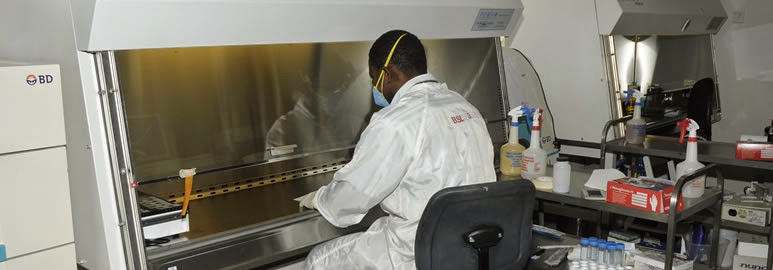
RESULT: All of the respondents reported none of the hospital laboratories were labeled with the appropriate safety label and safety symbols. These respondents also reported they may contain organisms grouped under risk group IV in the absence of microbiological safety cabinets. Overall, the respondents reported that there were poor safety regulations or standards in their laboratories. There were higher risks of microbial, chemical and physical/mechanical hazards.
CONCLUSION: Laboratory safety in public hospitals of Oromia Regional State is below the standard. The laboratory workers are at high risk of combined physical, chemical and microbial hazards. Prompt recognition of the problem and immediate action is mandatory to ensure safe working environment in health laboratories.
REFERENCIA:
Sewunet T et al. Survey of Safety Practices Among Hospital Laboratories in Oromia Regional State, Ethiopia. Ethiop J Health Sci. Oct 2014; 24(4): 307–310.

-----------------------------------------------------------
Sigue este Blog en Facebook y Twitter

jueves, 29 de enero de 2015

Feasibility of establishing a BSL3 tuberculosis culture lab in a resource-limited setting

Background: Despite the recent innovations in tuberculosis (TB) and multi-drug resistant TB (MDR-TB) diagnosis, culture remains vital for difficult-to-diagnose patients, baseline and end-point determination for novel vaccines and drug trials. Herein, we share our experience of establishing a BSL-3 culture facility in Uganda as well as 3-years performance indicators and post-TB vaccine trials (pioneer) and funding experience of sustaining such a facility.
Methods: Between September 2008 and April 2009, the laboratory was set-up with financial support from external partners. After an initial procedure validation phase in parallel with the National TB Reference Laboratory (NTRL) and legal approvals, the laboratory registered for external quality assessment (EQA) from the NTRL, WHO, National Health Laboratories Services (NHLS), and the College of American Pathologists (CAP). The laboratory also instituted a functional quality management system (QMS). Pioneer funding ended in 2012 and the laboratory remained in self-sustainability mode.
Results: The laboratory achieved internationally acceptable standards in both structural and biosafety requirements. Of the 14 patient samples analyzed in the procedural validation phase, agreement for all tests with NTRL was 90% (P <0.01). It started full operations in October 2009 performing smear microscopy, culture, identification, and drug susceptibility testing (DST). The annual culture workload was 7,636, 10,242, and 2,712 inoculations for the years 2010, 2011, and 2012, respectively. Other performance indicators of TB culture laboratories were also monitored. Scores from EQA panels included smear microscopy >80% in all years from NTRL, CAP, and NHLS, and culture was 100% for CAP panels and above regional average scores for all years with NHLS. Quarterly DST scores from WHO-EQA ranged from 78% to 100% in 2010, 80% to 100% in 2011, and 90 to 100% in 2012.
Conclusions: From our experience, it is feasible to set-up a BSL-3 TB culture laboratory with acceptable quality performance standards in resource-limited countries. With the demonstrated quality of work, the laboratory attracted more research groups and post-pioneer funding, which helped to ensure sustainability. The high skilled experts in this research laboratory also continue to provide an excellent resource for the needed national discussion of the laboratory and quality management systems.
REFERENCIA:
Ssengooba, W., et al. Feasibility of establishing a biosafety level 3 tuberculosis culture laboratory of acceptable quality standards in a resource-limited setting: an experience from Uganda. Health Research Policy and Systems 2015, 13:4

-----------------------------------------------------------
Sigue este Blog en Facebook y Twitter

lunes, 26 de enero de 2015

License to Serve - U.S. Trainees and the #Ebola Epidemic

Before medical school, Sara L., now a fourth-year resident, worked for 6 years as a microbiologist at the Centers for Disease Control and Prevention. While there, she focused on hemorrhagic fevers, and she went to West Africa several times to assist in outbreaks. Indeed, until recently, Sara was one of only a few hundred people in the United States who was trained to work in a biosafety level 4 “spacesuit” laboratory, which requires the same personal protective equipment (PPE) needed for working with Ebola. As the current Ebola epidemic exploded, and after careful deliberation, Sara sought and secured a position with an international aid organization, got approval from her residency program's leadership, found coverage for her time away, and 6 weeks later, was set to deploy. Then she got a call from her institution's risk-management department with disappointing news: the institution would not support her deployment.

Rosenbaum L. License to Serve — U.S. Trainees and the Ebola Epidemic. N Engl J Med. 2014 Dec 17. 
 
-----------------------------------------------------------
Sigue este Blog en Facebook y Twitter

viernes, 23 de enero de 2015

The hidden face of academic researches on classified highly pathogenic microorganisms

Highly pathogenic microorganisms and toxins are manipulated in academic laboratories for fundamental research purposes, diagnostics, drugs and vaccines development. Obviously, these infectious pathogens represent a potential risk for human and/or animal health and their accidental or intentional release (biosafety and biosecurity, respectively) is a major concern of governments. In the past decade, several incidents have occurred in laboratories and reported by media causing fear and raising a sense of suspicion against biologists. Some scientists have been ordered by US government to leave their laboratory for long periods of time following the occurrence of an incident involving infectious pathogens; in other cases laboratories have been shut down and universities have been forced to pay fines and incur a long-term ban on funding after gross negligence of biosafety/biosecurity procedures. Measures of criminal sanctions have also been taken to minimize the risk that such incidents can reoccur.
REFERENCE:
Devaux CA. The hidden face of academic researches on classified highly pathogenic microorganisms. Infect Genet Evol. 2015 Jan;29:26-34. doi: 10.1016/j.meegid.2014.10.028. Epub 2014 Nov 7.
-----------------------------------------------------------
Sigue este Blog en Facebook y Twitter

jueves, 15 de enero de 2015

Preventing Worker Fatigue Among #Ebola Healthcare Workers #CDC

The National Institute for Occupational Safety and Health (NIOSH) and the Occupational Safety and Health Administration (OSHA) recognize that healthcare workers and responders involved with cases related to Ebola in the United States may be required to work longer or unusual shifts. This can involve extended shifts (more than 8 hours long), rotating or irregular shifts, or consecutive shifts resulting in more than the typical 40-hour work week. Long work hours may increase the risk of injuries and accidents and can contribute to poor health and worker fatigue.
Additionally, the personal protective equipment (PPE) required for working with Ebola patients can increase workers’ core body temperature, contributing significantly to fatigue. Although these guidelines are geared toward workers responding in the United States, the same concepts apply to those working in other countries.

DOWNLOAD / DESCARGA
-----------------------------------------------------------
Sigue este Blog en Facebook y Twitter

martes, 13 de enero de 2015

A los patrocinadores de #AMexBio

Las personas interesadas en promover sus productos en el próximo VII Simposio de Bioseguridad y Biocustodia de la Asociación Mexicana de Bioseguridad A.C. Existen amplias oportunidades para posicionar sus marcas ante este público especializado.​
Mayor información con:

Cristina Wilhelm 
cristina.wilhelm[at´]amexbio.org

Guillermo Wilhelm Ferriz
Nextel Id: 52*167789*3
Tel Fijo: (473) 732-4681
Tel Celular: (55) 4410-6383
guillermo_wilhelmf[at´]hotmail.com
-----------------------------------------------------------
Sigue este Blog en Facebook y Twitter

lunes, 8 de diciembre de 2014

Plant-made #vaccine antigens against #malaria

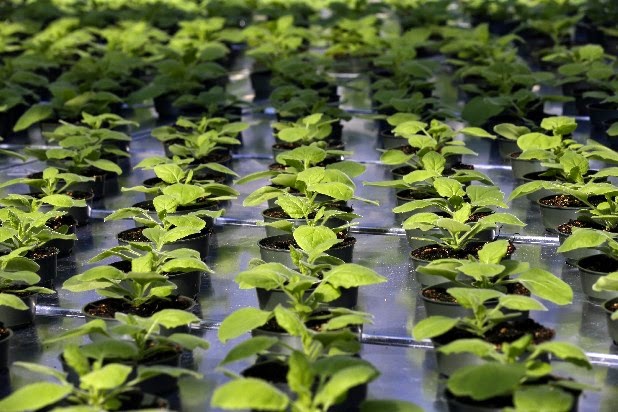
This paper is an overview of vaccine antigens against malaria produced in plants. Plant-based expression systems represent an interesting production platform due to their reduced manufacturing costs and high scalability. At present, different Plasmodium antigens and expression strategies have been optimized in plants. Furthermore, malaria antigens are one of the few examples of eukaryotic proteins with vaccine value expressed in plants, making plant-derived malaria antigens an interesting model to analyze. Up to now, malaria antigen expression in plants has allowed the complete synthesis of these vaccine antigens, which have been able to induce an active immune response in mice. Therefore, plant production platforms offer wonderful prospects for improving the access to malaria vaccines.

REFERENCE:
Clemente M, Corigliano MG. Overview of plant-made vaccine antigens against malaria. J Biomed Biotechnol. 2012;2012:206918.
-------------------------------------------------
Sigue este Blog en Facebook y Twitter

jueves, 4 de diciembre de 2014

Conferencia: "#Ebola, panorama epidemiológico"

Impartida por el Dr. Mario Martínez González.
Asesor de la Organización Panamericana de Salud.

Lunes 8 de diciembre del 2014
De 12:00 a 14:00 hrs.
En la sala 2 del Auditorio de la Unidad de Posgrado,
Universidad Nacional Autónoma de México
Ver MAPA
-----------------------------------------------------------
Sigue este Blog en Facebook y Twitter

martes, 2 de diciembre de 2014

Alberto Díaz Quiñonez, recibe el "IFBA Biosafety Heroes Award 2014" #AMexBio


El Dr. José Alberto Díaz Quiñonez, Miembro Fundador y Presidente del Consejo Directivo 2011-2012 de la Asociación Mexicana de Bioseguridad obtuvo el reconocimiento "IFBA Biosafety Heroes Award 2014" otorgado por la International Federation of Biosafety Associations.
Este galardón fue creado por la IFBA en 2011, con el objetivo de reconocer a los profesionales que realizan contribuciones importantes en temas de gestión del riesgo biológico en el mundo. 
De acuerdo con IFBA el "Dr. Díaz Quiñonez ha demostrado ser un incansable promotor de la cultura de gestión del riesgo biológico en México".
Felicidades Alberto!
----------------------------------------------------------- 
Sigue este Blog en Facebook y Twitter

viernes, 28 de noviembre de 2014

Chimpanzee Adenovirus Vector #Ebola Vaccine - Preliminary Report.

Background 
The unprecedented 2014 epidemic of Ebola virus disease (EVD) has prompted an international response to accelerate the availability of a preventive vaccine. A replication-defective recombinant chimpanzee adenovirus type 3-vectored ebolavirus vaccine (cAd3-EBO), encoding the glycoprotein from Zaire and Sudan species that offers protection in the nonhuman primate model, was rapidly advanced into phase 1 clinical evaluation. 
Methods 
We conducted a phase 1, dose-escalation, open-label trial of cAd3-EBO. Twenty healthy adults, in sequentially enrolled groups of 10 each, received vaccination intramuscularly in doses of 2×10¹⁰ particle units or 2×10¹¹ particle units. Primary and secondary end points related to safety and immunogenicity were assessed throughout the first 4 weeks after vaccination. 
Results 
In this small study, no safety concerns were identified; however, transient fever developed within 1 day after vaccination in two participants who had received the 2×10¹¹ particle-unit dose. Glycoprotein-specific antibodies were induced in all 20 participants; the titers were of greater magnitude in the group that received the 2×10¹¹ particle-unit dose than in the group that received the 2×10¹⁰ particle-unit dose (geometric mean titer against the Zaire antigen, 2037 vs. 331; P=0.001). Glycoprotein-specific T-cell responses were more frequent among those who received the 2x10¹¹ particle-unit dose than among those who received the 2×10¹⁰ particle-unit dose, with a CD4 response in 10 of 10 participants versus 3 of 10 participants (P=0.004) and a CD8 response in 7 of 10 participants versus 2 of 10 participants (P=0.07). 
Conclusions 
Reactogenicity and immune responses to cAd3-EBO vaccine were dose-dependent. At the 2×10¹¹ particle-unit dose, glycoprotein Zaire-specific antibody responses were in the range reported to be associated with vaccine-induced protective immunity in challenge studies involving nonhuman primates. Clinical trials assessing cAd3-EBO are ongoing. (Funded by the Intramural Research Program of the National Institutes of Health; VRC 207 ClinicalTrials.gov number, NCT02231866 .).
REFERENCE:

Ledgerwood JE, et al; the VRC 207 Study Team. Chimpanzee Adenovirus Vector Ebola Vaccine - Preliminary Report. N Engl J Med. 2014 Nov 26. [Epub ahead of print] PubMed PMID: 25426834.

lunes, 24 de noviembre de 2014

Algae-based oral recombinant vaccines

Recombinant subunit vaccines are some of the safest and most effective vaccines available, but their high cost and the requirement of advanced medical infrastructure for administration make them impractical for many developing world diseases. Plant-based vaccines have shifted that paradigm by paving the way for recombinant vaccine production at agricultural scale using an edible host. However, enthusiasm for “molecular pharming” in food crops has waned in the last decade due to difficulty in developing transgenic crop plants and concerns of contaminating the food supply. Microalgae could be poised to become the next candidate in recombinant subunit vaccine production, as they present several advantages over terrestrial crop plant-based platforms including scalable and contained growth, rapid transformation, easily obtained stable cell lines, and consistent transgene expression levels. Algae have been shown to accumulate and properly fold several vaccine antigens, and efforts are underway to create recombinant algal fusion proteins that can enhance antigenicity for effective orally delivered vaccines. These approaches have the potential to revolutionize the way subunit vaccines are made and delivered – from costly parenteral administration of purified protein, to an inexpensive oral algae tablet with effective mucosal and systemic immune reactivity.

REFERENCE:
Specht EA and Mayfield SP. Algae-based oral recombinant vaccines. Front Microbiol. 2014; 5: 60.
-----------------------------------------------------------
Sigue este Blog en Facebook y Twitter

jueves, 20 de noviembre de 2014

Preventing Health Care–Associated Infections

The occurrence and undesirable complications from health care–associated infections (HAIs) have been well recognized in the literature for the last several decades. The occurrence of HAIs continues to escalate at an alarming rate. HAIs originally referred to those infections associated with admission in an acute-care hospital (formerly called a nosocomial infection), but the term now applies to infections acquired in the continuum of settings where persons receive health care (e.g., long-term care, home care, ambulatory care). These unanticipated infections develop during the course of health care treatment and result in significant patient illnesses and deaths (morbidity and mortality); prolong the duration of hospital stays; and necessitate additional diagnostic and therapeutic interventions, which generate added costs to those already incurred by the patient’s underlying disease. HAIs are considered an undesirable outcome, and as some are preventable, they are considered an indicator of the quality of patient care, an adverse event, and a patient safety issue.

REFERENCIA:
Amy S. Collins. Chapter 41. Preventing Health Care-Associated Infections. From Patient Safety and Quality: An Evidence-Based Handbook for Nurses: Vol. 2.

-----------------------------------------------------------
Sigue este Blog en Facebook y Twitter

martes, 18 de noviembre de 2014

El virus de #Chikungunya

La fiebre chikungunya es una enfermedad vírica transmitida al ser humano por mosquitos infectados. Además de fiebre y fuertes dolores articulares, produce otros síntomas, tales como dolores musculares, dolores de cabeza, náuseas, cansancio y erupciones cutáneas.
Algunos signos clínicos de esta enfermedad son iguales a los del dengue, con el que se puede confundir en zonas donde este es frecuente. Como no tiene tratamiento curativo, el tratamiento se centra en el alivio de los síntomas. Un factor de riesgo importante es la proximidad de las viviendas a lugares de cría de los mosquitos. La enfermedad se da en África, Asia y el subcontinente indio. En los últimos decenios los vectores de la enfermedad se han propagado a Europa y las Américas. En 2007 se notificó por vez primera la transmisión de la enfermedad en Europa, en un brote localizado en el nordeste de Italia.

REFERENCIAS:
  1. WHO Chikungunya factsheet ESP
  2. Chikungunya: un nuevo virus en la región de las Américas
  3. Cuidados para prevenir y tratar el chikungunya
  4. CHIKUNGUNYA VIRUS. PATHOGEN SAFETY DATA SHEET - INFECTIOUS SUBSTANCES
  5. CDC: Chikungunya
  6. CDC: Chikungunya. Información para el público
-----------------------------------------------------------
Sigue este Blog en Facebook y Twitter

sábado, 8 de noviembre de 2014

How to conduct safe and dignified burial of a #ebola patient

Overview

This protocol provides information on the safe management of dead bodies and burial of patients who died from suspected or confirmed Ebola virus disease. These measures should be applied not only by medical personnel but by anyone involved in the management of dead bodies and burial of suspected or confirmed Ebola patients.  Twelve steps have been identified describing the different phases Burial Teams have to follow to ensure safe burials, starting from the moment the teams arrive in the village up to their return to the hospital or team headquarters after burial and disinfection procedures.

DOWNLOAD => How to conduct safe and dignified burial of a patient who has died from suspected or confirmed Ebola virus disease

Publication details 

Number of pages17
Publication dateOctober 2014
LanguagesEnglish
WHO reference numberWHO/EVD/Guidance/Burials/14.2


NEWS:

W.H.O. Issues New Guidelines on Safely Burying Ebola Victims

-----------------------------------------------------------
Sigue este Blog en Facebook y Twitter

lunes, 3 de noviembre de 2014

COURSE: Guidance for use of Personal Protective Equipment (PPE) During Management of Patients with #Ebola Virus

GO TO THE COURSE
The following informational materials demonstrate the procedures described in CDC guidance for donning and doffing (i.e., putting on and removing) personal protective equipment (PPE) for all healthcare providers entering the room of a patient hospitalized with known or suspected Ebola virus disease (Ebola). These informational materials are intended to promote patient safety and increase the safety of the healthcare provider.
Prior to working with Ebola patients, all healthcare providers involved in the care of Ebola patients must receive training and demonstrate competency in performing all Ebola-related infection control practices and procedures, specifically in donning and doffing proper PPE.

REFERENCE:
Guidance for Donning and Doffing Personal Protective Equipment (PPE) During Management of Patients with Ebola Virus 
-----------------------------------------------------------
Sigue este Blog en Facebook y Twitter

Plant-derived virus-like particles as vaccines

Virus-like particles (VLPs) are self-assembled structures derived from viral antigens that mimic the native architecture of viruses but lack the viral genome. VLPs have emerged as a premier vaccine platform due to their advantages in safety, immunogenicity, and manufacturing. The particulate nature and high-density presentation of viral structure proteins on their surface also render VLPs as attractive carriers for displaying foreign epitopes. Consequently, several VLP-based vaccines have been licensed for human use and achieved significant clinical and economical success. The major challenge, however, is to develop novel production platforms that can deliver VLP-based vaccines while significantly reducing production times and costs. Therefore, this review focuses on the essential role of plants as a novel, speedy and economical production platform for VLP-based vaccines. The advantages of plant expression systems are discussed in light of their distinctive posttranslational modifications, cost-effectiveness, production speed, and scalability. Recent achievements in the expression and assembly of VLPs and their chimeric derivatives in plant systems as well as their immunogenicity in animal models are presented. Results of human clinical trials demonstrating the safety and efficacy of plant-derived VLPs are also detailed. Moreover, the promising implications of the recent creation of "humanized" glycosylation plant lines as well as the very recent approval of the first plant-made biologics by the U. S. Food and Drug Administration (FDA) for plant production and commercialization of VLP-based vaccines are discussed. It is speculated that the combined potential of plant expression systems and VLP technology will lead to the emergence of successful vaccines and novel applications of VLPs in the near future.

REFERENCE:
Chen Q1, Lai H. Hum Plant-derived virus-like particles as vaccines. Vaccin Immunother. 2013 Jan;9(1):26-49.
-----------------------------------------------------------
Sigue este Blog en Facebook y Twitter

viernes, 31 de octubre de 2014

Happy "Día de Muertos" (Day of the Deaths)

       For our english-speaking visitors. Happy Halloween!. Here in  México is "Día de Muertos" (Day of the Deaths), on November 1st, and 2nd. This year we will be walking around deaths. momies, vampires, and Catrinas...
       Literary Calaveras (skulls)  are written as epitaphs for the living. It´s a fun  way to remember the deaths. In local newspapers publish Calaveras from living politicians, also a way to make fun of them.  Many calaveras were written about the individuals in a given profession. Butchers, teachers, priests, housekeepers, artists, mail carriers, and shopkeepers were all satirized by writers of calaveras. I´m giving you one...  People goes to the pantheons, to sing, eat, and remember their love ones. Also they dress up, cook special food and big parties. It´s a nice time to visit México.


jueves, 30 de octubre de 2014

Control of #ebola virus disease - firestone district, Liberia, 2014

WSJ
On March 30, 2014, the Ministry of Health and Social Welfare (MOHSW) of Liberia alerted health officials at Firestone Liberia, Inc. (Firestone) of the first known case of Ebola virus disease (Ebola) inside the Firestone rubber tree plantation of Liberia. The patient, who was the wife of a Firestone employee, had cared for a family member with confirmed Ebola in Lofa County, the epicenter of the Ebola outbreak in Liberia during March-April 2014. To prevent a large outbreak among Firestone's 8,500 employees, their dependents, and the surrounding population, the company responded by 1) establishing an incident management system, 2) instituting procedures for the early recognition and isolation of Ebola patients, 3) enforcing adherence to standard Ebola infection control guidelines, and 4) providing differing levels of management for contacts depending on their exposure, including options for voluntary quarantine in the home or in dedicated facilities. In addition, Firestone created multidisciplinary teams to oversee the outbreak response, address case detection, manage cases in a dedicated unit, and reintegrate convalescent patients into the community. The company also created a robust risk communication, prevention, and social mobilization campaign to boost community awareness of Ebola and how to prevent transmission. During August 1-September 23, a period of intense Ebola transmission in the surrounding areas, 71 cases of Ebola were diagnosed among the approximately 80,000 Liberians for whom Firestone provides health care (cumulative incidence = 0.09%). Fifty-seven (80%) of the cases were laboratory confirmed; 39 (68%) of these cases were fatal. Aspects of Firestone's response appear to have minimized the spread of Ebola in the local population and might be successfully implemented elsewhere to limit the spread of Ebola and prevent transmission to health care workers (HCWs).

REFERENCE:
Reaves EJ, et al. Control of ebola virus disease - firestone district, Liberia, 2014. MMWR Morb Mortal Wkly Rep. 2014 Oct 24;63(42):959-65.
NEWS:
How Firestone Liberia’s unique approaches helped stem the spread of the ebola virus
Liberian Rubber Farm Becomes Sanctuary Against Ebola
-----------------------------------------------------------
Sigue este Blog en Facebook y Twitter

martes, 28 de octubre de 2014

Preguntas sobre #ébola

Las preguntas se recibirán hasta el Viernes 31 de Octubre, 2014.

El formato para las preguntas ha sido desactivado. Gracias por participar!

-----------------------------------------------------------
Sigue este Blog en Facebook y Twitter

Cluster of #ebola cases among liberian and u.s. Health care workers in an ebola treatment unit and adjacent hospital - Liberia, 2014

aljazeera
The ongoing Ebola virus disease (Ebola) epidemic in West Africa, like previous Ebola outbreaks, has been characterized by amplification in health care settings and increased risk for health care workers (HCWs), who often do not have access to appropriate personal protective equipment. In many locations, Ebola treatment units (ETUs) have been established to optimize care of patients with Ebola while maintaining infection control procedures to prevent transmission of Ebola virus. These ETUs are considered essential to containment of the epidemic. In July 2014, CDC assisted the Ministry of Health and Social Welfare of Liberia in investigating a cluster of five Ebola cases among HCWs who became ill while working in an ETU, an adjacent general hospital, or both. No common source of exposure or chain of transmission was identified. However, multiple opportunities existed for transmission of Ebola virus to HCWs, including exposure to patients with undetected Ebola in the hospital, inadequate use of personal protective equipment during cleaning and disinfection of environmental surfaces in the hospital, and potential transmission from an ill HCW to another HCW. No evidence was found of a previously unrecognized mode of transmission. Prevention recommendations included reinforcement of existing infection control guidance for both ETUs and general medical care settings, including measures to prevent cross-transmission in co-located facilities

REFERENCE:
Forrester JD et al. Cluster of Ebola Cases Among Liberian and U.S. Health Care Workers in an Ebola Treatment Unit and Adjacent Hospital — Liberia, 2014. MMWR Morb Mortal Wkly Rep. 2014 Oct 17;63(41):925-9.
-----------------------------------------------------------
Sigue este Blog en Facebook y Twitter

lunes, 27 de octubre de 2014

Biologically hazardous agents at work and efforts to protect workers' health: a review of recent reports

Because information on biological agents in the workplace is lacking, biological hazard analyses at the workplace to securely recognize the harmful factors with biological basis are desperately needed. This review concentrates on literatures published after 2010 that attempted to detect biological hazards to humans, especially workers, and the efforts to protect them against these factors. It is important to improve the current understanding of the health hazards caused by biological factors at the workplace. In addition, this review briefly describes these factors and provides some examples of their adverse health effects. It also reviews risk assessments, protection with personal protective equipment, prevention with training of workers, regulations, as well as vaccinations.

REFERENCE:
Rim KT, Lim CH. Biologically hazardous agents at work and efforts to protect workers' health: a review of recent reports. Saf Health Work. Jun 2014; 5(2): 43–52.
----------------------------------------------------------- 
Sigue este Blog en Facebook y Twitter