Lista de correo. Espere su aprobación.
Correo electrónico:
Consultar este grupo

miércoles, 21 de mayo de 2014

Convocatoria para miembros #AMexBio

Aproveche los descuentos en cursos y congreso.

PERIODO DE RECEPCIÓN DE DOCUMENTOS: 
ENERO A MAYO DE CADA AÑO. 

=>  CONVOCATORIA  <=

-----------------------------------------------------
Like on Facebook or follow in Twitter

Evaluation of mycobactericidal activity of #disinfectants

The history of the investigation of standardized mycobactericidal activity of disinfectants and antiseptics is not very long. There is growing interest among the manufacturers of disinfectants in carrying out research on the antimicrobial activities in accordance with European standards (EN). This research could facilitate the introduction of high-quality disinfectants to the market. The aim of this study was to evaluate the mycobactericidal activity of selected chemical disinfectants and antiseptics used in the medical and veterinary fields.
REFERENCE:
Bocian E. et al. Evaluation of mycobactericidal activity of selected chemical disinfectants and antiseptics according to European standards. Med Sci Monit. 2014; 20: 666–673.

--------------------------------------------
Sigue este Blog en Facebook y Twitter 

lunes, 19 de mayo de 2014

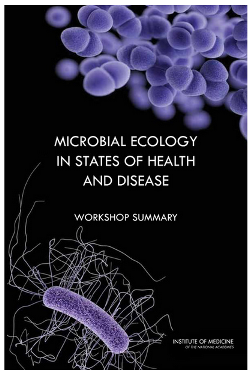
Microbial Ecology in States of Health and Disease

Individually and collectively, resident microbes play important roles in host health and survival. Shaping and shaped by their host environments, these microorganisms form intricate communities that are in a state of dynamic equilibrium. This ecologic and dynamic view of host-microbe interactions is rapidly redefining our view of health and disease. It is now accepted that the vast majority of microbes are, for the most part, not intrinsically harmful, but rather become established as persistent, co-adapted colonists in equilibrium with their environment, providing useful goods and services to their hosts while deriving benefits from these host associations. Disruption of such alliances may have consequences for host health, and investigations in a wide variety of organisms have begun to illuminate the complex and dynamic network of interaction - across the spectrum of hosts, microbes, and environmental niches - that influence the formation, function, and stability of host-associated microbial communities.
Microbial Ecology in States of Health and Disease is the summary of a workshop convened by the Institute of Medicine's Forum on Microbial Threats in March 2013 to explore the scientific and therapeutic implications of microbial ecology in states of health and disease. Participants explored host-microbe interactions in humans, animals, and plants; emerging insights into how microbes may influence the development and maintenance of states of health and disease; the effects of environmental change(s) on the formation, function, and stability of microbial communities; and research challenges and opportunities for this emerging field of inquiry.

REFERENCE:
Institute of Medicine. Microbial Ecology in States of Health and Disease: Workshop Summary. Washington, DC: The National Academies Press, 2014.
--------------------------------------------
Sigue este Blog en Facebook o Twitter.

viernes, 16 de mayo de 2014

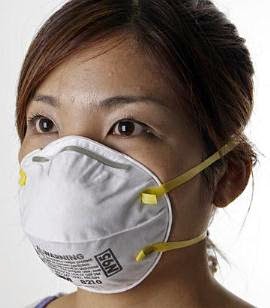
Fitting Characteristics of #N95 Filtering-Facepiece #Respirators Used Widely in China

Millions of people rely on N95 filtering facepiece respirators to reduce the risk of airborne particles and prevent them from respiratory infections. However, there are no respirator fit testing and training regulations in China. Meanwhile, no study has been conducted to investigate the fit of various respirators. The objective of this study was to investigate whether people obtained adequate fit when wearing N95 filtering facepiece respirators (FFRs) used widely in China. Fifty adult participants selected using the Chinese respirator fit test panel donned 10 common models of N95 FFRs. Fit factors (FF) and inward leakage were measured using the TSI PortaCount Plus. Each subject was tested with three replications for each model. A subject was considered to pass the fit test when at least two of the three FFs were greater than 100. Two models were conducted fit tests before and after training to assess the role of training.
REFERENCE:
Yu et al. Fitting Characteristics of N95 Filtering-Facepiece Respirators Used Widely in China. PLoS One. 2014; 9(1): e85299.
--------------------------------------------
Sigue este Blog en Facebook y Twitter.

jueves, 15 de mayo de 2014

Middle East respiratory syndrome coronavirus, #MERS -CoV

Coronaviruses are a large family of viruses that cause a range of illnesses in humans, from the common cold to the Severe Acute Respiratory Syndrome (SARS). Viruses in this family also cause a number of animal diseases.
Middle East respiratory syndrome coronavirus (MERS-CoV).
This strain of coronavirus that causes MERS was first identified in 2012 in Saudi Arabia. Our understanding of the virus and the disease it causes is continuing to evolve.
UPDATE: May 15th, 2014The cases of laboratory confirmed MERS-CoV have been reported from Jordan, Lebanon, the Netherlands, the United Arab Emirates, and the United States.

--------------------------------------------
Sigue este Blog en Facebook y Twitter.

miércoles, 14 de mayo de 2014

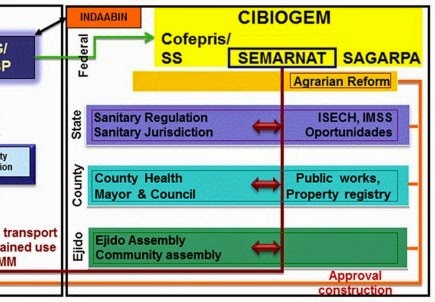
#México: A Regulatory Structure for Working with Genetically Modified Mosquitoes

Sustainable and effective control of dengue is hampered due to a number of factors, including the lack of evidence-based, locally relevant interventions; insufficient information regarding key components of virus transmission and vector ecology; failure to implement precise and efficient surveillance systems; inefficient healthcare systems; ineffective health promotion and outreach resulting in lack of community dialogue and participation; and a paucity of efficient diagnostic strategies and clinical attention. Increased research efforts in response to the complexity of this problem have focused on the development of novel technologies that would enhance existing tools for vector-borne disease prevention. Genetic strategies to reduce or replace mosquito populations and thereby interrupt transmission of dengue viruses are among the new approaches being considered. Many of these approaches take advantage of molecular genetic tools to engineer traits that cause lethal phenotypes or confer resistance to the pathogen in the mosquito.
We addressed the regulatory challenges associated with testing a strain of Aedes aegypti engineered to result in population suppression in contained field trials in southwestern Mexico.
REFERENCE:
Ramsey JM et. al. A Regulatory Structure for Working with Genetically Modified Mosquitoes: Lessons from Mexico. PLoS Negl Trop Dis. Mar 2014; 8(3): e2623.

--------------------------------------------
Sigue este Blog en Facebook and Twitter.

lunes, 12 de mayo de 2014

#MERS -CoV sequenced and cultured from Dromedary Camels in Saudi Arabia

Complete Middle East respiratory syndrome coronavirus (MERS-CoV) genome sequences were obtained from nasal swabs of dromedary camels sampled in the Kingdom of Saudi Arabia through direct analysis of nucleic acid extracts or following virus isolation in cell culture. Consensus dromedary MERS-CoV genome sequences were the same with either template source and identical to published human MERS-CoV sequences. However, in contrast to individual human cases, where only clonal genomic sequences are reported, detailed population analyses revealed the presence of more than one genomic variant in individual dromedaries. If humans are truly infected only with clonal virus populations, we must entertain a model for interspecies transmission of MERS-CoV wherein only specific genotypes are capable of passing bottleneck selection.
REFERENCIA:
Briese T, et al. 2014. Middle East respiratory syndrome coronavirus quasispecies that include homologues of human isolates revealed through whole-genome analysis and virus cultured from dromedary camels in Saudi Arabia. mBio 5(3):e01146-14. doi:10.1128/mBio.01146-14.
--------------------------------------------
Sigue este Blog en Facebook y Twitter.

Technologies to Enable Autonomous Detection for #BioWatch

The BioWatch program, funded and overseen by the Department of Homeland Security (DHS), has three main elements--sampling, analysis, and response--each coordinated by different agencies. The Environmental Protection Agency maintains the sampling component, the sensors that collect airborne particles. The Centers for Disease Control and Prevention coordinates analysis and laboratory testing of the samples, though testing is actually carried out in state and local public health laboratories. Local jurisdictions are responsible for the public health response to positive findings. The Federal Bureau of Investigation is designated as the lead agency for the law enforcement response if a bioterrorism event is detected. In 2003 DHS deployed the first generation of BioWatch air samplers. The current version of this technology, referred to as Generation 2.0, requires daily manual collection and testing of air filters from each monitor. DHS has also considered newer automated technologies (Generation 2.5 and Generation 3.0) which have the potential to produce results more quickly, at a lower cost, and for a greater number of threat agents.
Technologies to Enable Autonomous Detection for BioWatch is the summary of a workshop hosted jointly by the Institute of Medicine and the National Research Council in June 2013 to explore alternative cost-effective systems that would meet the requirements for a BioWatch Generation 3.0 autonomous detection system, or autonomous detector, for aerosolized agents.

REFERENCE:
Institute of Medicine and National Research Council. Technologies to Enable Autonomous Detection for BioWatch: Ensuring Timely and Accurate Information for Public Health Officials : Workshop Summary. Washington, DC: The National Academies Press, 2014.
--------------------------------------------
NEWS: Homeland Security cancels plans for new BioWatch technology
--------------------------------------------
Sigue este Blog en Facebook o Twitter

viernes, 9 de mayo de 2014

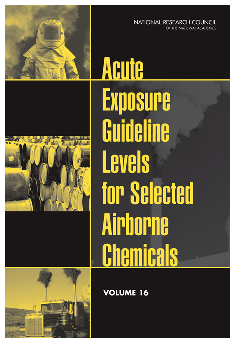
Acute Exposure Guideline Levels for Selected Airborne Chemicals

Extremely hazardous substances can be released accidentally as a result of chemical spills, industrial explosions, fires, or accidents involving railroad cars and trucks transporting EHSs. Workers and residents in communities surrounding industrial facilities where these substances are manufactured, used, or stored and in communities along the nation's railways and highways are potentially at risk of being exposed to airborne extremely hazardous substances during accidental releases or intentional releases by terrorists. Pursuant to the Superfund Amendments and Reauthorization Act of 1986, the U.S. Environmental Protection Agency has identified approximately 400 extremely hazardous substances on the basis of acute lethality data in rodents.
Acute Exposure Guideline Levels for Selected Airborne Chemicals, Volume 16 identifies, reviews, and interprets relevant toxicologic and other scientific data for selected aliphatic nitriles, benzonitrile, methacrylonitrile, allyl alcohol, hydrogen selenide, ketene, and tear gasin order to develop acute exposure guideline levels (AEGLs) for these high-priority, acutely toxic chemicals.

REFERENCE:
National Research Council. Acute Exposure Guideline Levels for Selected Airborne Chemicals: Volume 16. Washington, DC: The National Academies Press, 2014. Free by registering.
--------------------------------------------
Sigue este Blog en Facebook o Twitter.

viernes, 2 de mayo de 2014

5 de Mayo. Salve vidas: lávese las manos @who @pahowho @opsoms


=> Campaña mundial anual de la OMS. 5 de mayo de 2014 <=
Está preparado para evitar la propagación de microorganismos resistentes a los antimicrobianos?
La OMS le pide que el 5 de mayo de 2014 se nos una en una campaña sobre el papel de la higiene de las manos en la lucha contra la resistencia a los antimicrobianos.
Si no actuamos hoy no habrá curación mañana: asegúrese de que los 5 Momentos de la OMS para la higiene de las manos se integran en la protección de sus pacientes frente a los microorganismos resistentes.
El mundo ha sufrido un cambio irreversible: los patógenos multirresistentes han venido para quedarse. Para combatirlos son esenciales las medidas de prevención de las infecciones. La OMS presentará en breve un llamamiento a la acción para el 5 de mayo de 2014. Pronto podrá ver cómo participar en las actividades de este año, dedicado al tema de la resistencia a los antimicrobianos y la higiene de las manos.
REFERENCIAS:


--------------------------------------------
Sigue este Blog en Facebook y Twitter

miércoles, 30 de abril de 2014

#FelizDiaDelNiño: 28 dias después, el #cómic en México por @kamite5


Para este puente y día del niño aquí en México, les traigo algo cool! Pues nada, que esta semana andaba fisgoneando en una de esas librerías del restaurante de los buhitos, buscando una revistilla para entretenerme, y en la sección de comics veo unos grandes símbolos de riesgo biológico. Con la obviedad de que eran cómics, sólo decían "28 días después", y como pueden ver en la foto, sin introducción ni nada. Hábilmente, la editorial (Kamite) las vende empaquetadas, así que eso de hojearlas, olvídenlo! Así, que al revisar las portadas de los números disponibles (12 hasta el momento), pude deducir: a) zombies; b) la pelicula "Exterminio"; c) seguro es un virus.
Me puse a investigar, y Sector Cómic Mx nos cuenta la historia de este cómic en español. El cómic Cuenta la historia de que pasa con Selena, ​después de la primer película. La calidad es en estilo de los cómics americanos, de 24 páginas/número. $30 pesos por número. De acuerdo a Sector Cómic Mx, la serie estará limitada a 35 números. Así que no me he podido resistir, y tengo los primeros 5 números!

lunes, 28 de abril de 2014

Development and Performance Evaluation of an Exhaled-Breath #Bioaerosol Collector for #Influenza Virus

Abstract
The importance of the aerosol mode for transmission of influenza is unknown. Understanding the role of aerosols is essential to developing public health interventions such as the use of surgical masks as a source control to prevent the release of infectious aerosols. Little information is available on the number and size of particles generated by infected persons, which is partly due to the limitations of conventional air samplers, which do not efficiently capture fine particles or maintain microorganism viability. We designed and built a new sampler, called the G-II, that collects exhaled breath particles that can be used in infectivity analyses. The G-II allows test subjects to perform various respiratory maneuvers (i.e. tidal breathing, coughing, and talking) and allows subjects to wear a mask or respirator during testing. A conventional slit impactor collects particles > 5.0 μm. Condensation of water vapor is used to grow remaining particles, including fine particles, to a size large enough to be efficiently collected by a 1.0 μm slit impactor and be deposited into a buffer-containing collector. We evaluated the G-II for fine particle collection efficiency with inert particle aerosols and evaluated infective virus collection using influenza A virus aerosols. Testing results showed greater than 85% collection efficiency for particles greater than 50nm and influenza virus collection comparable with a reference SKC BioSampler®. The new design will enable determination of exhaled infectious virus generation rate and evaluate control strategies such as wearing a surgical type mask to prevent the release of viruses from infected persons.
REFERENCE:
McDevitt JJ,  Koutrakis P, Ferguson ST, et al.  Development and Performance Evaluation of an Exhaled-Breath Bioaerosol Collector for Influenza Virus. Aerosol Sci Technol. 2013 January 1; 47(4): 444–451.

miércoles, 23 de abril de 2014

Programa del VI Simposio Internacional de #Bioseguridad y #Biocustodia #SIBB14 #Amexbio

¡Aprovecha precios de Abril!

La Asociación Mexicana de Bioseguridad (AMEXBIO) y la Universidad Autónoma de Nuevo León (UANL) invitan al VI Simposio Internacional de Bioseguridad y Biocustodia (SIBB14)
Fechas: 4 al 7 de junio de 2014
Lugar: Instalaciones de la UANL, en Monterrey, Nuevo León, México


Cursos y talleres a escoger (4 y 5 de junio)

-    Bioseguridad en hospitales e instituciones de salud
-    Bioseguridad en animalarios
-    Bioseguridad en granjas y durante emergencias agropecuarias
-    Embalaje y envío de materiales biológico-infecciosos
-    Evaluación de riesgo biológico
-    Comité institucional de bioseguridad para investigación
-    Cabinas de seguridad biológica
-    Desarrollo de manuales de bioseguridad y biocustodia
-    Ingeniería para el profesional en bioseguridad
-    Planeación, diseño y construcción de laboratorios de contención
-    Regulación de organismos genéticamente modificados
-    Bioseguridad (curso básico)

Simposio (6 y 7 de junio): Bioseguridad y Globalización.

-    Conferencias magistrales
-    Mesas redondas
-    Bio-cineclub
-    Trabajos libres en cartel
-    Expo comercial
Para más información sobre programa, inscripción, becas, envío de resúmenes de trabajos libres y otros, favor de visitar:
www.sibb.info 
Exposición Comercial

Conozca los nuevos productos y servicios para la gestión del riesgo biológico así como las barreras para el manejo de materiales biológico infecciosos.


--------------------------------------------
© 2014 Asociación Mexicana de Bioseguridad A.C.
Av. Mazatlán 97. Col. Condesa. Del Cuauhtémoc. México D.F. 06140.  
http://amexbio.org
Sigue este Blog en Facebook y Twitter.

lunes, 21 de abril de 2014

Día Mundial contra el #Paludismo #malaria - 25 de Abril


Cada año se registran más de 200 millones de casos, la mayoría de los cuales nunca se someten a pruebas ni se registran. La aparición de la resistencia a los fármacos y los insecticidas amenaza con dar al traste con las recientes victorias.
  1. El paludismo, o malaria, es una enfermedad potencialmente mortal causada por parásitos que se transmiten al ser humano por la picadura de mosquitos infectados.
  2. En 2012, el paludismo causó cerca de 627 000 muertes (con un margen de incertidumbre que oscila entre 473 000 y 789 000), sobre todo en niños africanos.
  3. El paludismo es prevenible y curable.
  4. Gracias al aumento de las medidas de prevención y control la carga de la enfermedad se está reduciendo notablemente en muchos lugares.
  5. Los viajeros no inmunes procedentes de zonas sin paludismo que contraen la infección son muy vulnerables a la enfermedad
REFERENCIAS:
--------------------------------------------
Sigue este Blog en Facebook y Twitter.

viernes, 18 de abril de 2014

Emergence of Zaire Ebola Virus Disease in Guinea — Preliminary Report

Map of Guinea Showing Initial Locations
of the Outbreak of Ebola Virus Disease
ABSTRACT
In March 2014, the World Health Organization was notified of an outbreak of a communicable disease characterized by fever, severe diarrhea, vomiting, and a high fatality rate in Guinea. Virologic investigation identified Zaire ebolavirus (EBOV) as the causative agent. Full-length genome sequencing and phylogenetic analysis showed that EBOV from Guinea forms a separate clade in relationship to the known EBOV strains from the Democratic Republic of Congo and Gabon. Epidemiologic investigation linked the laboratory-confirmed cases with the presumed first fatality of the outbreak in December 2013. This study demonstrates the emergence of a new EBOV strain in Guinea.
REFERENCIAS:
Baize S. et al. Emergence of Zaire Ebola Virus Disease in Guinea — Preliminary Report. NEJM 2014, April 16, 2014DOI: 10.1056/NEJMoa1404505
--------------------------------------------
Sigue este Blog en Facebook y Twitter.

miércoles, 9 de abril de 2014

AUDIO: WHO press conference on #Ebola outbreak 08/APR/2014

Conferencia de prensa 08/APR/2014.
Por Keiji Fukuda, MD, WHO's assistant director-general for health security and environment.
Stephane Hugonnet, MD, WHO medical officer who returned from Guinea this past weekend

RESUMEN:
Este es una de las epidemias de ébola más desafiantes y difíciles enfrentadas. El trabajo de WHO ha sido en colaboración y apoyo con diversas instituciones (Médicos sin fronteras, Instituto Pasteur, CDC, Cruz Roja, UNICEF, Samaritan Purse, World Food Program y la Universidad de Tulane) y de diversos países, incluyendo Canadá, DR Congo, Unión Europea, Italia, Gabón, Alemania, Korea del Sur, Uganda.
Ébola es una enfermedad severa, pero que conocemos como se transmite, por lo que puede ser controlada. Si las personas tomas las medidas adecuadas, la enfermedad puede controlarse, especialmente identificando a las personas enfermas y contactos cercanos. Debido al miedo que esta enfermedad produce, es absolutamente crítico proveer a las personas los datos y hechos, para que las personas sepan cómo trabajar.
CASOS:
GUINEA               LIBERIA          SIERRA LEONA             GHANA                  MALI
157 casos             23 probables       2 probables                No confirmados       No confirmados
101 muertos           7 muertos         No confirmados
                             5 confirmados

TRABAJO PARA EL CONTROL DE LA EPIDEMIA
- Epidemiología y vigilancia, para identificar casos y contactos.
- Control de infecciones, para evitar transmisión pacientes-personal de salud o pacientes-familiares, mediante el envío de equipo de protección personal a las áreas afectadas, y la implementación de medidas sanitarias.
- Gestión médica, tratamiento sintomático que es de gran importancia. No hay tratamiento específico.
- Laboratorios móviles (2), para la confirmación de los casos
- Comunicación, para evitar rumores, transmitiendo información.
- Movilización social, para facilitar el transporte de pacientes a los hospitales.
- Personal con experiencia de Gabón y Congo se encuentra en Guinea.

Aún hay trasmisión de casos, por lo que la epidemia se encuentra aún en curso.
Al momento hay detección pasiva, es decir que los pacientes llegan a los hospitales. No se ha implementado detección activa, que es buscar casos en casas de áreas afectadas.

AUDIO:
------------------------------------
Sigue este Blog en Facebook y Twitter.

AUDIO (inglés): Tres semanas de la epidemia de #ébola.

 La historia completa de NPR aquí.
--------------------------------------------
Sigue este Blog en Facebook y Twitter

miércoles, 2 de abril de 2014

Exposure of Laboratory Animal Care Workers to Airborne Mouse and Rat Allergens

Abstract
Urine of rats and mice is the main source of allergenic proteins that can enter the respiratory tract of laboratory animal care workers. Little is known about the levels and determinants of these exposures in the United States. We investigated the relationship between activities in animal facilities and levels of personal exposure to allergen by collecting personal breathing zone dust samples from 7 caretakers during full workdays for 1 wk. Mice and rat urinary allergens in inhalable dust were quantified via immunoassay. The activities of the sampled workers were observed, and the methods of preventing exposure to allergens were recorded. Mouse urinary allergen was detected in 20 of 39 measurements, yielding a geometric mean of 0.8 ng/m(3) with a maximum of 24 ng/m(3). Washing and cleaning cages and the number of mice handled daily were the most important determinants of personal exposure to mouse urinary allergen, as identified by using multiple linear regressions that explained 51% of total variance. Personal exposures to mouse urinary allergen were associated with day-to-day variation of tasks rather than characteristics of workers. Where potential for personal exposure is the highest, protective measures (N95 masks and cage dumping stations) appeared to be used, as is appropriate. Rat urinary allergen was detected in 4 of 39 measurements; detectable concentrations were between 0.8 and 39 ng/m(3). Only persons who handled rats were exposed to rat urinary allergen. The current findings are valuable for establishing exposure levels against which comparisons of improvement or deterioration of personal exposures can be made.
REFERENCE:
Glueck JT, Huneke RB, Perez H, Burstyn I. Exposure of laboratory animal care workers to airborne mouse and rat allergens. J Am Assoc Lab Anim Sci. 2012;51(5):554-60.

viernes, 28 de marzo de 2014

Water, Sanitation, Hygiene, and Soil-Transmitted Helminth Infection: A Systematic Review and Meta-Analysis

ANTECEDENTES
La quimioterapia preventiva representa una estrategia de control para las helmintiasis transmitidas por el suelo de gran alcance pero a corto plazo. Dado que los humanos a menudo se vuelven a infectar rápidamente, las soluciones a largo plazo requieren mejoras en agua, saneamiento e higiene (WASH) . El propósito de este estudio fue resumir cuantitativamente la relación entre el acceso o prácticas WASH y la transmisión con helmintos del suelo (STH) .
Se realizó una revisión sistemática y meta-análisis para examinar las asociaciones de mejora de WASH en la infección por helmintos del suelo (Ascaris lumbricoides, Trichuris trichiura, ancylostoma [Ancylostoma duodenale y Necator americanus] y Strongyloides stercoralis). PubMed, Embase, Web of Science, y LILACS se buscaron desde el inicio al 28 de octubre de 2013, sin restricciones de idioma. Los estudios fueron elegibles para su inclusión si presentó una estimación del efecto del acceso o las prácticas sobre la infección por geohelmintos WASH. Se evaluó la calidad de los estudios publicados con los grados de recomendación, Evaluación, Desarrollo y Evaluación (GRADE). Un total de 94 estudios cumplieron con los criterios de elegibilidad, y cinco eran ensayos controlados aleatorios, mientras que la mayoría de los otros fueron estudios transversales. Utilizamos de efectos aleatorios meta-análisis y se analizaron sólo los presupuestos ajustados a ayudar a explicar la heterogeneidad y posibles factores de confusión, respectivamente.

REFERENCE
Strunz EC, Addiss DG, Stocks ME, et al. (2014). Water, Sanitation, Hygiene, and Soil-Transmitted Helminth Infection: A Systematic Review and Meta-Analysis. PLoS Med 11(3): e1001620. doi:10.1371/journal.pmed.1001620
--------------------------------------------
Sigue este Blog en Facebook o en Twitter.

miércoles, 26 de marzo de 2014

Reporte Nacional y Estatal (USA) de Infecciones Hospitalarias 2012 #HAI #nosocomiales

Publicado en Marzo 2014
Las infecciones nosocomiales son una importante, aunque a menudo prevenible, amenaza a la seguridad del paciente. El Informe Nacional y Estatal de Infecciones Nosocomiales se expande y ofrece una actualización de los informes anteriores que detallan el progreso hacia el objetivo final de eliminar las infecciones nosocomiales.
El Informe muestra que se reportaron reducciones significativas en 2012 para casi todas las infecciones. Infecciones del torrente sanguíneo asociadas a vías centrales y las infecciones del sitio quirúrgico continúan para acercarse a los objetivos 5 años establecidos en el Plan de Acción Nacional para Prevenir la salud asociadas con la atención hospitalaria.
REFERENCIA:
Centers for Disease Control and Prevention 2012. National and State Healthcare-Associated Infections Progress. Report Published March 26, 2014
--------------------------------------------
Sigue este Blog en Facebook y Twitter.

Evaluation of a Virucidal Quantitative Carrier Test for Surface Disinfectants

ABSTRACT
Surface disinfectants are part of broader preventive strategies preventing the transmission of bacteria, fungi and viruses in medical institutions. To evaluate their virucidal efficacy, these products must be tested with appropriate model viruses with different physico-chemical properties under conditions representing practical application in hospitals.
The aim of this study was to evaluate a quantitative carrier assay. Furthermore, different putative model viruses like adenovirus type 5 (AdV-5) and different animal parvoviruses were evaluated with respect to their tenacity and practicability in laboratory handling. To evaluate the robustness of the method, some of the viruses were tested in parallel in different laboratories in a multi-center study. Different biocides, which are common active ingredients of surface disinfectants, were used in the test. After drying on stainless steel discs as the carrier, model viruses were exposed to different concentrations of three alcohols, peracetic acid (PAA) or glutaraldehyde (GDA), with a fixed exposure time of 5 minutes. Residual virus was determined after treatment by endpoint titration.
All parvoviruses exhibited a similar stability with respect to GDA, while AdV-5 was more susceptible. For PAA, the porcine parvovirus was more sensitive than the other parvoviruses, and again, AdV-5 presented a higher susceptibility than the parvoviruses. All parvoviruses were resistant to alcohols, while AdV-5 was only stable when treated with 2-propanol. The analysis of the results of the multi-center study showed a high reproducibility of this test system.
In conclusion, two viruses with different physico-chemical properties can be recommended as appropriate model viruses for the evaluation of the virucidal efficacy of surface disinfectants: AdV-5, which has a high clinical impact, and murine parvovirus (MVM) with the highest practicability among the parvoviruses tested.
REFERENCE
Rabenau HF, Steinmann J, Rapp I, et al. Evaluation of a Virucidal Quantitative Carrier Test for Surface Disinfectants. PLoS One. 2014; 9(1): e86128.

lunes, 24 de marzo de 2014

Exhaled Air Dispersion during Coughing #N95

Abstract
Objectives: We compared the expelled air dispersion distances during coughing from a human patient simulator (HPS) lying at 45u with and without wearing a surgical mask or N95 mask in a negative pressure isolation room.
Methods: Airflow was marked with intrapulmonary smoke. Coughing bouts were generated by short bursts of oxygen flow at 650, 320, and 220L/min to simulate normal, mild and poor coughing efforts, respectively. The coughing jet was revealed by laser light-sheet and images were captured by high definition video. Smoke concentration in the plume was estimated from the light scattered by smoke particles. Significant exposure was arbitrarily defined where there was $ 20% of normalized smoke concentration.
Results: During normal cough, expelled air dispersion distances were 68, 30 and 15 cm along the median sagittal plane when the HPS wore no mask, a surgical mask and a N95 mask, respectively. In moderate lung injury, the corresponding air dispersion distances for mild coughing efforts were reduced to 55, 27 and 14 cm, respectively, p , 0.001. The distances were reduced to 30, 24 and 12 cm, respectively during poor coughing effort as in severe lung injury. Lateral dispersion distances during normal cough were 0, 28 and 15 cm when the HPS wore no mask, a surgical mask and a N95 mask, respectively.
Conclusions: Normal cough produced a turbulent jet about 0.7 m towards the end of the bed from the recumbent subject. N95 mask was more effective than surgical mask in preventing expelled air leakage during coughing but there was still significant sideway leakage.

Reference

David S. Hui, Benny K. Chow, Leo Chu, Susanna S. Ng, Nelson Lee, Tony Gin, Matthew T. V. Chan. Exhaled Air Dispersion during Coughing with and without Wearing a Surgical or N95 Mask. PLoS One. 2012; 7(12): e50845.

miércoles, 19 de marzo de 2014

Poorly processed reusable surface disinfection tissue dispensers may be a source of infection

ABSTRACT
Background: Reusable surface disinfectant tissue dispensers are used in hospitals in many countries because they allow immediate access to pre-soaked tissues for targeted surface decontamination. On the other hand disinfectant solutions with some active ingredients may get contaminated and cause outbreaks. We determined the frequency of contaminated surface disinfectant solutions in reusable dispensers and the ability of isolates to multiply in different formulations.
Methods: Reusable tissue dispensers with different surface disinfectants were randomly collected from healthcare facilities. Solutions were investigated for bacterial contamination. The efficacy of two surface disinfectants was determined in suspension tests against two isolated species directly from a contaminated solution or after 5 passages without selection pressure in triplicate. Freshly prepared use solutions were contaminated to determine survival of isolates.
Results: 66 dispensers containing disinfectant solutions with surface-active ingredients were collected in 15 healthcare facilities. 28 dispensers from nine healthcare facilities were contaminated with approximately 107 cells per mL of Achromobacter species 3 (9 hospitals), Achromobacter xylosoxidans or Serratia marcescens (1 hospital each). In none of the hospitals dispenser processing had been adequately performed. Isolates regained susceptibility to the disinfectants after five passages without selection pressure but were still able to multiply in different formulations from different manufacturers at room temperature within 7 days.
Conclusions: Neglecting adequate processing of surface disinfectant dispensers has contributed to frequent and heavy contamination of use-solutions based on surface active ingredients. Tissue dispenser processing should be taken seriously in clinical practice.

Reference

Kampf G, Degenhardt S, Lackner S, et al. Poorly processed reusable surface disinfection tissue dispensers may be a source of infectionBMC Infect Dis. 2014; 14: 37.