Lista de correo. Espere su aprobación.
Correo electrónico:
Consultar este grupo

miércoles, 9 de octubre de 2019

Inactivation of chronic wasting disease prions using sodium hypochlorite

Chronic wasting disease (CWD) is a fatal prion disease that can infect deer, elk and moose. CWD has now been detected in 26 states of the USA, 3 Canadian provinces, South Korea, Norway, Sweden and Finland. CWD continues to spread from endemic areas, and new foci of infections are frequently detected. As increasing numbers of cervids become infected, the likelihood for human exposure increases. To date, no cases of CWD infection in humans have been confirmed, but experience with the BSE zoonosis in the United Kingdom suggests exposure to CWD should be minimized. Specifically, hunters, meat processors and others in contact with tissues from potentially CWD-infected cervids need a practical method to decontaminate knives, saws and other equipment. Prions are notoriously difficult to inactivate, and most effective methods require chemicals or sterilization processes that are either dangerous, caustic, expensive or not readily available. Although corrosive, sodium hypochlorite (bleach) is widely available and affordable and has been shown to inactivate prion agents including those that cause scrapie, bovine spongiform encephalopathy and Creutzfeldt-Jakob disease. In the current study, we confirm that bleach is an effective disinfectant for CWD prions and establish minimum times and bleach concentrations to eliminate prion seeding activity from stainless steel and infected brain homogenate solutions. We found that a five-minute treatment with a 40% dilution (20,000 ppm) of household bleach was effective at inactivating CWD seeding activity from stainless-steel wires and CWD-infected brain homogenates. However, bleach was not able to inactivate CWD seeding activity from solid tissues in our studies.
REFERENCE:
Williams K, et al (2019). Inactivation of chronic wasting disease prions using sodium hypochlorite. PLoS ONE 14(10): e0223659. https://doi.org/10.1371/journal.pone.0223659

-----------------------------------------------------------
Sigue este Blog en Facebook y Twitter
-----------------------------------------------------------

martes, 8 de octubre de 2019

Factores que motivan el uso de protección respiratoria contra cenizas volcánicas

Las comunidades que viven cerca de volcanes activos pueden estar expuestas a riesgos respiratorios por cenizas volcánicas. Comprender su percepción de los riesgos y las acciones que toman para mitigar esos riesgos es importante para desarrollar estrategias de comunicación efectivas. Para investigar este problema, el primer estudio comparativo de las percepciones de riesgo y el uso de protección respiratoria se realizó en 2003 residentes afectados por volcanes activos de tres países: Japón (volcán Sakurajima), Indonesia (volcanes Merapi y Kelud) y México (volcán Popocatépetl). El estudio fue diseñado para evaluar el valor explicativo de un marco teórico que planteaba la hipótesis de que el uso de la protección respiratoria (es decir, la máscara facial) estaría motivado por dos construcciones cognitivas de la teoría de la motivación de protección: la evaluación de amenazas (es decir, las percepciones de daño / preocupación por la inhalación de cenizas). ) y evaluación de afrontamiento (es decir, creencias sobre la eficacia de la máscara). Utilizando el modelo de ecuaciones estructurales (SEM), se encontraron diferencias importantes en la capacidad predictiva de los constructos entre países. Por ejemplo, las percepciones de daño / preocupación fueron predictores más fuertes del uso de mascarillas en Japón e Indonesia que en México, donde las creencias sobre la eficacia de las mascarillas eran más importantes. El SEM también identificó diferencias en las variantes demográficas del uso de máscaras en cada país y cómo fueron mediadas por las construcciones cognitivas. Hallazgos como estos resaltan la importancia de contextualizar nuestra comprensión de la motivación de protección y, por lo tanto, el valor de desarrollar enfoques específicos para promover el comportamiento precautorio.
REFERENCIA:
Covey J,  et al. Factors motivating the use of respiratory protection against volcanic ashfall: A comparative analysis of communities in Japan, Indonesia and Mexico. Int J Disaster Risk Reduct. 2019;35:101066. doi:10.1016/j.ijdrr.2019.101066

-----------------------------------------------------------
Sigue este Blog en Facebook y Twitter
-----------------------------------------------------------

lunes, 7 de octubre de 2019

Risk Assessment Technical Guidance

El propósito de este documento es dar orientación técnica a todo el personal que trabaja en un laboratorio biológico y que maneja o maneja activamente agentes biológicos y toxinas, así como otros materiales de laboratorio valiosos. Este documento también está destinado a gerentes de instalaciones, apoyo administrativo, fuerzas de seguridad, partes interesadas de la comunidad, organismos de supervisión y formuladores de políticas, que desean obtener más información sobre la evaluación de riesgos y los riesgos de seguridad que están presentes en sus laboratorios.
El documento describe un proceso generalizado de evaluación de riesgos, un proceso que debe usarse en todos los entornos de laboratorio biológico, independientemente de la capacidad económica u organizativa. Debido a que el riesgo es una función de la probabilidad y las consecuencias y una evaluación de riesgos es específica de los peligros, amenazas y prácticas de trabajo de un laboratorio, los resultados de una evaluación indudablemente variarán dramáticamente entre los entornos de laboratorio. Además, el proceso de evaluación de riesgos no proporciona recomendaciones específicas sobre cómo reducir los riesgos identificados, sino que puede usarse para ayudar o guiar a las personas en el laboratorio, la instalación y la comunidad para tomar decisiones informadas sobre cómo mitigar el riesgo.
El propósito de este documento es triple:

  1. describir el proceso de evaluación de riesgos de bioseguridad y bioseguridad del laboratorio y su marco conceptual;
  2. proporcionar orientación detallada y metodologías sugeridas sobre cómo realizar una evaluación de riesgos; y
  3. presentar algunas estrategias prácticas de proceso de evaluación de riesgos utilizando escenarios de laboratorio realistas.

REFERENCE:
Laboratory Biosafety and Biosecurity Risk Assessment Technical Guidance Document


-----------------------------------------------------------
Sigue este Blog en Facebook y Twitter
-----------------------------------------------------------

viernes, 4 de octubre de 2019

Bat Coronaviruses in China

During the past two decades, three zoonotic coronaviruses have been identified as the cause of large-scale disease outbreaks–Severe Acute Respiratory Syndrome (SARS), Middle East Respiratory Syndrome (MERS), and Swine Acute Diarrhea Syndrome (SADS). SARS and MERS emerged in 2003 and 2012, respectively, and caused a worldwide pandemic that claimed thousands of human lives, while SADS struck the swine industry in 2017. They have common characteristics, such as they are all highly pathogenic to humans or livestock, their agents originated from bats, and two of them originated in China. Thus, it is highly likely that future SARS- or MERS-like coronavirus outbreaks will originate from bats, and there is an increased probability that this will occur in China. Therefore, the investigation of bat coronaviruses becomes an urgent issue for the detection of early warning signs, which in turn minimizes the impact of such future outbreaks in China. The purpose of the review is to summarize the current knowledge on viral diversity, reservoir hosts, and the geographical distributions of bat coronaviruses in China, and eventually we aim to predict virus hotspots and their cross-species transmission potential.
REFERENCE:
Fan, Yi et al. Bat Coronaviruses in China. Viruses vol. 11,3 210. 2 Mar. 2019, doi:10.3390/v11030210

-----------------------------------------------------------
Sigue este Blog en Facebook y Twitter
-----------------------------------------------------------

jueves, 3 de octubre de 2019

Octubre, mes de la bioseguridad #biosafety_biosecuritymonth

Este tema para este año es:
Más allá del laboratorio: Incrementando de la visibilidad de la bioseguridad y la biocustodia
Los objetivos del tema de este año incluyen los siguientes:
  • Promover la visibilidad de los profesionales de bioseguridad y bioseguridad en nuestro lugar de trabajo y comunidad.
  • Destacar la naturaleza multidimensional de la profesión de bioseguridad y bioseguridad;
  • Defina cómo los profesionales de bioseguridad y bioseguridad son más que personas de cumplimiento.
  • Abogar por la educación, capacitación y apoyo de los campos de Ciencia, Tecnología, Ingeniería y Matemáticas (STEM);
  • Reconocer la bioseguridad como disciplina científica;
  • Apoye la conciencia e interés de los estudiantes de STEM en la profesión a través del alcance y las interacciones en todos los niveles educativos.
  • Fomentar el diálogo, la transparencia y la educación en el trabajo con materiales biológicos con todos los interesados.

Visite la página web regularmente para descargar materiales promocionales para usar en su institución y obtener más información sobre lo que puede hacer para aumentar su visibilidad. Las actualizaciones y materiales adicionales para el evento se publicarán periódicamente en esta página a medida que estén disponibles. Además, considere usar el hashtag "#biosafety_biosecuritymonth" en los esfuerzos de las redes sociales.

-----------------------------------------------------------
Sigue este Blog en Facebook y Twitter
-----------------------------------------------------------
miércoles, 2 de octubre de 2019

Sodium hydroxide treatment effectively inhibits #prion replication in farm soil

Tribble-like amyloid plaques of variant Creutzfeldt-Jakob Disease
acquired from eating prion-infected beef.
Credit: 
Sherif Zaki; MD; PhD and Wun-Ju Shieh; MD; PhD; MPH CDC
Chronic wasting disease (CWD) agents are shed into biological samples, facilitating their horizontal transmission between cervid species. Once prions enter the environment, binding of PrPCWD by soil particles may maintain them near the soil surface, posing a challenge for decontamination. A 2 N sodium hydroxide (NaOH) or 2% sodium hypochlorite (NaClO) solution is traditionally recommended for prion decontamination of equipment and surfaces. Using protein misfolding cyclic amplification with beads and a bioassay with TgElk mice, we compared the effects of these disinfectants in CWD-contaminated soil for 1 or 16 h to those of controls of known infectious titres. Our results suggest that 2 N NaOH in a 1/5 farm soil volume provides a large decrease (>102-fold) in prion infectivity.
REFERENCES:


-----------------------------------------------------------
Sigue este Blog en Facebook y Twitter
-----------------------------------------------------------

lunes, 30 de septiembre de 2019

Combating bacterial biofilms: agents and mechanisms of action

Biofilm refers to the complex, sessile communities of microbes found either attached to a surface or buried firmly in an extracellular matrix as aggregates. The biofilm matrix surrounding bacteria makes them tolerant to harsh conditions and resistant to antibacterial treatments. Moreover, the biofilms are responsible for causing a broad range of chronic diseases and due to the emergence of antibiotic resistance in bacteria it has really become difficult to treat them with efficacy. Furthermore, the antibiotics available till date are ineffective for treating these biofilm related infections due to their higher values of minimum inhibitory concentration (MIC) and minimum bactericidal concentration (MBC), which may result in in-vivo toxicity. Hence, it is critically important to design or screen anti-biofilm molecules that can effectively minimize and eradicate biofilm related infections. In the present article, we have highlighted the mechanism of biofilm formation with reference to different models and various methods used for biofilm detection. A major focus has been put on various anti-biofilm molecules discovered or tested till date which may include herbal active compounds, chelating agents, peptide antibiotics, lantibiotics and synthetic chemical compounds along with their structures, mechanism of action and their respective MICs, MBCs, minimum biofilm inhibitory concentrations (MBICs) as well as the half maximal inhibitory concentration (IC50) values available in the literature so far. Different mode of action of anti biofilm molecules addressed here are inhibition via interference in the quorum sensing pathways, adhesion mechanism, disruption of extracellular DNA, protein, lipopolysaccharides, exopolysaccharides and secondary messengers involved in various signaling pathways. From this study, we conclude that the molecules considered here might be used to treat biofilm-associated infections after significant structural modifications, thereby investigating its effective delivery in the host. It should also be ensured that minimum effective concentration of these molecules must be capable of eradicating biofilm infections with maximum potency without posing any adverse side effects on the host.
REFERENCE:
Roy, Ranita et al. “Strategies for combating bacterial biofilms: A focus on anti-biofilm agents and their mechanisms of action.” Virulence vol. 9,1 (2018): 522-554. doi:10.1080/21505594.2017.1313372

-----------------------------------------------------------
Sigue este Blog en Facebook y Twitter
-----------------------------------------------------------

jueves, 26 de septiembre de 2019

Principles of Laboratory Biosafety e-Learning Course


This portal is your entry into the biosafety learning and knowledge services offered by the Centre for Biosecurity of the Public Health Agency of Canada and the Office of Biohazard Containment and Safety of the Canadian Food Inspection Agency. Here you will find tools for you to promote safer biosafety practices in your facility.
Whether you are a biosafety professional, a containment facility user or manager, an engineer, architect or otherwise involved in designing or managing containment facilities, or even if you simply have an interest in biosafety, there are materials here for you. The materials on this portal are provided to be used as part of a biosafety training program specific to your facility. Working together we can promote the importance of biosafety and its application in Canadian facilities.
The portal currently contains a variety of courses and resources, including:
Principles of Laboratory Biosafety e-Learning Course
This modular course has been developed by the Public Health Agency of Canada and the Canadian Food Inspection Agency to help strengthen biosafety and biosecurity principles.
Instructional videos on biosafety which can be viewed for free online:
  • Biosafety 101
  • Containment Level 1 Laboratory: Operational Practices
  • Containment Level 2 Laboratory: Operational Practices
  • Containment Level 3 Laboratories: Operational Practices
https://training-formation.phac-aspc.gc.ca/course/index.php?categoryid=2

-----------------------------------------------------------
Sigue este Blog en Facebook y Twitter
-----------------------------------------------------------

miércoles, 25 de septiembre de 2019

Canadian Biosafety HANDBOOK, 2nd Ed.

The Government of Canada's Canadian Biosafety Handbook (CBH), 2nd Edition, 2016, is a national guidance document for the safe handling and storing of human and terrestrial animal pathogens and toxins in Canada. It is a companion document to the Canadian Biosafety Standard (CBS), 2nd Edition, 2015 in which the physical containment, operational practice, and performance and verification testing requirements are set out to ensure the safe handling and storing of human and terrestrial animal pathogens and toxins. Activities in Canada involving human and animal pathogens and toxins are regulated by the Public Health Agency of Canada (PHAC) and the Canadian Food Inspection Agency (CFIA) in accordance with the Human Pathogens and Toxins Act, Human Pathogens and Toxins Regulations, Health of Animals Act, and Health of Animals Regulations. The CBH provides the core information and guidance on how to achieve the biosafety and biosecurity requirements specified in the CBS. The CBH systematically addresses the concepts required for the development and maintenance of a comprehensive risk-based biosafety management program.
REFERENCE:
© Her Majesty the Queen in Right of Canada, as represented by the
Minister of Health and the Minister of Agriculture and Agri-Food, 2016
https://www.canada.ca/en/public-health/services/canadian-biosafety-standards-guidelines/handbook-second-edition.html#pr
Publication date: March 2016
This publication may be reproduced for personal or internal use only without permission
provided the source is fully acknowledged.
Print Cat.: HP45-9/2015E PDF Cat.: HP45-9/2015E-PDF
ISBN: 978-1-100-25773-0 ISBN: 978-1-100-25774-7
Publication Number: 140469

The CBS Biosafety App v2.0 is currently available as a free download for the following devices:

-----------------------------------------------------------
Sigue este Blog en Facebook y Twitter
-----------------------------------------------------------

lunes, 23 de septiembre de 2019

Canadian Biosafety STANDARD, 2nd Ed.

The Government of Canada's Canadian Biosafety Standard (CBS), 2nd Edition, 2015, is a harmonized national standard for the handling or storing of human and terrestrial animal pathogens and toxins in Canada. Activities in Canada involving human and animal pathogens and toxins are regulated by the Public Health Agency of Canada (PHAC) and the Canadian Food Inspection Agency (CFIA) in accordance with the Human Pathogens and Toxins Act (HPTA), the Human Pathogens and Toxins Regulations (HPTR), the Health of Animals Act, and the Health of Animals Regulations.
The CBS sets out the physical containment, operational practice, and performance and verification testing requirements for the safe handling or storing of human and terrestrial animal pathogens and toxins. The CBS updates many requirements to be more risk-, evidence-, and performance-based, as well as incorporating new information in the field of biocontainment engineering. In addition, the CBS includes several new requirements and information to support the full implementation of the HPTA and the HPTR. On December 1st, 2015, the HPTR comes into force and the CBS will come into effect and supersede the CBSG. The CBS will be used by the PHAC and the CFIA to verify the ongoing compliance of regulated facilities with the applicable legislation. This will support licence applications, renewals, animal pathogen import permit applications, and, where applicable, the facility certification (and recertification) of containment zones.
It has a companion document: Canadian Biosafety Handbook, 2nd. Ed. 
REFERENCE:
© Her Majesty the Queen in Right of Canada, as represented by the Minister of Health
and the Minister of Agriculture and Agri-Food, 2015
https://www.canada.ca/en/public-health/services/canadian-biosafety-standards-guidelines/second-edition.html
Publication date: March 2015
This publication may be reproduced for personal or internal use only without permission
provided the source is fully acknowledged.
Print Cat.: HP45-7/2015E PDF Cat.: HP45-7/2015E-PDF
ISBN: 978-1-100-25771-6 ISBN: 978-1-100-25772-3
Publication Number: 140467

The CBS Biosafety App v2.0 is currently available as a free download for the following devices:

-----------------------------------------------------------
Sigue este Blog en Facebook y Twitter
-----------------------------------------------------------

viernes, 20 de septiembre de 2019

Quaternary Ammonium Leucine-Based Surfactants

Quaternary ammonium amphiphiles are a class of compounds with a wide range of commercial and industrial uses. In the pharmaceutical field, the most common quaternary ammonium surfactant is benzalkonium chloride (BAC), which is employed as a preservative in several topical formulations for ocular, skin, or nasal application. Despite the broad antimicrobial activity against Gram-positive and Gram-negative bacteria, as well as fungi and small enveloped viruses, safety concerns regarding its irritant and cytotoxic effect on epithelial cells still remain. In this work, quaternary ammonium derivatives of leucine esters (C10, C12 and C14) were synthesised as BAC analogues. These cationic surfactants were characterised in terms of critical micelle concentration (CMC, by tensiometry), cytotoxicity (MTS and LDH assays on the Caco-2 and Calu-3 cell lines) and antimicrobial activity on the bacterial species Staphylococcus aureus and Enterococcus faecalis among the Gram-positives, Escherichia coli and Pseudomonas aeruginosa among the Gram-negatives and the yeast Candida albicans. They showed satisfactory surface-active properties, and a cytotoxic effect that was dependent on the length of the hydrophobic chain. Lower minimum inhibiting concentration (MIC) values were calculated for C14-derivatives, which were comparable to those calculated for BAC toward Gram-positive bacteria and slightly higher for Gram-negative bacteria and C. albicans. Thus, the synthesised leucine-based quaternary ammonium cationic surfactants can potentially find application as promising surface-active compounds with antimicrobial activity.
REFERENCE:
Perinelli DR, Petrelli D, Vitali LA, et al. Quaternary Ammonium Leucine-Based Surfactants: The Effect of a Benzyl Group on Physicochemical Properties and Antimicrobial Activity. Pharmaceutics. 2019;11(6):287. Published 2019 Jun 19. doi:10.3390/pharmaceutics11060287

-----------------------------------------------------------
Sigue este Blog en Facebook y Twitter
-----------------------------------------------------------

miércoles, 18 de septiembre de 2019

2020 CDC Yellow book: Traveler's health

ISBN:
978-0-19-092893-3  paperback
978-0-19-006597-3  hardback
CDC's Yellow Book (Health Information for International Travel) is published every two years as a resource for health professionals providing care to international travelers. The fully revised and updated CDC Yellow Book 2020 compiles the US government’s most current travel health guidelines, including pretravel vaccine recommendations, destination-specific health advice, and easy-to-reference maps, tables, and charts. The 2020 Yellow Book includes important travel medicine updates:
  • Recommendations for providing travel health care remotely via telemedicine
  • Discussion of legal issues facing clinicians providing travel health care
  • Cutting-edge rapid diagnostic tests for infectious diseases
  • Introduction of new FDA-approved antimalarial drugs
  • Road traffic safety advice for travelers
  • Recommendations for treating infectious diseases in the face of increasing antimicrobial resistance
CHAPTERS:
  1. Introduction
  2. Preparing International Travelers
  3. Environmental Hazards & Other Noninfectious Health Risks
  4. Travel-Related Infectious Diseases
  5. Travelers with Additional Considerations
  6. Health Care Abroad
  7. Family Travel
  8. Travel by Air, Land & Sea
  9. Travel for Work & Other Reasons
  10. Popular Itineraries
  11. Posttravel Evaluation
  12. Appendices
REFERENCES:
https://wwwnc.cdc.gov/travel/yellowbook/2020/table-of-contents
https://wwwnc.cdc.gov/travel/yellowbook/2020/updates

-----------------------------------------------------------
Sigue este Blog en Facebook y Twitter
-----------------------------------------------------------

martes, 17 de septiembre de 2019

100 Years of Respiratory Protection History


In 1919, the U.S. Bureau of Mines (USBM) initiated the first respirator certification program. Several months later, on January 15, 1920, this federal body certified the first respirator. To recognize the important milestones of the past 100 years, this webpage documents a general historical overview of respiratory protection research and the evolution of the certification program as undertaken by the U.S. federal government.
Read the full history at:
https://www.cdc.gov/niosh/npptl/Respiratory-Protection-history.html

-----------------------------------------------------------
Sigue este Blog en Facebook y Twitter
-----------------------------------------------------------

lunes, 16 de septiembre de 2019

#LIBRO: Entendiendo la economía de las amenazas microbianas (INGLÉS)

Publication Info

168 pages | 6 x 9 
ISBNs: 
  • Paperback: 978-0-309-48302-5
  • Ebook: 978-0-309-48305-6
DOI: https://doi.org/10.17226/25224 
Las amenazas microbianas, incluidas las enfermedades infecciosas endémicas y emergentes y la resistencia a los antimicrobianos, pueden causar no solo consecuencias sustanciales para la salud, sino también una enorme interrupción de la actividad económica en todo el mundo. Si bien los avances científicos sin duda han fortalecido nuestra capacidad para responder y mitigar la mortalidad de las amenazas de enfermedades infecciosas, los eventos ocurridos en las últimas dos décadas han ilustrado nuestra continua vulnerabilidad a las consecuencias económicas de estas amenazas.
Para evaluar la comprensión actual de la interacción de las amenazas de enfermedades infecciosas con la actividad económica y sugerir nuevas áreas potenciales de investigación, las Academias Nacionales de Ciencias, Ingeniería y Medicina planearon un taller público de 1.5 días sobre la comprensión de la economía de las amenazas microbianas. Este taller se basó en el trabajo previo del Foro sobre Amenazas Microbianas y tuvo como objetivo ayudar a transformar el conocimiento actual en acción inmediata. Esta publicación resume las presentaciones y discusiones del taller.

REFERENCE:
National Academies of Sciences, Engineering, and Medicine. 2018. Understanding the Economics of Microbial Threats: Proceedings of a Workshop. Washington, DC: The National Academies Press. https://doi.org/10.17226/25224.

-----------------------------------------------------------
Sigue este Blog en Facebook y Twitter
-----------------------------------------------------------

viernes, 13 de septiembre de 2019

17 casos confirmados de #Sarampión en #México 2019Sep11


REFERENCIA:
Página Web: https://www.gob.mx/salud/documentos/casos-confirmados-por-sarampion-2019.
Dirección General de Epidemiología, Secretaría de Salud
Fecha de publicación: 11 de septiembre de 2019
SARAMPIÓN, MÉXICO: Casos Confirmados 2019

-----------------------------------------------------------
Sigue este Blog en Facebook y Twitter
-----------------------------------------------------------

jueves, 12 de septiembre de 2019

#VIDEOS: Good Microbiological Practices and Procedures #GMPP, @WHO (3/3)

Biological safety cabinets (BSC)
1. Introduction: Biological safety cabinets (BSCs) are primary containment devices designed to protect laboratory workers and the surrounding environment from potential exposure to infectious agents. This video provides an overview of the type of activities that should be conducted within BSCs and how BSCs work as well as different types of BSCs available, followed by installation recommendations to ensure proper containment.

2. Preparatory steps: Prior to working with infectious material inside BSCs, there are a few important steps to take to make sure that work will be done safely and the cabinet is functioning correctly, including proper maintenance, disinfection and organization of workflow.

3. Best practices for safe usage: It is always important to follow best practices while working in BSC to help maintain adequate airflow within the cabinet, leading to prevention of exposures and release of pathogens. Work from ‘clean’ to ‘dirty’ and dispose of contaminated waste inside the cabinet and complete the work by decontamination.


4: Incident management: In the event of an emergency or cabinet malfunction, operators must be prepared to quickly react in a safe and secure manner. This video highlights the importance of a facility’s Standard Operating Procedures and spill control. It also provides guidance on a loss of cabinet power or any other emergencies.

REFERENCE:

Biosafety video series. who.int/ihr/publications/biosafety-video-series/en/


-----------------------------------------------------------
Sigue este Blog en Facebook y Twitter
-----------------------------------------------------------

miércoles, 11 de septiembre de 2019

#VIDEOS: Good Microbiological Practices and Procedures #GMPP, @WHO (2/3)

4. Surface decontamination: In the laboratory, there are many surfaces and pieces of equipment that can become contaminated by biological agents or other hazardous materials. Decontamination is required to reduce the risk of infection or harm. Disinfectants, which are chemicals which can kill or neutralise biological agents, are often used for surface decontamination. The choice of disinfectant, their concentration and contact time will all vary depending on the biological agents you are handling.


5: Autoclaves: Of all the methods available to decontaminate laboratory waste, autoclaving is one of the easiest and most effective. Autoclaving combines heat, steam and high pressure to kill biological agents. It is important to note that some biological agents are more robust than others, for example bacterial spores and prions. Pre-treatment with disinfectant, increased temperature, pressure, and contact time may be required to neutralise such agents.


6. Workflow: The term “Workflow” is used to describe how the laboratory is set up into different work areas, and the procedures and systems that enable the people in the facility to carry out their work efficiently and safely. It is important that the workflow at the facility reduces the likelihood of staff being exposed to biological agents; biological agents being released outside the laboratory; and cross contamination.


7. Transport. There will always be a need to transport biological material from one place to another. This could be within a single laboratory, between laboratories in the same facility, or between facilities in different locations. Safe methods and procedures must be in place to prevent any release and risk of infection to the individuals transporting the materials or anyone else the materials might come into contact with.


-----------------------------------------------------------
Sigue este Blog en Facebook y Twitter
-----------------------------------------------------------

martes, 10 de septiembre de 2019

#VIDEOS: Good Microbiological Practices and Procedures #GMPP, @WHO (1/3)

1. Personal protective equipment (PPE): Personal Protective Equipment, or PPE, is the clothing and equipment that forms the last line of defence between you and harmful materials in the laboratory environment. It’s essential that you know what you should be wearing, when you should be wearing it, and how it should be stored, cleaned, maintained and disposed of.


2. Pipettes: Work in a microbiology laboratory involves a lot of handling and transferring of liquids in small, precise volumes. This is mainly done using pipettes. It is important to know how to use them properly so that you can make accurate volume transfers,reduce the numbers of aerosols generated and prevent contamination of the pipette and subsequent cross contamination of samples.


3. Sharps: “Sharps” refers to items that have sharp points or cutting edges capable of piercing or cutting human skin. Typical items in the laboratories are scalpels, needles, scissors, tweezers and pieces of broken glass or plastic. The risk of injury is obvious, but when contaminated with biological agents they create a greater hazard, so the use of sharps should be reduced to a minimum wherever possible. Where they are needed, they should be handled and disposed of carefully.


-----------------------------------------------------------
Sigue este Blog en Facebook y Twitter
-----------------------------------------------------------

lunes, 9 de septiembre de 2019

#LIBRO: Integrando la Investigación Clínica en la Respuesta Epidémica: La Experiencia del #Ébola (INGLÉS)

Publication Info

342 pages | 6 x 9 
ISBNs: 
  • Paperback: 978-0-309-45776-7
  • Ebook: 978-0-309-45779-8
DOI: https://doi.org/10.17226/24739 
La epidemia de ébola de 2014-2015 en África occidental fue la epidemia de ébola más larga y mortal de la historia, con 28,616 casos y 11,310 muertes en Guinea, Liberia y Sierra Leona. El virus del Ébola se conoce desde 1976, cuando se identificaron dos brotes separados en la República Democrática del Congo (luego Zaire) y Sudán del Sur (entonces Sudán). Sin embargo, debido a que todos los brotes de ébola anteriores a los de África occidental en 2014-2015 fueron relativamente aislados y de corta duración, se sabía poco acerca de cómo manejar mejor a los pacientes para mejorar la supervivencia, y no había terapias o vacunas aprobadas. Cuando la Organización Mundial de Salud declaró que la epidemia de 2014-2015 era una emergencia de salud pública de interés internacional en agosto de 2014, varios equipos comenzaron a realizar ensayos clínicos formales en los países afectados por el ébola durante el brote.
Integrando la Investigación Clínica en la Respuesta Epidémica: La Experiencia del Ébola evalúa el valor de los ensayos clínicos realizados durante la epidemia 2014-2015 y hace recomendaciones sobre cómo podría mejorarse la realización de los ensayos en el contexto de una futura enfermedad infecciosa emergente o eventos reemergente internacionales.

REFERENCIA:
National Academies of Sciences, Engineering, and Medicine. 2017. Integrating Clinical Research into Epidemic Response: The Ebola Experience. Washington, DC: The National Academies Press. https://doi.org/10.17226/24739.

-----------------------------------------------------------
Sigue este Blog en Facebook y Twitter
-----------------------------------------------------------

viernes, 6 de septiembre de 2019

Eliminación de contaminaciones microbianas de los textiles

La eliminación de contaminaciones microbianas de los textiles es un aspecto importante del lavado, aparte de la eliminación de manchas y suciedad de los textiles usados ​​y desgastados. Aunque el marco para el lavado institucional está bien regulado para garantizar la limpieza higiénica mediante el uso de altas temperaturas y agentes blanqueadores, hay varios puntos abiertos, especialmente en el lavado doméstico. En ambos casos, la eficiencia energética de los electrodomésticos es el principal impulsor de la innovación y ha resultado en una disminución general de las temperaturas de lavado que a su vez puede afectar la eficacia antimicrobiana del lavado. Por lo tanto, los diferentes factores que influyen en la entrada y eliminación de células microbianas en el proceso de lavado y los posibles efectos adversos de los contaminantes microbianos en la lavadora y en los textiles, así como las medidas adecuadas, se abordan en este artículo, centrándose en el área clínica pero también considerando el entorno doméstico, que cobrará importancia en el futuro, por ejemplo por el aumento de personas mayores y enfermas atendidas en el hogar.
-------------------------------
The elimination of microbial contaminations from textile is an important aspect of laundering apart from the removal of stains and dirt from used and worn textiles. Although the framework for institutional laundering is well regulated to ensure hygienic cleanliness via the use of e.g. high temperatures and bleaching agents, there are several open points, especially in domestic laundering. In both cases, energy efficiency of appliances is a main driver for innovation and has resulted in a general decrease in washing temperatures which in turn can impact the antimicrobial efficacy of laundering. Thus, the different factors influencing the input and removal of microbial cells in the laundering process and possible adverse effects of microbial contaminants in the washing machine and on the textiles as well as suitable counteractions are discussed in this article, focusing on the clinical area but also considering the domestic environment, which will gain importance in the future, e.g. by the increase of elderly and ill persons being cared for at home.
REFERENCE:
Bockmühl DP, Schages J, Rehberg L. Laundry and textile hygiene in healthcare and beyond. Microb Cell. 2019;6(7):299–306. Published 2019 Jul 1. doi:10.15698/mic2019.07.682

-----------------------------------------------------------
Sigue este Blog en Facebook y Twitter
-----------------------------------------------------------
miércoles, 4 de septiembre de 2019

Construyendo la capacidad de laboratorio para el diagnóstico de patógenos en Kenia

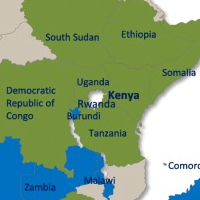
Desde 1979, múltiples programas de los CDC en Kenia han apoyado el desarrollo de experiencia en diagnóstico y capacidad de laboratorio en Kenia. En 2004, el programa de Detección Global de Enfermedades (DGD) de los CDC dentro de la División de Protección Global de la Salud en Kenia (DGHP-Kenia) inició una estrecha colaboración con el Instituto de Investigación Médica de Kenia (KEMRI) y desarrolló una asociación de laboratorio llamada Programa de Sistemas de Diagnóstico y Laboratorio (DLSP). DLSP se basó en los esfuerzos previos de los programas de malaria, virus de inmunodeficiencia humana (VIH) y tuberculosis (TB) y apoyó la expansión de la experiencia y capacidad de diagnóstico en KEMRI y el Ministerio de Salud. Primero, DLSP desarrolló capacidad de laboratorio para la vigilancia de enfermedades diarreicas, respiratorias, zoonóticas y febriles para comprender la carga etiológica de estas enfermedades comunes y apoyar decisiones basadas en evidencia sobre la introducción de vacunas y recomendaciones en Kenia. En segundo lugar, hemos evaluado e implementado nuevas tecnologías de diagnóstico como TaqMan Array Cards (TAC) para detectar patógenos emergentes o reemergentes y recientemente hemos agregado un secuenciador de próxima generación (NGS). En tercer lugar, DLSP brindó un rápido apoyo de diagnóstico de laboratorio para la investigación de brotes a Kenia y países regionales. Cuarto, DLSP ha estado ayudando al laboratorio nacional de salud pública de Kenia-Centro Nacional de Influenza y laboratorio de referencia de microbiología para obtener la certificación de la Organización Mundial de la Salud (OMS) y la acreditación ISO15189 respectivamente. Quinto, hemos apoyado el desarrollo del currículo de bioseguridad y bioseguridad para ayudar a los laboratorios de Kenia a manejar de manera segura y apropiada los patógenos infecciosos. Estos logros resaltan cómo, en colaboración con los programas existentes de los CDC que trabajan en VIH, tuberculosis y malaria, la Agenda de Seguridad de Salud Global puede mejorar significativamente la salud pública en Kenia y la región. Además, Kenia ofrece un ejemplo de cómo la ciencia de laboratorio puede ayudar a los países a detectar y controlar los brotes de enfermedades infecciosas y otras amenazas a la salud pública más rápidamente, mejorando así la seguridad sanitaria mundial.

REFERENCIA:
Hunsperger, Elizabeth et al. Building laboratory capacity to detect and characterize pathogens of public and global health security concern in Kenya. BMC Public Health vol. 19, Suppl 3 477. 10 May. 2019, doi:10.1186/s12889-019-6770-9

-----------------------------------------------------------
Sigue este Blog en Facebook y Twitter
-----------------------------------------------------------

lunes, 2 de septiembre de 2019

#LIBRO: La biodefensa en la era de la biología sintética (INGLÉS)

Publication Info

188 pages | 8.5 x 11 
ISBNs: 
  • Paperback: 978-0-309-46518-2
  • Ebook: 978-0-309-46521-2
DOI: https://doi.org/10.17226/24890 
Los avances científicos en las últimas décadas han acelerado la capacidad de diseñar organismos existentes y crear potencialmente nuevos que no se encuentran en la naturaleza. La biología sintética, que colectivamente se refiere a conceptos, enfoques y herramientas que permiten la modificación o creación de organismos biológicos, se está llevando a cabo de manera abrumadora con fines beneficiosos que van desde reducir la carga de la enfermedad hasta mejorar los rendimientos agrícolas y remediar la contaminación. Aunque las contribuciones que la biología sintética puede hacer en estas y otras áreas son muy prometedoras, también es posible imaginar usos maliciosos que podrían amenazar a los ciudadanos estadounidenses y al personal militar. Tomar decisiones informadas sobre cómo abordar tales preocupaciones requiere una evaluación realista de las capacidades que podrían ser mal utilizadas.
La biodefensa en la era de la biología sintética explora y visualiza los posibles usos indebidos de la biología sintética. Este informe desarrolla un marco para guiar una evaluación de las preocupaciones de seguridad relacionadas con los avances en biología sintética, evalúa los niveles de preocupación garantizados para tales avances e identifica opciones que podrían ayudar a mitigar esas preocupaciones.

REFERENCE:
National Academies of Sciences, Engineering, and Medicine. 2018. Biodefense in the Age of Synthetic Biology. Washington, DC: The National Academies Press. https://doi.org/10.17226/24890.
-----------------------------------------------------------
Sigue este Blog en Facebook y Twitter
-----------------------------------------------------------

viernes, 30 de agosto de 2019

Developing Global Standards for Human Genome Editing, WHO

WHO is establishing a global multi-disciplinary expert panel to examine the scientific, ethical, social and legal challenges associated with human genome editing (both somatic and germ cell). The panel will review the current literature on the state of the research and its applications, and societal attitudes towards the different uses of this technology. WHO will then receive advice from the panel on appropriate oversight and governance mechanisms, both at the national and global level. Core to this work will be understanding how to promote transparency and trustworthy practices and how to ensure appropriate risk/benefit assessments are performed prior to any decision on authorization.
The recent application of tools such as CRISPR-Cas9 to edit the human genome have highlighted the need for the development of standards in this area. WHO’s expert working group will work in a consultative manner and build on existing initiatives. As WHO proceeds, we are liaising with relevant UN and other international agencies, and are in communication with Academies of Science and Medicine as well as with bodies that have produced previous reports.
REFERENCE:
First report of the Advisory Committee on Developing Global Standards for Governance and Oversight of Human Genome Editing (18-19 March 2019, Geneva) pdf, 251kb. REPORT OF THE FIRST MEETING. WHO.

-----------------------------------------------------------
Sigue este Blog en Facebook y Twitter
-----------------------------------------------------------

jueves, 29 de agosto de 2019

VIDEO: Sean Kaufman los invita al #SIBB19, en Guanajuato.

Sean Kaufman los invita al XI Simposio Internacional de Bioseguridad y Biocustodia 2019 (#SIBB19), en Guanajuato.


-----------------------------------------------------------
Sigue este Blog en Facebook y Twitter
-----------------------------------------------------------

#Biosafety Considerations for Plants Developed by New Genetic Modification Techniques


The question whether new genetic modification techniques (nGM) in plant development might result in non-negligible negative effects for the environment and/or health is significant for the discussion concerning their regulation. However, current knowledge to address this issue is limited for most nGMs, particularly for recently developed nGMs, like genome editing, and their newly emerging variations, e.g., base editing. This leads to uncertainties regarding the risk/safety-status of plants which are developed with a broad range of different nGMs, especially genome editing, and other nGMs such as cisgenesis, transgrafting, haploid induction or reverse breeding. A literature survey was conducted to identify plants developed by nGMs which are relevant for future agricultural use. Such nGM plants were analyzed for hazards associated either (i) with their developed traits and their use or (ii) with unintended changes resulting from the nGMs or other methods applied during breeding. Several traits are likely to become particularly relevant in the future for nGM plants, namely herbicide resistance (HR), resistance to different plant pathogens as well as modified composition, morphology, fitness (e.g., increased resistance to cold/frost, drought, or salinity) or modified reproductive characteristics. Some traits such as resistance to certain herbicides are already known from existing GM crops and their previous assessments identified issues of concern and/or risks, such as the development of herbicide resistant weeds. Other traits in nGM plants are novel; meaning they are not present in agricultural plants currently cultivated with a history of safe use, and their underlying physiological mechanisms are not yet sufficiently elucidated. Characteristics of some genome editing applications, e.g., the small extent of genomic sequence change and their higher targeting efficiency, i.e., precision, cannot be considered an indication of safety per se, especially in relation to novel traits created by such modifications. All nGMs considered here can result in unintended changes of different types and frequencies. However, the rapid development of nGM plants can compromise the detection and elimination of unintended effects. Thus, a case-specific premarket risk assessment should be conducted for nGM plants, including an appropriate molecular characterization to identify unintended changes and/or confirm the absence of unwanted transgenic sequences.
REFERENCE:
Eckerstorfer, Michael F et al. “An EU Perspective on Biosafety Considerations for Plants Developed by Genome Editing and Other New Genetic Modification Techniques (nGMs).” Frontiers in bioengineering and biotechnology vol. 7 31. 5 Mar. 2019, doi:10.3389/fbioe.2019.00031

-----------------------------------------------------------
Sigue este Blog en Facebook y Twitter
-----------------------------------------------------------