| Lista de correo. Espere su aprobación. |
| Consultar este grupo |
lunes, 25 de noviembre de 2019
Risk of transmission via medical employees of MERS
Background: In 2015, South Korea experienced an outbreak of Middle East respiratory syndrome (MERS), and our hospital experienced a nosocomial MERS infection. We performed a comprehensive analysis to identify the MERS transmission route and the ability of our routine infection-prevention policy to control this outbreak.
Methods: This is a case–cohort study of retrospectively analysed data from medical charts, closed-circuit television, personal interviews and a national database. We analysed data of people at risk of MERS transmission including 228 in the emergency department (ED) and 218 in general wards (GW). Data of personnel location and movement, personal protection equipment and hand hygiene was recorded. Transmission risk was determined as the extent of exposure to the index patient: 1) high risk: staying within 2 m; 2) intermediate risk: staying in the same room at same time; and 3) low risk: only staying in the same department without contact.
Results: The index patient was an old patient admitted to our hospital. 11 transmissions from the index patient were identified; 4 were infected in our hospital. Personnel in the ED exhibited higher rates of compliance with routine infection-prevention methods as observed objectively: 93% wore a surgical mask and 95.6% washed their hands. Only 1.8% of personnel were observed to wear a surgical mask in the GW. ED had a higher percentage of high-risk individuals compared with the GW (14.5% vs. 2.8%), but the attack rate was higher in the GW (16.7%; l/6) than in the ED (3%; 1/33). There were no transmissions in the intermediate- and low-risk groups in the ED. Otherwise 2 patients were infected in the GW among the low-risk group. MERS were transmitted to them indirectly by staff who cared for the index patient.
Conclusions: Our study provide compelling evidence that routine infection-prevention policies can greatly reduce nosocomial transmission of MERS. Conventional isolation is established mainly from contact tracing of patients during a MERS outbreak. But it should be extended to all people treated by any medical employee who has contact with MERS patients.
Trial registration: NCT02605109, date of registration: 11th November 2015.
REFERENCE:
Ki, Hyun Kyun et al. Risk of transmission via medical employees and importance of routine infection-prevention policy in a nosocomial outbreak of Middle East respiratory syndrome (MERS): a descriptive analysis from a tertiary care hospital in South Korea. BMC pulmonary medicine vol. 19,1 190. 30 Oct. 2019, doi:10.1186/s12890-019-0940-5
-----------------------------------------------------------
Sigue este Blog en Facebook y Twitter
-----------------------------------------------------------
viernes, 22 de noviembre de 2019
Potential of Cell-Free Protein Synthesis
Cell-free protein synthesis (CFPS) system is a simple, rapid, and sensitive tool that is devoid of membrane-bound barriers, yet contains all the mandatory substrates, biomolecules, and machineries required for the synthesis of the desired proteins. It has the potential to overcome loopholes in the current in vivo production systems and is a promising tool in both basic and applied scientific research. It facilitates a simplified organization of desired experiments with a variety of reaction conditions, making CFPS a powerful tool in biological research. It has been used for the expansion of genetic code, assembly of viruses, and in metabolic engineering for production of toxic and complex proteins. Subsequently, CFPS systems have emerged as potent technology for high-throughput production of membrane proteins, enzymes, and therapeutics. The present review highlights the recent advances and uses of CFPS systems in biomedical, therapeutic, and biotechnological applications. Additionally, we highlight possible solutions to the potential biosafety issues that may be encountered while using CFPS technology.
REFERENCE:
Khambhati K, et al. Exploring the Potential of Cell-Free Protein Synthesis for Extending the Abilities of Biological Systems. Front Bioeng Biotechnol. 2019 Oct 11;7:248. doi: 10.3389/fbioe.2019.00248. eCollection 2019. Review. PubMed PMID: 31681738; PubMed Central PMCID: PMC6797904.
-----------------------------------------------------------
Sigue este Blog en Facebook y Twitter
-----------------------------------------------------------
REFERENCE:
Khambhati K, et al. Exploring the Potential of Cell-Free Protein Synthesis for Extending the Abilities of Biological Systems. Front Bioeng Biotechnol. 2019 Oct 11;7:248. doi: 10.3389/fbioe.2019.00248. eCollection 2019. Review. PubMed PMID: 31681738; PubMed Central PMCID: PMC6797904.
-----------------------------------------------------------
Sigue este Blog en Facebook y Twitter
-----------------------------------------------------------
jueves, 21 de noviembre de 2019
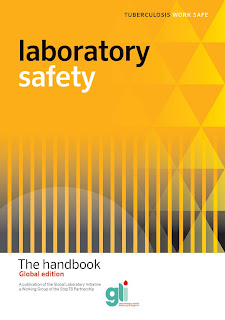
Laboratory Safety: Handbook (Tuberculosis)
This guide has been developed to help reduce the risk of infection or injury, and protect the laboratory workforce and the wider community against unintentional exposures or releases of pathogenic biological agents. This handbook provides practical information and clear illustrations to assist laboratory staff in understanding the important safety issues related to the processing and management of samples potentially containing Mycobacterium tuberculosis.
The Laboratory Safety handbook is a practical guide for laboratory staff; it draws on decades of experience working in culture and DST laboratories, and references best practice documents released by WHO, the Global Laboratory Initiative, and The Union. The Handbook uses simple text and clear illustrations to assist laboratory staff in understanding the important safety issues involved in performing culture and DST. The TB Laboratory Safety handbook should be used with the Tuberculosis laboratory biosafety manual.
REFERENCE:
Laboratory Safety: Handbook
ISBN: 978-0-6486845-1-0 (PDF)
ISBN: 978-0-6486845-0-3 (Print)
© 2019 Global Laboratory Initiative
Global TB Programme
World Health Organization
-----------------------------------------------------------
Sigue este Blog en Facebook y Twitter
-----------------------------------------------------------
The Laboratory Safety handbook is a practical guide for laboratory staff; it draws on decades of experience working in culture and DST laboratories, and references best practice documents released by WHO, the Global Laboratory Initiative, and The Union. The Handbook uses simple text and clear illustrations to assist laboratory staff in understanding the important safety issues involved in performing culture and DST. The TB Laboratory Safety handbook should be used with the Tuberculosis laboratory biosafety manual.
REFERENCE:
Laboratory Safety: Handbook
ISBN: 978-0-6486845-1-0 (PDF)
ISBN: 978-0-6486845-0-3 (Print)
© 2019 Global Laboratory Initiative
Global TB Programme
World Health Organization
-----------------------------------------------------------
Sigue este Blog en Facebook y Twitter
-----------------------------------------------------------
miércoles, 20 de noviembre de 2019
Penetración de etoxi- y butoxietanoles a través de un guante desechable de nitrilo
El propósito de este estudio fue investigar la penetración de los glicoléteres, 2-etoxietanol (2-EE) y 2-butoxietanol (2-BE) a través de guantes de examen desechables de nitrilo usando un módulo ASTM modificado de circuito cerrado. Los dos éteres de glicol puro desafiaron el guante de nitrilo púrpura sin polvo, sin forro, sin forro, de Kimberly-Clark. Sus parámetros de permeación se midieron con la ayuda de una celda de permeación de circuito cerrado ASTM F739 de 2.54 cm utilizando recolección de agua a 35.0 ± 0.5oC en un baño de agua con bandeja móvil y cromatografía de gases capilar-espectrometría de masas para cuantificación. Cada conjunto de experimentos consistió en cuatro células de permeación estándar con agua como solvente de recolección. La tasa de permeación en estado estacionario para 2-EE de 4,83 ± 0,45 µg / cm2 / min fue aproximadamente 4 veces mayor que la de 2-BE (1,27 ± 0,11 µg / cm2 / min). La penetración del 2-BE más no polar fue menor que para el 2-EE. Ambos solventes excedieron el umbral de tiempo normalizado de ASTM en el módulo de prueba de circuito cerrado. Las muestras de guantes no pasaron los criterios de permeabilidad definidos por Kimberly Clark y Ansell. Tales guantes no se recomiendan como equipo de protección personal para la exposición al 2-butoxietanol o al 2-etoxietanol, incluso para exposiciones de períodos muy cortos. Los fabricantes de guantes deberían reconsiderar el método de prueba de permeación existente para compuestos de baja volatilidad y aplicar el módulo de circuito cerrado debido a una mayor sensibilidad y precisión.
-----------------------------------------------------------
Sigue este Blog en Facebook y Twitter
-----------------------------------------------------------
REFERENCIA:
Banaee S, Que Hee SS. Permeation of ethoxy- and butoxy- ethanols through a disposable nitrile glove. Ind Health. 2019 Nov 2. doi: 10.2486/indhealth.2019-0146. [Epub ahead of print] PubMed PMID: 31685784.Sigue este Blog en Facebook y Twitter
-----------------------------------------------------------
lunes, 18 de noviembre de 2019
Bat Research Networks and Viral Surveillance
Bat research networks and viral surveillance are assumed to be at odds due to seemingly conflicting research priorities. Yet human threats that contribute to declines in bat populations globally also lead to increased transmission and spread of bat-associated viruses, which may pose a threat to global health and food security. In this review, we discuss the importance of and opportunities for multidisciplinary collaborations between bat research networks and infectious disease experts to tackle shared threats that jeopardize bat conservation as well as human and animal health. Moreover, we assess research effort on bats and bat-associated viruses globally, and demonstrate that Western Asia has limited published research and represents a gap for coordinated bat research. The lack of bat research in Western Asia severely limits our capacity to identify and mitigate region-specific threats to bat populations and detect interactions between bats and incidental hosts that promote virus spillover. We detail a regional initiative to establish the first bat research network in Western Asia (i.e., the Western Asia Bat Research Network, WAB-Net), with the aim of integrating ecological research on bats with virus surveillance to find “win-win” solutions that promote bat conservation and safeguard public and animal health across the region.
REFERENCE:
Phelps, Kendra L et al. Bat Research Networks and Viral Surveillance: Gaps and Opportunities in Western Asia. Viruses vol. 11,3 240. 10 Mar. 2019, doi:10.3390/v11030240
-----------------------------------------------------------
Sigue este Blog en Facebook y Twitter
-----------------------------------------------------------
REFERENCE:
Phelps, Kendra L et al. Bat Research Networks and Viral Surveillance: Gaps and Opportunities in Western Asia. Viruses vol. 11,3 240. 10 Mar. 2019, doi:10.3390/v11030240
-----------------------------------------------------------
Sigue este Blog en Facebook y Twitter
-----------------------------------------------------------
jueves, 14 de noviembre de 2019
CDC’s Antibiotic Resistance Threats in the United States, 2019
![]() |
DOWNLOAD REPORT |
According to the report, more than 2.8 million antibiotic-resistant infections occur in the U.S. each year, and more than 35,000 people die as a result. In addition, 223,900 cases of Clostridioides difficile occurred in 2017 and at least 12,800 people died.
Dedicated prevention and infection control efforts in the U.S. are working to reduce the number of infections and deaths caused by antibiotic-resistant germs, but the number of people facing antibiotic resistance is still too high. More action is needed to fully protect people.
CDC is concerned about rising resistant infections in the community, which can put more people at risk, make spread more difficult to identify and contain, and threaten the progress made to protect patients in healthcare. The emergence and spread of new forms of resistance remains a concern.
The report lists 18 antibiotic-resistant bacteria and fungi into three categories based on level of concern to human health—urgent, serious, and concerning—and highlights:
- Estimated infections and deaths since the 2013 report
- Aggressive actions taken
- Gaps slowing progress
The report also includes a Watch List with three threats that have not spread resistance widely in the U.S. but could become common without a continued aggressive approach.
REFERENCE:
Biggest Threats and Data. CDC 2019. https://www.cdc.gov/drugresistance/biggest-threats.html
Sigue este Blog en Facebook y Twitter
-----------------------------------------------------------
miércoles, 13 de noviembre de 2019
#BOOK: Preventing Transmission of Pandemic Influenza and Other Viral Respiratory Diseases
![]() |
200 pages | 6 x 9
ISBNs:
Paperback: 978-0-309-16254-8
Ebook: 978-0-309-21429-2
|
CONTENT:
- Introduction
- Understanding the Risk to Healthcare Personnel
- Designing and Engineering Effective PPE
- Using PPE: Individual and Organizational Issues
- Policy Research and Implementation: Healthcare Systems, Standards, and Certification
REFERENCE:
Institute of Medicine. 2011. Preventing Transmission of Pandemic Influenza and Other Viral Respiratory Diseases: Personal Protective Equipment for Healthcare Personnel: Update 2010. Washington, DC: The National Academies Press.
-----------------------------------------------------------
Sigue este Blog en Facebook y Twitter
-----------------------------------------------------------
martes, 12 de noviembre de 2019
COURSE: Pandemic influenza- Introduction
Overview: Pandemic influenza is an acute viral disease of the respiratory tract. It occurs when an influenza virus that was not previously circulating among people and to which most people have no immunity emerges and transmits among people. This course provides a general introduction to the disease through a short video lecture and quizzes to test your knowledge. It targets personnel preparing to respond to pandemic influenza outbreaks, including medical professionals, public health officials, incident managers and risk communication experts.
Learning objective: By the end of this course, participants should be able to:
Course duration: Approximately 1 hour.
Certificates: No certificate available at this time.
Self-paced
Language: English
Basic (Basique)
-----------------------------------------------------------
Sigue este Blog en Facebook y Twitter
-----------------------------------------------------------
Learning objective: By the end of this course, participants should be able to:
- describe transmission, symptoms and treatment for pandemic influenza;
- introduce key pharmaceutical and non-pharmaceutical interventions; and
- understand influenza pandemic phases and key public health challenges.
Course duration: Approximately 1 hour.
Certificates: No certificate available at this time.
Self-paced
Language: English
Basic (Basique)
Sigue este Blog en Facebook y Twitter
-----------------------------------------------------------
lunes, 11 de noviembre de 2019
Correlating Penetration with Biofilm Activity and Viability
Disinfectant biofilm penetration and its effect on biofilm aerobic activity and viability are still unclear. In this study, free chlorine and monochloramine were applied until full biofilm penetration occurred, and their effects on biofilm aerobic activity and viability were investigated in three–dimensions throughout the entire biofilm depth, extending previous work where viability analysis was limited to the upper biofilm (50 μm depth), free chlorine penetration did not reach completion, and only one–dimensional (depth) profiles were obtained. The free chlorine and monochloramine biofilm concentration profiles were correlated spatially and temporally with aerobic microbial activity and cell–membrane integrity based viability using a combination of (1) microelectrode measurements for disinfectant penetration and (2) Live/Dead BacLight staining, cryo–cross–sectioning, and confocal micrographs analysis for viability measurements throughout the entire biofilm depth. Compared to monochloramine, free chlorine penetration (1) was slower, (2) led to a greater decrease in biofilm thickness from sloughing, and (3) corresponded directly with a viability decrease. In addition, biofilm heterogeneity led to minor differences in either disinfectant’s biofilm penetration, and prior biofilm exposure to monochloramine provided little impact to subsequent free chlorine biofilm penetration.
REFERENCE:
Lee WH, Pressman JG, Wahman DG. Three-Dimensional Free Chlorine and Monochloramine Biofilm Penetration: Correlating Penetration with Biofilm Activity and Viability. Environ Sci Technol. 2018;52(4):1889–1898. doi:10.1021/acs.est.7b05215
-----------------------------------------------------------
Sigue este Blog en Facebook y Twitter
-----------------------------------------------------------
REFERENCE:
Lee WH, Pressman JG, Wahman DG. Three-Dimensional Free Chlorine and Monochloramine Biofilm Penetration: Correlating Penetration with Biofilm Activity and Viability. Environ Sci Technol. 2018;52(4):1889–1898. doi:10.1021/acs.est.7b05215
-----------------------------------------------------------
Sigue este Blog en Facebook y Twitter
-----------------------------------------------------------
jueves, 7 de noviembre de 2019
Surveillance of laboratory exposures to human pathogens and toxins: Canada 2018.
BACKGROUND: The Laboratory Incident Notification Canada (LINC) surveillance system monitors laboratory incidents reported under the Human Pathogens and Toxins Act. The year 2018 marks the third complete year of data.METHODS: Laboratory incidents that occurred in 2018 were reported through the LINC system. The number of laboratory incidents, people exposed and laboratory-acquired infections were compared to previous years, then the incidents were analyzed by sector, human pathogen or toxin involved, the type of incident, people exposed, route of exposure and root causes. Microsoft Excel 2016 was used for descriptive analysis.
RESULTS: In 2018, there were 89 exposure incidents to human pathogens and 235 people were exposed. There were five suspected and one confirmed laboratory-acquired infections. This was approximately twice the number of exposure incidents that were reported in 2017 (n=44) and 2016 (n=46). The highest number of exposure incidents occurred in the academic and hospital sectors, and the ratio of incidence to licences was the lowest in the private sector. The majority of incidents (n=50; 56%) involved Risk Group 2 human pathogens that were manipulated in a Containment Level 2 laboratory. Most exposures were related to sharps or procedures and the most common people exposed were laboratory technicians. Human interaction and standard operating procedures were the leading root causes.
CONCLUSION: Although overall the annual incidence of laboratory exposures in Canada remains relatively low, the incidence was higher in 2018 than in previous years. Whether this is a true increase in incidence or an increase in reporting is not known at this time as baseline estimates are still being established.
REFERENCE:
Choucrallah, D et al. Surveillance of laboratory exposures to human pathogens and toxins: Canada 2018. Canada communicable disease report = Releve des maladies transmissibles au Canada vol. 45,9 244-251. 5 Sep. 2019, doi:10.14745/ccdr.v45i09a04
-----------------------------------------------------------
Sigue este Blog en Facebook y Twitter
-----------------------------------------------------------
miércoles, 6 de noviembre de 2019
#BOOK: The Use and Effectiveness of Powered Air Purifying Respirators in Health Care
![]() |
80 pages | 6 x 9
ISBNs:
Paperback: 978-0-309-31595-1
Ebook: 978-0-309-31598-2
|
The Use and Effectiveness of Powered Air Purifying Respirators in Health Care is the summary of a workshop convened by the Institute of Medicine Standing Committee on Personal Protective Equipment for Workplace Safety and Health to explore the current state of practices and research related to powered air purifying respirator (PAPRs) and potential updates to performance requirements. Presentations and discussions highlighted current health care practices using PAPRs and outlined the research to date on the use and effectiveness of PAPRs in health care settings with a focus on the performance requirements. The Use and Effectiveness of Powered Air Purifying Respirators in Health Care focuses on efficacy, current training, maintenance, supplies, and possible enhancements and barriers to use in inpatient, clinic, nursing home, and community (home) settings. This report also explores the strengths and weaknesses of using various approaches to health care PAPR standards.
REFERENCE:
Institute of Medicine. 2015. The Use and Effectiveness of Powered Air Purifying Respirators in Health Care: Workshop Summary. Washington, DC: The National Academies Press. https://doi.org/10.17226/18990.
Sigue este Blog en Facebook y Twitter
-----------------------------------------------------------
martes, 5 de noviembre de 2019
Managing epidemics
.This manual provides concise and up-to-date knowledge on 15 infectious diseases that have the potential to become international threats, and tips on how to respond to each of them.
The 21st century has already been marked by major epidemics. Old diseases - cholera, plague and yellow fever - have returned, and new ones have emerged - SARS, pandemic influenza, MERS, Ebola and Zika. These epidemics and their impact on global public health have convinced the world's governments of the need for a collective and coordinated defense against emerging public health threats and accelerated the revision of the International Health Regulations (2005), entered into force in 2007. Another Ebola epidemic, another plague epidemic or a new influenza pandemic are not mere probabilities, the threat is real. Whether transmitted by mosquitoes, other insects, via contact with animals or person-to-person, the only major uncertainty is when and where they, or a new, but equally lethal epidemic, will emerge. These diseases all have the potential to spread internationally highlighting the importance of immediate and coordinated response. The diseases covered are: Ebola virus disease, lassa fever, Crimean-Congo haemorrhagic fever, yellow fever, Zika, chikungunya, avian and other zoonotic influenza, seasonal influenza, pandemic influenza, Middle-East respiratory syndrome (MERS), cholera, monkeypox, plague, leptospirosis and meningococcal meningitis. Although originally developed as guidance for WHO officials, this publication is available to a wide readership including all frontline responders - communities, government officials, non-State actors and public health professionals - who need to respond rapidly and effectively when an outbreak is detected.
REFERENCE:
Managing epidemics: Key facts about major deadly diseases. Authors: World Health Organization
Number of pages: 255 Publication date: May 2018 Languages: English
ISBN: 978-92-4-156553-0
-----------------------------------------------------------
-----------------------------------------------------------
lunes, 4 de noviembre de 2019
A cryogel-based bioreactor for water treatment applications
The aim of this study was to develop and test a non-diffusion limited, high cell density bioreactor for biodegradation of various phenol derivatives. The bioreactor was obtained using a straightforward one-step preparation method using cryostructuration and direct cross-linking of bacteria into a 3D structured (sponge-like) macroporous cryogel composite material consisting of 11.6% (by mass) cells and 1.2-1.7% polymer, with approximately 87% water (in the material pores). The macroporous cryogel composite material, composed of live bacteria, has pore sizes in the range of 20-150 μm (confirmed by SEM and Laser Scanning Confocal Microscopy). The enzymatic activity of bacteria within the cryogel structure and the effect of freezing on the viability of the cross-linked cells was estimated by MTT assay. Cryogels based on Pseudomonas mendocina, Rhodococcus koreensis and Acinetobacter radioresistens were exploited for the effective bioremediation of phenol and m-cresol, and to a lesser extent 2-chlorophenol and 4-chlorophenol, utilising these phenolic contaminants in water as their only source of carbon. For evaluation of treatment scalability the bioreactors were prepared in plastic "Kaldnes" carriers to improve their mechanical properties and allow application in batch or fluidised bed water treatment modes.
REFERENCE:
Berillo DA, et al. A cryogel-based bioreactor for water treatment applications. Water Res. 2019 Apr 15;153:324-334. doi: 10.1016/j.watres.2019.01.028. Epub 2019 Jan 31. PubMed PMID: 30739074.
Sigue este Blog en Facebook y Twitter
-----------------------------------------------------------
viernes, 1 de noviembre de 2019
#BOOK: Global Guidelines for the Prevention of Surgical Site Infection
The first ever Global guidelines for the prevention of surgical site infection (SSI) were published on 3 November 2016, then updated in some parts and published in a new edition in December 2018. They include a list of 29 concrete recommendations on 23 topics for the prevention of SSI in the pre-, intra and postoperative periods, which are based on 28 systematic reviews of the evidence.
For the 2018 update, the membership of the guidelines development group (GDG) was broadened to include an additional eight anaesthesiology experts. The 2018 edition of the guidelines includes the revision of the recommendation regarding the use of 80% fraction of inspired oxygen (high FiO2) in surgical patients under general anaesthesia with tracheal intubation and the update of the section on implementation. Between 2017 and 2018, WHO re-assessed the evidence on the use of high FiO2 by updating the systematic review related to the effectiveness of this intervention to reduce SSI and commissioning an independent systematic review on adverse events potentially associated with it. Based on the updated evidence, the GDG decided to revise the strength of the recommendation from strong to conditional.
REFERENCIA:Global Guidelines for the Prevention of Surgical Site Infection. Geneva: World Health Organization; 2018. ISBN 978-92-4-155047-5. Available from: https://www.ncbi.nlm.nih.gov/books/NBK536404/
-----------------------------------------------------------
Sigue este Blog en Facebook y Twitter
-----------------------------------------------------------
jueves, 31 de octubre de 2019
Días de Muertos, Noviembre 1 y 2
En México, la tradición del Día de Muertos surge como parte del sincretismo religioso, en la época colonial. Durante la etapa prehispánica, el culto a la muerte estuvo presente en distintas culturas a lo largo y ancho de México. El día 1° de noviembre, se celebra el Día de Todos los Santos de acuerdo a la tradición católica. En esta fecha se recuerdan a todos aquellos que murieron sin ser beatos y santos, además de quienes fallecieron a temprana edad como los niños. De acuerdo a la religión católica, el Día de los Fieles Difuntos que tiene lugar el 2 de noviembre, se realiza una oración por aquellos que no han accedido al paraíso. En México, las tradiciones de esta celebración incluyen visitar a los seres queridos que ya partieron en los cementerios y preparar altares con alimentos, veladoras, incienso, fotografías y flores para recordarlos. Es solo durante estos días que las almas de los seres queridos pueden volver del más allá para estar cerca de los suyos.
FUENTE
-----------------------------------------------------------
Sigue este Blog en Facebook y Twitter
-----------------------------------------------------------
FUENTE
-----------------------------------------------------------
Sigue este Blog en Facebook y Twitter
-----------------------------------------------------------
miércoles, 30 de octubre de 2019
#BOOK: Reusable Elastomeric Respirators in Health Care
![]() |
226 pages | 6 x 9
ISBNs:
Paperback: 978-0-309-48515-9
Ebook: 978-0-309-48518-0
|
During a public health emergency, challenges will arise concerning the availability of respiratory protective devices (i.e., respirators). Reusable respirators (specifically, reusable half-facepiece elastomeric respirators) are the standard respiratory protection device used in many industries, and they provide an option for use in health care that has to date not been fully explored. The durability and reusability of elastomeric respirators make them desirable for stockpiling for emergencies, where the need for large volumes of respirators can be anticipated. However, they are used infrequently in health care.
Reusable Elastomeric Respirators in Health Care explores the potential for the use of elastomeric respirators in the U.S. health care system with a focus on the economic, policy, and implementation challenges and opportunities. This report examines the practicability of elastomeric use in health care on a routine basis and during an influenza pandemic or other large aerosol-transmissible outbreak, when demand for respiratory protective devices by U.S. health care personnel may be larger than domestic supplies. The report also addresses the issues regarding emergency stockpile management of elastomeric respiratory protective devices.
REFERENCE:
National Academies of Sciences, Engineering, and Medicine. 2019. Reusable Elastomeric Respirators in Health Care: Considerations for Routine and Surge Use. Washington, DC: The National Academies Press. https://doi.org/10.17226/25275.
-----------------------------------------------------------
Sigue este Blog en Facebook y Twitter
-----------------------------------------------------------
martes, 29 de octubre de 2019
Intervención educativa en trabajadores de limpieza en áreas de investigación
Objetivo. Evaluar los resultados de una intervención educativa sobre salud y seguridad laboral bajo principios de bioseguridad en trabajadores y trabajadoras de limpieza de una institución de salud. Material y métodos. Evaluación con métodos mixtos concurrentes sobre conocimientos, actitudes y prácticas en bioseguridad y percepción de riesgos, con medición basal y dos seguimientos, en 31 trabajadores y trabajadoras. Se realizaron modelos fraccionales separados para estimar interacciones de las mediciones. Se hizo análisis cualitativo temático y triangulación metodológica. Resultados. Los conocimientos (+33.3 puntos, escala 0 - 100), actitudes (+10.6) y prácticas (+23.5) incrementaron significativamente en el primer seguimiento; los conocimientos disminuyeron en el segundo seguimiento (p<0.001). Los hallazgos cualitativos revelaron mejora en actitudes y prácticas de prevención frente al riesgo, enmarcados por experiencias de vulnerabilidad, estigma y discriminación. Conclusiones. El estudio aporta elementos clave para la investigación en bioseguridad relacionada con grupos vulnerables y es efectivo para la promoción de la salud de un sector desfavorecido e invisibilizado.
REFERENCIA:
Parra-Tapia E, Perales-Ortiz G, Quezada AD, Torres-Pereda P. Salud y seguridad laboral: intervención educativa en trabajadores de limpieza en áreas de investigación. Salud Publica Mex. 2019;61:657-669. https://doi.org/10.21149/10026
-----------------------------------------------------------
Sigue este Blog en Facebook y Twitter
-----------------------------------------------------------
REFERENCIA:
Parra-Tapia E, Perales-Ortiz G, Quezada AD, Torres-Pereda P. Salud y seguridad laboral: intervención educativa en trabajadores de limpieza en áreas de investigación. Salud Publica Mex. 2019;61:657-669. https://doi.org/10.21149/10026
-----------------------------------------------------------
Sigue este Blog en Facebook y Twitter
-----------------------------------------------------------
Reduced Effectiveness of Current Hand Hygiene against mucus with #Influenza Virus
IMPORTANCE: Antiseptic hand rubbing (AHR) and antiseptic hand washing (AHW) are important to prevent the spread of influenza A virus (IAV). This study elucidated the situations/mechanisms underlying the reduced efficacy of AHR against infectious mucus derived from IAV-infected individuals and indicated the weaknesses of the current hand hygiene regimens. Due to the low rate of diffusion/convection because of the physical properties of mucus as a hydrogel, the efficacy of AHR using ethanol-based disinfectant against mucus is greatly reduced until infectious mucus adhering to the hands/fingers has completely dried. If there is insufficient time before treating the next patient (i.e., if the infectious mucus is not completely dry), medical staff should be aware that effectiveness of AHR is reduced. Since AHW is effective against both dry and nondry infectious mucus, AHW should be adopted to compensate for these weaknesses of AHR.
REFERENCE:
Hirose R, et al. Situations Leading to Reduced Effectiveness of Current Hand Hygiene against Infectious Mucus from Influenza Virus-Infected Patients. mSphere. 2019 Sep 18;4(5). pii: e00474-19. doi: 10.1128/mSphere.00474-19. PubMed PMID: 31533996; PubMed Central PMCID: PMC6751490.
-----------------------------------------------------------
Sigue este Blog en Facebook y Twitter
-----------------------------------------------------------
REFERENCE:
Hirose R, et al. Situations Leading to Reduced Effectiveness of Current Hand Hygiene against Infectious Mucus from Influenza Virus-Infected Patients. mSphere. 2019 Sep 18;4(5). pii: e00474-19. doi: 10.1128/mSphere.00474-19. PubMed PMID: 31533996; PubMed Central PMCID: PMC6751490.
Sigue este Blog en Facebook y Twitter
-----------------------------------------------------------
lunes, 28 de octubre de 2019
Tratamiento de una infección por el virus de la Vaccinia de un pinchazo profesional
¿Qué se sabe sobre este tema?
La exposición accidental al virus Vaccinia, un ortopoxvirus utilizado en la investigación biomédica, puede causar lesiones considerables y pérdida de tiempo en el trabajo. Se recomienda la vacunación para los laboratorios que utilizan el virus vaccinia competente en replicación; sin embargo, los laboratorios establecen sus propias políticas.
¿Qué agrega este informe?
El tecovirimat, un nuevo antiviral aprobado para el tratamiento de la viruela, y la inmunoglobulina vaccinia se usaron para tratar de manera segura una exposición ocupacional en un laboratorio no vacunado que fue excluido del trabajo durante 4 meses.
¿Cuáles son las implicaciones para la práctica de la salud pública?
Los laboratorios deben asegurarse de que los trabajadores estén informados sobre los riesgos asociados con la manipulación del virus vaccinia y deben aconsejar a los trabajadores sobre los beneficios potenciales de la vacunación recibida de acuerdo con las pautas actuales.
REFERENCIA:
Whitehouse ER, Rao AK, Yu YC, et al. Novel Treatment of a Vaccinia Virus Infection from an Occupational Needlestick — San Diego, California, 2019. MMWR Morb Mortal Wkly Rep 2019;68:943–946. DOI: http://dx.doi.org/10.15585/mmwr.mm6842a2
-----------------------------------------------------------
Sigue este Blog en Facebook y Twitter
-----------------------------------------------------------
La exposición accidental al virus Vaccinia, un ortopoxvirus utilizado en la investigación biomédica, puede causar lesiones considerables y pérdida de tiempo en el trabajo. Se recomienda la vacunación para los laboratorios que utilizan el virus vaccinia competente en replicación; sin embargo, los laboratorios establecen sus propias políticas.
¿Qué agrega este informe?
El tecovirimat, un nuevo antiviral aprobado para el tratamiento de la viruela, y la inmunoglobulina vaccinia se usaron para tratar de manera segura una exposición ocupacional en un laboratorio no vacunado que fue excluido del trabajo durante 4 meses.
¿Cuáles son las implicaciones para la práctica de la salud pública?
Los laboratorios deben asegurarse de que los trabajadores estén informados sobre los riesgos asociados con la manipulación del virus vaccinia y deben aconsejar a los trabajadores sobre los beneficios potenciales de la vacunación recibida de acuerdo con las pautas actuales.
REFERENCIA:
Whitehouse ER, Rao AK, Yu YC, et al. Novel Treatment of a Vaccinia Virus Infection from an Occupational Needlestick — San Diego, California, 2019. MMWR Morb Mortal Wkly Rep 2019;68:943–946. DOI: http://dx.doi.org/10.15585/mmwr.mm6842a2
-----------------------------------------------------------
Sigue este Blog en Facebook y Twitter
-----------------------------------------------------------
sábado, 26 de octubre de 2019
Survival of Microorganisms on N95 masks
Bioaerosol is a threat at workplaces, therefore the selection and safe use of filtering facepiece respirators (FFRs) is important in preventive activities. The aim of the study was to assess the survival of microorganisms on materials used for FFRs construction. The parameters for microorganism growth under model conditions were described using the Gompertz equation, model verification was also carried out using FFRs at the farmers’ workplaces. We found that the factors determining a high survival of microorganisms were as follows: moisture corresponding to the conditions of use and storage of FFRs at workplaces, the presence of sweat and organic dust; inorganic dust and addition of biocide in nonwovens limited the growth of microorganisms, resulting in a shortening of the stationary growth phase and decreased cell numbers (5–6 log). Dust concentration at workplaces was higher than EU occupational exposure limit values and WHO recommendations for airborne particulate matter. Microbial contaminations of the air (103–104 CFU/m3), settled dust (104–106 CFU/g) and FFRs (105 CFU/4cm2) during the grain harvest were high, the main contamination being bacteria (actinomycetes, Pseudomonas fluorescens) and xerophilic fungi. A high correlation was found between the number of microorganisms and the weight of dust on FFRs (R2 = 0.93–0.96).
REFERENCE:
Jachowicz A, et al. Survival of Microorganisms on Filtering Respiratory Protective Devices Used at Agricultural Facilities. Int J Environ Res Public Health. 2019;16(16):2819. Published 2019 Aug 7. doi:10.3390/ijerph16162819
-----------------------------------------------------------
Sigue este Blog en Facebook y Twitter
-----------------------------------------------------------
REFERENCE:
Jachowicz A, et al. Survival of Microorganisms on Filtering Respiratory Protective Devices Used at Agricultural Facilities. Int J Environ Res Public Health. 2019;16(16):2819. Published 2019 Aug 7. doi:10.3390/ijerph16162819
-----------------------------------------------------------
Sigue este Blog en Facebook y Twitter
-----------------------------------------------------------
viernes, 25 de octubre de 2019
Relación entre la exposición ocupacional a desinfectantes y la incidencia de la enfermedad #EPOC
![]() |
| EPOC, conjunto de enfermedades pulmonares que obstruyen la circulación de aire y dificultan la respiración. |
Conclusiones: En un estudio de cohortes de 73 262 enfermeras estadounidenses que participaron en el Estudio de salud de enfermeras II, a las que se les dio seguimiento desde 2009 hasta 2015, la exposición ocupacional a productos de limpieza y desinfectantes se relacionó significativamente con un aumento del 25 % al 38 % del riesgo de desarrollar la enfermedad pulmonar obstructiva crónica independiente del asma y del tabaquismo.
Significado: Las conclusiones de este estudio sugieren que el uso regular de desinfectantes químicos entre las enfermeras puede ser un factor de riesgo para desarrollar la enfermedad pulmonar obstructiva crónica.
REFERENCIA:
Dumas O, et al. Association of Occupational Exposure to Disinfectants With Incidence of Chronic Obstructive Pulmonary Disease Among US Female Nurses. JAMA Netw Open. Published online October 18, 20192(10):e1913563. doi:10.1001/jamanetworkopen.2019.13563
-----------------------------------------------------------
Sigue este Blog en Facebook y Twitter
-----------------------------------------------------------
jueves, 24 de octubre de 2019
Factores en la selección de desinfectantes de superficie en instalaciones animales
Debido a que los desinfectantes de superficie son un medio importante para el control de patógenos dentro de las instalaciones de animales de laboratorio, estos productos deben tener un espectro apropiado de actividad antimicrobiana. Sin embargo, también se deben considerar muchos otros factores, incluidos los efectos sobre la salud humana, la seguridad ambiental y el comportamiento animal. Las soluciones acuosas de hipoclorito de sodio a menudo se consideran el "estándar de oro" para la desinfección de la superficie, pero estos productos pueden ser corrosivos, cáusticos y de olor aversivo. Este estudio fue diseñado para identificar desinfectantes que son tan efectivos como las soluciones de hipoclorito pero más aceptables para su uso en un entorno de animales de laboratorio. Se desarrolló un ensayo de eficacia desinfectante antiviral mediante el uso de vectores virales que expresaban la proteína verde fluorescente como sustitutos de virus de tipo salvaje de interés en animales de laboratorio. Las pruebas de eficacia revelaron que la mayoría de los productos eran altamente efectivos cuando se usaban contra vectores virales en suspensión. Sin embargo, cuando los desinfectantes fueron desafiados por el virus amortiguador en proteínas o por el virus de secado en superficies no porosas, los productos de hipoclorito y peroximonosulfato tuvieron el mejor rendimiento. La revisión de las hojas de datos de seguridad para los agentes indicó que un producto a base de peróxido era considerablemente más seguro que los otros productos probados y que el pH de la mayoría de los productos no era propicio para la eliminación por un desagüe. Las pruebas de comportamiento de ratones Swiss Webster, C57Bl / 6 y BALB / c mostraron que los productos a base de hipoclorito y peróxido eran claramente aversivos, dado que los ratones evitaban estos productos de manera sistemática. Todos estos factores deben tenerse en cuenta al elegir el desinfectante apropiado.
REFERENCE:
Campagna MV, et al. Factors in the Selection of Surface Disinfectants for Use in a Laboratory Animal Setting. J Am Assoc Lab Anim Sci. 2016;55(2):175–188.
-----------------------------------------------------------
Sigue este Blog en Facebook y Twitter
-----------------------------------------------------------
REFERENCE:
Campagna MV, et al. Factors in the Selection of Surface Disinfectants for Use in a Laboratory Animal Setting. J Am Assoc Lab Anim Sci. 2016;55(2):175–188.
-----------------------------------------------------------
Sigue este Blog en Facebook y Twitter
-----------------------------------------------------------
miércoles, 23 de octubre de 2019
A Tool for Assessment of Animal Health Laboratory Safety and Biosecurity
The Laboratory Management Tool (LMT) is a standardized spreadsheet-based assessment tool developed to help support national, regional, and global efforts to maintain an effective network of animal health and veterinary public health laboratories. The safety and biosecurity module of the LMT (LMT-S) includes 98 measures covering administrative, operational, engineering, and personal protective equipment practices used to provide laboratory safety and biosecurity. Performance aspects of laboratory infrastructure and technical compliance considered fundamental for ensuring that a laboratory is able to appropriately function in a safe and biosecure manner are systematically queried and scored for compliance on a four-point scale providing for a semi-quantitative assessment. Data collected is used to generate graphs and tables mapping levels of compliance with international standards and good practices, as well as for documenting progress over time. The LMT-S was employed by trained auditors in 34 laboratories located in 19 countries between 2015 and 2017. The tool is intended to help standardize animal health laboratory assessments, document compliance with recognized laboratory safety and biosecurity measures, serve as a self-help and training tool, and assist global laboratory development efforts by providing an accurate measurement of laboratory safety and biosecurity at local, national, and regional levels.
REFERENCE:
Mouillé, Beatrice et al. A Tool for Assessment of Animal Health Laboratory Safety and Biosecurity: The Safety Module of the Food and Agriculture Organization's Laboratory Mapping Tool. Tropical medicine and infectious disease vol. 3,1 33. 14 Mar. 2018, doi:10.3390/tropicalmed3010033
-----------------------------------------------------------
Sigue este Blog en Facebook y Twitter
-----------------------------------------------------------
REFERENCE:
Mouillé, Beatrice et al. A Tool for Assessment of Animal Health Laboratory Safety and Biosecurity: The Safety Module of the Food and Agriculture Organization's Laboratory Mapping Tool. Tropical medicine and infectious disease vol. 3,1 33. 14 Mar. 2018, doi:10.3390/tropicalmed3010033
-----------------------------------------------------------
Sigue este Blog en Facebook y Twitter
-----------------------------------------------------------
martes, 22 de octubre de 2019
Harmonization of Biosafety and Biosecurity Standards for High-Containment Facilities
Following the global-level Ebola virus disease (EVD) outbreak during 2014–2016, international collaboration with multiorganizational participation has rapidly increased. Given the greater priorities for research and development (R&D) outcomes despite the quantitative and qualitative lack of high-containment laboratory facilities in low- and middle-income countries (LMICs), where biological targets for investigation are located near their natural habitats, occupational readiness for health workers' safety has not been well-addressed, where limited global expert human resources are being deployed to high-containment laboratories including biosafety level 4 (BSL-4) facilities for case management and medical investigations. Pursuing scientific and managerial success to make laboratories efficient and productive, most laboratory safety policies have focused on the functionality of technical skills or performance, procedural methodologies, and supervision over the employees to collaborate in LMICs. The experts dispatched from advanced countries bring a long list of scientific tasks with high-tech devices, supplies, and training programs to introduce their collaboration with local partners in LMICs. However, the dispatched experts would subsequently realize their list becomes endless to establish their basic functions required in high-containment laboratories to ensure qualified scientific outcomes in LMICs. Under such circumstances where dual or multiple policies and standards accommodated pose dilemmas for operational procedures to ensure biosafety and biosecurity, all the frontline experts from both LMICs and advanced countries may be exposed to significant risks of life-threating infection of highly pathogenic agents like EVD, without any pragmatic measures or road maps to establish valued international collaboration, pursuing its sustainability. Given the fact mentioned above, we conducted a quick review of the key biosafety and biosecurity management documents, relevant policy analyses, and research to understand the current status and, if any, measures to dissolve critical dilemmas mentioned above. As a result, we found that occupational safety and health (OSH) aspects had not been sufficiently addressed, particularly in the context of international BSL-4 collaboration in LMICs. Moreover, consideration of OSH can be one of the key drivers to make such collaborative interventions more pragmatic, safer to reorient, harness disease-based vertical approaches, and harmonize policies of biosafety and biosecurity, particularly for collaborations organized in resource-limited settings.
REFERENCE:
Maehira, Yuki, and Robert C Spencer. Harmonization of Biosafety and Biosecurity Standards for High-Containment Facilities in Low- and Middle-Income Countries: An Approach From the Perspective of Occupational Safety and Health. Frontiers in public health vol. 7 249. 12 Sep. 2019, doi:10.3389/fpubh.2019.00249
-----------------------------------------------------------
Sigue este Blog en Facebook y Twitter
-----------------------------------------------------------
REFERENCE:
Maehira, Yuki, and Robert C Spencer. Harmonization of Biosafety and Biosecurity Standards for High-Containment Facilities in Low- and Middle-Income Countries: An Approach From the Perspective of Occupational Safety and Health. Frontiers in public health vol. 7 249. 12 Sep. 2019, doi:10.3389/fpubh.2019.00249
-----------------------------------------------------------
Sigue este Blog en Facebook y Twitter
-----------------------------------------------------------
lunes, 21 de octubre de 2019
Improving natural ventilation in hospital waiting and consulting rooms
Background: TB transmission in healthcare facilities is an important public health problem, especially in the often-overcrowded settings of HIV treatment scale-up. The problem is compounded by the emergence of drug resistant TB. Natural ventilation is a low-cost environmental control measure for TB infection control where climate permits that is suited to many different areas in healthcare facilities. There are no published data on the effect of simple structural modifications to existing hospital infrastructure to improve natural ventilation and reduce the risk of nosocomial TB transmission.
The purpose of this study was to measure the effect of simple architectural modifications to existing hospital waiting and consulting rooms in a low resource setting on (a) improving natural ventilation and (b) reducing modelled TB transmission risk.
Methods: Room ventilation was measured pre- and post-modification using a carbon dioxide tracer-gas technique in four waiting rooms and two consulting rooms in two hospitals in Lima, Peru. Modifications included additional windows for cross-ventilation (n = 2 rooms); removing glass from unopenable windows (n = 2); creation of an open skylight (n = 1); re-building a waiting-room in the open air (n = 1). Changes in TB transmission risk for waiting patients, or healthcare workers in consulting rooms, were estimated using mathematical modelling.
Results: As a result of the infrastructure modifications, room ventilation in the four waiting rooms increased from mean 5.5 to 15; 11 to 16; 10 to 17; and 9 to 66 air-changes/hour respectively; and in the two consulting rooms from mean 3.6 to 17; and 2.7 to 12 air-changes/hour respectively. There was a median 72% reduction (inter-quartile range 51–82%) in calculated TB transmission risk for healthcare workers or waiting patients. The modifications cost <US$75 in four rooms, and US$1000 and US$7000 in the remaining two rooms.
Conclusions: Simple modifications to existing hospital infrastructure considerably increased natural ventilation, and greatly reduced modelled TB transmission risk at little cost.
REFERENCE:
Escombe AR, et al. Improving natural ventilation in hospital waiting and consulting rooms to reduce nosocomial tuberculosis transmission risk in a low resource setting. BMC Infect Dis. 2019;19(1):88. Published 2019 Jan 25. doi:10.1186/s12879-019-3717-9
-----------------------------------------------------------
Sigue este Blog en Facebook y Twitter
-----------------------------------------------------------
Suscribirse a:
Entradas (Atom)


