Lista de correo. Espere su aprobación.
Correo electrónico:
Consultar este grupo

lunes, 4 de junio de 2018

Contact among healthcare workers in the hospital setting: developing the evidence base for innovative approaches to infection control

Background. Nosocomial, or healthcare-associated infections (HAI), exact a high medical and financial toll on patients, healthcare workers, caretakers, and the health system. Interpersonal contact patterns play a large role in infectious disease spread, but little is known about the relationship between health care workers’ (HCW) movements and contact patterns within a heath care facility and HAI. Quantitatively capturing these patterns will aid in understanding the dynamics of HAI and may lead to more targeted and effective control strategies in the hospital setting.
Methods. Staff at 3 urban university-based tertiary care hospitals in Canada completed a detailed questionnaire on demographics, interpersonal contacts, in-hospital movement, and infection prevention and control practices. Staff were divided into categories of administrative/support, nurses, physicians, and “Other HCWs” - a fourth distinct category, which excludes physicians and nurses. Using quantitative network modeling tools, we constructed the resulting HCW “co-location network” to illustrate contacts among different occupations and with locations in hospital settings.
Results. Among 3048 respondents (response rate 38%) an average of 3.79, 3.69 and 3.88 floors were visited by each HCW each week in the 3 hospitals, with a standard deviation of 2.63, 1.74 and 2.08, respectively. Physicians reported the highest rate of direct patient contacts (> 20 patients/day) but the lowest rate of contacts with other HCWs; nurses had the most extended (> 20 min) periods of direct patient contact. “Other HCWs” had the most direct daily contact with all other HCWs. Physicians also reported significantly more locations visited per week than nurses, other HCW, or administrators; nurses visited the fewest. Public spaces such as the cafeteria had the most staff visits per week, but the least mean hours spent per visit. Inpatient settings had significantly more HCW interactions per week than outpatient settings.
Conclusions. HCW contact patterns and spatial movement demonstrate significant heterogeneity by occupation. Control strategies that address this diversity among health care workers may be more effective than “one-strategy-fits-all” HAI prevention and control programs.
REFERENCE:
English, Krista M. et al. “Contact among Healthcare Workers in the Hospital Setting: Developing the Evidence Base for Innovative Approaches to Infection Control.” BMC Infectious Diseases 18 (2018): 184. PMC. Web. 18 May 2018.

-----------------------------------------------------------
Sigue este Blog en Facebook y Twitter
Ayúdanos a traducir las fichas de seguridad de microorganismos.

viernes, 1 de junio de 2018

Managing Husbandry Programs Involving Experimental Hazards

Performing husbandry for animals exposed to potential hazards presents many unique challenges to creating and maintaining a safe work environment. While this chapter focuses largely on hazards of biological origin, it also discusses hazards of a nonbiological origin that can be common in an animal research environment, or may be of new or recent interest. For the purpose of consistency, the terms biosafety and containment may be used when discussing these nonbiological hazards, with the understanding that they are referring to the provision of safe practices and the containment of hazards to prevent inadvertent exposure to people or the environment.
REFERENCE:
Swearengen JR, Holt RK, Bowman RL. Managing Husbandry Programs Involving Experimental Hazards. In: Weichbrod RH, Thompson GAH, Norton JN, editors. Management of Animal Care and Use Programs in Research, Education, and Testing. 2nd edition. Boca Raton (FL): CRC Press/Taylor & Francis; 2018. Chapter 30. PubMed PMID: 29787222.

-----------------------------------------------------------
Sigue este Blog en Facebook y Twitter
Ayúdanos a traducir las fichas de seguridad de microorganismos.

miércoles, 30 de mayo de 2018

Agents of Change: The Role of Healthcare Workers in the Prevention of Nosocomial and Occupational Tuberculosis

Healthcare workers (HCWs) play a central role in global tuberculosis (TB) elimination efforts but their contributions are undermined by occupational TB. HCWs have higher rates of latent and active TB than the general population due to persistent occupational TB exposure, particularly in settings where there is a high prevalence of undiagnosed TB in healthcare facilities and TB infection control (TB-IC) programmes are absent or poorly implemented. Occupational health programmes in high TB burden settings are often weak or non-existent and thus data that record the extent of the increased risk of occupational TB globally are scarce. HCWs represent a limited resource in high TB burden settings and occupational TB can lead to workforce attrition. Stigma plays a role in delayed diagnosis, poor treatment outcomes and impaired wellbeing in HCWs who develop TB. Ensuring the prioritization and implementation of TB-IC interventions and occupational health programmes, which include robust monitoring and evaluation, is critical to reduce nosocomial TB transmission to patients and HCWs. The provision of preventive therapy for HCWs with latent TB infection can also prevent progression to active TB. Unlike other patient groups, HCWs are in a unique position to serve as agents of change to raise awareness, advocate for necessary resource allocation and implement TB-IC interventions, with appropriate support from dedicated TB-IC officers at the facility and national TB programme level. Students and community health workers (CHWs) must be engaged and involved in these efforts. Nosocomial TB transmission is an urgent public health problem and adopting rights-based approaches can be helpful. However, these efforts cannot succeed without increased political will, supportive legal frameworks and financial investments to support HCWs in efforts to decrease TB transmission.
REFERENCE:
Nathavitharana RR, et al. Agents of Change: The Role of Healthcare Workers in the Prevention of Nosocomial and Occupational Tuberculosis. Presse Med. 2017 Mar; 46(2 Pt 2): e53–e62.

-----------------------------------------------------------
Sigue este Blog en Facebook y Twitter
Ayúdanos a traducir las fichas de seguridad de microorganismos.

lunes, 28 de mayo de 2018

A Curriculum-Based Approach to Teaching Biosafety Through eLearning

Anyone working in biosafety capacity enhancement faces the challenge of ensuring that the impact of a capacity enhancing activity continues and becomes sustainable beyond the depletion of funding. Many training efforts face the limitation of one-off events: they only reach those people present at the time. It becomes incumbent upon the trainees to pass on the training to colleagues as best they can, whilst the demand for the training never appears to diminish. However, beyond the initial effort to establish the basic content, repeating capacity enhancement events in different locations is usually not economically feasible. Also, the lack of infrastructure and other resources needed to support a robust training programme hinder operationalizing a “train-the-trainer” approach to biosafety training. One way to address these challenges is through the use of eLearning modules that can be delivered online, globally, continuously, at low cost, and on an as-needed basis to multiple audiences. Once the modules are developed and peer-reviewed, they can be maintained on a remote server and made available to various audiences through a password-protected portal that delivers the programme content, administers preliminary and final exams, and provides the administrative infrastructure to register users and track their progress through the modules. Crucial to the implementation of such an eLearning programme is an approach in which the modules are intentionally developed together as a cohesive curriculum. Once developed, such a curriculum can be released as a stand-alone programme for the training of governmental risk assessors and regulators or used as accredited components in post-graduate degree programmes in biosafety, at minimal cost to the government or university. Examples from the portfolio of eLearning modules developed by the International Centre for Genetic Engineering and Biotechnology (ICGEB) are provided to demonstrate these key features.
REFERENCE:
NDOLO DO, et al. A Curriculum-Based Approach to Teaching Biosafety Through eLearning. Bioeng Biotechnol. 2018; 6: 42.

-----------------------------------------------------------
Sigue este Blog en Facebook y Twitter
Ayúdanos a traducir las fichas de seguridad de microorganismos.

jueves, 24 de mayo de 2018

#WebinarAMEXBIO: Un viaje al SIBB18. Temas y perfiles del 10° Simposio

#WebinarAMEXBIO
Un viaje al SIBB18: Temas y perfiles del  10° Simposio
Viernes 25 de mayo de 2018
13:00 hrs., Cd. de México  
Registro gratuito. Cupo limitado. No se emiten constancias
Registro por internet en: https://goo.gl/JzmSjN 
Descargue la App para escuchar este webinar AQUI.
-----------------------------------------------------------
Sigue este Blog en Facebook y Twitter
Ayúdanos a traducir las fichas de seguridad de microorganismos.

Defining the sizes of airborne particles that mediate influenza transmission in ferrets

Epidemics and pandemics of influenza are characterized by rapid global spread mediated by non-mutually exclusive transmission modes. The relative significance between contact, droplet, and airborne transmission is yet to be defined, a knowledge gap for implementing evidence-based infection control measures. We devised a transmission chamber that separates virus-laden particles by size and determined the particle sizes mediating transmission of influenza among ferrets through the air. Ferret-to-ferret transmission was mediated by airborne particles larger than 1.5 µm, consistent with the quantity and size of virus-laden particles released by the donors. Onward transmission by donors was most efficient before fever onset and may continue for 5 days after inoculation. Multiple virus gene segments enhanced the transmissibility of a swine influenza virus among ferrets by increasing the release of virus-laden particles into the air. We provide direct experimental evidence of influenza transmission via droplets and fine droplet nuclei, albeit at different efficiency.
REFERENCE:
Zhou, Jie et al. “Defining the Sizes of Airborne Particles That Mediate Influenza Transmission in Ferrets.” Proceedings of the National Academy of Sciences of the United States of America 115.10 (2018): E2386–E2392. PMC. Web. 18 May 2018.

-----------------------------------------------------------
Sigue este Blog en Facebook y Twitter
Ayúdanos a traducir las fichas de seguridad de microorganismos.

miércoles, 23 de mayo de 2018

Hospital-acquired malaria infections in the European Union

Executive summary:
Between January 2016 and April 2018, six sporadic hospital transmissions of malaria were identified in the European Union (EU). Although uncommon, hospital transmission of malaria has been described previously. While the countries reporting these six cases (i.e. Germany, Greece, Italy and Spain) have not observed an increase in the number of sporadic hospital-acquired cases of malaria since January 2016, the concomitant occurrence of these cases in four countries makes the overall event unusual. The mode(s) of transmission have not been determined for any of the cases. This rapid risk assessment presents the context, details investigations into the cases and offers options for prevention and control. 
According to the scientific literature, the following modes of transmission should be taken into account in the investigation of hospital-acquired malaria:

  • Parenteral introduction of blood that contains parasite-infected erythrocytes from one infectious individual to another patient during healthcare procedures;
  • Blood transfusion, or bone marrow or organ transplant from a malaria-infected patient;
  • Accidental contact of blood containing parasite-infected erythrocytes with an open wound.

Malaria transmission in a hospital can also be vector-borne, when a malaria-infected mosquito bites a hospitalised patient. According to the literature, investigations are not always conclusive and entomological investigations may fail to identify rare events of vector-borne transmission such as transmission in hospital settings, airport malaria or luggage malaria.
Clinicians must be aware of the possibility of hospital-acquired malaria in hospitalised or recently discharged patients who develop an unexplained fever or a malaria-like clinical syndrome, especially if their hospital admission coincided with that of another patient admitted with malaria.
Healthcare providers should be aware that hospital transmission of malaria is rare but possible, irrespective of the Plasmodium species involved. However, hospital transmission has almost always been associated with P. falciparum . Patients with malaria should always be considered infectious by the parenteral route.
Prevention of transmission in hospitals requires that standard precautions are strictly implemented, including safe injection practices that prevent the sharing of patient care devices or equipment which may be contaminated by patient blood. Transmission of blood-borne pathogens is linked to the sharing of glucose monitoring, capillary blood sampling or insulin administration devices, multi-dose vials, or single-use ampoules among patients and the failure to change gloves after handling intravascular catheters or performing capillary blood testing. Reusable patient care equipment should be cleaned and disinfected between patients in accordance with manufacturer’s instructions. The sharing of multi-dose vials among patients should be avoided. If it is necessary to share, a sterile syringe and sterile needle must be used each time the multi-dose vial is accessed.

REFERENCE:
Hospital-acquired malaria infections in the European Union – 30 April 2018, Stockholm, 2018.


-----------------------------------------------------------
Sigue este Blog en Facebook y Twitter
Ayúdanos a traducir las fichas de seguridad de microorganismos.

martes, 22 de mayo de 2018

Characteristics of Pandemic Pathogens

The Johns Hopkins Center for Health Security conducted this study to elucidate the characteristics of naturally occurring microorganisms that constitute a global catastrophic biological risk (GCBR). GCBRs are defined as “those events in which biological agents—whether naturally emerging or reemerging, deliberately created and released, or laboratory engineered and escaped—could lead to sudden, extraordinary, widespread disaster beyond the collective capability of national and international governments and the private sector to control. If unchecked, GCBRs would lead to great suffering, loss of life, and sustained damage to national governments, international relationships, economies, societal stability, or global security.” The overarching aim of the study was to provide an inductive, microbe-agnostic analysis of the microbial world to identify fundamental principles that underlie this special category of microorganisms that have potential to cause global catastrophe. Such principles could refine pandemic preparedness by providing a new framework or lens through which to survey the threat landscape of infectious diseases in order to better anticipate, prepare for, and respond to GCBR threats.
REFERENCE:
Adalja AA, Watson M, Toner ES, Cicero A, Inglesby TV. The Characteristics of Pandemic Pathogens. Baltimore, MD: Johns Hopkins Center for Health Security; 2018. http://www.centerforhealthsecurity.org/our-work/pubs_archive/pubs-pdfs/2018/180510-pandemic-pathogens-report.pdf. Accessed May 21, 2018.

-----------------------------------------------------------
Sigue este Blog en Facebook y Twitter
Ayúdanos a traducir las fichas de seguridad de microorganismos.

lunes, 21 de mayo de 2018

Quality of Candidate Strains of Transgenic Mosquitoes for Studies in Containment Facilities

Transgenic mosquitoes are being developed as novel components of area-wide approaches to vector-borne disease control. Best practice is to develop these in phases, beginning with laboratory studies, before moving to field testing and inclusion in control programs, to ensure safety and prevent costly field testing of unsuitable strains. The process of identifying and developing good candidate strains requires maintenance of transgenic colonies over many generations in containment facilities. By working in disease endemic countries with target vector populations, laboratory strains may be developed and selected for properties that will enhance intended control efficacy in the next phase, while avoiding traits that introduce unnecessary risks. Candidate strains aiming toward field use must consistently achieve established performance criteria, throughout the process of scaling up from small study colonies to production of sufficient numbers for field testing and possible open release. Maintenance of a consistent quality can be demonstrated by a set of insect quality and insectary operating indicators, measured over time at predetermined intervals. These indicators: inform comparability of studies using various candidate strains at different times and locations; provide evidence of conformity relevant to compliance with terms of approval for regulated use; and can be used to validate some assumptions related to risk assessments covering the contained phase and for release into the environment.
REFERENCE:
Mumford JD, et al. Maintaining Quality of Candidate Strains of Transgenic Mosquitoes for Studies in Containment Facilities in Disease Endemic Countries. Vector Borne Zoonotic Dis. 2018 Jan;18(1):31-38.


-----------------------------------------------------------
Sigue este Blog en Facebook y Twitter
Ayúdanos a traducir las fichas de seguridad de microorganismos.

miércoles, 16 de mayo de 2018

Antimicrobial Efficacy of Disinfecting Solutions of Contact Lenses

OBJECTIVE: The aim of this study was to use antimicrobial efficacy endpoint methodology to determine compatibility of multipurpose disinfecting solutions (MPSs), lens cases, and hydrogel lenses for disinfection (AEEMC) against International Organization for Standardization (ISO)-specified microorganisms and clinical ocular isolates of Stenotrophomonas maltophilia.
METHODS: Six MPSs (PQ/Aldox 1, 2, and 3; PQ/Alexidine; PQ/PHMB; and PHMB) were challenged against ISO-specified microorganisms and S. maltophilia using the AEEMC test. AEEMC tests were performed with and without balafilcon A, etafilcon A, and senofilcon A lenses in lens cases with organic soil. Exposure times included disinfection time (DT) and 24 hr. Additionally, all six MPSs were challenged with two strains of S. maltophilia, based on the ISO Stand-alone test.
RESULTS: The efficacy against bacteria for PQ/Aldox and PQ/Alexidine MPSs was not diminished by the presence of lenses. The efficacy of PQ/PHMB and PHMB MPSs against Serratia marcescens was significantly reduced compared with the no-lens control at DT for at least one lens type. The PHMB MPS with lenses present also demonstrated reduced efficacy against Staphylococcus aureus at DT versus the control. PQ/Aldox MPSs retained activity against Fusarium solani with lenses present; however, all other test MPSs demonstrated reduced F. solani efficacy at DT with lenses present. With lenses, all MPSs showed reduced efficacy against Candida albicans.
CONCLUSIONS: AEEMC antimicrobial efficacy test results vary based on challenge microorganism, contact lenses, and MPS biocide systems. This study highlights the importance of evaluating MPSs for compatibility with lenses and lens cases.
REFERENCE:

Gabriel MM, McAnally C, Bartell J. Antimicrobial Efficacy of Multipurpose Disinfecting Solutions in the Presence of Contact Lenses and Lens Cases. Eye Contact Lens. 2018 Mar;44(2):125-131.

-----------------------------------------------------------
Sigue este Blog en Facebook y Twitter
Ayúdanos a traducir las fichas de seguridad de microorganismos.

viernes, 11 de mayo de 2018

¡¡ OFERTA ESPECIAL HASTA EL 18 DE MAYO** !!


10° Simposio Internacional de Bioseguirdad y Biocustodia

del 5 al 8 de Junio 2018
Puerto Vallarta, Jalisco
México D.F. a Mayo 2018
¡¡ OFERTA ESPECIAL HASTA EL 18 DE MAYO** !!

OFERTA 1. PASE POR DÍA SIN HOSPEDAJE
Incluye: Inscripción a Curso/Simposio por día de las 8:00 am a las 6:00 pm del mismo día, Impuestos.
Desde: $ 1,500 Miembros, 
        $ 1,900 NO Miembros

OFERTA 2. PAQUETE TODO INCLUIDO
Incluye: Inscripción a Curso/Simposio por día, noche de hospedaje (habitación doble compartiendo), en el Hotel Sede Fiesta Americana, Puerto Vallarta, alimentos y bebidas de las 3:00 pm a las 12:00 pm del día siguiente, Impuestos.
Desde: $ 3,500 Miembros, 
        $ 4,100 NO Miembros
** Registro pagado


MESES SIN INTERESES
con tarjeta de crédito


-----------------------------------------------------------
Sigue este Blog en Facebook y Twitter
Ayúdanos a traducir las fichas de seguridad de microorganismos.

miércoles, 25 de abril de 2018

‘Cyclical Bias’ in Microbiome Research Revealed by A Portable Germ-Free Housing System Using Nested Isolation

Germ-Free (GF) research has required highly technical pressurized HEPA-ventilation anchored systems for decades. Herein, we validated a GF system that can be easily implemented and portable using Nested Isolation (NesTiso). GF-standards can be achieved housing mice in non-HEPA-static cages, which only need to be nested ‘one-cage-inside-another’ resembling ‘Russian dolls’. After 2 years of monitoring ~100,000 GF-mouse-days, NesTiso showed mice can be maintained GF for life (>1.3 years), with low animal daily-contamination-probability risk (1 every 867 days), allowing the expansion of GF research with unprecedented freedom and mobility. At the cage level, with 23,360 GF cage-days, the probability of having a cage contamination in NesTiso cages opened in biosafety hoods was statistically identical to that of opening cages inside (the ‘gold standard’) multi-cage pressurized GF isolators. When validating the benefits of using NesTiso in mouse microbiome research, our experiments unexpectedly revealed that the mouse fecal microbiota composition within the ‘bedding material’ of conventional SPF-cages suffers cyclical selection bias as moist/feces/diet/organic content (‘soiledness’) increases over time (e.g., favoring microbiome abundances of Bacillales, Burkholderiales, Pseudomonadales; and cultivable Enterococcus faecalis over Lactobacillus murinus and Escherichia coli), which in turn cyclically influences the gut microbiome dynamics of caged mice. Culture ‘co-streaking’ assays showed that cohoused mice exhibiting different fecal microbiota/hemolytic profiles in clean bedding (high-within-cage individual diversity) ‘cyclically and transiently appear identical’ (less diverse) as bedding soiledness increases, and recurs. Strategies are proposed to minimize this novel functional form of cyclical bedding-dependent microbiome selection bias.
REFERENCE:
Rodriguez-Palacios, Alexander et al. “‘Cyclical Bias’ in Microbiome Research Revealed by A Portable Germ-Free Housing System Using Nested Isolation.” Scientific Reports 8 (2018): 3801. PMC. Web. 2 Apr. 2018.


-----------------------------------------------------------
Sigue este Blog en Facebook y Twitter
Ayúdanos a traducir las fichas de seguridad de microorganismos.

lunes, 23 de abril de 2018

Qualitative Analysis of Origins and Evolution of an Elastomeric #Respirator Program

Elastomeric respirators (elastomerics) may serve as one alternative to disposable N95 respirator use in healthcare. We explored factors which drove elastomeric adoption and continued use in a large academic medical center. We conducted semi-structured and focus group interviews in 2015 with a) 11 leadership key informants (KIs) with involvement in the respiratory protection program (RPP) when elastomerics were introduced and b) 11 healthcare workers (HCWs) recruited from hospital departments assigned to use elastomerics. Interview transcripts and responses were open-coded to capture emergent themes, which were collapsed into broader categories and iteratively refined. Factors identified by leadership KIs as influencing elastomeric adoption included: 1) N95 shortages during 2009’s H1N1 influenza pandemic and 2) the presence of trained, certified safety professionals who were familiar with respiratory protection requirements. Factors identified as influencing ongoing use of elastomerics included: 1) cleaning/decontamination practices, 2) storage, 3) safety culture, 4) HCW respirator knowledge, and 5) risk perception. HCW users expressed dissatisfaction related to breathing, communication and cleaning of elastomerics. Other themes included convenience use of N95s rather than assigned elastomerics, despite perceptions that elastomerics are more protective. Through semi-structured and focus group interviews, we learned that 1) leadership introduced elastomerics due to necessity but now face challenges related to ongoing use, and 2) HCWs were not satisfied with elastomerics for routine care and preferentially used N95s because they were conveniently available at point of use. Although the impetus behind incorporation of elastomerics was clear, the most complex themes related to sustainability of this form of RPP. These themes were used to inform a broader questionnaire and will address the utility of elastomerics as a feasible and acceptable practical alternative to N95s in healthcare.
REFERENCE:
Hines, Stella E et al. “Qualitative Analysis of Origins and Evolution of an Elastomeric Respirator-Based Hospital Respiratory Protection Program.” Journal of the International Society for Respiratory Protection 34.2 (2017): 95–110. Print.

-----------------------------------------------------------
Sigue este Blog en Facebook y Twitter
Ayúdanos a traducir las fichas de seguridad de microorganismos.

lunes, 16 de abril de 2018

Mechanisms of ultraviolet disinfection and chlorination of Escherichia coli

Traditional culture methods may underestimate the tolerance of microorganisms to disinfectants because of the existence of viable but nonculturable or sublethally injured cells after disinfection. The selection of a strict method is crucial for the evaluation of disinfection performance. The actions of 2 typical disinfectants - ultraviolet (UV) and chlorine - on the fecal indicator Escherichia coli were investigated by the detection of culturability, membrane permeability, metabolic activity, deoxyribonucleic acid (DNA), and messenger ribonucleic acid (mRNA). During UV disinfection, the irreversible damages in the cell membrane and cellular adenosine triphosphate (ATP) were negligible at low UV doses (<80mJ/cm2). However, membrane permeability was damaged at low doses of chlorine (<5mg/L), leading to leakage of cellular ATP. Our study showed that a slight lesion in DNA was detected even at high doses of UV (400mJ/cm2) and chlorine (>5mg/L) treatments. The decay of mRNA was more rapid than that of DNA. The degradation level of mRNA depended on the choice of target genes. After exposure to 50mJ/cm2 UV dose or 5mg/L chlorine for 30min, the DNA damage repair function (RecA mRNA) was inhibited. The mRNA involved in the DNA damage repair function can be a potential indicator of bacterial viability.
REFERENCE:
Xu L, Zhang C, Xu P, Wang XC. Mechanisms of ultraviolet disinfection and chlorination of Escherichia coli: Culturability, membrane permeability, metabolism, and genetic damage. J Environ Sci (China). 2018 Mar;65:356-366. doi:  10.1016/j.jes.2017.07.006. Epub 2017 Jul 16.

-----------------------------------------------------------
Sigue este Blog en Facebook y Twitter
Ayúdanos a traducir las fichas de seguridad de microorganismos.

miércoles, 11 de abril de 2018

Guidance for Evaluating the Safety of Experimental Releases of Mosquitoes

Experimental releases of mosquitoes are performed to understand characteristics of populations related to the biology, ability to transmit pathogens, and ultimately their control. In this article, we discuss considerations related to the safety of experimental releases of living mosquitoes, applying principles of good practice in vector biology that protect human health and comfort. We describe specific factors of experimental releases of mosquitoes that we believe are critical to inform institutional biosafety committees and similar review boards to which proposals to conduct mosquito release experiments have been submitted. In this study, “experimental releases” means those that do not significantly increase vector capacity or nuisance biting relative to the unperturbed natural baseline. This document specifically does not address releases of mosquitoes for ongoing control programs or trials of new control methods for which broader assessments of risk are required. It also does not address releases of transgenic or exotic (non-native) mosquito species, both of which require particular regulatory approval. Experimental releases may include females and males and evaluation must consider their effects based on the number released, their genotype and phenotype, the environment into which they are released, and postrelease collection activities. We consider whether increases of disease transmission and nuisance biting might result from proposed experimental releases against the backdrop of natural population size variation. We recommend that experimental releases be conducted in a manner that can be reasonably argued to have insignificant negative effects. Reviewers of proposals for experimental releases should expect applicants to provide such an argument based on evidence from similar studies and their planned activities. This document provides guidance for creating and evaluating such proposals.
REFERENCE;
Benedict, Mark Q. et al. “Guidance for Evaluating the Safety of Experimental Releases of Mosquitoes, Emphasizing Mark-Release-Recapture Techniques.” Vector Borne and Zoonotic Diseases 18.1 (2018): 39–48. PMC. Web. 23 Mar. 2018.

-----------------------------------------------------------
Sigue este Blog en Facebook y Twitter
Ayúdanos a traducir las fichas de seguridad de microorganismos.

lunes, 9 de abril de 2018

Recommendations for Laboratory Containment and Management of Gene Drive Systems in Arthropods

V
ersatile molecular tools for creating driving transgenes and other invasive genetic factors present regulatory, ethical, and environmental challenges that should be addressed to ensure their safe use. In this article, we discuss driving transgenes and invasive genetic factors that can potentially spread after their introduction into a small proportion of individuals in a population. The potential of invasive genetic factors to increase their number in natural populations presents challenges that require additional safety measures not provided by previous recommendations regarding accidental release of arthropods. In addition to providing physical containment, invasive genetic factors require greater attention to strain management, including their distribution and identity confirmation. In this study, we focus on insects containing such factors with recommendations for investigators who are creating them, institutional biosafety committees charged with ensuring safety, funding agencies providing support, those managing insectaries handling these materials who are responsible for containment, and other persons who will be receiving insects—transgenic or not—from these facilities. We give specific examples of efforts to modify mosquitoes for mosquito-borne disease control, but similar considerations are relevant to other arthropods that are important to human health, the environment, and agriculture.
REFERENCE:
Benedict, Mark Q. et al. “Recommendations for Laboratory Containment and Management of Gene Drive Systems in Arthropods.” Vector Borne and Zoonotic Diseases 18.1 (2018): 2–13. PMC. Web. 23 Mar. 2018.
-----------------------------------------------------------
Sigue este Blog en Facebook y Twitter
Ayúdanos a traducir las fichas de seguridad de microorganismos.

miércoles, 4 de abril de 2018

A New Approach to Evaluating the Risk–Benefit Equation for Dual-Use and Gain-of-Function Research of Concern

In the twenty-first century, biology faces a problem that has previously vexed other disciplines such as physics, namely the prospect that its knowledge domain could be used to generate biological agents with altered properties that enhanced their weapon potential. Biological weapons bring the additional dimension that these could be self-replicating, easy to manufacture and synthesized with commonly available expertise. This resulted in increasing concern about the type of research done and communicated, despite the fact that such research often has direct societal benefits, bringing the dual-use dilemma to biology. The conundrum of dual use research of concern was crystallized by the so-called “gain-of-function” type of experiments in which avian influenza viruses were endowed with new properties in the laboratory such as increased virulence and the capacity for mammalian transmission. After more than a decade of intensive discussion and controversy involving biological experiments with dual-use potential, there is no consensus on the issue except for the need to carry out such experiments in the safest conditions possible. In this essay, we review the topic with the hindsight of several years and suggest that instead of prescribing prohibitions and experimental limitations the focus should be on the importance of scientific questions at hand. We posit that the importance of a scientific question for medical and scientific progress provides a benchmark to determine the acceptable level of risk in biological experimentation.

REFERENCE:
Imperiale, Michael J., and Arturo Casadevall. “A New Approach to Evaluating the Risk–Benefit Equation for Dual-Use and Gain-of-Function Research of Concern.” Frontiers in Bioengineering and Biotechnology 6 (2018): 21. PMC. Web. 23 Mar. 2018.

-----------------------------------------------------------
Sigue este Blog en Facebook y Twitter
Ayúdanos a traducir las fichas de seguridad de microorganismos.

lunes, 2 de abril de 2018

Re-creation of Horsepox Virus: Dual use research of concern #DURC #Viruela

mSphere is publishing two commentaries on a controversial topic: should the horsepox virus have been reconstructed? A group led by David Evans at University of Alberta was funded by the company Tonix Pharmaceuticals, Inc., in New York to build this virus as a potential step toward a new smallpox vaccine (1).
This work occurs at a time when much attention is being paid to dual use research of concern (DURC): research that is performed due to its potential benefit, but the results of which could potentially be misused for nefarious purposes. In this case, the debate focuses on the benefit of a new smallpox vaccine versus the risk that someone may unleash variola virus itself, the causative agent of smallpox, on a largely unvaccinated human population. There is no argument against the fact that the eradication of smallpox was one of the greatest achievements of the public health community.
The two articles posted today come from Gregory Koblentz at George Mason University, who argues that this work was poorly justified on two fronts, scientifically and commercially (2), and from Diane DiEuliis and Gigi Gronvall from National Defense University and the Center for Health Security at Johns Hopkins University Bloomberg School of Public Health, respectively, who discuss this study in the larger context of how the risks and benefits of dual use research are assessed and managed (3). (mSphere asked the leadership of Tonix to submit a manuscript, but we received no response.)
It is our intent at mSphere to publish similar pairs of articles on controversial and cutting edge topics in the future. We are keeping our eyes open for such opportunities and welcome your ideas for potential areas that should be addressed.
These are important discussions to have, not just among those of us who pay daily attention to biosafety and biosecurity, but among the broader scientific community as a whole and especially the microbial science community. I think you will find these articles to be both thoughtful and thought-provoking.

REFERENCES:

  1. Noyce RS, Lederman S, Evans DH. 2018. Construction of an infectious horsepox virus vaccine from chemically synthesized DNA fragments. PLoS One 13:e0188453. doi:10.1371/journal.pone.0188453.
  2. Koblentz GD. 2018. A critical analysis of the scientific and commercial rationales for the de novo synthesis of horsepox virus. mSphere 3:e00040-18. doi:10.1128/mSphere.00040-18. [Cross Ref]
  3. DiEuliis D, Gronvall GK. 2018. A holistic assessment of the risks and benefits of the synthesis of horsepox virus. mSphere 3:e00074-18. doi:10.1128/mSphere.00074-18.
  4. Imperiale, Michael J. “Re-Creation of Horsepox Virus.” mSphere 3.2 (2018): e00079–18. PMC. Web. 23 Mar. 2018.

-----------------------------------------------------------
Sigue este Blog en Facebook y Twitter
Ayúdanos a traducir las fichas de seguridad de microorganismos.

martes, 27 de marzo de 2018

Recreational Water and Infection

This paper reviews the latest evidence provided by epidemiological studies and quantitative microbial risk assessments (QMRAs) of infection risk from recreational water use. Studies for review were selected following a PubMed search for articles published between January 2010 and April 2014. Epidemiological studies show a generally elevated risk of gastrointestinal illness in bathers compared to non-bathers but often no clear association with water quality as measured by faecal indicator bacteria; this is especially true where study sites are impacted by non-point source pollution. Evidence from QMRAs support the lack of a consistent water quality association for non-point source-impacted beaches. It is suggested that source attribution, through quantified microbial source apportionment, linked with appropriate use of microbial source tracking methods should be employed as an integral part of future epidemiological surveys.

REFERENCE:
Fewtrell L, Kay D. Recreational Water and Infection: A Review of Recent Findings. Curr Environ Health Rep. 2015 Mar;2(1):85-94. doi: 10.1007/s40572-014-0036-6. Review.

-----------------------------------------------------------
Sigue este Blog en Facebook y Twitter
Ayúdanos a traducir las fichas de seguridad de microorganismos.

lunes, 26 de marzo de 2018

Analysis of the risk of acquiring infections from recreational exposure to seawater

Background: Numerous illnesses are associated with bathing in natural waters, although it is assumed that the risk of illness among bathers exposed to relatively clean waters found in high-income countries is negligible. A systematic review was carried out to quantify the increased risk of experiencing a range of adverse health outcomes among bathers exposed to coastal water compared with non-bathers.
Methods: In all 6919 potentially relevant titles and abstracts were screened, and from these 40 studies were eligible for inclusion in the review. Odds ratios (OR) were extracted from 19 of these reports and combined in random-effect meta-analyses for the following adverse health outcomes: incident cases of any illness, ear infections, gastrointestinal illness and infections caused by specific microorganisms.
Results: There is an increased risk of experiencing symptoms of any illness [OR = 1.86, 95% confidence interval (CI): 1.31 to 2.64, P = 0.001] and ear ailments (OR = 2.05, 95% CI: 1.49 to 2.82, P < 0.001) in bathers compared with non-bathers. There is also an increased risk of experiencing gastrointestinal ailments (OR = 1.29, 95% CI: 1.12 to 1.49, P < 0.001).
Conclusions:  This is the first systematic review to evaluate evidence on the increased risk of acquiring illnesses from bathing in seawater compared with non-bathers. Our results support the notion that infections are acquired from bathing in coastal waters, and that bathers have a greater risk of experiencing a variety of illnesses compared with non-bathers.

REFERENCES:
Leonard AFC, et al. Is it safe to go back into the water? A systematic review and meta-analysis of the risk of acquiring infections from recreational exposure to seawater. Int J Epidemiol. 2018 Feb 26.  doi: 10.1093/ije/dyx281.

-----------------------------------------------------------
Sigue este Blog en Facebook y Twitter
Ayúdanos a traducir las fichas de seguridad de microorganismos.

viernes, 23 de marzo de 2018

Transmission of droplet-mediated respiratory diseases in airline flights

With over 3 billion airline passengers annually, the inflight transmission of infectious diseases is an important global health concern. Over a dozen cases of inflight transmission of serious infections have been documented, and air travel can serve as a conduit for the rapid spread of newly emerging infections and pandemics. Despite sensational media stories, risks of transmission of respiratory viruses in an airplane cabin are unknown. Movements of passengers and crew may facilitate disease transmission. On 10 transcontinental US flights, we chronicled behaviors and movements of individuals in the economy cabin on single-aisle aircraft. We simulated transmission during flight based on these data. This data-driven, dynamic network transmission model of droplet-mediated respiratory disease is unique.

REFERENCE:
Hertzberg VS, et al. Behaviors, movements, and transmission of droplet-mediated respiratory diseases during transcontinental airline flights. Proc Natl Acad Sci U S A. 2018 Mar 19. pii: 201711611. doi: 10.1073/pnas.1711611115.
-----------------------------------------------------------
Sigue este Blog en Facebook y Twitter
Ayúdanos a traducir las fichas de seguridad de microorganismos.

jueves, 22 de marzo de 2018

#WebinarAMEXBIO: Equipo de protección

Equipo de protección para laboratorios microbiológicos
  1. Guantes           Abril 6, 2018
  2. Batas               Abril 20, 2018
  3. Respiradores   Abril 27, 2018
13:00 hrs., Cd. de México
Registro gratuito. Cupo limitado.
No se emiten constancias

PRE-REGISTRO

En esta serie de 3 seminarios en línea (webinar) se revisarán las características del equipo de protección para el manejo de microorganismos. Así mismo, se revisarán las estrategias para un uso adecuado. De la misma forma revisar la importancia de la normatividad oficial correspondiente vigente.

No se emiten constancias de asistencia.
Pre-registro por internet en: https://goo.gl/AAS1jm
Descarguen la App para escuchar este webinar AQUI.

www.amexbio.org

-----------------------------------------------------------
Sigue este Blog en Facebook y Twitter
Ayúdanos a traducir las fichas de seguridad de microorganismos.

Development and Testing of a Method for Validating Chemical Inactivation of Ebola Virus

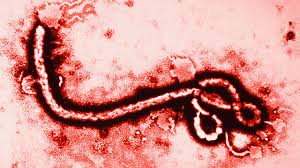
Complete inactivation of infectious Ebola virus (EBOV) is required before a sample may be removed from a Biosafety Level 4 laboratory. The United States Federal Select Agent Program regulations require that procedures used to demonstrate chemical inactivation must be validated in-house to confirm complete inactivation. The objective of this study was to develop a method for validating chemical inactivation of EBOV and then demonstrate the effectiveness of several commonly-used inactivation methods. Samples containing infectious EBOV (Zaire ebolavirus) in different matrices were treated, and the sample was diluted to limit the cytopathic effect of the inactivant. The presence of infectious virus was determined by assessing the cytopathic effect in Vero E6 cells. Crucially, this method did not result in a loss of infectivity in control samples, and we were able to detect less than five infectious units of EBOV (Zaire ebolavirus). We found that TRIzol LS reagent and RNA-Bee inactivated EBOV in serum; TRIzol LS reagent inactivated EBOV in clarified cell culture media; TRIzol reagent inactivated EBOV in tissue and infected Vero E6 cells; 10% neutral buffered formalin inactivated EBOV in tissue; and osmium tetroxide vapors inactivated EBOV on transmission electron microscopy grids. The methods described herein are easily performed and can be adapted to validate inactivation of viruses in various matrices and by various chemical methods.
REFERENCE:
Alfson KJ, Griffiths A. Development and Testing of a Method for Validating Chemical Inactivation of Ebola Virus. Viruses. 2018 Mar 13;10(3). pii: E126.


-----------------------------------------------------------
Sigue este Blog en Facebook y Twitter
Ayúdanos a traducir las fichas de seguridad de microorganismos.