V
ersatile molecular tools for creating driving transgenes and other invasive genetic factors present regulatory, ethical, and environmental challenges that should be addressed to ensure their safe use. In this article, we discuss driving transgenes and invasive genetic factors that can potentially spread after their introduction into a small proportion of individuals in a population. The potential of invasive genetic factors to increase their number in natural populations presents challenges that require additional safety measures not provided by previous recommendations regarding accidental release of arthropods. In addition to providing physical containment, invasive genetic factors require greater attention to strain management, including their distribution and identity confirmation. In this study, we focus on insects containing such factors with recommendations for investigators who are creating them, institutional biosafety committees charged with ensuring safety, funding agencies providing support, those managing insectaries handling these materials who are responsible for containment, and other persons who will be receiving insects—transgenic or not—from these facilities. We give specific examples of efforts to modify mosquitoes for mosquito-borne disease control, but similar considerations are relevant to other arthropods that are important to human health, the environment, and agriculture.
REFERENCE:
Benedict, Mark Q. et al. “Recommendations for Laboratory Containment and Management of Gene Drive Systems in Arthropods.” Vector Borne and Zoonotic Diseases 18.1 (2018): 2–13. PMC. Web. 23 Mar. 2018.
-----------------------------------------------------------
Sigue este Blog en Facebook y Twitter
Ayúdanos a traducir las fichas de seguridad de microorganismos.
| Lista de correo. Espere su aprobación. |
| Consultar este grupo |
lunes, 9 de abril de 2018
miércoles, 4 de abril de 2018
A New Approach to Evaluating the Risk–Benefit Equation for Dual-Use and Gain-of-Function Research of Concern
In the twenty-first century, biology faces a problem that has previously vexed other disciplines such as physics, namely the prospect that its knowledge domain could be used to generate biological agents with altered properties that enhanced their weapon potential. Biological weapons bring the additional dimension that these could be self-replicating, easy to manufacture and synthesized with commonly available expertise. This resulted in increasing concern about the type of research done and communicated, despite the fact that such research often has direct societal benefits, bringing the dual-use dilemma to biology. The conundrum of dual use research of concern was crystallized by the so-called “gain-of-function” type of experiments in which avian influenza viruses were endowed with new properties in the laboratory such as increased virulence and the capacity for mammalian transmission. After more than a decade of intensive discussion and controversy involving biological experiments with dual-use potential, there is no consensus on the issue except for the need to carry out such experiments in the safest conditions possible. In this essay, we review the topic with the hindsight of several years and suggest that instead of prescribing prohibitions and experimental limitations the focus should be on the importance of scientific questions at hand. We posit that the importance of a scientific question for medical and scientific progress provides a benchmark to determine the acceptable level of risk in biological experimentation.
REFERENCE:
Imperiale, Michael J., and Arturo Casadevall. “A New Approach to Evaluating the Risk–Benefit Equation for Dual-Use and Gain-of-Function Research of Concern.” Frontiers in Bioengineering and Biotechnology 6 (2018): 21. PMC. Web. 23 Mar. 2018.
-----------------------------------------------------------
Sigue este Blog en Facebook y Twitter
Ayúdanos a traducir las fichas de seguridad de microorganismos.
REFERENCE:
Imperiale, Michael J., and Arturo Casadevall. “A New Approach to Evaluating the Risk–Benefit Equation for Dual-Use and Gain-of-Function Research of Concern.” Frontiers in Bioengineering and Biotechnology 6 (2018): 21. PMC. Web. 23 Mar. 2018.
-----------------------------------------------------------
Sigue este Blog en Facebook y Twitter
Ayúdanos a traducir las fichas de seguridad de microorganismos.
lunes, 2 de abril de 2018
Re-creation of Horsepox Virus: Dual use research of concern #DURC #Viruela
mSphere is publishing two commentaries on a controversial topic: should the horsepox virus have been reconstructed? A group led by David Evans at University of Alberta was funded by the company Tonix Pharmaceuticals, Inc., in New York to build this virus as a potential step toward a new smallpox vaccine (1).
This work occurs at a time when much attention is being paid to dual use research of concern (DURC): research that is performed due to its potential benefit, but the results of which could potentially be misused for nefarious purposes. In this case, the debate focuses on the benefit of a new smallpox vaccine versus the risk that someone may unleash variola virus itself, the causative agent of smallpox, on a largely unvaccinated human population. There is no argument against the fact that the eradication of smallpox was one of the greatest achievements of the public health community.
The two articles posted today come from Gregory Koblentz at George Mason University, who argues that this work was poorly justified on two fronts, scientifically and commercially (2), and from Diane DiEuliis and Gigi Gronvall from National Defense University and the Center for Health Security at Johns Hopkins University Bloomberg School of Public Health, respectively, who discuss this study in the larger context of how the risks and benefits of dual use research are assessed and managed (3). (mSphere asked the leadership of Tonix to submit a manuscript, but we received no response.)
It is our intent at mSphere to publish similar pairs of articles on controversial and cutting edge topics in the future. We are keeping our eyes open for such opportunities and welcome your ideas for potential areas that should be addressed.
These are important discussions to have, not just among those of us who pay daily attention to biosafety and biosecurity, but among the broader scientific community as a whole and especially the microbial science community. I think you will find these articles to be both thoughtful and thought-provoking.
REFERENCES:
-----------------------------------------------------------
Sigue este Blog en Facebook y Twitter
Ayúdanos a traducir las fichas de seguridad de microorganismos.
This work occurs at a time when much attention is being paid to dual use research of concern (DURC): research that is performed due to its potential benefit, but the results of which could potentially be misused for nefarious purposes. In this case, the debate focuses on the benefit of a new smallpox vaccine versus the risk that someone may unleash variola virus itself, the causative agent of smallpox, on a largely unvaccinated human population. There is no argument against the fact that the eradication of smallpox was one of the greatest achievements of the public health community.
The two articles posted today come from Gregory Koblentz at George Mason University, who argues that this work was poorly justified on two fronts, scientifically and commercially (2), and from Diane DiEuliis and Gigi Gronvall from National Defense University and the Center for Health Security at Johns Hopkins University Bloomberg School of Public Health, respectively, who discuss this study in the larger context of how the risks and benefits of dual use research are assessed and managed (3). (mSphere asked the leadership of Tonix to submit a manuscript, but we received no response.)
It is our intent at mSphere to publish similar pairs of articles on controversial and cutting edge topics in the future. We are keeping our eyes open for such opportunities and welcome your ideas for potential areas that should be addressed.
These are important discussions to have, not just among those of us who pay daily attention to biosafety and biosecurity, but among the broader scientific community as a whole and especially the microbial science community. I think you will find these articles to be both thoughtful and thought-provoking.
REFERENCES:
- Noyce RS, Lederman S, Evans DH. 2018. Construction of an infectious horsepox virus vaccine from chemically synthesized DNA fragments. PLoS One 13:e0188453. doi:10.1371/journal.pone.0188453.
- Koblentz GD. 2018. A critical analysis of the scientific and commercial rationales for the de novo synthesis of horsepox virus. mSphere 3:e00040-18. doi:10.1128/mSphere.00040-18. [Cross Ref]
- DiEuliis D, Gronvall GK. 2018. A holistic assessment of the risks and benefits of the synthesis of horsepox virus. mSphere 3:e00074-18. doi:10.1128/mSphere.00074-18.
- Imperiale, Michael J. “Re-Creation of Horsepox Virus.” mSphere 3.2 (2018): e00079–18. PMC. Web. 23 Mar. 2018.
-----------------------------------------------------------
Sigue este Blog en Facebook y Twitter
Ayúdanos a traducir las fichas de seguridad de microorganismos.
martes, 27 de marzo de 2018
Recreational Water and Infection
This paper reviews the latest evidence provided by epidemiological studies and quantitative microbial risk assessments (QMRAs) of infection risk from recreational water use. Studies for review were selected following a PubMed search for articles published between January 2010 and April 2014. Epidemiological studies show a generally elevated risk of gastrointestinal illness in bathers compared to non-bathers but often no clear association with water quality as measured by faecal indicator bacteria; this is especially true where study sites are impacted by non-point source pollution. Evidence from QMRAs support the lack of a consistent water quality association for non-point source-impacted beaches. It is suggested that source attribution, through quantified microbial source apportionment, linked with appropriate use of microbial source tracking methods should be employed as an integral part of future epidemiological surveys.
REFERENCE:
Fewtrell L, Kay D. Recreational Water and Infection: A Review of Recent Findings. Curr Environ Health Rep. 2015 Mar;2(1):85-94. doi: 10.1007/s40572-014-0036-6. Review.
-----------------------------------------------------------
Sigue este Blog en Facebook y Twitter
Ayúdanos a traducir las fichas de seguridad de microorganismos.
REFERENCE:
Fewtrell L, Kay D. Recreational Water and Infection: A Review of Recent Findings. Curr Environ Health Rep. 2015 Mar;2(1):85-94. doi: 10.1007/s40572-014-0036-6. Review.
-----------------------------------------------------------
Sigue este Blog en Facebook y Twitter
Ayúdanos a traducir las fichas de seguridad de microorganismos.
lunes, 26 de marzo de 2018
Analysis of the risk of acquiring infections from recreational exposure to seawater
Background: Numerous illnesses are associated with bathing in natural waters, although it is assumed that the risk of illness among bathers exposed to relatively clean waters found in high-income countries is negligible. A systematic review was carried out to quantify the increased risk of experiencing a range of adverse health outcomes among bathers exposed to coastal water compared with non-bathers.
Methods: In all 6919 potentially relevant titles and abstracts were screened, and from these 40 studies were eligible for inclusion in the review. Odds ratios (OR) were extracted from 19 of these reports and combined in random-effect meta-analyses for the following adverse health outcomes: incident cases of any illness, ear infections, gastrointestinal illness and infections caused by specific microorganisms.
Results: There is an increased risk of experiencing symptoms of any illness [OR = 1.86, 95% confidence interval (CI): 1.31 to 2.64, P = 0.001] and ear ailments (OR = 2.05, 95% CI: 1.49 to 2.82, P < 0.001) in bathers compared with non-bathers. There is also an increased risk of experiencing gastrointestinal ailments (OR = 1.29, 95% CI: 1.12 to 1.49, P < 0.001).
Conclusions: This is the first systematic review to evaluate evidence on the increased risk of acquiring illnesses from bathing in seawater compared with non-bathers. Our results support the notion that infections are acquired from bathing in coastal waters, and that bathers have a greater risk of experiencing a variety of illnesses compared with non-bathers.
REFERENCES:
Leonard AFC, et al. Is it safe to go back into the water? A systematic review and meta-analysis of the risk of acquiring infections from recreational exposure to seawater. Int J Epidemiol. 2018 Feb 26. doi: 10.1093/ije/dyx281.
-----------------------------------------------------------
Sigue este Blog en Facebook y Twitter
Ayúdanos a traducir las fichas de seguridad de microorganismos.
Methods: In all 6919 potentially relevant titles and abstracts were screened, and from these 40 studies were eligible for inclusion in the review. Odds ratios (OR) were extracted from 19 of these reports and combined in random-effect meta-analyses for the following adverse health outcomes: incident cases of any illness, ear infections, gastrointestinal illness and infections caused by specific microorganisms.
Results: There is an increased risk of experiencing symptoms of any illness [OR = 1.86, 95% confidence interval (CI): 1.31 to 2.64, P = 0.001] and ear ailments (OR = 2.05, 95% CI: 1.49 to 2.82, P < 0.001) in bathers compared with non-bathers. There is also an increased risk of experiencing gastrointestinal ailments (OR = 1.29, 95% CI: 1.12 to 1.49, P < 0.001).
Conclusions: This is the first systematic review to evaluate evidence on the increased risk of acquiring illnesses from bathing in seawater compared with non-bathers. Our results support the notion that infections are acquired from bathing in coastal waters, and that bathers have a greater risk of experiencing a variety of illnesses compared with non-bathers.
REFERENCES:
Leonard AFC, et al. Is it safe to go back into the water? A systematic review and meta-analysis of the risk of acquiring infections from recreational exposure to seawater. Int J Epidemiol. 2018 Feb 26. doi: 10.1093/ije/dyx281.
-----------------------------------------------------------
Sigue este Blog en Facebook y Twitter
Ayúdanos a traducir las fichas de seguridad de microorganismos.
viernes, 23 de marzo de 2018
Transmission of droplet-mediated respiratory diseases in airline flights
With over 3 billion airline passengers annually, the inflight transmission of infectious diseases is an important global health concern. Over a dozen cases of inflight transmission of serious infections have been documented, and air travel can serve as a conduit for the rapid spread of newly emerging infections and pandemics. Despite sensational media stories, risks of transmission of respiratory viruses in an airplane cabin are unknown. Movements of passengers and crew may facilitate disease transmission. On 10 transcontinental US flights, we chronicled behaviors and movements of individuals in the economy cabin on single-aisle aircraft. We simulated transmission during flight based on these data. This data-driven, dynamic network transmission model of droplet-mediated respiratory disease is unique.
REFERENCE:
Hertzberg VS, et al. Behaviors, movements, and transmission of droplet-mediated respiratory diseases during transcontinental airline flights. Proc Natl Acad Sci U S A. 2018 Mar 19. pii: 201711611. doi: 10.1073/pnas.1711611115.
-----------------------------------------------------------
Sigue este Blog en Facebook y Twitter
Ayúdanos a traducir las fichas de seguridad de microorganismos.
REFERENCE:
Hertzberg VS, et al. Behaviors, movements, and transmission of droplet-mediated respiratory diseases during transcontinental airline flights. Proc Natl Acad Sci U S A. 2018 Mar 19. pii: 201711611. doi: 10.1073/pnas.1711611115.
-----------------------------------------------------------
Sigue este Blog en Facebook y Twitter
Ayúdanos a traducir las fichas de seguridad de microorganismos.
jueves, 22 de marzo de 2018
#WebinarAMEXBIO: Equipo de protección
Equipo de protección para laboratorios microbiológicos
- Guantes Abril 6, 2018
- Batas Abril 20, 2018
- Respiradores Abril 27, 2018
13:00 hrs., Cd. de México
Registro gratuito. Cupo limitado.
No se emiten constancias
PRE-REGISTRO
En esta serie de 3 seminarios en línea (webinar) se revisarán las características del equipo de protección para el manejo de microorganismos. Así mismo, se revisarán las estrategias para un uso adecuado. De la misma forma revisar la importancia de la normatividad oficial correspondiente vigente.
No se emiten constancias de asistencia.
Pre-registro por internet en: https://goo.gl/AAS1jm
Descarguen la App para escuchar este webinar AQUI.
www.amexbio.org
-----------------------------------------------------------
Sigue este Blog en Facebook y Twitter
Ayúdanos a traducir las fichas de seguridad de microorganismos.
Development and Testing of a Method for Validating Chemical Inactivation of Ebola Virus
Complete inactivation of infectious Ebola virus (EBOV) is required before a sample may be removed from a Biosafety Level 4 laboratory. The United States Federal Select Agent Program regulations require that procedures used to demonstrate chemical inactivation must be validated in-house to confirm complete inactivation. The objective of this study was to develop a method for validating chemical inactivation of EBOV and then demonstrate the effectiveness of several commonly-used inactivation methods. Samples containing infectious EBOV (Zaire ebolavirus) in different matrices were treated, and the sample was diluted to limit the cytopathic effect of the inactivant. The presence of infectious virus was determined by assessing the cytopathic effect in Vero E6 cells. Crucially, this method did not result in a loss of infectivity in control samples, and we were able to detect less than five infectious units of EBOV (Zaire ebolavirus). We found that TRIzol LS reagent and RNA-Bee inactivated EBOV in serum; TRIzol LS reagent inactivated EBOV in clarified cell culture media; TRIzol reagent inactivated EBOV in tissue and infected Vero E6 cells; 10% neutral buffered formalin inactivated EBOV in tissue; and osmium tetroxide vapors inactivated EBOV on transmission electron microscopy grids. The methods described herein are easily performed and can be adapted to validate inactivation of viruses in various matrices and by various chemical methods.
REFERENCE:
Alfson KJ, Griffiths A. Development and Testing of a Method for Validating Chemical Inactivation of Ebola Virus. Viruses. 2018 Mar 13;10(3). pii: E126.
-----------------------------------------------------------
Sigue este Blog en Facebook y Twitter
Ayúdanos a traducir las fichas de seguridad de microorganismos.
REFERENCE:
Alfson KJ, Griffiths A. Development and Testing of a Method for Validating Chemical Inactivation of Ebola Virus. Viruses. 2018 Mar 13;10(3). pii: E126.
-----------------------------------------------------------
Sigue este Blog en Facebook y Twitter
Ayúdanos a traducir las fichas de seguridad de microorganismos.
martes, 20 de marzo de 2018
Reunión Anual de la Red Suiza de Bioseguridad 2018 #SBNet
La Red Suiza de Bioseguridad, realizará del 23 al 24 de Agosto, 12th Applied Biosafety Meeting, en el Palazzo dei Congressi, en Lugano, Suiza.
INFORMES Y REGISTRO:
PROGRAMA
http://www.swissbiosafety.ch
----------------------------------------------------------
Sigue este Blog en Facebook y Twitter
Ayúdanos a traducir las fichas de seguridad de microorganismos.
INFORMES Y REGISTRO:
PROGRAMA
http://www.swissbiosafety.ch
----------------------------------------------------------
Sigue este Blog en Facebook y Twitter
Ayúdanos a traducir las fichas de seguridad de microorganismos.
lunes, 19 de marzo de 2018
Infection Prevention and Control Measures in the Emergency Department
This document has been prepared in connection with Action 8 of the Ministère de la Santé et des Services sociaux’ (MSSS) Plan d’action sur la prévention et le contrôle des infections nosocomiales 2010-2015 [2010-2015 Action plan for healthcare-associated infections prevention and control](4). Its purpose is to make recommendations for IPC in the emergency departments of Québec’s hospitals. The recommendations are primarily intended for general and specialized hospital centres. They will have to be adapted according to the facility’s mission, the patient population served and various local epidemiological factors. The recommendations in the document are categorized under the different areas of the emergency department (Appendix 1) and integrate Health Canada’s three-tier hierarchy of IPC controls: engineering controls, administrative controls, and personal protective equipment (Appendix 2). Engineering control recommendations should be given priority when constructing new emergency departments or renovating existing emergency departments. An action plan should be developed to ensure these recommendations are integrated into future work.
REFERENCE:
Infection Prevention and Control Measures in the Emergency Department. Comité sur les infections nosocomiales du Québec (CINQ). Institut national de santé publique du Québec, 2015.
-----------------------------------------------------------
Sigue este Blog en Facebook y Twitter
Ayúdanos a traducir las fichas de seguridad de microorganismos.
REFERENCE:
Infection Prevention and Control Measures in the Emergency Department. Comité sur les infections nosocomiales du Québec (CINQ). Institut national de santé publique du Québec, 2015.
Sigue este Blog en Facebook y Twitter
Ayúdanos a traducir las fichas de seguridad de microorganismos.
lunes, 12 de marzo de 2018
Occupational Hazards in the Thai Healthcare Sector
Healthcare personnel work in vulnerable conditions that can adversely impact physical and/or mental health. This paper aims to synthesize the state of knowledge on work-related illnesses, injuries, and risks experienced by Thai healthcare workers. We found that Thai healthcare personnel, like others worldwide, are at risk for injury related to needle sticks and sharp instruments; infectious diseases due to biological hazards exposure such as airborne pathogens and patient secretions; muscle pain due to workload and long duration of work; and psychological disorders related to stressful working conditions. Because detailed surveillance data are limited for the Thai healthcare workforce, we recommend that additional surveillance data on Thai healthcare workers’ health outcomes be collected. Future research efforts should also focus on evidence-based interventions in order to develop methods to prevent and treat occupational health injuries and illnesses acquired in the workplace for Thai healthcare sector workers.
REFERENCE:
Tipayamongkholgul, Mathuros et al. “Occupational Hazards in the Thai Healthcare Sector.” New solutions : a journal of environmental and occupational health policy : NS 26.1 (2016): 83–102. PMC. Web. 5 Mar. 2018.
-----------------------------------------------------------
Sigue este Blog en Facebook y Twitter
Ayúdanos a traducir las fichas de seguridad de microorganismos.

REFERENCE:
Tipayamongkholgul, Mathuros et al. “Occupational Hazards in the Thai Healthcare Sector.” New solutions : a journal of environmental and occupational health policy : NS 26.1 (2016): 83–102. PMC. Web. 5 Mar. 2018.
-----------------------------------------------------------
Sigue este Blog en Facebook y Twitter
Ayúdanos a traducir las fichas de seguridad de microorganismos.
lunes, 5 de marzo de 2018
Certification & validation of biosafety level-2 & biosafety level-3 laboratories in Indian settings & common issues
![]() |
| MIT Lab (render) |
REFERENCE
Mourya DT,et al. Certification & validation of biosafety level-2 & biosafety level-3 laboratories in Indian settings & common issues. J Med Res. 2017 Oct; 146(4): 459–467. doi: 10.4103/ijmr.IJMR_974_16
-----------------------------------------------------------
Sigue este Blog en Facebook y Twitter
Ayúdanos a traducir las fichas de seguridad de microorganismos.
miércoles, 28 de febrero de 2018
Botulinum neurotoxin–encoding plasmids can be conjugatively transferred to diverse clostridial strains #Clostridium
Most Group I Clostridium botulinum strains harbor botulinum neurotoxin (bont) genes on their chromosome, while some carry these genes (including bont/a, bont/b, and bont/f) on large plasmids. Prior work in our laboratory demonstrated that Group I BoNT plasmids were mobilized to C. botulinum recipient strains containing the Tn916 transposon. Here, we show that Tn916 is nonessential for plasmid transfer. Relying on an auxotrophic donor phenotype and a plasmid-borne selectable marker, we observed the transfer of pCLJ, a 270 kb plasmid harboring two bont genes, from its host strain to various clostridia. Transfer frequency was greatest to other Group I C. botulinum strains, but the plasmid was also transferred into traditionally nontoxigenic species, namely C. sporogenes and C. butyricum. Expression and toxicity of BoNT/A4 was confirmed in transconjugants by immunoblot and mouse bioassay. These data indicate that conjugation within the genus Clostridium can occur across physiological Groups of C. botulinum, supporting horizontal gene transfer via bont-bearing plasmids. The transfer of plasmids possessing bont genes to resistant Clostridium spp. such as C. sporogenes could impact biological safety for animals and humans. These plasmids may play an environmental role in initiating death in vertebrates, leading to decomposition and nutrient recycling of animal biomass.
REFERENCE:
Nawrocki EM, et al. Botulinum neurotoxin–encoding plasmids can be conjugatively transferred to diverse clostridial strains. Sci Rep. 2018; 8: 3100. Published online 2018 Feb 15. doi: 10.1038/s41598-018-21342-9.
-----------------------------------------------------------
Sigue este Blog en Facebook y Twitter
Ayúdanos a traducir las fichas de seguridad de microorganismos.
REFERENCE:
Nawrocki EM, et al. Botulinum neurotoxin–encoding plasmids can be conjugatively transferred to diverse clostridial strains. Sci Rep. 2018; 8: 3100. Published online 2018 Feb 15. doi: 10.1038/s41598-018-21342-9.
-----------------------------------------------------------
Sigue este Blog en Facebook y Twitter
Ayúdanos a traducir las fichas de seguridad de microorganismos.
lunes, 26 de febrero de 2018
Evaluating the Sporicidal Activity of Disinfectants against #Clostridium difficile and Bacillus amyloliquefaciens Spores
Spore-forming pathogenic bacteria, such as Clostridium difficile, are associated with nosocomial infection, leading to the increased use of sporicidal disinfectants, which impacts socioeconomic costs. However, C. difficile can be prevented using microorganisms such as Bacillus amyloliquefaciens, a prophylactic agent that has been proven to be effective against it in recent tests or it can be controlled by sporicidal disinfectants. These disinfectants against spores should be evaluated according to a known and recommended standard. Unfortunately, some newly manufactured disinfectants like Bioxy products have not yet been tested. ASTM E2197-11 is a standard test that uses stainless steel disks (1 cm in diameter) as carriers, and the performance of the test formulation is calculated by comparing the number of viable test organisms to that on the control carriers. Surface tests are preferable for evaluating disinfectants with sporicidal effects on hard surfaces. This study applies improved methods, based on the ASTM E2197-11 standard, for evaluating and comparing the sporicidal efficacies of several disinfectants against spores of C. difficile and B. amyloliquefaciens, which are used as the test organisms. With the improved method, all spores were recovered through vortexing and membrane filtration. The results show that chlorine-based products are effective in 5 min and Bioxy products at 5% w/v are effective in 10 min. Although Bioxy products may take longer to prove their effectiveness, their non-harmful effects to hospital surfaces and people have been well established in the literature.
REFERENCE:
Uwamahoro MC et al. Evaluating the Sporicidal Activity of Disinfectants against Clostridium difficile and Bacillus amyloliquefaciens Spores by Using the Improved Methods Based on ASTM E2197-11. Public Health. 2018; 6: 18. Published online 2018 Feb 5. doi: 10.3389/fpubh.2018.00018
Ayúdanos a traducir las fichas de seguridad de microorganismos.
REFERENCE:
Uwamahoro MC et al. Evaluating the Sporicidal Activity of Disinfectants against Clostridium difficile and Bacillus amyloliquefaciens Spores by Using the Improved Methods Based on ASTM E2197-11. Public Health. 2018; 6: 18. Published online 2018 Feb 5. doi: 10.3389/fpubh.2018.00018
-----------------------------------------------------------
Sigue este Blog en Facebook y TwitterAyúdanos a traducir las fichas de seguridad de microorganismos.
miércoles, 21 de febrero de 2018
Containment Studies of Transgenic Mosquitoes in Disease Endemic Countries
Genetic strategies for large scale pest or vector control using modified insects are not yet operational in Africa, and currently rely on import of the modified strains to begin preliminary, contained studies. Early involvement of research teams from participating countries is crucial to evaluate candidate field interventions. Following the recommended phased approach for novel strategies, evaluation should begin with studies in containment facilities. Experiences to prepare facilities and build international teams for research on transgenic mosquitoes revealed some important organizing themes underlying the concept of "facilities readiness," or the point at which studies in containment may proceed, in sub-Saharan African settings. First, "compliance" for research with novel or non-native living organisms was defined as the fulfillment of all legislative and regulatory requirements. This is not limited to regulations regarding use of transgenic organisms. Second, the concept of "colony utility" was related to the characteristics of laboratory colonies being produced so that results of studies may be validated across time, sites, and strains or technologies; so that the appropriate candidate strains are moved forward toward field studies. Third, the importance of achieving "defensible science" was recognized, including that study conclusions can be traced back to evidence, covering the concerns of various stakeholders over the long term. This, combined with good stewardship of resources and appropriate funding, covers a diverse set of criteria for declaring when "facilities readiness" has been attained. It is proposed that, despite the additional demands on time and resources, only with the balance of and rigorous achievement of each of these organizing themes can collaborative research into novel strategies in vector or pest control reliably progress past initial containment studies.
REFERENCE:
Quinlan MM, et al. Containment Studies of Transgenic Mosquitoes in Disease Endemic Countries: The Broad Concept of Facilities Readiness. Vector Borne Zoonotic Dis. 2018 Jan;18(1):14-20. doi: 10.1089/vbz.2017.2189. PubMed PMID: 29337664; PubMed Central PMCID: PMC5770120.
-----------------------------------------------------------
Sigue este Blog en Facebook y Twitter
Ayúdanos a traducir las fichas de seguridad de microorganismos.
REFERENCE:
Quinlan MM, et al. Containment Studies of Transgenic Mosquitoes in Disease Endemic Countries: The Broad Concept of Facilities Readiness. Vector Borne Zoonotic Dis. 2018 Jan;18(1):14-20. doi: 10.1089/vbz.2017.2189. PubMed PMID: 29337664; PubMed Central PMCID: PMC5770120.
-----------------------------------------------------------
Sigue este Blog en Facebook y Twitter
Ayúdanos a traducir las fichas de seguridad de microorganismos.
viernes, 16 de febrero de 2018
Invitación a publicar en Applied Biosafety Journal
-----------------------------------------------------------
Sigue este Blog en Facebook y Twitter
Ayúdanos a traducir las fichas de seguridad de microorganismos.
miércoles, 14 de febrero de 2018
NOM-018-STPS-2015, Sistema armonizado para la identificación de sustancias químicas peligrosas
Objetivo
Establecer los requisitos para disponer en los centros de trabajo del sistema armonizado de identificación y comunicación de peligros y riesgos por sustancias químicas peligrosas, a fin de prevenir daños a los trabajadores y al personal que actúa en caso de emergencia.
Campo de aplicación
La presente Norma Oficial Mexicana rige en todo el territorio nacional y aplica a todos los centros de trabajo donde se manejen sustancias químicas peligrosas.
No aplica a productos terminados tales como: farmacéuticos, aditivos alimenticios, artículos cosméticos, residuos de plaguicidas en los alimentos y residuos peligrosos.
REFERENCIA:
NORMA Oficial Mexicana NOM-018-STPS-2015, Sistema armonizado para la identificación y comunicación de peligros y riesgos por sustancias químicas peligrosas en los centros de trabajo.
-----------------------------------------------------------
Sigue este Blog en Facebook y Twitter
Ayúdanos a traducir las fichas de seguridad de microorganismos.
Establecer los requisitos para disponer en los centros de trabajo del sistema armonizado de identificación y comunicación de peligros y riesgos por sustancias químicas peligrosas, a fin de prevenir daños a los trabajadores y al personal que actúa en caso de emergencia.
Campo de aplicación
La presente Norma Oficial Mexicana rige en todo el territorio nacional y aplica a todos los centros de trabajo donde se manejen sustancias químicas peligrosas.
No aplica a productos terminados tales como: farmacéuticos, aditivos alimenticios, artículos cosméticos, residuos de plaguicidas en los alimentos y residuos peligrosos.
REFERENCIA:
NORMA Oficial Mexicana NOM-018-STPS-2015, Sistema armonizado para la identificación y comunicación de peligros y riesgos por sustancias químicas peligrosas en los centros de trabajo.
-----------------------------------------------------------
Sigue este Blog en Facebook y Twitter
Ayúdanos a traducir las fichas de seguridad de microorganismos.
lunes, 12 de febrero de 2018
Preparation of Containment Facilities for Studies of Transgenic Mosquitoes
Novel approaches to area-wide control of vector species offer promise as additional tools in the fight against vectored diseases. Evaluation of transgenic insect strains aimed at field population control in disease-endemic countries may involve international partnerships and should be done in a stepwise approach, starting with studies in containment facilities. The preparations of both new-build and renovated facilities are described, including working with local and national regulations regarding land use, construction, and biosafety requirements, as well as international guidance to fill any gaps in regulation. The examples given are for containment categorization at Arthropod Containment Level 2 for initial facility design, classification of wastes, and precautions during shipping. Specific lessons were derived from preparations to evaluate transgenic (non-gene drive) mosquitoes in West and East African countries. Documented procedures and the use of a non-transgenic training strain for trial shipments and culturing were used to develop competence and confidence among the African facility staff, and along the chain of custody for transport. This practical description is offered to support other research consortia or institutions preparing containment facilities and operating procedures in conditions where research on transgenic insects is at an early stage.
REFERENCE:
MM Quinlan et al. Studies of Transgenic Mosquitoes in Disease-Endemic Countries: Preparation of Containment Facilities. Borne Zoonotic Dis. 2018 Jan 1; 18(1): 21–30. Published online 2018 Jan 1. doi: 10.1089/vbz.2017.2192
-----------------------------------------------------------
Sigue este Blog en Facebook y Twitter
Ayúdanos a traducir las fichas de seguridad de microorganismos.
REFERENCE:
MM Quinlan et al. Studies of Transgenic Mosquitoes in Disease-Endemic Countries: Preparation of Containment Facilities. Borne Zoonotic Dis. 2018 Jan 1; 18(1): 21–30. Published online 2018 Jan 1. doi: 10.1089/vbz.2017.2192
-----------------------------------------------------------
Sigue este Blog en Facebook y Twitter
Ayúdanos a traducir las fichas de seguridad de microorganismos.
viernes, 9 de febrero de 2018
Detection of antimicrobial resistance in the International Space Station surface
Antimicrobial resistance (AMR) is a global health issue. In an effort to minimize this threat to astronauts, who may be immunocompromised and thus at a greater risk of infection from antimicrobial resistant pathogens, a comprehensive study of the ISS “resistome’ was conducted. Using whole genome sequencing (WGS) and disc diffusion antibiotic resistance assays, 9 biosafety level 2 organisms isolated from the ISS were assessed for their antibiotic resistance. Molecular analysis of AMR genes from 24 surface samples collected from the ISS during 3 different sampling events over a span of a year were analyzed with Ion AmpliSeq™ and metagenomics. Disc diffusion assays showed that Enterobacter bugandensis strains were resistant to all 9 antibiotics tested and Staphylococcus haemolyticus being resistant to none. Ion AmpliSeq™ revealed that 123 AMR genes were found, with those responsible for beta-lactam and trimethoprim resistance being the most abundant and widespread. Using a variety of methods, the genes involved in antimicrobial resistance have been examined for the first time from the ISS. This information could lead to mitigation strategies to maintain astronaut health during long duration space missions when return to Earth for treatment is not possible.
REFERENCE:
Urbaniak C, et al. Detection of antimicrobial resistance genes associated with the International Space Station environmental surfaces. Sci Rep. 2018; 8: 814. doi: 10.1038/s41598-017-18506-4
-----------------------------------------------------------
Sigue este Blog en Facebook y Twitter
Ayúdanos a traducir las fichas de seguridad de microorganismos.
REFERENCE:
Urbaniak C, et al. Detection of antimicrobial resistance genes associated with the International Space Station environmental surfaces. Sci Rep. 2018; 8: 814. doi: 10.1038/s41598-017-18506-4
-----------------------------------------------------------
Sigue este Blog en Facebook y Twitter
Ayúdanos a traducir las fichas de seguridad de microorganismos.
miércoles, 7 de febrero de 2018
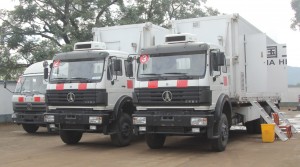
Rapid deployment of a mobile biosafety level-3 laboratory in Sierra Leone during the 2014 #Ebola virus epidemic
REFERENCE:
Zhang, Yi et al. “Rapid Deployment of a Mobile Biosafety Level-3 Laboratory in Sierra Leone during the 2014 Ebola Virus Epidemic.” Ed. Brian Bird. PLoS Neglected Tropical Diseases 11.5 (2017): e0005622. PMC. Web. 4 Jan. 2018.
-----------------------------------------------------------
Sigue este Blog en Facebook y Twitter
Ayúdanos a traducir las fichas de seguridad de microorganismos.
lunes, 5 de febrero de 2018
Assessing infection control practices to protect health care workers and patients
Transmission of Mycobacterium tuberculosis (TB) in health settings threatens health care workers and people living with HIV in sub-Saharan Africa. Nosocomial transmission is reduced with implementation of infection control (IC) guidelines. The objective of this study is to describe implementation of TB IC measures in Malawi. We conducted a cross-sectional study utilizing anonymous health worker questionnaires, semi-structured interviews with facility managers, and direct observations at 17 facilities in central Malawi. Of 592 health care workers surveyed, 34% reported that all patients entering the facility were screened for cough and only 8% correctly named the four most common signs and symptoms of TB in adults. Of 33 managers interviewed, 7 (21%) and 1 (3%) provided the correct TB screening questions for use in adults and children, respectively. Of 592 health workers, only 2.4% had been screened for TB in the previous year. Most (90%) reported knowing their HIV status, 53% were tested at their facility of employment, and half reported they would feel comfortable receiving ART or TB treatment at their facility of employment. We conclude that screening is infrequently conducted and knowledge gaps may undercut its effectiveness. Further, health care workers do not routinely access TB and HIV diagnostic and treatment services at their facility of employment.
REFERENCE:
Flick, Robert J. et al. “Assessing Infection Control Practices to Protect Health Care Workers and Patients in Malawi from Nosocomial Transmission of Mycobacterium Tuberculosis.” Ed. Sarah L Pett. PLoS ONE 12.12 (2017): e0189140.
-----------------------------------------------------------
Sigue este Blog en Facebook y Twitter
Ayúdanos a traducir las fichas de seguridad de microorganismos.
REFERENCE:
Flick, Robert J. et al. “Assessing Infection Control Practices to Protect Health Care Workers and Patients in Malawi from Nosocomial Transmission of Mycobacterium Tuberculosis.” Ed. Sarah L Pett. PLoS ONE 12.12 (2017): e0189140.
-----------------------------------------------------------
Sigue este Blog en Facebook y Twitter
Ayúdanos a traducir las fichas de seguridad de microorganismos.
miércoles, 31 de enero de 2018
The efficacy of medical masks and respirators against respiratory infection in healthcare workers
Objective: We aimed to examine the efficacy of medical masks and respirators in protecting against respiratory infections using pooled data from two homogenous randomised control clinical trials (RCTs).
Methods: The data collected on 3591 subjects in two similar RCTs conducted in Beijing, China, which examined the same infection outcomes, were pooled. Four interventions were compared: (i) continuous N95 respirator use, (ii) targeted N95 respirator use, (iii) medical mask use and (iv) control arm. The outcomes were laboratory‐confirmed viral respiratory infection, influenza A or B, laboratory‐confirmed bacterial colonisation and pathogens grouped by mode of transmission.
Results: Rates of all outcomes were consistently lower in the continuous N95 and/or targeted N95 arms. In adjusted analysis, rates of laboratory‐confirmed bacterial colonisation (RR 0.33, 95% CI 0.21‐0.51), laboratory‐confirmed viral infections (RR 0.46, 95% CI 0.23‐0.91) and droplet‐transmitted infections (RR 0.26, 95% CI 0.16‐0.42) were significantly lower in the continuous N95 arm. Laboratory‐confirmed influenza was also lowest in the continuous N95 arm (RR 0.34, 95% CI 0.10‐1.11), but the difference was not statistically significant. Rates of laboratory‐confirmed bacterial colonisation (RR 0.54, 95% CI 0.33‐0.87) and droplet‐transmitted infections (RR 0.43, 95% CI 0.25‐0.72) were also lower in the targeted N95 arm, but not in medical mask arm.
Conclusion: The results suggest that the classification of infections into droplet versus airborne transmission is an oversimplification. Most guidelines recommend masks for infections spread by droplets. N95 respirators, as “airborne precautions,” provide superior protection for droplet‐transmitted infections. To ensure the occupational health and safety of healthcare worker, the superiority of respirators in preventing respiratory infections should be reflected in infection control guidelines.
REFERENCES: MacIntyre, Chandini Raina et al. “The Efficacy of Medical Masks and Respirators against Respiratory Infection in Healthcare Workers.” Influenza and Other Respiratory Viruses 11.6 (2017): 511–517.
-----------------------------------------------------------
Sigue este Blog en Facebook y Twitter
Ayúdanos a traducir las fichas de seguridad de microorganismos.
Methods: The data collected on 3591 subjects in two similar RCTs conducted in Beijing, China, which examined the same infection outcomes, were pooled. Four interventions were compared: (i) continuous N95 respirator use, (ii) targeted N95 respirator use, (iii) medical mask use and (iv) control arm. The outcomes were laboratory‐confirmed viral respiratory infection, influenza A or B, laboratory‐confirmed bacterial colonisation and pathogens grouped by mode of transmission.
Results: Rates of all outcomes were consistently lower in the continuous N95 and/or targeted N95 arms. In adjusted analysis, rates of laboratory‐confirmed bacterial colonisation (RR 0.33, 95% CI 0.21‐0.51), laboratory‐confirmed viral infections (RR 0.46, 95% CI 0.23‐0.91) and droplet‐transmitted infections (RR 0.26, 95% CI 0.16‐0.42) were significantly lower in the continuous N95 arm. Laboratory‐confirmed influenza was also lowest in the continuous N95 arm (RR 0.34, 95% CI 0.10‐1.11), but the difference was not statistically significant. Rates of laboratory‐confirmed bacterial colonisation (RR 0.54, 95% CI 0.33‐0.87) and droplet‐transmitted infections (RR 0.43, 95% CI 0.25‐0.72) were also lower in the targeted N95 arm, but not in medical mask arm.
Conclusion: The results suggest that the classification of infections into droplet versus airborne transmission is an oversimplification. Most guidelines recommend masks for infections spread by droplets. N95 respirators, as “airborne precautions,” provide superior protection for droplet‐transmitted infections. To ensure the occupational health and safety of healthcare worker, the superiority of respirators in preventing respiratory infections should be reflected in infection control guidelines.
REFERENCES: MacIntyre, Chandini Raina et al. “The Efficacy of Medical Masks and Respirators against Respiratory Infection in Healthcare Workers.” Influenza and Other Respiratory Viruses 11.6 (2017): 511–517.
-----------------------------------------------------------
Sigue este Blog en Facebook y Twitter
Ayúdanos a traducir las fichas de seguridad de microorganismos.
lunes, 29 de enero de 2018
Introducing Mammalian Cell Culture and Cell Viability Techniques in the Undergraduate Biology Laboratory
Undergraduate students learn about mammalian cell culture applications in introductory biology courses. However, laboratory modules are rarely designed to provide hands-on experience with mammalian cells or teach cell culture techniques, such as trypsinization and cell counting. Students are more likely to learn about cell culture using bacteria or yeast, as they are typically easier to grow, culture, and manipulate given the equipment, tools, and environment of most undergraduate biology laboratories. In contrast, the utilization of mammalian cells requires a dedicated biological safety cabinet and rigorous antiseptic techniques. For this reason, we have devised a laboratory module and method herein that familiarizes students with common cell culture procedures, without the use of a sterile hood or large cell culture facility. Students design and perform a time-efficient inquiry-based cell viability experiment using HeLa cells and tools that are readily available in an undergraduate biology laboratory. Students will become familiar with common techniques such as trypsinizing cells, cell counting with a hemocytometer, performing serial dilutions, and determining cell viability using trypan blue dye. Additionally, students will work with graphing software to analyze their data and think critically about the mechanism of death on a cellular level. Two different adaptations of this inquiry-based lab are presented—one for non-biology majors and one for biology majors. Overall, these laboratories aim to expose students to mammalian cell culture and basic techniques and help them to conceptualize their application in scientific research.
REFERENCE:
Bowey-Dellinger, Kristen et al. “Introducing Mammalian Cell Culture and Cell Viability Techniques in the Undergraduate Biology Laboratory.” Journal of Microbiology & Biology Education 18.2 (2017): 18.2.38. PMC. Web. 4 Jan. 2018.
-----------------------------------------------------------
Sigue este Blog en Facebook y Twitter
Ayúdanos a traducir las fichas de seguridad de microorganismos.
REFERENCE:
Bowey-Dellinger, Kristen et al. “Introducing Mammalian Cell Culture and Cell Viability Techniques in the Undergraduate Biology Laboratory.” Journal of Microbiology & Biology Education 18.2 (2017): 18.2.38. PMC. Web. 4 Jan. 2018.
-----------------------------------------------------------
Sigue este Blog en Facebook y Twitter
Ayúdanos a traducir las fichas de seguridad de microorganismos.
viernes, 26 de enero de 2018
Biosafety and Biosecurity in European Containment Level 3 Laboratories: Focus on French Recent Progress and Essential Requirements
Even if European Union (EU) Member States are obliged to implement EU Directives 2000/54/EC on the protection of workers from risks related to exposure to biological agents at work, national biosafety regulations and practices varied from country to country. In fact, EU legislation on biological agents and genetically modified microorganisms is often not specific enough to ensure harmonization leading to difficulties in implementation for most laboratories. In the same way, biosecurity is a relatively new concept and a few EU Member States are known to have introduced national laboratory biosecurity legislation. In France, recent regulations have reinforced biosafety/biosecurity in containment level 3 (CL-3) laboratories but they concern a specific list of pathogens with no correlation in other European Members States. The objective of this review was to summarize European biosafety/biosecurity measures concerning CL-3 facilities focusing on French specificities. Essential requirements needed to preserve efficient biosafety measures when manipulating risk group 3 biological agents are highlighted. In addition, International, European and French standards related to containment laboratory planning, operation or biosafety equipment are described to clarify optimal biosafety and biosecurity requirements.
REFERENCE:
Pastorino, Boris, Xavier de Lamballerie, and Rémi Charrel. “Biosafety and Biosecurity in European Containment Level 3 Laboratories: Focus on French Recent Progress and Essential Requirements.” Frontiers in Public Health 5 (2017): 121.
-----------------------------------------------------------
Sigue este Blog en Facebook y Twitter
Ayúdanos a traducir las fichas de seguridad de microorganismos.
REFERENCE:
Pastorino, Boris, Xavier de Lamballerie, and Rémi Charrel. “Biosafety and Biosecurity in European Containment Level 3 Laboratories: Focus on French Recent Progress and Essential Requirements.” Frontiers in Public Health 5 (2017): 121.
-----------------------------------------------------------
Sigue este Blog en Facebook y Twitter
Ayúdanos a traducir las fichas de seguridad de microorganismos.
miércoles, 24 de enero de 2018
Basic Scholarship in Biosafety Is Critically Needed To Reduce Risk of Laboratory Accidents
Our firm conducted a risk/benefit assessment of “gain-of-function” research, as part of the deliberative process following a U.S. moratorium on the research (U.S. Department of Health and Human Services, U.S. Government Gain-of-Function Deliberative Process and Research Funding Pause on Selected Gain-of-Function Research Involving Influenza, MERS, and SARS Viruses, 2014). Due to significant missing but theoretically acquirable data, our biosafety assessment faced limitations, and we were forced to provide a relative, instead of absolute, measure of risk (Gryphon Scientific, LLC, Risk and Benefit Analysis of Gain of Function Research, 2016). Here, we argue that many of these types of missing data represent large and stunning gaps in our knowledge of biosafety and argue that these missing data, once acquired via primary research efforts, would improve biosafety risk assessments and could be incorporated into biosafety practices to reduce risk of accidents. Governments invest billions in biological research; at least a small fraction of this support is warranted to prevent biological accidents.
REFERENCE:
Ritterson, Ryan, and Rocco Casagrande. “Basic Scholarship in Biosafety Is Critically Needed To Reduce Risk of Laboratory Accidents.” Ed. Michael J. Imperiale. mSphere 2.2 (2017): e00010–17.
-----------------------------------------------------------
Sigue este Blog en Facebook y Twitter
Ayúdanos a traducir las fichas de seguridad de microorganismos.
REFERENCE:
Ritterson, Ryan, and Rocco Casagrande. “Basic Scholarship in Biosafety Is Critically Needed To Reduce Risk of Laboratory Accidents.” Ed. Michael J. Imperiale. mSphere 2.2 (2017): e00010–17.
-----------------------------------------------------------
Sigue este Blog en Facebook y Twitter
Ayúdanos a traducir las fichas de seguridad de microorganismos.
lunes, 22 de enero de 2018
Biosafety Level 3 setup for multiphoton microscopy in vivo
Multiphoton microscopy has revealed important insights into cellular behavior in vivo. However, its application in infectious settings often encounters technical, safety and regulatory limitations that prevent its wider use with highly virulent human pathogens. Herein, we present a method that renders multiphoton microscopy in vivo compatible with biosafety level 3 regulations and present an example of its application and potential to visualize a Mycobacterium tuberculosis infection of the mouse lung.
REFERENCE:
Barlerin, D. et al. “Biosafety Level 3 Setup for Multiphoton Microscopy in Vivo.” Scientific Reports 7 (2017): 571. PMC. Web. 4 Jan. 2018.
-----------------------------------------------------------
Sigue este Blog en Facebook y Twitter
Ayúdanos a traducir las fichas de seguridad de microorganismos.
REFERENCE:
Barlerin, D. et al. “Biosafety Level 3 Setup for Multiphoton Microscopy in Vivo.” Scientific Reports 7 (2017): 571. PMC. Web. 4 Jan. 2018.
-----------------------------------------------------------
Sigue este Blog en Facebook y Twitter
Ayúdanos a traducir las fichas de seguridad de microorganismos.
sábado, 20 de enero de 2018
Non-occupational Uses of Respiratory Protection
A respirator is one method for reducing personal exposure to particulate respiratory hazards. NIOSH has been certifying respirators and conducting research on these devices for over 40 years. Along with our collaborators in government, industry, and academia, we have accumulated a wealth of knowledge on how respirators perform in workplace settings. In the last decade, respirator use by the general public has become a more frequent topic of debate as public health officials at the local, state, and federal level consider which public health and non-pharmaceutical interventions to recommend. In this blog, we have teamed with colleagues from across the Centers for Disease Control and Prevention (CDC) to assist state and federal public health agencies, and other safety professionals, by translating the lessons we’ve learned from respirator use at work to respirator use by the general public.
REFERENCE:
CDC. Non-occupational Uses of Respiratory Protection – What Public Health Organizations and Users Need to Know. By Ronald Shaffer et al.
-----------------------------------------------------------
Sigue este Blog en Facebook y Twitter
Ayúdanos a traducir las fichas de seguridad de microorganismos.
REFERENCE:
CDC. Non-occupational Uses of Respiratory Protection – What Public Health Organizations and Users Need to Know. By Ronald Shaffer et al.
-----------------------------------------------------------
Sigue este Blog en Facebook y Twitter
Ayúdanos a traducir las fichas de seguridad de microorganismos.
viernes, 19 de enero de 2018
The ghosts of HeLa: How cell line misidentification contaminates the scientific literature
While problems with cell line misidentification have been known for decades, an unknown number of published papers remains in circulation reporting on the wrong cells without warning or correction. Here we attempt to make a conservative estimate of this ‘contaminated’ literature. We found 32,755 articles reporting on research with misidentified cells, in turn cited by an estimated half a million other papers. The contamination of the literature is not decreasing over time and is anything but restricted to countries in the periphery of global science. The decades-old and often contentious attempts to stop misidentification of cell lines have proven to be insufficient. The contamination of the literature calls for a fair and reasonable notification system, warning users and readers to interpret these papers with appropriate care.
REFERENCE:
Horbach SPJM, Halffman W (2017) The ghosts of HeLa: How cell line misidentification contaminates the scientific literature. PLoS ONE 12(10): e0186281. https://doi.org/10.1371/journal.pone.0186281
-----------------------------------------------------------
Sigue este Blog en Facebook y Twitter
Ayúdanos a traducir las fichas de seguridad de microorganismos.
REFERENCE:
Horbach SPJM, Halffman W (2017) The ghosts of HeLa: How cell line misidentification contaminates the scientific literature. PLoS ONE 12(10): e0186281. https://doi.org/10.1371/journal.pone.0186281
-----------------------------------------------------------
Sigue este Blog en Facebook y Twitter
Ayúdanos a traducir las fichas de seguridad de microorganismos.
miércoles, 17 de enero de 2018
Assessing the Biological Safety Profession's Evaluation and Control of Risks... #FieldSampling
FRAGMENT: This study developed a web-based survey distributed to practicing biological safety professionals to determine the prevalence of and extent to which biological safety programs consider and evaluate field collection activities. In cases where such issues were considered, the data collected characterize the types of controls and methods of oversight at the institutional level that are employed. Sixty-one percent (61%) of the survey respondents indicated that research involving the field collection of biological specimens is conducted at their institutions. A majority (79%) of these field collection activities occur at academic institutions. Twenty-seven percent (27%) of respondents indicated that their safety committees do not consider issues related to biological specimens collected in the field, and only 25% with an oversight committee charged to review field collection protocols have generated a field research-specific risk assessment form to facilitate the assembly of pertinent information for a project risk assessment review. The results also indicated that most biosafety professionals (73% overall; 71% from institutions conducting field collection activities) have not been formally trained on the topic, but many (64% overall; 87% from institutions conducting field collection activities) indicated that training on field research safety issues would be helpful, and even more (71% overall; 93% from institutions conducting field collection activities) would consider participation in such a training course. Results obtained from this study can be used to develop a field research safety toolkit and associated training curricula specifically targeted to biological safety professionals.
REFERENCE:
Patlovich ST, et al. Assessing the Biological Safety Profession's Evaluation and Control of Risks Associated with the Field Collection of Potentially Infectious Specimens. Appl Biosaf. 2015 Mar; 20(1): 27–40. Author manuscript; available in PMC 2018 Jan 9.
-----------------------------------------------------------
Sigue este Blog en Facebook y Twitter
Ayúdanos a traducir las fichas de seguridad de microorganismos.
REFERENCE:
Patlovich ST, et al. Assessing the Biological Safety Profession's Evaluation and Control of Risks Associated with the Field Collection of Potentially Infectious Specimens. Appl Biosaf. 2015 Mar; 20(1): 27–40. Author manuscript; available in PMC 2018 Jan 9.
-----------------------------------------------------------
Sigue este Blog en Facebook y Twitter
Ayúdanos a traducir las fichas de seguridad de microorganismos.
lunes, 15 de enero de 2018
Safe-by-Design: from Safety to Responsibility
Safe-by-design (SbD) aims at addressing safety issues already during the R&D and design phases of new technologies. SbD has increasingly become popular in the last few years for addressing the risks of emerging technologies like nanotechnology and synthetic biology. We ask to what extent SbD approaches can deal with uncertainty, in particular with indeterminacy, i.e., the fact that the actual safety of a technology depends on the behavior of actors in the value chain like users and operators. We argue that while indeterminacy may be approached by designing out users as much as possible in attaining safety, this is often not a good strategy. It will not only make it more difficult to deal with unexpected risks; it also misses out on the resources that users (and others) can bring for achieving safety, and it is undemocratic. We argue that rather than directly designing for safety, it is better to design for the responsibility for safety, i.e., designers should think where the responsibility for safety is best situated and design technologies accordingly. We propose some heuristics that can be used in deciding how to share and distribute responsibility for safety through design.
REFERENCE:
Van de Poel, Ibo, and Zoë Robaey. “Safe-by-Design: From Safety to Responsibility.” Nanoethics 11.3 (2017): 297–306. PMC. Web. 8 Jan. 2018.
-----------------------------------------------------------
Sigue este Blog en Facebook y Twitter
Ayúdanos a traducir las fichas de seguridad de microorganismos.
REFERENCE:
Van de Poel, Ibo, and Zoë Robaey. “Safe-by-Design: From Safety to Responsibility.” Nanoethics 11.3 (2017): 297–306. PMC. Web. 8 Jan. 2018.
-----------------------------------------------------------
Sigue este Blog en Facebook y Twitter
Ayúdanos a traducir las fichas de seguridad de microorganismos.
viernes, 12 de enero de 2018
National Framework for Personal Protective Equipment Conformity Assessment - Infrastructure
The goal of our efforts at the National Institute for Occupational Safety and Health (NIOSH) is to provide national and world leadership to prevent workplace illnesses and injuries. We accomplish this by conducting and supporting activities to protect workers from work-related exposures to hazards. One core objective of this approach involves the development and use of personal protective equipment (PPE). Workers are more likely to appropriately use PPE when they are confident that the equipment will provide the intended protections based on its conformance with appropriate standards. The National Academies of Sciences, Engineering, and Medicine (the Academies) indicates that “for the consumer or worker, conformity assessment provides confidence in the claims made about the product by the manufacturer and may assist the consumer with purchasing decisions in determining the fitness of a product for it its intended use.” [IOM, 2011, page 3] A comprehensive and tailor-made conformity assessment (CA) program is the most effective way to manage risks of a non-conforming PPE and instill this confidence in PPE users.
REFERENCE:
NIOSH [2017]. National framework for personal protective equipment conformity assessment – infrastructure. By D’Alessandro M. Pittsburgh, PA: U.S. Department of Health and Human Services, Centers for Disease Control and Prevention, National Institute for Occupational Safety and Health, DHHS (NIOSH) Publication 2018–102.
-----------------------------------------------------------
Sigue este Blog en Facebook y Twitter
Ayúdanos a traducir las fichas de seguridad de microorganismos.
REFERENCE:
NIOSH [2017]. National framework for personal protective equipment conformity assessment – infrastructure. By D’Alessandro M. Pittsburgh, PA: U.S. Department of Health and Human Services, Centers for Disease Control and Prevention, National Institute for Occupational Safety and Health, DHHS (NIOSH) Publication 2018–102.
-----------------------------------------------------------
Sigue este Blog en Facebook y Twitter
Ayúdanos a traducir las fichas de seguridad de microorganismos.
miércoles, 10 de enero de 2018
CDC Safety Training Course for Ebola Virus Disease Healthcare Workers
Response to sudden epidemic infectious disease emergencies can demand intensive and specialized training, as demonstrated in 2014 when Ebola virus disease (EVD) rapidly spread throughout West Africa. The medical community quickly became overwhelmed because of limited staff, supplies, and Ebola treatment units (ETUs). Because a mechanism to rapidly increase trained healthcare workers was needed, the US Centers for Disease Control and Prevention developed and implemented an introductory EVD safety training course to prepare US healthcare workers to work in West Africa ETUs. The goal was to teach principles and practices of safely providing patient care and was delivered through lectures, small-group breakout sessions, and practical exercises. During September 2014–March 2015, a total of 570 participants were trained during 16 course sessions. This course quickly increased the number of clinicians who could provide care in West Africa ETUs, showing the feasibility of rapidly developing and implementing training in response to a public health emergency.
REFERENCE:
Narra, Rupa et al. “CDC Safety Training Course for Ebola Virus Disease Healthcare Workers.” Emerging Infectious Diseases 23.Suppl 1 (2017): S217–S224.
-----------------------------------------------------------
Sigue este Blog en Facebook y Twitter
Ayúdanos a traducir las fichas de seguridad de microorganismos.
REFERENCE:
Narra, Rupa et al. “CDC Safety Training Course for Ebola Virus Disease Healthcare Workers.” Emerging Infectious Diseases 23.Suppl 1 (2017): S217–S224.
-----------------------------------------------------------
Sigue este Blog en Facebook y Twitter
Ayúdanos a traducir las fichas de seguridad de microorganismos.
lunes, 8 de enero de 2018
Network Experiences from a Cross-Sector Biosafety Level-3 Laboratory Collaboration
The Swedish Forum for Biopreparedness Diagnostics (FBD) is a network that fosters collaboration among the 4 agencies with responsibility for the laboratory diagnostics of high-consequence pathogens, covering animal health and feed safety, food safety, public health and biodefense, and security. The aim of the network is to strengthen capabilities and capacities for diagnostics at the national biosafety level-3 (BSL-3) laboratories to improve Sweden's biopreparedness, in line with recommendations from the EU and WHO. Since forming in 2007, the FBD network has contributed to the harmonization of diagnostic methods, equipment, quality assurance protocols, and biosafety practices among the national BSL-3 laboratories. Lessons learned from the network include: (1) conducting joint projects with activities such as method development and validation, ring trials, exercises, and audits has helped to build trust and improve communication among participating agencies; (2) rotating the presidency of the network steering committee has fostered trust and commitment from all agencies involved; and (3) planning for the implementation of project outcomes is important to maintain gained competencies in the agencies over time. Contacts have now been established with national agencies of the other Nordic countries, with an aim to expanding the collaboration, broadening the network, finding synergies in new areas, strengthening the ability to share resources, and consolidating long-term financing in the context of harmonized European biopreparedness.
REFERENCE:
Thelaus, Johanna et al. “Network Experiences from a Cross-Sector Biosafety Level-3 Laboratory Collaboration: A Swedish Forum for Biopreparedness Diagnostics.” Health Security 15.4 (2017): 384–391.
-----------------------------------------------------------
Sigue este Blog en Facebook y Twitter
Ayúdanos a traducir las fichas de seguridad de microorganismos.
REFERENCE:
Thelaus, Johanna et al. “Network Experiences from a Cross-Sector Biosafety Level-3 Laboratory Collaboration: A Swedish Forum for Biopreparedness Diagnostics.” Health Security 15.4 (2017): 384–391.
-----------------------------------------------------------
Sigue este Blog en Facebook y Twitter
Ayúdanos a traducir las fichas de seguridad de microorganismos.
viernes, 5 de enero de 2018
A biosafety level 2 virology lab for biotechnology undergraduates
Medical, industrial, and basic research relies heavily on the use of viruses and vectors. Therefore, it is important that bioscience undergraduates learn the practicalities of handling viruses. Teaching practical virology in a student laboratory setup presents safety challenges, however. The aim of this article is to describe the design and implementation of a virology laboratory, with emphasis on student safety, for biotechnology undergraduates. Cell culture techniques, animal virus infection, quantification, and identification are taught at a biosafety level 2 for a diverse group of undergraduates ranging from 20 to 50 students per group.
REFERENCES:
Matza‐Porges, Sigal, and Dafna Nathan. “A Biosafety Level 2 Virology Lab for Biotechnology Undergraduates.” Biochemistry and Molecular Biology Education 45.6 (2017): 537–543. PMC.
-----------------------------------------------------------
Sigue este Blog en Facebook y Twitter
Ayúdanos a traducir las fichas de seguridad de microorganismos.
REFERENCES:
Matza‐Porges, Sigal, and Dafna Nathan. “A Biosafety Level 2 Virology Lab for Biotechnology Undergraduates.” Biochemistry and Molecular Biology Education 45.6 (2017): 537–543. PMC.
-----------------------------------------------------------
Sigue este Blog en Facebook y Twitter
Ayúdanos a traducir las fichas de seguridad de microorganismos.
miércoles, 3 de enero de 2018
Feliz 2018
-----------------------------------------------------------
Sigue este Blog en Facebook y Twitter
Ayúdanos a traducir las fichas de seguridad de microorganismos.
lunes, 1 de enero de 2018
NOM-005-SCT/2008, Información de emergencia para el transporte de substancias, materiales y residuos peligrosos
La presente Norma Oficial Mexicana establece en forma uniforme para su aplicación en los diversos modos de transporte, los datos y especificaciones que debe contener la Información de Emergencia para el Transporte de Substancias, Materiales y Residuos Peligrosos, que indique las acciones a seguir para casos de incidentes o accidentes (fugas, derrames, explosiones, incendios, exposiciones, etc.), que debe llevar toda unidad durante el transporte de substancias, materiales y residuos peligrosos, en un lugar accesible de la unidad y retirada de la carga.
REFERENCIA:
NOM-005-SCT/2008, Información de emergencia para el transporte de substancias, materiales y residuos peligrosos.
-----------------------------------------------------------
Sigue este Blog en Facebook y Twitter
Ayúdanos a traducir las fichas de seguridad de microorganismos.
REFERENCIA:
NOM-005-SCT/2008, Información de emergencia para el transporte de substancias, materiales y residuos peligrosos.
-----------------------------------------------------------
Sigue este Blog en Facebook y Twitter
Ayúdanos a traducir las fichas de seguridad de microorganismos.
lunes, 25 de diciembre de 2017
NOM-003-SEGOB-2011, Señales y avisos para protección civil.- Colores, formas y símbolos a utilizar.
La experiencia indica que la correcta aplicación de esta Norma Oficial Mexicana, contribuye a mejorar las condiciones de seguridad en instalaciones y sitios en los que, conforme a leyes, reglamentos y normatividad aplicable en materia de prevención de riesgos, debe implementarse un sistema de señalización sobre protección civil, en beneficio de la población que concurre o labora en ellos.
REFERENCIA:
NORMA Oficial Mexicana NOM-003-SEGOB-2011, Señales y avisos para protección civil.- Colores, formas y símbolos a utilizar.
-----------------------------------------------------------
Sigue este Blog en Facebook y Twitter
Ayúdanos a traducir las fichas de seguridad de microorganismos.
NORMA Oficial Mexicana NOM-003-SEGOB-2011, Señales y avisos para protección civil.- Colores, formas y símbolos a utilizar.
-----------------------------------------------------------
Sigue este Blog en Facebook y Twitter
Ayúdanos a traducir las fichas de seguridad de microorganismos.
jueves, 14 de diciembre de 2017
Lessons to be Learned from #Biosafety Incidents in the USA
During recent months, the Centers for Disease Control and Prevention (CDC) announced the occurrence of three major biosafety incidents, raising serious concern about biosafety and biosecurity guideline implementation in the most prestigious agencies in the United States: the CDC, the National Institutes of Health (NIH) and the Federal Drug Administration (FDA). These lapses included: a) the mishandling of Bacillus anthracis spores potentially exposing dozens of employees to anthrax; b) the shipment of low pathogenic influenza virus unknowingly cross-contaminated with a highly pathogenic strain; and c) an inventory lapse of hundreds of samples of biological agents, including six vials of variola virus kept in a cold storage room for decades, unnoticed. In this review we present the published data on these events, report the CDC inquiry's main findings, and discuss the key lessons to be learnt to ensure safer scientific practice in biomedical and microbiological service and research laboratories.
REFERENCE:
Weiss S, Yitzhaki S, Shapira SC. Lessons to be Learned from Recent Biosafety Incidents in the United States. Isr Med Assoc J. 2015 May;17(5):269-73. Review. PubMed PMID: 26137650.
-----------------------------------------------------------
Sigue este Blog en Facebook y Twitter
Ayúdanos a traducir las fichas de seguridad de microorganismos.
REFERENCE:
Weiss S, Yitzhaki S, Shapira SC. Lessons to be Learned from Recent Biosafety Incidents in the United States. Isr Med Assoc J. 2015 May;17(5):269-73. Review. PubMed PMID: 26137650.
-----------------------------------------------------------
Sigue este Blog en Facebook y Twitter
Ayúdanos a traducir las fichas de seguridad de microorganismos.
lunes, 11 de diciembre de 2017
Enhancing Surveillance and Diagnostics in Anthrax-Endemic Countries
Naturally occurring anthrax disproportionately affects the health and economic welfare of poor, rural communities in anthrax-endemic countries. However, many of these countries have limited anthrax prevention and control programs. Effective prevention of anthrax outbreaks among humans is accomplished through routine livestock vaccination programs and prompt response to animal outbreaks. The Centers for Disease Control and Prevention uses a 2-phase framework when providing technical assistance to partners in anthrax-endemic countries. The first phase assesses and identifies areas for improvement in existing human and animal surveillance, laboratory diagnostics, and outbreak response. The second phase provides steps to implement improvements to these areas. We describe examples of implementing this framework in anthrax-endemic countries. These activities are at varying stages of completion; however, the public health impact of these initiatives has been encouraging. The anthrax framework can be extended to other zoonotic diseases to build on these efforts, improve human and animal health, and enhance global health security.
REFERENCE:
Vieira, Antonio R. et al. “Enhancing Surveillance and Diagnostics in Anthrax-Endemic Countries.” Emerging Infectious Diseases 23.Suppl 1 (2017): S147–S153. PMC. Web. 9 Dec. 2017.
-----------------------------------------------------------
Sigue este Blog en Facebook y Twitter
Ayúdanos a traducir las fichas de seguridad de microorganismos.
Suscribirse a:
Entradas (Atom)


