The original Guidelines for Biosafety in Teaching Laboratories were developed in 2012 in response to an outbreak of Salmonella Typhimurium tracked by the Centers for Disease Control and Prevention (CDC) that originated from clinical and teaching microbiology laboratories. In the 7 years since the publication of the guidelines, there have been two subsequent CDC-reported Salmonella outbreaks originating from clinical and teaching microbiology laboratories. Use of and issues with the guidelines by ASM members have been tracked by various means since publication, and in 2018 it became apparent that an update of the guidelines was necessary. The Education Board of the American Society for Microbiology charged this task force with updating the guidelines based on the accumulated information. While the guidelines should look familiar, users will find that the originally separate BSL1 and BSL2 guidelines have been rolled into one document, to help eliminate redundancy and confusion. In addition, sections on risk assessment and service animals in the teaching laboratory have been added. These updated guidelines should help clarify many of the issues for which users expressed problems with the original guidelines.
REFERENCE:
Byrd, Jeffrey J et al. Guidelines for Biosafety in Teaching Laboratories Version 2.0: A Revised and Updated Manual for 2019. Journal of microbiology & biology education vol. 20,3 20.3.57. 18 Dec. 2019, doi:10.1128/jmbe.v20i3.1975
-----------------------------------------------------------
Sigue este Blog en Facebook y Twitter
-----------------------------------------------------------
| Lista de correo. Espere su aprobación. |
| Consultar este grupo |
lunes, 6 de enero de 2020
Feliz Año 2020
lunes, 30 de diciembre de 2019
Sistema de implementación de un sistema de biovigilancia en la República de Corea y sus ramificaciones legales
Las leyes son herramientas fundamentales que regulan y gestionan diversos temas para proteger los derechos de las personas en una sociedad. La legislación sobre vigilancia de enfermedades permite a las agencias regular y gestionar la salud pública, incluida la prevención de la propagación de enfermedades infecciosas. Evaluamos la Ley de Prevención y Control de Enfermedades Infecciosas de Corea (IDPCA) a través de la lente de la biovigilancia para comprender su efectividad en la protección de la salud pública. Además, se examinaron la legislación y los reglamentos pertinentes de los Estados Unidos y la Organización Mundial de la Salud. La evaluación concluye que el IDPCA actual es limitado en términos de proporcionar orientación para la detección temprana y la respuesta a los peligros utilizando datos integrados y un sistema de intercambio de información. Se necesita una mayor revisión de las leyes para permitir la detección temprana y la advertencia de posibles amenazas a la salud pública.
REFERENCIA:
Kim AJ, Tak S. Implementation System of a Biosurveillance System in the Republic of Korea and Its Legal Ramifications [published online ahead of print, 2019 Dec 3]. Health Secur. 2019;10.1089/hs.2019.0071. doi:10.1089/hs.2019.0071
-----------------------------------------------------------
Sigue este Blog en Facebook y Twitter
-----------------------------------------------------------
REFERENCIA:
Kim AJ, Tak S. Implementation System of a Biosurveillance System in the Republic of Korea and Its Legal Ramifications [published online ahead of print, 2019 Dec 3]. Health Secur. 2019;10.1089/hs.2019.0071. doi:10.1089/hs.2019.0071
-----------------------------------------------------------
Sigue este Blog en Facebook y Twitter
-----------------------------------------------------------
lunes, 23 de diciembre de 2019
#Orientia: Recomendaciones para la biocontención basada en el riesgo, las prácticas laborales y el caso de reclasificación al grupo de riesgo 2
El tifus de matorral es una importante enfermedad transmitida por artrópodos que causa una enfermedad febril aguda significativa por infección con Orientia spp. Usando un enfoque basado en el riesgo, esta revisión examina la práctica actual, la base de evidencia y los requisitos reglamentarios con respecto a cuestiones de bioseguridad y bioseguridad, y presenta el caso para la reclasificación del Grupo de riesgo 3 al Grupo de riesgo 2 junto con recomendaciones para prácticas de trabajo seguras de actividades basadas en el riesgo durante la manipulación de Orientia spp. en el laboratorio. Recomendamos reclasificar Orientia spp. al Grupo de riesgo 2 basado en la clasificación de los patógenos RG2 como riesgo individual moderado, riesgo comunitario bajo. Recomendamos que las actividades de bajo riesgo se puedan realizar dentro de un gabinete de seguridad biológica ubicado en un laboratorio central de Nivel de Bioseguridad (BSL) 2 utilizando equipo de protección personal estándar. Pero cuando la evaluación de riesgos indica, como una alta concentración y volumen, o la generación de aerosoles, entonces se justifica un mayor nivel de biocontención. Para la mayoría de las actividades animales que involucran a Orientia spp., Se recomienda Animal BSL 2 (ABSL2), sin embargo, cuando se realizan actividades de alto riesgo, incluidas las necropsias, se recomienda Animal BSL (ABSL3).
-----------------------------------------------------------
Sigue este Blog en Facebook y Twitter
-----------------------------------------------------------
REFERENCIA:
Blacksell SD, Robinson MT, Newton PN, et al. Biosafety and biosecurity requirements for Orientia spp. diagnosis and research: recommendations for risk-based biocontainment, work practices and the case for reclassification to risk group 2. BMC Infect Dis. 2019;19(1):1044. Published 2019 Dec 10. doi:10.1186/s12879-019-4653-4-----------------------------------------------------------
Sigue este Blog en Facebook y Twitter
-----------------------------------------------------------
lunes, 16 de diciembre de 2019
Removal efficiency of central vacuum system and protective masks to suspended particles from dental treatment
Background. High levels of suspended particulate matters (PMs) and bioaerosols are created by dental procedures. The present study aimed to evaluate the size and concentration of PMs produced by drilling and grinding teeth, and to assess the efficiency of central vacuum system and protective masks for the removal of PMs.
Methods. A total of 20 extracted permanent teeth were collected. A novel experimental system and particle counter were used to evaluate the PMs produced by dental procedures and the PM removal efficiency of a central vacuum system and surgical/N95 masks.
Results. The number concentration of total PMs produced by drilling and grinding teeth was significantly higher than the indoor background concentration. The average aerodynamic diameter of particle was generally less than 1 μm. The average number concentration of ultrafine particles was 2.1x10¹¹ particles/m3 during tooth drilling and grinding. The efficiency of the central vacuum system was 35.74% for PM≥0.5 and 35.41% for PM10. For PM≥0.5, the ratios of inside and outside masks were 0.8–1.34 without vacuum and 1.18–1.36 with vacuum. No difference was found with the use of surgical/N95 masks during dental therapy, with or without vacuum use.
Conclusions. High levels of PMs were found during tooth drilling and grinding procedures, especially among PM1. The PM removal efficiency of a central vacuum system and surgical/N95 masks were limited.
REFERENCE:
Liu MH, et al. Removal efficiency of central vacuum system and protective masks to suspended particles from dental treatment. PLoS One. 2019;14(11):e0225644. Published 2019 Nov 26. doi:10.1371/journal.pone.0225644
-----------------------------------------------------------
Sigue este Blog en Facebook y Twitter
-----------------------------------------------------------
Methods. A total of 20 extracted permanent teeth were collected. A novel experimental system and particle counter were used to evaluate the PMs produced by dental procedures and the PM removal efficiency of a central vacuum system and surgical/N95 masks.
Results. The number concentration of total PMs produced by drilling and grinding teeth was significantly higher than the indoor background concentration. The average aerodynamic diameter of particle was generally less than 1 μm. The average number concentration of ultrafine particles was 2.1x10¹¹ particles/m3 during tooth drilling and grinding. The efficiency of the central vacuum system was 35.74% for PM≥0.5 and 35.41% for PM10. For PM≥0.5, the ratios of inside and outside masks were 0.8–1.34 without vacuum and 1.18–1.36 with vacuum. No difference was found with the use of surgical/N95 masks during dental therapy, with or without vacuum use.
Conclusions. High levels of PMs were found during tooth drilling and grinding procedures, especially among PM1. The PM removal efficiency of a central vacuum system and surgical/N95 masks were limited.
REFERENCE:
Liu MH, et al. Removal efficiency of central vacuum system and protective masks to suspended particles from dental treatment. PLoS One. 2019;14(11):e0225644. Published 2019 Nov 26. doi:10.1371/journal.pone.0225644
-----------------------------------------------------------
Sigue este Blog en Facebook y Twitter
-----------------------------------------------------------
martes, 10 de diciembre de 2019
Felices fiestas!
-----------------------------------------------------------
-----------------------------------------------------------
miércoles, 4 de diciembre de 2019
Métodos efectivos para la inactivación de Francisella tularensis
Francisella tularensis (F. tularensis) es altamente patógena para los humanos y debe manejarse en condiciones de bioseguridad de nivel 3. Las muestras utilizadas para el diagnóstico y el análisis experimental deben estar completamente inactivadas, aunque los métodos para la inactivación de F. tularensis son limitados. En este estudio, los métodos efectivos para la inactivación de F. tularensis SCHU P9 y otras cinco cepas se determinaron mediante comparaciones de unidades formadoras de colonias entre las muestras tratadas y las de control. Los resultados mostraron que F. tularensis SCHU P9 se desnaturalizó mediante tratamiento térmico (94 ° C durante 3 min y 56 ° C durante 30 min), filtración con un filtro de 0.22 μm y el uso de varias soluciones (es decir,> 70% de etanol, metanol, acetona y paraformaldehído al 4%). F. tularensis SCHU P9 permaneció viable después del tratamiento con etanol al 50% durante 1 minuto, filtración con un filtro de 0,45 μm y tratamientos con detergentes (es decir, tampón de dodecil sulfato de litio al 1%, Triton X-100 al 1% y Nonidet P-40 al 1% ) a 4 ° C durante 24 h. Además, F. tularensis SCHU P9 suspendido en suero bovino fetal en tubos de plástico fue altamente resistente a la radiación ultravioleta en comparación con las suspensiones en agua y medio químicamente definido. Los métodos para la inactivación de F. tularensis SCHU P9 se aplicaron a las otras cinco cepas de F. tularensis. Los datos presentados en este estudio podrían ser útiles para el establecimiento de pautas y procedimientos operativos estándar (SOP) para inactivar las muestras contaminadas no solo en F. tularensis sino también en otras bacterias.
-----------------------------------------------------------
Sigue este Blog en Facebook y Twitter
-----------------------------------------------------------
REFERENCIAS:
- Azaki, Mika et al. Effective methods for the inactivation of Francisella tularensis. PloS one vol. 14,11 e0225177. 14 Nov. 2019, doi:10.1371/journal.pone.0225177
- Pathogen Safety Data Sheet, Francisella tularensis. Health Canada.
-----------------------------------------------------------
Sigue este Blog en Facebook y Twitter
-----------------------------------------------------------
lunes, 2 de diciembre de 2019
Transmisión nosocomial de virus emergentes a través de procedimientos médicos generadores de aerosol
Los recientes eventos de transmisión nosocomial de virus emergentes y reemergentes, incluidos el virus del Ébola, el coronavirus del síndrome respiratorio de Oriente Medio, el virus Nipah y el orthonairovirus de la fiebre hemorrágica de Crimea-Congo, han puesto de manifiesto el riesgo de transmisión nosocomial de virus emergentes en entornos de atención médica. En particular, las preocupaciones y precauciones han aumentado con respecto al uso de procedimientos médicos generadores de aerosol cuando se trata a pacientes con tales infecciones virales. A pesar de las crecientes asociaciones entre los procedimientos médicos generadores de aerosoles y la transmisión nosocomial de virus, todavía tenemos una comprensión deficiente de los riesgos de procedimientos y virus específicos.
REFERENCIA:
Judson, Seth D, and Vincent J Munster. Nosocomial Transmission of Emerging Viruses via Aerosol-Generating Medical Procedures. Viruses vol. 11,10 940. 12 Oct. 2019, doi:10.3390/v11100940
-----------------------------------------------------------
Sigue este Blog en Facebook y Twitter
-----------------------------------------------------------
REFERENCIA:
Judson, Seth D, and Vincent J Munster. Nosocomial Transmission of Emerging Viruses via Aerosol-Generating Medical Procedures. Viruses vol. 11,10 940. 12 Oct. 2019, doi:10.3390/v11100940
-----------------------------------------------------------
Sigue este Blog en Facebook y Twitter
-----------------------------------------------------------
jueves, 28 de noviembre de 2019
Assessment of Health Facilities for Airborne Infection Control Practices and Adherence
Introduction: Nosocomial transmission of airborne infections, such as H1N1, drug-resistant tuberculosis, and Nipah virus disease, has been reported recently and has been linked to the limited airborne infection control strategies. The objective of the current study was to assess the health facilities for airborne infection control (AIC) practices and adherence to the National AIC (NAIC) guidelines, 2010.
Materials and Methods: A cross-sectional study was conducted in 25 public and 25 private hospitals selected from five randomly selected districts in the state of Kerala. A checklist with 62 components was developed based on the NAIC guidelines. Frequencies, percentages, and mean with standard deviation were used to summarize facility risk assessment and compliance to guidelines.
Results: Most of the facilities had infection control committees 35 (70%). Annual infection control trainings were held for staff in 21 (42%) facilities. Twenty (40%) facilities were not familiar with NAIC guidelines. Counseling on cough etiquette at registration was practiced in 5 (10%) institutions. Cross ventilation was present in outpatient departments in 27 (54%) institutions. Sputum was disposed properly in 43 (86%) institutions. N95 masks were available in high-risk settings in 7 (14%) health facilities.
Conclusion: There exist deficiencies in adherence to all components of NAIC guidelines including administrative, environmental, and use of personal protective equipment in both government and private hospitals in the state.
REFERENCE:
Raj A, et al. Assessment of Health Facilities for Airborne Infection Control Practices and Adherence to National Airborne Infection Control Guidelines: A Study from Kerala, Southern India. Indian J Community Med. 2019;44(Suppl 1):S23–S26. doi:10.4103/ijcm.IJCM_25_19
-----------------------------------------------------------
Sigue este Blog en Facebook y Twitter
-----------------------------------------------------------
Materials and Methods: A cross-sectional study was conducted in 25 public and 25 private hospitals selected from five randomly selected districts in the state of Kerala. A checklist with 62 components was developed based on the NAIC guidelines. Frequencies, percentages, and mean with standard deviation were used to summarize facility risk assessment and compliance to guidelines.
Results: Most of the facilities had infection control committees 35 (70%). Annual infection control trainings were held for staff in 21 (42%) facilities. Twenty (40%) facilities were not familiar with NAIC guidelines. Counseling on cough etiquette at registration was practiced in 5 (10%) institutions. Cross ventilation was present in outpatient departments in 27 (54%) institutions. Sputum was disposed properly in 43 (86%) institutions. N95 masks were available in high-risk settings in 7 (14%) health facilities.
Conclusion: There exist deficiencies in adherence to all components of NAIC guidelines including administrative, environmental, and use of personal protective equipment in both government and private hospitals in the state.
REFERENCE:
Raj A, et al. Assessment of Health Facilities for Airborne Infection Control Practices and Adherence to National Airborne Infection Control Guidelines: A Study from Kerala, Southern India. Indian J Community Med. 2019;44(Suppl 1):S23–S26. doi:10.4103/ijcm.IJCM_25_19
-----------------------------------------------------------
Sigue este Blog en Facebook y Twitter
-----------------------------------------------------------
miércoles, 27 de noviembre de 2019
The pandemic influenza threat
Aims: This paper aims to summarise the growing literature concerning an imminent future influenza pandemic, from the primary care perspective.Results: Outbreaks of avian influenza in Asia and elsewhere indicate that the world may be moving towards a pandemic influenza outbreak. The WHO Global Influenza Preparedness Plan 2005 unifies the world with the vision of tackling the next pandemic influenza outbreak as a global effort that includes healthcare provider and patient alike.
Conclusions: We need to update ourselves and keep our staff and patients informed to make infection control measures part of our daily activities. In areas where there are contacts with animal reservoirs of influenza A, patients need to be reminded that they need to protect themselves from being infected.
REFERENCIA:
Goh, Lee Gan, and Pak Yean Cheong. The pandemic influenza threat: a review from the primary care perspective. Primary care respiratory journal : journal of the General Practice Airways Group vol. 15,4 (2006): 222-7. doi:10.1016/j.pcrj.2006.04.193
-----------------------------------------------------------
Sigue este Blog en Facebook y Twitter
-----------------------------------------------------------
martes, 26 de noviembre de 2019
Procedimiento NIOSH para determinar la eficiencia de filtración N95
Este procedimiento establece los medios para asegurar que la eficiencia de filtración particulada de filtros N95 usados en respiradores sin energía enviados para aprobación, extensión de la aprobación o examinados durante las auditorias de productos certificados, reúne los estándares mínimos establecidos en la 42CFR, parte 84, subparte K, $84.181. Estos filtros o filtros de cartuchos pueden estar integrados a la construcción del respirador; montados individualmente, o en grupos de hasta tres; usados en conjunto con cartuchos o canastas para máscaras de gas estilo barbilla, montados al frente, y montados atrás; o usados en combinación con respiradores de gas-vapor o con abastecimiento de atmósfera.
REFERENCIA:
Procedure No, TEB-APR-STP-0059. Determination of particulate filter efficiency level for N95 series filters against solid particulates for non-powered, air purifying respirators standard tresting procedure (STP). NIOSH 2019Oct31.
-----------------------------------------------------------
Sigue este Blog en Facebook y Twitter
-----------------------------------------------------------
REFERENCIA:
Procedure No, TEB-APR-STP-0059. Determination of particulate filter efficiency level for N95 series filters against solid particulates for non-powered, air purifying respirators standard tresting procedure (STP). NIOSH 2019Oct31.
-----------------------------------------------------------
Sigue este Blog en Facebook y Twitter
-----------------------------------------------------------
lunes, 25 de noviembre de 2019
Risk of transmission via medical employees of MERS
Background: In 2015, South Korea experienced an outbreak of Middle East respiratory syndrome (MERS), and our hospital experienced a nosocomial MERS infection. We performed a comprehensive analysis to identify the MERS transmission route and the ability of our routine infection-prevention policy to control this outbreak.
Methods: This is a case–cohort study of retrospectively analysed data from medical charts, closed-circuit television, personal interviews and a national database. We analysed data of people at risk of MERS transmission including 228 in the emergency department (ED) and 218 in general wards (GW). Data of personnel location and movement, personal protection equipment and hand hygiene was recorded. Transmission risk was determined as the extent of exposure to the index patient: 1) high risk: staying within 2 m; 2) intermediate risk: staying in the same room at same time; and 3) low risk: only staying in the same department without contact.
Results: The index patient was an old patient admitted to our hospital. 11 transmissions from the index patient were identified; 4 were infected in our hospital. Personnel in the ED exhibited higher rates of compliance with routine infection-prevention methods as observed objectively: 93% wore a surgical mask and 95.6% washed their hands. Only 1.8% of personnel were observed to wear a surgical mask in the GW. ED had a higher percentage of high-risk individuals compared with the GW (14.5% vs. 2.8%), but the attack rate was higher in the GW (16.7%; l/6) than in the ED (3%; 1/33). There were no transmissions in the intermediate- and low-risk groups in the ED. Otherwise 2 patients were infected in the GW among the low-risk group. MERS were transmitted to them indirectly by staff who cared for the index patient.
Conclusions: Our study provide compelling evidence that routine infection-prevention policies can greatly reduce nosocomial transmission of MERS. Conventional isolation is established mainly from contact tracing of patients during a MERS outbreak. But it should be extended to all people treated by any medical employee who has contact with MERS patients.
Trial registration: NCT02605109, date of registration: 11th November 2015.
REFERENCE:
Ki, Hyun Kyun et al. Risk of transmission via medical employees and importance of routine infection-prevention policy in a nosocomial outbreak of Middle East respiratory syndrome (MERS): a descriptive analysis from a tertiary care hospital in South Korea. BMC pulmonary medicine vol. 19,1 190. 30 Oct. 2019, doi:10.1186/s12890-019-0940-5
-----------------------------------------------------------
Sigue este Blog en Facebook y Twitter
-----------------------------------------------------------
viernes, 22 de noviembre de 2019
Potential of Cell-Free Protein Synthesis
Cell-free protein synthesis (CFPS) system is a simple, rapid, and sensitive tool that is devoid of membrane-bound barriers, yet contains all the mandatory substrates, biomolecules, and machineries required for the synthesis of the desired proteins. It has the potential to overcome loopholes in the current in vivo production systems and is a promising tool in both basic and applied scientific research. It facilitates a simplified organization of desired experiments with a variety of reaction conditions, making CFPS a powerful tool in biological research. It has been used for the expansion of genetic code, assembly of viruses, and in metabolic engineering for production of toxic and complex proteins. Subsequently, CFPS systems have emerged as potent technology for high-throughput production of membrane proteins, enzymes, and therapeutics. The present review highlights the recent advances and uses of CFPS systems in biomedical, therapeutic, and biotechnological applications. Additionally, we highlight possible solutions to the potential biosafety issues that may be encountered while using CFPS technology.
REFERENCE:
Khambhati K, et al. Exploring the Potential of Cell-Free Protein Synthesis for Extending the Abilities of Biological Systems. Front Bioeng Biotechnol. 2019 Oct 11;7:248. doi: 10.3389/fbioe.2019.00248. eCollection 2019. Review. PubMed PMID: 31681738; PubMed Central PMCID: PMC6797904.
-----------------------------------------------------------
Sigue este Blog en Facebook y Twitter
-----------------------------------------------------------
REFERENCE:
Khambhati K, et al. Exploring the Potential of Cell-Free Protein Synthesis for Extending the Abilities of Biological Systems. Front Bioeng Biotechnol. 2019 Oct 11;7:248. doi: 10.3389/fbioe.2019.00248. eCollection 2019. Review. PubMed PMID: 31681738; PubMed Central PMCID: PMC6797904.
-----------------------------------------------------------
Sigue este Blog en Facebook y Twitter
-----------------------------------------------------------
jueves, 21 de noviembre de 2019
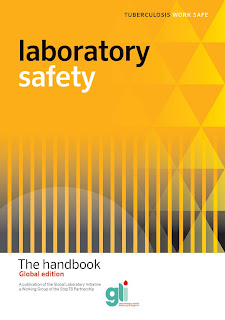
Laboratory Safety: Handbook (Tuberculosis)
This guide has been developed to help reduce the risk of infection or injury, and protect the laboratory workforce and the wider community against unintentional exposures or releases of pathogenic biological agents. This handbook provides practical information and clear illustrations to assist laboratory staff in understanding the important safety issues related to the processing and management of samples potentially containing Mycobacterium tuberculosis.
The Laboratory Safety handbook is a practical guide for laboratory staff; it draws on decades of experience working in culture and DST laboratories, and references best practice documents released by WHO, the Global Laboratory Initiative, and The Union. The Handbook uses simple text and clear illustrations to assist laboratory staff in understanding the important safety issues involved in performing culture and DST. The TB Laboratory Safety handbook should be used with the Tuberculosis laboratory biosafety manual.
REFERENCE:
Laboratory Safety: Handbook
ISBN: 978-0-6486845-1-0 (PDF)
ISBN: 978-0-6486845-0-3 (Print)
© 2019 Global Laboratory Initiative
Global TB Programme
World Health Organization
-----------------------------------------------------------
Sigue este Blog en Facebook y Twitter
-----------------------------------------------------------
The Laboratory Safety handbook is a practical guide for laboratory staff; it draws on decades of experience working in culture and DST laboratories, and references best practice documents released by WHO, the Global Laboratory Initiative, and The Union. The Handbook uses simple text and clear illustrations to assist laboratory staff in understanding the important safety issues involved in performing culture and DST. The TB Laboratory Safety handbook should be used with the Tuberculosis laboratory biosafety manual.
REFERENCE:
Laboratory Safety: Handbook
ISBN: 978-0-6486845-1-0 (PDF)
ISBN: 978-0-6486845-0-3 (Print)
© 2019 Global Laboratory Initiative
Global TB Programme
World Health Organization
-----------------------------------------------------------
Sigue este Blog en Facebook y Twitter
-----------------------------------------------------------
miércoles, 20 de noviembre de 2019
Penetración de etoxi- y butoxietanoles a través de un guante desechable de nitrilo
El propósito de este estudio fue investigar la penetración de los glicoléteres, 2-etoxietanol (2-EE) y 2-butoxietanol (2-BE) a través de guantes de examen desechables de nitrilo usando un módulo ASTM modificado de circuito cerrado. Los dos éteres de glicol puro desafiaron el guante de nitrilo púrpura sin polvo, sin forro, sin forro, de Kimberly-Clark. Sus parámetros de permeación se midieron con la ayuda de una celda de permeación de circuito cerrado ASTM F739 de 2.54 cm utilizando recolección de agua a 35.0 ± 0.5oC en un baño de agua con bandeja móvil y cromatografía de gases capilar-espectrometría de masas para cuantificación. Cada conjunto de experimentos consistió en cuatro células de permeación estándar con agua como solvente de recolección. La tasa de permeación en estado estacionario para 2-EE de 4,83 ± 0,45 µg / cm2 / min fue aproximadamente 4 veces mayor que la de 2-BE (1,27 ± 0,11 µg / cm2 / min). La penetración del 2-BE más no polar fue menor que para el 2-EE. Ambos solventes excedieron el umbral de tiempo normalizado de ASTM en el módulo de prueba de circuito cerrado. Las muestras de guantes no pasaron los criterios de permeabilidad definidos por Kimberly Clark y Ansell. Tales guantes no se recomiendan como equipo de protección personal para la exposición al 2-butoxietanol o al 2-etoxietanol, incluso para exposiciones de períodos muy cortos. Los fabricantes de guantes deberían reconsiderar el método de prueba de permeación existente para compuestos de baja volatilidad y aplicar el módulo de circuito cerrado debido a una mayor sensibilidad y precisión.
-----------------------------------------------------------
Sigue este Blog en Facebook y Twitter
-----------------------------------------------------------
REFERENCIA:
Banaee S, Que Hee SS. Permeation of ethoxy- and butoxy- ethanols through a disposable nitrile glove. Ind Health. 2019 Nov 2. doi: 10.2486/indhealth.2019-0146. [Epub ahead of print] PubMed PMID: 31685784.Sigue este Blog en Facebook y Twitter
-----------------------------------------------------------
lunes, 18 de noviembre de 2019
Bat Research Networks and Viral Surveillance
Bat research networks and viral surveillance are assumed to be at odds due to seemingly conflicting research priorities. Yet human threats that contribute to declines in bat populations globally also lead to increased transmission and spread of bat-associated viruses, which may pose a threat to global health and food security. In this review, we discuss the importance of and opportunities for multidisciplinary collaborations between bat research networks and infectious disease experts to tackle shared threats that jeopardize bat conservation as well as human and animal health. Moreover, we assess research effort on bats and bat-associated viruses globally, and demonstrate that Western Asia has limited published research and represents a gap for coordinated bat research. The lack of bat research in Western Asia severely limits our capacity to identify and mitigate region-specific threats to bat populations and detect interactions between bats and incidental hosts that promote virus spillover. We detail a regional initiative to establish the first bat research network in Western Asia (i.e., the Western Asia Bat Research Network, WAB-Net), with the aim of integrating ecological research on bats with virus surveillance to find “win-win” solutions that promote bat conservation and safeguard public and animal health across the region.
REFERENCE:
Phelps, Kendra L et al. Bat Research Networks and Viral Surveillance: Gaps and Opportunities in Western Asia. Viruses vol. 11,3 240. 10 Mar. 2019, doi:10.3390/v11030240
-----------------------------------------------------------
Sigue este Blog en Facebook y Twitter
-----------------------------------------------------------
REFERENCE:
Phelps, Kendra L et al. Bat Research Networks and Viral Surveillance: Gaps and Opportunities in Western Asia. Viruses vol. 11,3 240. 10 Mar. 2019, doi:10.3390/v11030240
-----------------------------------------------------------
Sigue este Blog en Facebook y Twitter
-----------------------------------------------------------
jueves, 14 de noviembre de 2019
CDC’s Antibiotic Resistance Threats in the United States, 2019
![]() |
DOWNLOAD REPORT |
According to the report, more than 2.8 million antibiotic-resistant infections occur in the U.S. each year, and more than 35,000 people die as a result. In addition, 223,900 cases of Clostridioides difficile occurred in 2017 and at least 12,800 people died.
Dedicated prevention and infection control efforts in the U.S. are working to reduce the number of infections and deaths caused by antibiotic-resistant germs, but the number of people facing antibiotic resistance is still too high. More action is needed to fully protect people.
CDC is concerned about rising resistant infections in the community, which can put more people at risk, make spread more difficult to identify and contain, and threaten the progress made to protect patients in healthcare. The emergence and spread of new forms of resistance remains a concern.
The report lists 18 antibiotic-resistant bacteria and fungi into three categories based on level of concern to human health—urgent, serious, and concerning—and highlights:
- Estimated infections and deaths since the 2013 report
- Aggressive actions taken
- Gaps slowing progress
The report also includes a Watch List with three threats that have not spread resistance widely in the U.S. but could become common without a continued aggressive approach.
REFERENCE:
Biggest Threats and Data. CDC 2019. https://www.cdc.gov/drugresistance/biggest-threats.html
Sigue este Blog en Facebook y Twitter
-----------------------------------------------------------
miércoles, 13 de noviembre de 2019
#BOOK: Preventing Transmission of Pandemic Influenza and Other Viral Respiratory Diseases
![]() |
200 pages | 6 x 9
ISBNs:
Paperback: 978-0-309-16254-8
Ebook: 978-0-309-21429-2
|
CONTENT:
- Introduction
- Understanding the Risk to Healthcare Personnel
- Designing and Engineering Effective PPE
- Using PPE: Individual and Organizational Issues
- Policy Research and Implementation: Healthcare Systems, Standards, and Certification
REFERENCE:
Institute of Medicine. 2011. Preventing Transmission of Pandemic Influenza and Other Viral Respiratory Diseases: Personal Protective Equipment for Healthcare Personnel: Update 2010. Washington, DC: The National Academies Press.
-----------------------------------------------------------
Sigue este Blog en Facebook y Twitter
-----------------------------------------------------------
martes, 12 de noviembre de 2019
COURSE: Pandemic influenza- Introduction
Overview: Pandemic influenza is an acute viral disease of the respiratory tract. It occurs when an influenza virus that was not previously circulating among people and to which most people have no immunity emerges and transmits among people. This course provides a general introduction to the disease through a short video lecture and quizzes to test your knowledge. It targets personnel preparing to respond to pandemic influenza outbreaks, including medical professionals, public health officials, incident managers and risk communication experts.
Learning objective: By the end of this course, participants should be able to:
Course duration: Approximately 1 hour.
Certificates: No certificate available at this time.
Self-paced
Language: English
Basic (Basique)
-----------------------------------------------------------
Sigue este Blog en Facebook y Twitter
-----------------------------------------------------------
Learning objective: By the end of this course, participants should be able to:
- describe transmission, symptoms and treatment for pandemic influenza;
- introduce key pharmaceutical and non-pharmaceutical interventions; and
- understand influenza pandemic phases and key public health challenges.
Course duration: Approximately 1 hour.
Certificates: No certificate available at this time.
Self-paced
Language: English
Basic (Basique)
Sigue este Blog en Facebook y Twitter
-----------------------------------------------------------
lunes, 11 de noviembre de 2019
Correlating Penetration with Biofilm Activity and Viability
Disinfectant biofilm penetration and its effect on biofilm aerobic activity and viability are still unclear. In this study, free chlorine and monochloramine were applied until full biofilm penetration occurred, and their effects on biofilm aerobic activity and viability were investigated in three–dimensions throughout the entire biofilm depth, extending previous work where viability analysis was limited to the upper biofilm (50 μm depth), free chlorine penetration did not reach completion, and only one–dimensional (depth) profiles were obtained. The free chlorine and monochloramine biofilm concentration profiles were correlated spatially and temporally with aerobic microbial activity and cell–membrane integrity based viability using a combination of (1) microelectrode measurements for disinfectant penetration and (2) Live/Dead BacLight staining, cryo–cross–sectioning, and confocal micrographs analysis for viability measurements throughout the entire biofilm depth. Compared to monochloramine, free chlorine penetration (1) was slower, (2) led to a greater decrease in biofilm thickness from sloughing, and (3) corresponded directly with a viability decrease. In addition, biofilm heterogeneity led to minor differences in either disinfectant’s biofilm penetration, and prior biofilm exposure to monochloramine provided little impact to subsequent free chlorine biofilm penetration.
REFERENCE:
Lee WH, Pressman JG, Wahman DG. Three-Dimensional Free Chlorine and Monochloramine Biofilm Penetration: Correlating Penetration with Biofilm Activity and Viability. Environ Sci Technol. 2018;52(4):1889–1898. doi:10.1021/acs.est.7b05215
-----------------------------------------------------------
Sigue este Blog en Facebook y Twitter
-----------------------------------------------------------
REFERENCE:
Lee WH, Pressman JG, Wahman DG. Three-Dimensional Free Chlorine and Monochloramine Biofilm Penetration: Correlating Penetration with Biofilm Activity and Viability. Environ Sci Technol. 2018;52(4):1889–1898. doi:10.1021/acs.est.7b05215
-----------------------------------------------------------
Sigue este Blog en Facebook y Twitter
-----------------------------------------------------------
jueves, 7 de noviembre de 2019
Surveillance of laboratory exposures to human pathogens and toxins: Canada 2018.
BACKGROUND: The Laboratory Incident Notification Canada (LINC) surveillance system monitors laboratory incidents reported under the Human Pathogens and Toxins Act. The year 2018 marks the third complete year of data.METHODS: Laboratory incidents that occurred in 2018 were reported through the LINC system. The number of laboratory incidents, people exposed and laboratory-acquired infections were compared to previous years, then the incidents were analyzed by sector, human pathogen or toxin involved, the type of incident, people exposed, route of exposure and root causes. Microsoft Excel 2016 was used for descriptive analysis.
RESULTS: In 2018, there were 89 exposure incidents to human pathogens and 235 people were exposed. There were five suspected and one confirmed laboratory-acquired infections. This was approximately twice the number of exposure incidents that were reported in 2017 (n=44) and 2016 (n=46). The highest number of exposure incidents occurred in the academic and hospital sectors, and the ratio of incidence to licences was the lowest in the private sector. The majority of incidents (n=50; 56%) involved Risk Group 2 human pathogens that were manipulated in a Containment Level 2 laboratory. Most exposures were related to sharps or procedures and the most common people exposed were laboratory technicians. Human interaction and standard operating procedures were the leading root causes.
CONCLUSION: Although overall the annual incidence of laboratory exposures in Canada remains relatively low, the incidence was higher in 2018 than in previous years. Whether this is a true increase in incidence or an increase in reporting is not known at this time as baseline estimates are still being established.
REFERENCE:
Choucrallah, D et al. Surveillance of laboratory exposures to human pathogens and toxins: Canada 2018. Canada communicable disease report = Releve des maladies transmissibles au Canada vol. 45,9 244-251. 5 Sep. 2019, doi:10.14745/ccdr.v45i09a04
-----------------------------------------------------------
Sigue este Blog en Facebook y Twitter
-----------------------------------------------------------
miércoles, 6 de noviembre de 2019
#BOOK: The Use and Effectiveness of Powered Air Purifying Respirators in Health Care
![]() |
80 pages | 6 x 9
ISBNs:
Paperback: 978-0-309-31595-1
Ebook: 978-0-309-31598-2
|
The Use and Effectiveness of Powered Air Purifying Respirators in Health Care is the summary of a workshop convened by the Institute of Medicine Standing Committee on Personal Protective Equipment for Workplace Safety and Health to explore the current state of practices and research related to powered air purifying respirator (PAPRs) and potential updates to performance requirements. Presentations and discussions highlighted current health care practices using PAPRs and outlined the research to date on the use and effectiveness of PAPRs in health care settings with a focus on the performance requirements. The Use and Effectiveness of Powered Air Purifying Respirators in Health Care focuses on efficacy, current training, maintenance, supplies, and possible enhancements and barriers to use in inpatient, clinic, nursing home, and community (home) settings. This report also explores the strengths and weaknesses of using various approaches to health care PAPR standards.
REFERENCE:
Institute of Medicine. 2015. The Use and Effectiveness of Powered Air Purifying Respirators in Health Care: Workshop Summary. Washington, DC: The National Academies Press. https://doi.org/10.17226/18990.
Sigue este Blog en Facebook y Twitter
-----------------------------------------------------------
martes, 5 de noviembre de 2019
Managing epidemics
.This manual provides concise and up-to-date knowledge on 15 infectious diseases that have the potential to become international threats, and tips on how to respond to each of them.
The 21st century has already been marked by major epidemics. Old diseases - cholera, plague and yellow fever - have returned, and new ones have emerged - SARS, pandemic influenza, MERS, Ebola and Zika. These epidemics and their impact on global public health have convinced the world's governments of the need for a collective and coordinated defense against emerging public health threats and accelerated the revision of the International Health Regulations (2005), entered into force in 2007. Another Ebola epidemic, another plague epidemic or a new influenza pandemic are not mere probabilities, the threat is real. Whether transmitted by mosquitoes, other insects, via contact with animals or person-to-person, the only major uncertainty is when and where they, or a new, but equally lethal epidemic, will emerge. These diseases all have the potential to spread internationally highlighting the importance of immediate and coordinated response. The diseases covered are: Ebola virus disease, lassa fever, Crimean-Congo haemorrhagic fever, yellow fever, Zika, chikungunya, avian and other zoonotic influenza, seasonal influenza, pandemic influenza, Middle-East respiratory syndrome (MERS), cholera, monkeypox, plague, leptospirosis and meningococcal meningitis. Although originally developed as guidance for WHO officials, this publication is available to a wide readership including all frontline responders - communities, government officials, non-State actors and public health professionals - who need to respond rapidly and effectively when an outbreak is detected.
REFERENCE:
Managing epidemics: Key facts about major deadly diseases. Authors: World Health Organization
Number of pages: 255 Publication date: May 2018 Languages: English
ISBN: 978-92-4-156553-0
-----------------------------------------------------------
-----------------------------------------------------------
lunes, 4 de noviembre de 2019
A cryogel-based bioreactor for water treatment applications
The aim of this study was to develop and test a non-diffusion limited, high cell density bioreactor for biodegradation of various phenol derivatives. The bioreactor was obtained using a straightforward one-step preparation method using cryostructuration and direct cross-linking of bacteria into a 3D structured (sponge-like) macroporous cryogel composite material consisting of 11.6% (by mass) cells and 1.2-1.7% polymer, with approximately 87% water (in the material pores). The macroporous cryogel composite material, composed of live bacteria, has pore sizes in the range of 20-150 μm (confirmed by SEM and Laser Scanning Confocal Microscopy). The enzymatic activity of bacteria within the cryogel structure and the effect of freezing on the viability of the cross-linked cells was estimated by MTT assay. Cryogels based on Pseudomonas mendocina, Rhodococcus koreensis and Acinetobacter radioresistens were exploited for the effective bioremediation of phenol and m-cresol, and to a lesser extent 2-chlorophenol and 4-chlorophenol, utilising these phenolic contaminants in water as their only source of carbon. For evaluation of treatment scalability the bioreactors were prepared in plastic "Kaldnes" carriers to improve their mechanical properties and allow application in batch or fluidised bed water treatment modes.
REFERENCE:
Berillo DA, et al. A cryogel-based bioreactor for water treatment applications. Water Res. 2019 Apr 15;153:324-334. doi: 10.1016/j.watres.2019.01.028. Epub 2019 Jan 31. PubMed PMID: 30739074.
Sigue este Blog en Facebook y Twitter
-----------------------------------------------------------
viernes, 1 de noviembre de 2019
#BOOK: Global Guidelines for the Prevention of Surgical Site Infection
The first ever Global guidelines for the prevention of surgical site infection (SSI) were published on 3 November 2016, then updated in some parts and published in a new edition in December 2018. They include a list of 29 concrete recommendations on 23 topics for the prevention of SSI in the pre-, intra and postoperative periods, which are based on 28 systematic reviews of the evidence.
For the 2018 update, the membership of the guidelines development group (GDG) was broadened to include an additional eight anaesthesiology experts. The 2018 edition of the guidelines includes the revision of the recommendation regarding the use of 80% fraction of inspired oxygen (high FiO2) in surgical patients under general anaesthesia with tracheal intubation and the update of the section on implementation. Between 2017 and 2018, WHO re-assessed the evidence on the use of high FiO2 by updating the systematic review related to the effectiveness of this intervention to reduce SSI and commissioning an independent systematic review on adverse events potentially associated with it. Based on the updated evidence, the GDG decided to revise the strength of the recommendation from strong to conditional.
REFERENCIA:Global Guidelines for the Prevention of Surgical Site Infection. Geneva: World Health Organization; 2018. ISBN 978-92-4-155047-5. Available from: https://www.ncbi.nlm.nih.gov/books/NBK536404/
-----------------------------------------------------------
Sigue este Blog en Facebook y Twitter
-----------------------------------------------------------
Suscribirse a:
Entradas (Atom)


