Lista de correo. Espere su aprobación.
Correo electrónico:
Consultar este grupo

jueves, 2 de mayo de 2019

Diseño de un depósito de cadáveres para una facultad de medicina y hospitales periféricos

El depósito de cadáveres es el lugar más descuidado e ignorado en casi todos los hospitales, así como en las facultades de medicina. Ni siquiera tienen instalaciones básicas para los difuntos, el público y los funcionarios que trabajan allí. Es un hecho bien conocido que, a partir de los gastos generales de cualquier hospital, se gasta un mínimo en las instalaciones de autopsia; siendo considerado un mal necesario. En consecuencia, el ambiente general en un depósito de cadáveres es deprimente y sombrío; esta situación se ve agravada por la apatía administrativa hacia el trabajo médico-legal en su conjunto. A pesar de estos reveses, un rayo de esperanza surge de procesos judiciales sobre este tema. Teniendo en cuenta estos puntos, junto con la compulsión judicial a las autoridades para simplificar y mejorar los mortuorios, presentamos el complejo ideal para el depósito de cadáveres diseñado para colegios de médicos y hospitales periféricos.
REFERENCIA:
Sirohiwal BL, Paliwal PK, Sharma L, Chawla H (2011). Design and Layout of Mortuary Complex for a Medical College and Peripheral Hospitals. J Forensic Res 2:102e. doi:10.4172/2157-7145.1000102e

-----------------------------------------------------------
Sigue este Blog en Facebook y Twitter
-----------------------------------------------------------

martes, 30 de abril de 2019

Vaccines Did Not Cause Rachel’s Autism #VaccinesWork #AUDIO #MP3

Vaccine scientist, pediatrician, and autism dad Peter Hotez talks about his new book, Vaccines Did Not Cause Rachel’s Autism.
Host: Vincent Racaniello
Guest: Peter Hotez
Click arrow to play
Download TWiV Special (12 MB .mp3, 19 min)


-----------------------------------------------------------
Sigue este Blog en Facebook y Twitter
-----------------------------------------------------------

lunes, 29 de abril de 2019

Emergency Response for a Laboratory Biosafety Incident

On December 14, 2017, a faculty member of a university in Hunan Province reported that an anthrax vaccine strain might have recovered virulence during an undergraduate experiment and potential exposure could not be ruled out for the students involved. Upon receiving the case report, the CDC, health bureaus, and local governments at the county, prefectural, and provincial levels promptly organized experts in different fields (including epidemiologists, biosafety experts, and laboratory testing experts) for case investigation, evaluation, and response. As the investigation results showed, no virulence recovery was identified in the involved anthrax vaccine strain; and no contamination of Bacillus anthracis was detected at the involved areas. Thus, the university returned to normal functioning.
REFERENCE:
Zhang EM, et al. Emergency Response for a Laboratory Biosafety Incident. Biomed Environ Sci. 2019 Mar;32(3):231-233. doi: 10.3967/bes2019.032. PubMed PMID: 30987699.


-----------------------------------------------------------
Sigue este Blog en Facebook y Twitter
-----------------------------------------------------------

jueves, 25 de abril de 2019

Semana Mundial de la Inmunización de 2019 #VaccinesWork

Protegidos colectivamente: ¡las vacunas funcionan!

La Semana Mundial de la Inmunización —que se celebra la última semana de abril— tiene por objetivo promover la vacunación para proteger contra las enfermedades a las personas de todas las edades. Cada año, la inmunización salva millones de vidas y en todo el mundo se la reconoce ampliamente como una de las intervenciones de salud más costoeficaces y que da mejores resultados. Aun así, sigue habiendo en el mundo cerca de 20 millones de niños no vacunados o vacunados de forma incompleta.
El lema de este año es Protected Together: Vaccines Work! («Protegidos colectivamente: ¡las vacunas funcionan!»), y la campaña rendirá homenaje a los héroes de la vacunación de todo el mundo —desde los progenitores y los miembros de la comunidad hasta los trabajadores e innovadores del sector de la salud— que ayudan a velar por que todos estemos protegidos mediante el poder de las vacunas.
https://www.who.int/es/campaigns/world-immunization-week/world-immunization-week-2019
https://www.who.int/es/campaigns/world-immunization-week/world-immunization-week-2019/key-messages
https://www.who.int/es/campaigns/world-immunization-week/world-immunization-week-2019/campaign-materials

-----------------------------------------------------------
Sigue este Blog en Facebook y Twitter
-----------------------------------------------------------

Surveillance of laboratory exposures to human pathogens and toxins: Canada 2017.

BACKGROUND: Under Canada's Human Pathogens and Toxins Act and Human Pathogens and Toxins Regulations, the Public Health Agency of Canada (PHAC) is mandated with monitoring laboratory incident notifications through the Laboratory Incident Notification Canada (LINC) surveillance system. The year 2017 marks the second complete year of data.
OBJECTIVE: To describe the laboratory exposure and laboratory-acquired infection incidents that occurred in Canada in 2017 by sector, human pathogens and toxins involved, number of affected persons, incident type and root causes.
METHODS: The incidents included in the analysis occurred between January 1 and December 31, 2017. They were reported by laboratories with active licences to PHAC through the LINC surveillance system. Microsoft Excel 2010 was used for basic descriptive statistics.
RESULTS: A total of 44 exposure and laboratory-acquired infection incidents were reported to the LINC in 2017. Compared by sector and their respective shares of licences, the number of incidents was highest in the academic and hospital sectors compared with government laboratories and private industry. Altogether 118 people were exposed for an average of 2.7 people per incident (range of 1-29). There were no reports of secondary exposure. Six exposure incidents (14%) led to "suspected" (n=5) or confirmed (n=1) cases of laboratory-acquired infection. Although overall, risk group (RG)2 human pathogens and toxins were involved in the majority of incidents (n=23; 52%), Francisella tularensis (n=4; 9%) and Coccidioides immitis (n=3; 7%) were the most frequently involved in reported exposure incidents. These two pathogens are both RG3 and security-sensitive biological agents (SSBAs). An average of 2.3 root causes were identified per incident (n=101). Problems with standard operating procedures (SOPs) and human error were the two most common causes.
CONCLUSION: The incidence of laboratory exposure incidents was relatively low in 2017. The most common route of exposure was through inhalation and the most common root causes were problems with SOPs and human error. Since this is a new surveillance system, baseline estimates are still being established.
REFERENCE:
pomerleau-Normandin D, Heisz M, Tanguay F. Surveillance of laboratory exposures to human pathogens and toxins: Canada 2017. Can Commun Dis Rep. 2018 Nov 1;44(11):297-304. doi: 10.14745/ccdr.v44i11a05. eCollection 2018 Nov 1. PubMed PMID: 30996692; PubMed Central PMCID: PMC6449110


-----------------------------------------------------------
Sigue este Blog en Facebook y Twitter
-----------------------------------------------------------

lunes, 22 de abril de 2019

Biosafety Level 4 Laboratory User Training Program, China

Experienced, qualified personnel certified to work in high-level biocontainment laboratories contribute to the safe operation of these facilities. China began a training program for laboratory users after establishing its first Biosafety Level 4 laboratory, the Wuhan National Biosafety Laboratory (Level 4) of the Chinese Academy of Sciences. We provide an overview of the content of this training program, which can serve as a reference for developing national norms for high-containment laboratory training.
REFERENCE:
Xia H, et al. Biosafety Level 4 Laboratory User Training Program, China. Emerg Infect Dis. 2019 May;25(5). doi: 10.3201/eid2505.180220. PubMed PMID: 31002302.


-----------------------------------------------------------
Sigue este Blog en Facebook y Twitter
Ayúdanos a traducir las fichas de seguridad de microorganismos.
www.seguridadbiologica.blogspot.com
-----------------------------------------------------------

miércoles, 10 de abril de 2019

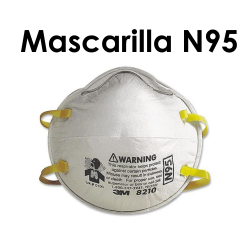
Comparación de factores de ajuste con tres tipos de respiradores N95

Introducción: Se han recomendado respiradores con filtro N95 o superior en entornos de atención médica, aunque todavía existe un riesgo de infección debido a la selección inadecuada y el uso de los respiradores. El objetivo fue evaluar los efectos del entrenamiento con respiradores con filtro N95 o superior en el desempeño de protección de los respiradores entre los proveedores de atención médica en el centro médico de emergencia (EMC). Métodos: Este estudio aleatorizado cruzado evaluó a 23 proveedores de atención médica. Se realizaron pruebas de ajuste cuantitativas (QNFT) antes y después del entrenamiento con tres tipos de respiradores con filtro N95 o superior (tipo copa, tipo plegado, tipo válvula). La capacitación se realizó mediante conferencia, comentarios en tiempo real y control de ajuste. El resultado primario fue el factor de ajuste, y los resultados secundarios fueron el factor de ajuste general, la tasa de protección adecuada y la preferencia respiratoria. Resultados: Los factores de ajuste, el factor de ajuste general y la tasa de protección adecuada fueron mayores después del entrenamiento que antes del entrenamiento para los 3 tipos de respiradores (p <0,05). Para la respiración normal, los factores de ajuste antes y después del entrenamiento fueron 121 (10–185) vs 192 (161–200) para el tipo de copa, 200 (39–200) vs 200 (200–200) para el tipo de pliegue, y 85 ( 18–157) vs 173 (117–200) para el tipo de válvula. Para la respiración normal, las tasas de protección adecuadas antes y después del entrenamiento fueron 62 (0–100) frente a 100 (90–100) para el tipo de copa, 100 (0–100) frente a 100 (100–100) para el tipo de doblez, y 19 (0–100) vs 100 (44–100) para el tipo de válvula (todos P <.05). El tipo de respirador más preferido fue el tipo de válvula (10 personas, 45.5%). Conclusiones: La capacitación sobre el uso de un respirador N95 o superior mejoró el rendimiento de protección de los respiradores entre los proveedores de atención médica que trabajan en el EMC. La selección de respiradores adecuados y la capacitación serían beneficiosos para la seguridad de los proveedores de atención médica. Palabras clave: centro médico de emergencia, factor de ajuste, respirador N95, entrenamiento.
REFERENCIA:
Kim, Hongjung et al. “Comparison of fit factors among healthcare providers working in the Emergency Department Center before and after training with three types of N95 and higher filter respirators.” Medicine vol. 98,6 (2019): e14250. doi:10.1097/MD.0000000000014250
-----------------------------------------------------------
Sigue este Blog en Facebook y Twitter
Ayúdanos a traducir las fichas de seguridad de microorganismos.
www.seguridadbiologica.blogspot.com
-----------------------------------------------------------

lunes, 8 de abril de 2019

Bioaerosols and Transmission, a Diverse and Growing Community of Practice

La transmisión de microorganismos infecciosos a través de bioaerosoles es una preocupación importante para la salud humana y animal. Sin embargo, persisten las lagunas en nuestra comprensión de la transmisión de patógenos respiratorios y la heterogeneidad metodológica. Los nuevos desarrollos han permitido avanzar en este dominio, y uno de los principales puntos de inflexión ha sido el reconocimiento de las colaboraciones interdisciplinarias en esferas de la salud humana y animal, microbiología, biofísica, ingeniería, aerobiología, control de infecciones, salud pública, salud ocupacional, Y la higiene industrial es esencial. Las iniciativas de colaboración respaldan los avances en temas como el comportamiento del bioaerosol, los modelos de dispersión, la evaluación de riesgos, los efectos de riesgo / exposición y las estrategias de mitigación en entornos clínicos, experimentales, agrícolas y de otro tipo. Existe la necesidad de mejorar la traducción del conocimiento para que los investigadores, partes interesadas y socios privados apoyen a una red cada vez mayor de individuos y agencias para lograr objetivos comunes para mitigar la transmisión de patógenos entre especies y dentro de las especies a través de bioaerosoles.
REFERENCE:
Mubareka, Samira et al. “Bioaerosols and Transmission, a Diverse and Growing Community of Practice.” Frontiers in public health vol. 7 23. 21 Feb. 2019, doi:10.3389/fpubh.2019.00023

-----------------------------------------------------------
Sigue este Blog en Facebook y Twitter
Ayúdanos a traducir las fichas de seguridad de microorganismos.
www.seguridadbiologica.blogspot.com
-----------------------------------------------------------

viernes, 5 de abril de 2019

Another hazard to laboratory worker #tuberculosis

Needle-stick injuries, unfortunately, are a common occurrence during blood extraction and handling of specimens in the laboratory, which often lead to the contraction of blood-borne viral diseases. Mycobacterium tuberculosis infection also poses a threat to healthcare workers, especially laboratory workers in areas with endemic levels of tuberculosis infections. We present in this report, a case of primary inoculation of tuberculosis of the skin transmitted following a needle-stick injury, which was successfully treated. Reports of such an occurrence are few, and our report further underlines the need to take greater precautions against these accidents. In addition, our case draws attention to the possibility of prophylactic anti-tuberculous treatment in high-risk patients to prevent the progression of an overt illness.
REFERENCE:
Ghanbar MI, Bukharie HA. Another hazard to laboratory workers. Saudi J Med Med Sci 2015;3:174-7

-----------------------------------------------------------
Sigue este Blog en Facebook y Twitter
Ayúdanos a traducir las fichas de seguridad de microorganismos.
www.seguridadbiologica.blogspot.com
-----------------------------------------------------------

miércoles, 3 de abril de 2019

El hongo destructor de especies


Parece un título exagerado, pero no lo es. Un hongo está erradicando especies de anfibios (ranas, sapos) y salamandras a escala global. Su nombre: Batrachochytrium dendrobatidis, y se calcula que desde 1965, de las 500 especies afectadas por este hongo, 90 especies ya se han extinguido(1). Este hongo es el agente causal de una infección en la piel de los anfibios llamada quitridiomicosis. Y aunque es una enfermedad tratable, en especies silvestres es casi imposible administrar los tratamientos. Es tan grave el asunto que la Oficina Internacional de Epizootías (OIE), de la Organización Mundial de Sanidad animal ha declarado a la enfermedad como de notificación obligatoria por la gran amenaza que representa a la biodiversidad. El término científico es que es una "panzootia", lo que en términos de patógenos humanos sería equivalente a una "pandemia". Al existir una pérdida tan grande en la biodiversidad, B. dendrobatidis se ha convertido en el patógeno con mayor mortalidad en el mundo.
REFERENCIA:
1.       Scheele BC, et al. (2019) Amphibian fungal panzootic causes catastrophic and ongoing loss of biodiversity Science 363(6434):1459–1463.

lunes, 1 de abril de 2019

Gene editing using CRISPR/Cas9: implications for dual-use and #biosecurity

[FRAGMENT...]
We have read with interest the recent paper by Kang, et al (2017), addressing clinical and ethical issues related to the safe and responsible use of CRISPR/Cas. The authors provide a number of important considerations about the current capabilities offered by this novel gene-editing tool, including germ line editing in embryos, and potential diverse uses in adult human applications. The authors posit that the tool in of itself does not represent a threat, and that periodic assessment will ensure its responsible use. We agree, but with caveat: namely, that any tool that imparts great capability also involves at least some risk, if not threat, that the power conferred by such capacity can be used to leverage or evoke a variety of ends. This deviation of intent is a principal concern of dual-use research and its applications.
REFERENCE:
DiEuliis, Diane and James Giordano. “Gene editing using CRISPR/Cas9: implications for dual-use and biosecurity” Protein & cell vol. 9,3 (2017): 239-240.

-----------------------------------------------------------
Sigue este Blog en Facebook y Twitter
Ayúdanos a traducir las fichas de seguridad de microorganismos.
www.seguridadbiologica.blogspot.com
-----------------------------------------------------------

viernes, 29 de marzo de 2019

FORO: Prevención integral de infecciones asociadas a la atención a la salud

Atenta invitación. 
Cámara de Diputados. Jueves 11 de abril de 2019. 
Cupo limitado. Llamar en horarios de oficina

-----------------------------------------------------------
Sigue este Blog en Facebook y Twitter
-----------------------------------------------------------

Amphibian fungal panzootic causes catastrophic loss of biodiversity

Anthropogenic trade and development have broken down dispersal barriers, facilitating the spread of diseases that threaten Earth’s biodiversity. We present a global, quantitative assessment of the amphibian chytridiomycosis panzootic, one of the most impactful examples of disease spread, and demonstrate its role in the decline of at least 501 amphibian species over the past half-century, including 90 presumed extinctions. The effects of chytridiomycosis have been greatest in large-bodied, range-restricted anurans in wet climates in the Americas and Australia. Declines peaked in the 1980s, and only 12% of declined species show signs of recovery, whereas 39% are experiencing ongoing decline. There is risk of further chytridiomycosis outbreaks in new areas. The chytridiomycosis panzootic represents the greatest recorded loss of biodiversity attributable to a disease.
REFERENCE:
Scheele BC et al. Amphibian fungal panzootic causes catastrophic and ongoing loss of biodiversity.  29 Mar 2019: Vol. 363, Issue 6434, pp. 1459-1463 DOI: 10.1126/science.aav0379

-----------------------------------------------------------
Sigue este Blog en Facebook y Twitter
Ayúdanos a traducir las fichas de seguridad de microorganismos.
www.seguridadbiologica.blogspot.com
-----------------------------------------------------------

miércoles, 27 de marzo de 2019

#HIV prevalence in suspected #Ebola en Sierra Leona

BACKGROUND: The 2014-2016 Ebola virus epidemic in West Africa was the largest outbreak of Ebola virus disease (EVD) in history. Clarifying the influence of other prevalent diseases such as human immunodeficiency virus infection and acquired immune deficiency syndrome (HIV/AIDS) will help improve treatment and supportive care of patients with EVD.
CASE PRESENTATION: We examined HIV and hepatitis C virus (HCV) antibody prevalence among suspected EVD cases from the Sierra Leone-China Friendship Biological Safety Laboratory during the epidemic in Sierra Leone. HIV and HCV antibodies were tested in 678 EVD-negative samples by enzyme-linked immunosorbent assay. A high HIV prevalence (17.6%) and low HCV prevalence (0.22%) were observed among the suspected cases. Notably, we found decreased HIV positive rates among the suspected cases over the course of the epidemic. This suggests a potentially beneficial effect of an improved public health system after assistance from the World Health Organization and other international aid organizations.
CONCLUSIONS: This EVD epidemic had a considerable impact on the public health system and influenced the prevalence of HIV found among suspected cases in Sierra Leone, but also provided an opportunity to establish a better surveillance network for infectious diseases.
REFERENCE:
Liu WJ, et al. HIV prevalence in suspected Ebola cases during the 2014-2016 Ebola epidemic in Sierra Leone. Infect Dis Poverty. 2019 Mar 4;8(1):15. doi: 10.1186/s40249-019-0525-9. 

-----------------------------------------------------------
Sigue este Blog en Facebook y Twitter
Ayúdanos a traducir las fichas de seguridad de microorganismos.
www.seguridadbiologica.blogspot.com
-----------------------------------------------------------
lunes, 25 de marzo de 2019

Raccoon Rabies Virus Variant Transmission Through Solid Organ Transplantation

Importance: The rabies virus causes a fatal encephalitis and can be transmitted through tissue or organ transplantation. In February 2013, a kidney recipient with no reported exposures to potentially rabid animals died from rabies 18 months after transplantation. Objectives: To investigate whether organ transplantation was the source of rabies virus exposure in the kidney recipient, and to evaluate for and prevent rabies in other transplant recipients from the same donor. Design: Organ donor and all transplant recipient medical records were reviewed. Laboratory tests to detect rabies virus–specific binding antibodies, rabies virus neutralizing antibodies, and rabies virus antigens were conducted on available specimens, including serum, cerebrospinal fluid, and tissues from the donor and the recipients. Viral ribonucleic acid was extracted from tissues and amplified for nucleoprotein gene sequencing for phylogenetic comparisons. Main Outcomes and Measures: Determination of whether the donor died from undiagnosed rabies and whether other organ recipients developed rabies. Results: In retrospect, the donor’s clinical presentation (which began with vomiting and upper extremity paresthesias and progressed to fever, seizures, dysphagia, autonomic dysfunction, and brain death) was consistent with rabies. Rabies virus antigen was detected in archived autopsy brain tissue collected from the donor. The rabies viruses infecting the donor and the deceased kidney recipient were consistent with the raccoon rabies virus variant and were more than 99.9% identical across the entire N gene (1349/1350 nucleotides), thus confirming organ transplantation as the route of transmission. The 3 other organ recipients remained asymptomatic, with rabies virus neutralizing antibodies detected in their serum after completion of postexposure prophylaxis (range, 0.3-40.8 IU/mL). Conclusions and Relevance: Unlike the 2 previous clusters of rabies virus transmission through solid organ transplantation, there was a long incubation period in the recipient who developed rabies, and survival of 3 other recipients without pretransplant rabies vaccination. Rabies should be considered in patients with acute progressive encephalitis of unexplained etiology, especially for potential organ donors. A standard evaluation of potential donors who meet screening criteria for infectious encephalitis should be considered, and risks and benefits for recipients of organs from these donors should be evaluated.
REFERENCE:
Vora NM, Basavaraju SV, Feldman KA, et al. Raccoon Rabies Virus Variant Transmission Through Solid Organ Transplantation. JAMA. 2013;310(4):398–407. doi:10.1001/jama.2013.7986

-----------------------------------------------------------
Sigue este Blog en Facebook y Twitter
Ayúdanos a traducir las fichas de seguridad de microorganismos.
www.seguridadbiologica.blogspot.com
-----------------------------------------------------------

jueves, 21 de marzo de 2019

#24Marzo Día Mundial contra la #Tuberculosis 2019 #EndTB

"Es hora de actuar" 
El 24 de marzo de cada año se celebra el Día Mundial de la Tuberculosis para concienciar sobre las terribles consecuencias sociales, económicas y para la salud de la tuberculosis (TB) y acelerar los esfuerzos por poner fin a la epidemia mundial de esta enfermedad. En esta fecha se conmemora el día de 1882 en el que el Dr. Robert Koch anunció que había descubierto la bacteria que provoca la TB, lo que posibilitó diagnosticar y curar la enfermedad.
La TB sigue siendo la enfermedad infecciosa más letal del mundo. Cada día mueren casi 4500 personas a causa de la TB y aproximadamente 30 000 personas contraen esta enfermedad prevenible y curable. Se calcula que los esfuerzos mundiales por luchar contra la TB han salvado 54 millones de vidas desde 2000 y han reducido la tasa de mortalidad por TB en un 42%. Para acelerar la respuesta a la TB en los países con el fin de alcanzar las metas, los Jefes de Estado celebraron en septiembre de 2018 la primera Reunión de Alto Nivel de las Naciones Unidas sobre la TB, en la que se comprometieron fehacientemente a poner fin a esta enfermedad.
WEBSITE:  https://www.who.int/campaigns/world-tb-day/world-tb-day-2019
ESPAÑOL:  https://www.who.int/es/news-room/events/detail/2019/03/24/default-calendar/world-tb-day-2019


-----------------------------------------------------------
Sigue este Blog en Facebook y Twitter
Ayúdanos a traducir las fichas de seguridad de microorganismos.
www.seguridadbiologica.blogspot.com
-----------------------------------------------------------

Bioaerosols and Transmission, a Diverse and Growing Community of Practice

The transmission of infectious microbes via bioaerosols is of significant concern for both human and animal health. However, gaps in our understanding of respiratory pathogen transmission and methodological heterogeneity persist. New developments have enabled progress in this domain, and one of the major turning points has been the recognition that cross-disciplinary collaborations across spheres of human and animal health, microbiology, biophysics, engineering, aerobiology, infection control, public health, occupational health, and industrial hygiene are essential. Collaborative initiatives support advances in topics such as bioaerosol behavior, dispersion models, risk assessment, risk/exposure effects, and mitigation strategies in clinical, experimental, agricultural, and other field settings. There is a need to enhance the knowledge translation for researchers, stakeholders, and private partners to support a growing network of individuals and agencies to achieve common goals to mitigate inter- and intra-species pathogen transmission via bioaerosols.
REFERENCE:
Mubareka S, et al. Bioaerosols and Transmission, a Diverse and Growing Community of Practice. Front Public Health. 2019 Feb 21;7:23. doi: 10.3389/fpubh.2019.00023. eCollection 2019. Review.

-----------------------------------------------------------
Sigue este Blog en Facebook y Twitter
Ayúdanos a traducir las fichas de seguridad de microorganismos.
www.seguridadbiologica.blogspot.com
-----------------------------------------------------------

lunes, 18 de marzo de 2019

Plants Developed by New Genetic Modification Techniques

The development of new genetic modification techniques (nGMs), also referred to as "new (breeding) techniques" in other sources, has raised worldwide discussions regarding their regulation. Different existing regulatory frameworks for genetically modified organisms (GMO) cover nGMs to varying degrees. Coverage of nGMs depends mostly on the regulatory trigger. In general two different trigger systems can be distinguished, taking into account either the process applied during development or the characteristics of the resulting product. A key question is whether regulatory frameworks either based on process- or product-oriented triggers are more advantageous for the regulation of nGM applications. We analyzed regulatory frameworks for GMO from different countries covering both trigger systems with a focus on their applicability to plants developed by various nGMs. The study is based on a literature analysis and qualitative interviews with regulatory experts and risk assessors of GMO in the respective countries. The applied principles of risk assessment are very similar in all investigated countries independent of the applied trigger for regulation. Even though the regulatory trigger is either process- or product-oriented, both triggers systems show features of the respective other in practice. In addition our analysis shows that both trigger systems have a number of generic advantages and disadvantages, but neither system can be regarded as superior at a general level. More decisive for the regulation of organisms or products, especially nGM applications, are the variable criteria and exceptions used to implement the triggers in the different regulatory frameworks. There are discussions and consultations in some countries about whether changes in legislation are necessary to establish a desired level of regulation of nGMs. We identified five strategies for countries that desire to regulate nGM applications for biosafety-ranging from applying existing biosafety frameworks without further amendments to establishing new stand-alone legislation. Due to varying degrees of nGM regulation, international harmonization will supposedly not be achieved in the near future. In the context of international trade, transparency of the regulatory status of individual nGM products is a crucial issue. We therefore propose to introduce an international public registry listing all biotechnology products commercially used in agriculture.
REFERENCE:
Eckerstorfer MF, et al. Plants Developed by New Genetic Modification Techniques-Comparison of Existing Regulatory Frameworks in the EU and Non-EU Countries. Front Bioeng Biotechnol. 2019 Feb 19;7:26. doi: 10.3389/fbioe.2019.00026. eCollection 2019.

-----------------------------------------------------------
Sigue este Blog en Facebook y Twitter
Ayúdanos a traducir las fichas de seguridad de microorganismos.
www.seguridadbiologica.blogspot.com
-----------------------------------------------------------

jueves, 14 de marzo de 2019

#España: Plan Nacional de Biocustodia

El Consejo de Seguridad Nacional, en su reunión del día 21 de enero de 2019, ha aprobado el Plan Nacional de Biocustodia.  La Estrategia de Seguridad Nacional, aprobada por Acuerdo del Consejo de Ministros del 31 de mayo de 2013, incluyó la adopción de un «Plan Nacional de Biocustodia» entre sus objetivos. Por su parte, la Estrategia de Seguridad Nacional de 2017 incluye entre los suyos «el combatir la proliferación de armas de destrucción masiva, sus vectores de lanzamiento, materiales conexos y tecnología asociada, así como impedir su acceso a actores no estatales, y en particular a organizaciones terroristas». Para lograr este Objetivo establece como línea de acción el «fortalecer las capacidades nacionales en el área de la no proliferación mediante la aplicación de la normativa internacional y el desarrollo y actualización de la normativa nacional».
REFERENCIA:
2553 Orden PCI/168/2019, de 22 de febrero, por la que se publica el Plan Nacional de Biocustodia, aprobado por el Consejo de Seguridad Nacional.

-----------------------------------------------------------
Sigue este Blog en Facebook y Twitter
Ayúdanos a traducir las fichas de seguridad de microorganismos.
www.seguridadbiologica.blogspot.com
-----------------------------------------------------------

miércoles, 13 de marzo de 2019

#OpenWHO

OpenWHO is WHO’s new interactive, web-based, knowledge-transfer platform offering online courses to improve the response to health emergencies. OpenWHO enables the Organization and its key partners to transfer life-saving knowledge to large numbers of frontline responders.

-----------------------------------------------------------
Sigue este Blog en Facebook y Twitter
Ayúdanos a traducir las fichas de seguridad de microorganismos.
www.seguridadbiologica.blogspot.com
-----------------------------------------------------------

lunes, 11 de marzo de 2019

Surrogate strains of human pathogens for field release

Surrogate microorganisms, in short surrogates, are an essential part of pathogen research. Compared to surrogates used in controlled laboratory environments, surrogates for field release are restricted by concerns about human and environmental safety. For field research of food-borne pathogens, strains of an attenuated pathogen or strains of genetically close non-pathogenic species have been used as surrogates. Genetic modification is usually performed to attenuate virulence, through for examples deletion of genes of virulence and transcriptional regulators and removal of virulence plasmids, and to facilitate detection and monitoring through observing antibiotic resistance, fluorescence, and bioluminescence. For field research of a biological warfare agent Bacillus anthracis, strains of genetically close non-pathogenic species or strains of genetically distant non-pathogenic species have been used, mostly without any genetic modification. Recently, we constructed strains of Bacillus thuringiensis as surrogates for B. anthracis, demonstrating that strain engineering could significantly enhance the utility of surrogates, and that the application of a simple genetic circuit could significantly impact surrogate safety. Thus far, enormous potential of biotechnology has not been exploited enough due to safety concerns regarding the field release of genetically engineered microorganisms. However, synthetic biology is rapidly developing, providing new concepts for biocontainment as well as ingenious genetic circuits and devices, which should be applied in future research of field-use surrogates.
REFERENCE:
Park S, Kim CH, Jeong ST, Lee SY. Surrogate strains of human pathogens for field release. Bioengineered. 2018 Jan 1;9(1):17-24. doi: 10.1080/21655979.2017.1349044. Epub 2017 Jul 26. Review.

-----------------------------------------------------------
Sigue este Blog en Facebook y Twitter
Ayúdanos a traducir las fichas de seguridad de microorganismos.
www.seguridadbiologica.blogspot.com
-----------------------------------------------------------

viernes, 8 de marzo de 2019

Prevención y control de infecciones asociadas a la atención de la salud

Según la evidencia científica disponible, las intervenciones con mejores resultados son aquellas cuyas prácticas solo se admiten si se realizan de forma correcta, que a menudo requiere cambios estructurales y culturales de los equipos de salud. Cuando tales intervenciones no sean factibles, es necesario establecer y asegurar el cumplimiento de medidas que permitan modificar las conductas del equipo de salud y en las que se pueda mantener adherencia sostenida en el tiempo y que puedan demostrar eficacia a largo plazo.
REFERENCE:

DESCARGA:   >> ESPAÑOL<< |    ENGLISH

Organización Panamericana de la Salud. Prevención y control de infecciones asociadas a la atención de la salud. Recomendaciones Básicas. Washington, D.C. : OPS : 2017

-----------------------------------------------------------
Sigue este Blog en Facebook y Twitter
Ayúdanos a traducir las fichas de seguridad de microorganismos.
www.seguridadbiologica.blogspot.com
-----------------------------------------------------------

miércoles, 6 de marzo de 2019

LIBRO: Epidemiología básica

Este texto es una introducción a los principios y métodos básicos de la epidemiología. Está destinado a un público amplio de profesionales de las ciencias de la salud y de las ciencias ambientales que participan en cursos de formación práctica, así como estudiantes de medicina y de otras profesiones sanitarias u otras materias que precisen conocimientos epidemiológicos. La terminología utilizada se basa fundamentalmente en el diccionario de epidemiología de Last (1995). Los objetivos de esta Epidemiología básica son:
• explicar los principios del proceso causal de las enfermedades, subrayando la importancia de los factores ambientales modificables;
• estimular la aplicación de la epidemiología a la prevención de la enfermedad y la promoción de la salud, incluida la higiene ambiental y la salud laboral;
• preparar a los profesionales de la salud para enfrentar las necesidades crecientes de cobertura de todos los aspectos de la salud de las poblaciones, garantizando el mejor uso posible de los recursos en los servicios de salud;
• estimular la buena práctica clínica mediante la introducción de los conceptos de la epidemiología clínica;
• favorecer permanentemente el interés en la epidemiología.
REFERENCIA:
DESCARGA1   |   DESCARGA2
Epidemiología básica / Robert Beaglehole, Ruth Bonita, Tord Kjellstróm. - Washington, D.C.: OPS, © 1994 (Publicación Científica ; 551) ISBN 92 75 31551 5
-----------------------------------------------------------
Sigue este Blog en Facebook y Twitter
Ayúdanos a traducir las fichas de seguridad de microorganismos.
www.seguridadbiologica.blogspot.com
-----------------------------------------------------------

lunes, 4 de marzo de 2019

Disinfectant exposure among staff at a large multispecialty hospital

Hospital staff expressed health concerns after a surface disinfectant product containing hydrogen peroxide, peracetic acid, and acetic acid was introduced. We sought to determine if this product posed a health hazard.
An interviewer-administered questionnaire on work and health characteristics was completed by 163 current staff. Symptoms that improved away from work were considered work-related. Forty-nine air samples were taken for hydrogen peroxide, peracetic acid, and acetic acid. Prevalence ratios (PRs) were calculated using Poisson regression, and standardized morbidity ratios (SMRs) were calculated using nationally representative data.
Product users reported higher prevalence of work-related wheeze and watery eyes than non-users (P < .05). Workers in the department with the highest air measurements had significantly higher prevalence of watery eyes (PR, 2.88; 95% confidence interval [CI], 1.18–7.05) than those in departments with lower air measurements, and they also had a >3-fold excess of current asthma (SMR, 3.47; 95% CI, 1.48–8.13) compared with the U.S. population.
This disinfectant product was associated with mucous membrane and respiratory health effects. Risks of mucous membrane irritation and asthma in health care workers should be considered in development of disinfection protocols to protect patients from hospital-acquired infections. Identification of optimal protocols that reduce worker exposures while maintaining patient safety is needed.
REFERENCE:
Casey, Megan L et al. “Health problems and disinfectant product exposure among staff at a large multispecialty hospital” American journal of infection control vol. 45,10 (2017): 1133-1138.

-----------------------------------------------------------
Sigue este Blog en Facebook y Twitter
Ayúdanos a traducir las fichas de seguridad de microorganismos.
www.seguridadbiologica.blogspot.com
-----------------------------------------------------------

miércoles, 27 de febrero de 2019

Fundamental Techniques in Cell Culture

In partnership with Sigma-Aldrich, ECACC have produced a third edition of ‘Fundamental Techniques in Cell Culture’. This compact laboratory handbook provides a wealth of information from the sourcing of cell lines, safety and laboratory design to aspects of cryopreservation and quality control. A series of 10 detailed protocols are provided, which are routinely used in the ECACC laboratories along with detailed protocols from the European Bank for induced Pluripotent Stem Cells (EBiSC) on how to culture and freeze induced pluripotent cell (iPSC) lines.
REFERENCE:
Fundamental Techniques in Cell Culture, Laboratory Handbook -Third Edition

-----------------------------------------------------------
Sigue este Blog en Facebook y Twitter
Ayúdanos a traducir las fichas de seguridad de microorganismos.
www.seguridadbiologica.blogspot.com
-----------------------------------------------------------