Surrogate microorganisms, in short surrogates, are an essential part of pathogen research. Compared to surrogates used in controlled laboratory environments, surrogates for field release are restricted by concerns about human and environmental safety. For field research of food-borne pathogens, strains of an attenuated pathogen or strains of genetically close non-pathogenic species have been used as surrogates. Genetic modification is usually performed to attenuate virulence, through for examples deletion of genes of virulence and transcriptional regulators and removal of virulence plasmids, and to facilitate detection and monitoring through observing antibiotic resistance, fluorescence, and bioluminescence. For field research of a biological warfare agent Bacillus anthracis, strains of genetically close non-pathogenic species or strains of genetically distant non-pathogenic species have been used, mostly without any genetic modification. Recently, we constructed strains of Bacillus thuringiensis as surrogates for B. anthracis, demonstrating that strain engineering could significantly enhance the utility of surrogates, and that the application of a simple genetic circuit could significantly impact surrogate safety. Thus far, enormous potential of biotechnology has not been exploited enough due to safety concerns regarding the field release of genetically engineered microorganisms. However, synthetic biology is rapidly developing, providing new concepts for biocontainment as well as ingenious genetic circuits and devices, which should be applied in future research of field-use surrogates.
REFERENCE:
Park S, Kim CH, Jeong ST, Lee SY. Surrogate strains of human pathogens for field release. Bioengineered. 2018 Jan 1;9(1):17-24. doi: 10.1080/21655979.2017.1349044. Epub 2017 Jul 26. Review.
-----------------------------------------------------------
Sigue este Blog en Facebook y Twitter
Ayúdanos a traducir las fichas de seguridad de microorganismos.
www.seguridadbiologica.blogspot.com
-----------------------------------------------------------
| Lista de correo. Espere su aprobación. |
| Consultar este grupo |
lunes, 11 de marzo de 2019
viernes, 8 de marzo de 2019
Prevención y control de infecciones asociadas a la atención de la salud
Según la evidencia científica disponible, las intervenciones con mejores resultados son aquellas cuyas prácticas solo se admiten si se realizan de forma correcta, que a menudo requiere cambios estructurales y culturales de los equipos de salud. Cuando tales intervenciones no sean factibles, es necesario establecer y asegurar el cumplimiento de medidas que permitan modificar las conductas del equipo de salud y en las que se pueda mantener adherencia sostenida en el tiempo y que puedan demostrar eficacia a largo plazo.
REFERENCE:
-----------------------------------------------------------
Sigue este Blog en Facebook y Twitter
Ayúdanos a traducir las fichas de seguridad de microorganismos.
www.seguridadbiologica.blogspot.com
-----------------------------------------------------------
REFERENCE:
DESCARGA: >> ESPAÑOL<< | ENGLISH
Organización Panamericana de la Salud. Prevención y control de infecciones asociadas a la atención de la salud. Recomendaciones Básicas. Washington, D.C. : OPS : 2017Sigue este Blog en Facebook y Twitter
Ayúdanos a traducir las fichas de seguridad de microorganismos.
www.seguridadbiologica.blogspot.com
-----------------------------------------------------------
miércoles, 6 de marzo de 2019
LIBRO: Epidemiología básica
Este texto es una introducción a los principios y métodos básicos de la epidemiología. Está destinado a un público amplio de profesionales de las ciencias de la salud y de las ciencias ambientales que participan en cursos de formación práctica, así como estudiantes de medicina y de otras profesiones sanitarias u otras materias que precisen conocimientos epidemiológicos. La terminología utilizada se basa fundamentalmente en el diccionario de epidemiología de Last (1995). Los objetivos de esta Epidemiología básica son:
• explicar los principios del proceso causal de las enfermedades, subrayando la importancia de los factores ambientales modificables;
• estimular la aplicación de la epidemiología a la prevención de la enfermedad y la promoción de la salud, incluida la higiene ambiental y la salud laboral;
• preparar a los profesionales de la salud para enfrentar las necesidades crecientes de cobertura de todos los aspectos de la salud de las poblaciones, garantizando el mejor uso posible de los recursos en los servicios de salud;
• estimular la buena práctica clínica mediante la introducción de los conceptos de la epidemiología clínica;
• favorecer permanentemente el interés en la epidemiología.
REFERENCIA:
DESCARGA1 | DESCARGA2
Epidemiología básica / Robert Beaglehole, Ruth Bonita, Tord Kjellstróm. - Washington, D.C.: OPS, © 1994 (Publicación Científica ; 551) ISBN 92 75 31551 5
-----------------------------------------------------------
Sigue este Blog en Facebook y Twitter
Ayúdanos a traducir las fichas de seguridad de microorganismos.
www.seguridadbiologica.blogspot.com
-----------------------------------------------------------
• explicar los principios del proceso causal de las enfermedades, subrayando la importancia de los factores ambientales modificables;
• estimular la aplicación de la epidemiología a la prevención de la enfermedad y la promoción de la salud, incluida la higiene ambiental y la salud laboral;
• preparar a los profesionales de la salud para enfrentar las necesidades crecientes de cobertura de todos los aspectos de la salud de las poblaciones, garantizando el mejor uso posible de los recursos en los servicios de salud;
• estimular la buena práctica clínica mediante la introducción de los conceptos de la epidemiología clínica;
• favorecer permanentemente el interés en la epidemiología.
REFERENCIA:
DESCARGA1 | DESCARGA2
Epidemiología básica / Robert Beaglehole, Ruth Bonita, Tord Kjellstróm. - Washington, D.C.: OPS, © 1994 (Publicación Científica ; 551) ISBN 92 75 31551 5
-----------------------------------------------------------
Sigue este Blog en Facebook y Twitter
Ayúdanos a traducir las fichas de seguridad de microorganismos.
www.seguridadbiologica.blogspot.com
-----------------------------------------------------------
lunes, 4 de marzo de 2019
Disinfectant exposure among staff at a large multispecialty hospital
An interviewer-administered questionnaire on work and health characteristics was completed by 163 current staff. Symptoms that improved away from work were considered work-related. Forty-nine air samples were taken for hydrogen peroxide, peracetic acid, and acetic acid. Prevalence ratios (PRs) were calculated using Poisson regression, and standardized morbidity ratios (SMRs) were calculated using nationally representative data.
Product users reported higher prevalence of work-related wheeze and watery eyes than non-users (P < .05). Workers in the department with the highest air measurements had significantly higher prevalence of watery eyes (PR, 2.88; 95% confidence interval [CI], 1.18–7.05) than those in departments with lower air measurements, and they also had a >3-fold excess of current asthma (SMR, 3.47; 95% CI, 1.48–8.13) compared with the U.S. population.
This disinfectant product was associated with mucous membrane and respiratory health effects. Risks of mucous membrane irritation and asthma in health care workers should be considered in development of disinfection protocols to protect patients from hospital-acquired infections. Identification of optimal protocols that reduce worker exposures while maintaining patient safety is needed.
REFERENCE:
Casey, Megan L et al. “Health problems and disinfectant product exposure among staff at a large multispecialty hospital” American journal of infection control vol. 45,10 (2017): 1133-1138.
-----------------------------------------------------------
Sigue este Blog en Facebook y Twitter
Ayúdanos a traducir las fichas de seguridad de microorganismos.
www.seguridadbiologica.blogspot.com
-----------------------------------------------------------
miércoles, 27 de febrero de 2019
Fundamental Techniques in Cell Culture
In partnership with Sigma-Aldrich, ECACC have produced a third edition of ‘Fundamental Techniques in Cell Culture’. This compact laboratory handbook provides a wealth of information from the sourcing of cell lines, safety and laboratory design to aspects of cryopreservation and quality control. A series of 10 detailed protocols are provided, which are routinely used in the ECACC laboratories along with detailed protocols from the European Bank for induced Pluripotent Stem Cells (EBiSC) on how to culture and freeze induced pluripotent cell (iPSC) lines.
REFERENCE:
Fundamental Techniques in Cell Culture, Laboratory Handbook -Third Edition
-----------------------------------------------------------
Sigue este Blog en Facebook y Twitter
Ayúdanos a traducir las fichas de seguridad de microorganismos.
www.seguridadbiologica.blogspot.com
-----------------------------------------------------------
REFERENCE:
Fundamental Techniques in Cell Culture, Laboratory Handbook -Third Edition
-----------------------------------------------------------
Sigue este Blog en Facebook y Twitter
Ayúdanos a traducir las fichas de seguridad de microorganismos.
www.seguridadbiologica.blogspot.com
-----------------------------------------------------------
lunes, 25 de febrero de 2019
Strain, disinfectant, concentration, and contact time quantitatively impact disinfectant efficacy
Transmission of healthcare-associated infections caused by antibiotic- and multi-drug resistant (MDR) pathogens (e.g. Methicillin-resistant Staphylococcus aureus (MRSA), Pseudomonas aeruginosa) are a major concern in patient care facilities. Disinfectant usage is critical to control and prevent pathogen transmission, yet the relationships among strain, disinfectant type, contact time, and concentration are not well-characterized. We hypothesized that there would be significant differences in disinfectant efficacy among clinically relevant strains under off-label disinfectant conditions, but there would be less no differences among at registered label use concentrations and contact times. The purpose of this study was to quantify the effect of disinfectant concentration and contact time on the bactericidal efficacy of clinically relevant strains of S. aureus and P. aeruginosa.
Accelerated hydrogen peroxide (AHP), quaternary ammonium compounds (Quat), and sodium hypochlorite were tested at label and reduced contact times and concentrations against four MDR P. aeruginosa strains and four MRSA strains. Quantitative EPA method MB-25-02 was used to measure disinfectant efficacy reported as log10 reduction.
Both off-label disinfectant concentrations and contact times significantly affected efficacy of all disinfectants tested. Bactericidal efficacy varied among MRSA and P. aeruginosa strains.
The quantitative disinfectant efficacy method used highlights the inter-strain variability that exists within a bacterial species. It also underscores the need for a disinfectant validation method that takes these variances into account.
REFERENCE:
West, Alyssa M et al. “Strain, disinfectant, concentration, and contact time quantitatively impact disinfectant efficacy” Antimicrobial resistance and infection control vol. 7 49. 3 Apr. 2018, doi:10.1186/s13756-018-0340-2
-----------------------------------------------------------
Sigue este Blog en Facebook y Twitter
Ayúdanos a traducir las fichas de seguridad de microorganismos.
www.seguridadbiologica.blogspot.com
-----------------------------------------------------------
Accelerated hydrogen peroxide (AHP), quaternary ammonium compounds (Quat), and sodium hypochlorite were tested at label and reduced contact times and concentrations against four MDR P. aeruginosa strains and four MRSA strains. Quantitative EPA method MB-25-02 was used to measure disinfectant efficacy reported as log10 reduction.
Both off-label disinfectant concentrations and contact times significantly affected efficacy of all disinfectants tested. Bactericidal efficacy varied among MRSA and P. aeruginosa strains.
The quantitative disinfectant efficacy method used highlights the inter-strain variability that exists within a bacterial species. It also underscores the need for a disinfectant validation method that takes these variances into account.
REFERENCE:
West, Alyssa M et al. “Strain, disinfectant, concentration, and contact time quantitatively impact disinfectant efficacy” Antimicrobial resistance and infection control vol. 7 49. 3 Apr. 2018, doi:10.1186/s13756-018-0340-2
-----------------------------------------------------------
Sigue este Blog en Facebook y Twitter
Ayúdanos a traducir las fichas de seguridad de microorganismos.
www.seguridadbiologica.blogspot.com
-----------------------------------------------------------
miércoles, 20 de febrero de 2019
Laboratory management of Crimean-Congo haemorrhagic fever virus infections
Background: Crimean-Congo haemorrhagic fever virus (CCHFV) is considered an emerging infectious disease threat in the European Union. Since 2000, the incidence and geographic range of confirmed CCHF cases have markedly increased, following changes in the distribution of its main vector, Hyalomma ticks. Aims: To review scientific literature and collect experts' opinion to analyse relevant aspects of the laboratory management of human CCHF cases and any exposed contacts, as well as identify areas for advancement of international collaborative preparedness and laboratory response plans. Methods: We conducted a literature review on CCHF molecular diagnostics through an online search. Further, we obtained expert opinions on the key laboratory aspects of CCHF diagnosis. Consulted experts were members of two European projects, EMERGE (Efficient response to highly dangerous and emerging pathogens at EU level) and EVD-LabNet (Emerging Viral Diseases-Expert Laboratory Network).Results: Consensus was reached on relevant and controversial aspects of CCHF disease with implications for laboratory management of human CCHF cases, including biosafety, diagnostic algorithm and advice to improve lab capabilities. Knowledge on the diffusion of CCHF can be obtained by promoting syndromic approach to infectious diseases diagnosis and by including CCHFV infection in the diagnostic algorithm of severe fevers of unknown origin. Conclusion: No effective vaccine and/or therapeutics are available at present so outbreak response relies on rapid identification and appropriate infection control measures. Frontline hospitals and reference laboratories have a crucial role in the response to a CCHF outbreak, which should integrate laboratory, clinical and public health responses.
REFERENCE:
Bartolini B, et al. Laboratory management of Crimean-Congo haemorrhagic fever virus infections: perspectives from two European networks. Euro Surveill. 2019 Jan;24(5). doi: 10.2807/1560-7917.ES.2019.24.5.1800093. PubMed PMID: 30722811.
-----------------------------------------------------------
Sigue este Blog en Facebook y Twitter
Ayúdanos a traducir las fichas de seguridad de microorganismos.
www.seguridadbiologica.blogspot.com
-----------------------------------------------------------
REFERENCE:
Bartolini B, et al. Laboratory management of Crimean-Congo haemorrhagic fever virus infections: perspectives from two European networks. Euro Surveill. 2019 Jan;24(5). doi: 10.2807/1560-7917.ES.2019.24.5.1800093. PubMed PMID: 30722811.
-----------------------------------------------------------
Sigue este Blog en Facebook y Twitter
Ayúdanos a traducir las fichas de seguridad de microorganismos.
www.seguridadbiologica.blogspot.com
-----------------------------------------------------------
lunes, 18 de febrero de 2019
COMUNICADO AMEXBIO
La AMEXBIO emitió un comunicado sobre la nueva iniciativa de Ley de de Humanidades, Ciencias y Tecnologías. Pueden descargar el documento desde la página: www.amexbio.org-----------------------------------------------------------
Sigue este Blog en Facebook y Twitter
Ayúdanos a traducir las fichas de seguridad de microorganismos.
www.seguridadbiologica.blogspot.com
-----------------------------------------------------------
Bactericidal efficacy of ready-to-use disinfectant Towelettes
Disinfectant products are often used on environmental surfaces (e.g. countertops, patient beds) and patient care equipment in healthcare facilities to help prevent the transmission of healthcare-associated infections. Ready-to-use (RTU) disinfectants in the form of pre-wetted towelettes are increasingly popular among healthcare facilities. Currently, the EPA does not require disinfectant manufacturers to include a recommended maximum surface area per towelette on their product labels. The objective of this study was to investigate the efficacy of disinfectant towelette products on a hard non-porous surface across different coverage areas using a quantitative EPA method. We hypothesized that there would be significant differences in the efficacy of disinfectant towelette products, and that the greater surface area(s) wiped would result in reduced bactericidal efficacy.
This study tested ten disinfectant towelette products against Staphylococcus aureus strain ATCC CRM-6538 and Pseudomonas aeruginosa strain ATCC 15442 on Formica surfaces. Defined surface areas were wiped and the towelette weighed before and after wiping to determine the amount of liquid released. Bactericidal efficacy testing was also performed after wiping following standard EPA protocols.
REFERENCE:
West, Alyssa M et al. “Surface area wiped, product type, and target strain impact bactericidal efficacy of ready-to-use disinfectant Towelettes” Antimicrobial resistance and infection control vol. 7 122. 11 Oct. 2018, doi:10.1186/s13756-018-0416-z
-----------------------------------------------------------
Sigue este Blog en Facebook y Twitter
Ayúdanos a traducir las fichas de seguridad de microorganismos.
www.seguridadbiologica.blogspot.com
-----------------------------------------------------------
This study tested ten disinfectant towelette products against Staphylococcus aureus strain ATCC CRM-6538 and Pseudomonas aeruginosa strain ATCC 15442 on Formica surfaces. Defined surface areas were wiped and the towelette weighed before and after wiping to determine the amount of liquid released. Bactericidal efficacy testing was also performed after wiping following standard EPA protocols.
REFERENCE:
West, Alyssa M et al. “Surface area wiped, product type, and target strain impact bactericidal efficacy of ready-to-use disinfectant Towelettes” Antimicrobial resistance and infection control vol. 7 122. 11 Oct. 2018, doi:10.1186/s13756-018-0416-z
-----------------------------------------------------------
Sigue este Blog en Facebook y Twitter
Ayúdanos a traducir las fichas de seguridad de microorganismos.
www.seguridadbiologica.blogspot.com
-----------------------------------------------------------
viernes, 15 de febrero de 2019
Synthetic viruses - Anything new?
FRAGMENT: The report of the construction of an infectious horsepox virus from synthesized DNA by Noyce, Lederman, and Evans [1] raised considerable concerns about whether this study will facilitate the construction of smallpox virus (variola) using synthetic biology [2–5]. This is a valid concern, but for a number of reasons—as explained below—no major change concerning the likelihood of a “resurrection” of smallpox emerges from this publication. Having said this, it is also evident that the scientific community, politicians, decision makers, and the lay public have to continue, and probably intensify, a discussion on benefits and risks of synthetic biology in a broader sense.
REFERENCE:
-----------------------------------------------------------
Sigue este Blog en Facebook y Twitter
Ayúdanos a traducir las fichas de seguridad de microorganismos.
www.seguridadbiologica.blogspot.com
-----------------------------------------------------------
REFERENCE:
Thiel V. Synthetic viruses-Anything new? PLoS Pathog. 2018 Oct4;
14(10):e1007019. doi: 10.1371/journal.ppat.1007019. eCollection 2018 Oct.
-----------------------------------------------------------
Sigue este Blog en Facebook y Twitter
Ayúdanos a traducir las fichas de seguridad de microorganismos.
www.seguridadbiologica.blogspot.com
-----------------------------------------------------------
miércoles, 13 de febrero de 2019
Biosafety Guidelines
Biosafety guidelines are a set of policies, rules, and procedures necessary to observe by personnel working in various facilities handling microbiological agents such as bacteria, viruses, parasites, fungi, prions, and other related agents and microbiological products. Institutions requiring strict adherence to these biosafety guidelines include clinical and microbiological laboratories, biomedical research facilities, teaching and training laboratories and other healthcare institutions (e.g., clinics, health centers, hospital facilities). These guidelines are intended to provide proper management and regulation of biosafety programs and practices implemented at all levels of the organization. Essential components of the biosafety guidelines contain some or all the following, depending on the facility: microbiological risk assessment and identification; specific biosafety measures, which cover the code of practice, physical plant such as laboratory design and facilities, equipment acquisition and maintenance, medical surveillance, staff training, safe handling of chemicals, with fire, radiation and electricity safety, among others. Additional components may be included such as commissioning and certification guidelines for the facilities. Biosafety guidelines must be made clear, practical and suitable for each facility and must be available for easy reference by all staff, must be reviewed, and updated regularly. While it provides guidance in the application of biosafety practices, this technical guide cannot solely ensure a safe working environment without the commitment of each person to adhere adequately to the biosafety guidelines at all times. Continuous research on biosafety can improve the development of future guidelines[1]
REFERENCE:
Bayot ML, Limaiem F. Biosafety Guidelines. 2019 Jan 31. StatPearls [Internet]. Treasure Island (FL): StatPearls Publishing; 2018 Jan-. PubMed PMID: 30725895.
-----------------------------------------------------------
Sigue este Blog en Facebook y Twitter
Ayúdanos a traducir las fichas de seguridad de microorganismos.
www.seguridadbiologica.blogspot.com
-----------------------------------------------------------
REFERENCE:
Bayot ML, Limaiem F. Biosafety Guidelines. 2019 Jan 31. StatPearls [Internet]. Treasure Island (FL): StatPearls Publishing; 2018 Jan-. PubMed PMID: 30725895.
-----------------------------------------------------------
Sigue este Blog en Facebook y Twitter
Ayúdanos a traducir las fichas de seguridad de microorganismos.
www.seguridadbiologica.blogspot.com
-----------------------------------------------------------
lunes, 11 de febrero de 2019
Study of Disinfectant Resistance Genes of Pseudomonas aeruginosa
Background: The prevalence of disinfectant resistance in Pseudomonas aeruginosa is on the rise. P. aeruginosa is the most common bacteria isolated from cases of microbial keratitis. Many multi-purpose contact lens disinfectant solutions are available to decontaminate contact lenses before use and to help reduce the incidence of infections. However, with increasing disinfectant resistance, the effect of multi-purpose disinfectant solutions may diminish. The goal of this study was to examine genes associated with disinfectant resistance in ocular isolates of P. aeruginosa and understand the strain’s susceptibility to different multipurpose disinfectant solutions. Methods: Seven potential disinfectant resistance genes were used in BLASTn searches against the whole genomes of 13 eye isolates of P. aeruginosa. A microdilution broth method was used to examine susceptibility to four different multipurpose disinfectant solutions. Results: All strains possessed the sugE2, sugE3 and emrE (qacE) genes. The sugE1 and qacEdelta1 genes were present in 6/13 isolates. No strains contained the qacF or qacG genes. All tested disinfectant solutions had the ability to kill all test strains at 100% concentration, with some strains being susceptible at 1:8 dilutions of the disinfecting solutions. However, the presence of disinfectant resistance genes was not associated with susceptibility to multi-purpose disinfectants. Conclusion: All four tested contact lens disinfectant preparations are effective against P. aeruginosa isolates regardless of the presence of disinfectant resistance genes.
REFERENCE:
Subedi, Dinesh et al. “Study of Disinfectant Resistance Genes in Ocular Isolates of Pseudomonas aeruginosa” Antibiotics (Basel, Switzerland) vol. 7,4 88. 15 Oct. 2018, doi:10.3390/antibiotics7040088
-----------------------------------------------------------
Sigue este Blog en Facebook y Twitter
Ayúdanos a traducir las fichas de seguridad de microorganismos.
www.seguridadbiologica.blogspot.com
-----------------------------------------------------------
REFERENCE:
Subedi, Dinesh et al. “Study of Disinfectant Resistance Genes in Ocular Isolates of Pseudomonas aeruginosa” Antibiotics (Basel, Switzerland) vol. 7,4 88. 15 Oct. 2018, doi:10.3390/antibiotics7040088
-----------------------------------------------------------
Sigue este Blog en Facebook y Twitter
Ayúdanos a traducir las fichas de seguridad de microorganismos.
www.seguridadbiologica.blogspot.com
-----------------------------------------------------------
jueves, 7 de febrero de 2019
Protective Gloves and Gowns for Antineoplastic drugs
Background: Many antineoplastic (chemotherapeutic) drugs are known or probable human carcinogens, and many have been shown to be reproductive toxicants in cancer patients. Evidence from occupational exposure studies suggests that health care workers who have long-term, low-level occupational exposure to antineoplastic drugs have an increased risk of adverse reproductive outcomes. It's recommended that, at minimum, nurses who handle or administer such drugs should wear double gloves and a nonabsorbent gown to protect themselves. But it's unclear to what extent nurses do. Purpose: This study assessed glove and gown use by female pregnant and nonpregnant nurses who administer antineoplastic drugs in the United States and Canada. Methods: We used data collected from more than 40,000 nurses participating in the Nurses’ Health Study 3. The use of gloves and gowns and administration of antineoplastic drugs within the past month (among nonpregnant nurses) or within the first 20 weeks of pregnancy (among pregnant nurses) were self-reported via questionnaire. Results: Administration of antineoplastic drugs at any time during their career was reported by 36% of nonpregnant nurses, including 27% who reported administering these drugs within the past month. Seven percent of pregnant nurses reported administering antineoplastic drugs during the first 20 weeks of pregnancy. Twelve percent of nonpregnant nurses and 9% of pregnant nurses indicated that they never wore gloves when administering antineoplastic drugs, and 42% of nonpregnant nurses and 38% of pregnant nurses reported never using a gown. The percentage of nonpregnant nurses who reported not wearing gloves varied by type of administration: 32% of those who administered antineoplastic drugs only as crushed pills never wore gloves, compared with 5% of those who administered such drugs only via infusion. Conclusion: Despite longstanding recommendations for the safe handling of antineoplastic and other hazardous drugs, many nurses—including those who are pregnant—reported not wearing protective gloves and gowns, which are considered the minimum protective equipment when administering such drugs. These findings underscore the need for further education and training to ensure that both employers and nurses understand the risks involved and know which precautionary measures will minimize such exposures.
REFERENCE:
Lawson, Christina C., et al. Antineoplastic Drug Administration by Pregnant and Nonpregnant Nurses. An Exploration of the Use of Protective Gloves and Gowns. AJN The American Journal of Nursing: January 2019 - Volume 119 - Issue 1 - p 28–35
-----------------------------------------------------------
Sigue este Blog en Facebook y Twitter
Ayúdanos a traducir las fichas de seguridad de microorganismos.
www.seguridadbiologica.blogspot.com
-----------------------------------------------------------
REFERENCE:
Lawson, Christina C., et al. Antineoplastic Drug Administration by Pregnant and Nonpregnant Nurses. An Exploration of the Use of Protective Gloves and Gowns. AJN The American Journal of Nursing: January 2019 - Volume 119 - Issue 1 - p 28–35
-----------------------------------------------------------
Sigue este Blog en Facebook y Twitter
Ayúdanos a traducir las fichas de seguridad de microorganismos.
www.seguridadbiologica.blogspot.com
-----------------------------------------------------------
martes, 5 de febrero de 2019
Sustained Antimicrobial Activity of a Novel Disinfectant Against Healthcare Pathogens
Environmental contamination plays an important role in the transmission of MRSA, VRE, and C. difficile. Suboptimal compliance with hand hygiene or inappropriate glove use can result in indirect transfer of these pathogens to patients. This study evaluates a novel disinfectant that claims to kill microbes on surfaces for ≥24 hours.
REFERENCES:
Rutala, William et al. “1727. Sustained Antimicrobial Activity of a Novel Disinfectant Against Healthcare Pathogens” Open Forum Infectious Diseases vol. 5,Suppl 1 S55. 26 Nov. 2018, doi:10.1093/ofid/ofy209.133
-----------------------------------------------------------
Sigue este Blog en Facebook y Twitter
Ayúdanos a traducir las fichas de seguridad de microorganismos.
www.seguridadbiologica.blogspot.com
-----------------------------------------------------------
REFERENCES:
Rutala, William et al. “1727. Sustained Antimicrobial Activity of a Novel Disinfectant Against Healthcare Pathogens” Open Forum Infectious Diseases vol. 5,Suppl 1 S55. 26 Nov. 2018, doi:10.1093/ofid/ofy209.133
-----------------------------------------------------------
Sigue este Blog en Facebook y Twitter
Ayúdanos a traducir las fichas de seguridad de microorganismos.
www.seguridadbiologica.blogspot.com
-----------------------------------------------------------
jueves, 31 de enero de 2019
Código Sanitario para los Animales Terrestres (Código Terrestre)
Las medidas sanitarias del Código Terrestre han sido adoptadas oficialmente por la Asamblea Mundial de Delegados de los Miembros de la OIE. La vigésima séptima edición incorpora las modificaciones del Código Terrestre aprobadas en la 86.ª Sesión general de mayo de 2018.
CONSULTA EN LINEA EN ESPAÑOL
-----------------------------------------------------------
Sigue este Blog en Facebook y Twitter
Ayúdanos a traducir las fichas de seguridad de microorganismos.
www.seguridadbiologica.blogspot.com
-----------------------------------------------------------
martes, 29 de enero de 2019
Biosafety Cabinet Selection, Installation, Use, Lifespan and Decommissioning
Class II biosafety cabinets are somewhere in-between—specifically, they contain partial barrier systems that rely on the movement of air to provide personnel, environmental, and product protection. These are covered in NSF/ANSI 49, which has just been revised. The current edition of this American National Standard is NSF/ANSI 49-2018: Biosafety Cabinetry – Design, Construction, Performance, And Field Certification. NSF/ANSI 49-2018, like its predecessor, applies to Class II, or laminar flow, biosafety cabinets designed to minimize inherent hazards in work with agents assigned to biosafety levels 1, 2, 3, or 4. It outlines basic guidelines for their design, construction, and performance. BSCs designed and tested under NSF/ANSI 49-2018 guidance are assured reliable operation, durability and structural stability, cleanability, limitations on noise level, illumination, vibration, and motor/blower performance.
Read more at the ANSI Blog: NSF/ANSI 49-2018: Biosafety Cabinets – Design, Construction, Performance, And Field Certification https://blog.ansi.org/?p=160368
Annex E, free of charge HERE
-----------------------------------------------------------
Sigue este Blog en Facebook y Twitter
Ayúdanos a traducir las fichas de seguridad de microorganismos.
www.seguridadbiologica.blogspot.com
-----------------------------------------------------------
Read more at the ANSI Blog: NSF/ANSI 49-2018: Biosafety Cabinets – Design, Construction, Performance, And Field Certification https://blog.ansi.org/?p=160368
Annex E, free of charge HERE
-----------------------------------------------------------
Sigue este Blog en Facebook y Twitter
Ayúdanos a traducir las fichas de seguridad de microorganismos.
www.seguridadbiologica.blogspot.com
-----------------------------------------------------------
miércoles, 23 de enero de 2019
Health Interventions in Volcanic Eruptions - Respiratory Protection against Volcanic Ash
Inhalation of ash can be of great concern for affected communities, during and after volcanic eruptions. Governmental and humanitarian agencies recommend and distribute a variety of respiratory protection (RP), commonly surgical masks but, also, industry-certified N95-style masks. However, there is currently no evidence on how wearable they are within affected populations or how protective wearers perceive them being against volcanic ash (which will influence the likelihood of uptake of recommended interventions). Volunteers living near Mt. Sinabung, Sumatra, Indonesia, participated in a field wearability study, which included a high-efficiency mask certified to industry standards (N95-equiv.); a standard, pleated surgical mask (Surgical); a Basic flat-fold mask (Flat-fold), and the surgical mask plus a scarf tied over the top (Surgical Plus) to improve fit. These types of RP had all performed well during earlier laboratory filtration efficiency tests. The N95-equiv. mask had performed significantly better than the other RP in the subsequent total inward leakage volunteer trials, whilst the Flat-fold and Surgical masks performed poorly, letting in a third of PM2.5 particles (data published elsewhere). Thirty volunteers wore each mask for a 15-min walk before being asked to rate the comfort, breathability and perceived protection and fit of each. After wearing all of the masks, volunteers compared and identified their preferred type of protection. The feedback received from the volunteers suggested that the Surgical Plus and N95-equiv. masks were rated as being significantly hotter and more humid than other masks. The Flat-fold was rated to have better breathability than the other masks. The N95-equiv. mask was ranked as providing the best level of effectiveness of the four masks tested. Ultimately, when asked which type of mask they would choose to wear during ashfall, 33% selected the Flat-fold mask due to its comfort and simplicity, with the Surgical Plus being the least likely to be chosen of the four tested. The study findings are of benefit to agencies who need to make informed decisions on the procurement and distribution of RP for use by those affected in future eruptions and the provision of advice to communities on their usage.
REFERENCE
Galea, Karen S et al. “Short Communication: Health Interventions in Volcanic Eruptions-Community Wearability Assessment of Respiratory Protection against Volcanic Ash from Mt Sinabung, Indonesia” International journal of environmental research and public health vol. 15,11 2359. 25 Oct. 2018, doi:10.3390/ijerph15112359
-----------------------------------------------------------
Sigue este Blog en Facebook y Twitter
Ayúdanos a traducir las fichas de seguridad de microorganismos.
www.seguridadbiologica.blogspot.com
-----------------------------------------------------------
REFERENCE
Galea, Karen S et al. “Short Communication: Health Interventions in Volcanic Eruptions-Community Wearability Assessment of Respiratory Protection against Volcanic Ash from Mt Sinabung, Indonesia” International journal of environmental research and public health vol. 15,11 2359. 25 Oct. 2018, doi:10.3390/ijerph15112359
-----------------------------------------------------------
Sigue este Blog en Facebook y Twitter
Ayúdanos a traducir las fichas de seguridad de microorganismos.
www.seguridadbiologica.blogspot.com
-----------------------------------------------------------
lunes, 21 de enero de 2019
Performance of N95 FFRs Against Combustion and NaCl Aerosols in Dry and Moderately Humid Air: Manikin-based Study
Objectives: The first objective of this study was to evaluate the penetration of particles generated from combustion of plastic through National Institute for Occupational Safety and Health (NIOSH)certified N95 filtering facepiece respirators (FFRs) using a manikin-based protocol and compare the data to the penetration of NaCl particles. The second objective was to investigate the effect of relative humidity (RH) on the filtration performance of N95 FFRs.
Methods: Two NIOSH-certified N95 FFRs (A and B) were fully sealed on a manikin headform and challenged with particles generated by combustion of plastic and NaCl particles. The tests were performed using two cyclic flows [with mean inspiratory flow (MIF) rates = 30 and 85 l min−1, representing human breathing under low and moderate workload conditions] and two RH levels (≈20 and ≈80%, representing dry and moderately humid air). The total and size-specific particle concentrations inside (Cin) and outside (Cout) of the respirators were measured with a condensation particle counter and an aerosol size spectrometer. The penetration values (Cin/Cout) were calculated after each test.
Results: The challenge aerosol, RH, MIF rate, and respirator type had significant (P < 0.05) effects on the performance of the manikin-sealed FFR. Its efficiency significantly decreased when the FFR was tested with plastic combustion particles compared to NaCl aerosols. For example, at RH ≈80% and MIF = 85 l min−1, as much as 7.03 and 8.61% of combustion particles penetrated N95 respirators A and B, respectively. The plastic combustion particles and gaseous compounds generated by combustion likely degraded the electric charges on fibers, which increased the particle penetration. Increasing breathing flow rate or humidity increased the penetration (reduced the respirator efficiency) for all tested aerosols. The effect of particle size on the penetration varied depending on the challenge aerosol and respirator type. It was observed that the peak of the size distribution of combustion particles almost coincided with their most penetrating particle size, which was not the case for NaCl particles. This finding was utilized for the data interpretation.
Conclusions: N95 FFRs have lower filter efficiency when challenged with contaminant particles generated by combustion, particularly when used under high humidity conditions compared to NaCl particles.
REFERENCE:
Gao, Shuang et al. “Performance of N95 FFRs Against Combustion and NaCl Aerosols in Dry and Moderately Humid Air: Manikin-based Study” Annals of occupational hygiene vol. 60,6 (2016): 748-60.
-----------------------------------------------------------
Sigue este Blog en Facebook y Twitter
Ayúdanos a traducir las fichas de seguridad de microorganismos.
www.seguridadbiologica.blogspot.com
-----------------------------------------------------------
Methods: Two NIOSH-certified N95 FFRs (A and B) were fully sealed on a manikin headform and challenged with particles generated by combustion of plastic and NaCl particles. The tests were performed using two cyclic flows [with mean inspiratory flow (MIF) rates = 30 and 85 l min−1, representing human breathing under low and moderate workload conditions] and two RH levels (≈20 and ≈80%, representing dry and moderately humid air). The total and size-specific particle concentrations inside (Cin) and outside (Cout) of the respirators were measured with a condensation particle counter and an aerosol size spectrometer. The penetration values (Cin/Cout) were calculated after each test.
Results: The challenge aerosol, RH, MIF rate, and respirator type had significant (P < 0.05) effects on the performance of the manikin-sealed FFR. Its efficiency significantly decreased when the FFR was tested with plastic combustion particles compared to NaCl aerosols. For example, at RH ≈80% and MIF = 85 l min−1, as much as 7.03 and 8.61% of combustion particles penetrated N95 respirators A and B, respectively. The plastic combustion particles and gaseous compounds generated by combustion likely degraded the electric charges on fibers, which increased the particle penetration. Increasing breathing flow rate or humidity increased the penetration (reduced the respirator efficiency) for all tested aerosols. The effect of particle size on the penetration varied depending on the challenge aerosol and respirator type. It was observed that the peak of the size distribution of combustion particles almost coincided with their most penetrating particle size, which was not the case for NaCl particles. This finding was utilized for the data interpretation.
Conclusions: N95 FFRs have lower filter efficiency when challenged with contaminant particles generated by combustion, particularly when used under high humidity conditions compared to NaCl particles.
REFERENCE:
Gao, Shuang et al. “Performance of N95 FFRs Against Combustion and NaCl Aerosols in Dry and Moderately Humid Air: Manikin-based Study” Annals of occupational hygiene vol. 60,6 (2016): 748-60.
-----------------------------------------------------------
Sigue este Blog en Facebook y Twitter
Ayúdanos a traducir las fichas de seguridad de microorganismos.
www.seguridadbiologica.blogspot.com
-----------------------------------------------------------
viernes, 18 de enero de 2019
Self-contamination during doffing of personal protective equipment
Background: Healthcare workers (HCWs) use personal protective equipment (PPE) in Ebola virus disease (EVD) situations. However, preventing the contamination of HCWs and the environment during PPE removal crucially requires improved strategies. This study aimed to compare the efficacy of three PPE ensembles, namely, Hospital Authority (HA) Standard Ebola PPE set (PPE1), Dupont Tyvek Model, style 1422A (PPE2), and HA isolation gown for routine patient care and performing aerosol-generating procedures (PPE3) to prevent EVD transmission by measuring the degree of contamination of HCWs and the environment.
Methods: A total of 59 participants randomly performed PPE donning and doffing. The trial consisted of PPE donning, applying fluorescent solution on the PPE surface, PPE doffing of participants, and estimation of the degree of contamination as indicated by the number of fluorescent stains on the working clothes and environment. Protocol deviations during PPE donning and doffing were monitored.
Results: PPE2 and PPE3 presented higher contamination risks than PPE1. Environmental contaminations such as those originating from rubbish bin covers, chairs, faucets, and sinks were detected. Procedure deviations were observed during PPE donning and doffing, with PPE1 presenting the lowest overall deviation rate (%) among the three PPE ensembles (p < 0.05).
Conclusion: Contamination of the subjects’ working clothes and surrounding environment occurred frequently during PPE doffing. Procedure deviations were observed during PPE donning and doffing. Although PPE1 presented a lower contamination risk than PPE2 and PPE3 during doffing and protocol deviations, the design of PPE1 can still be further improved. Future directions should focus on designing a high-coverage-area PPE with simple ergonomic features and on evaluating the doffing procedure to minimise the risk of recontamination. Regular training for users should be emphasised to minimise protocol deviations, and in turn, guarantee the best protection to HCWs.
REFERENCE:
Suen, Lorna K P et al. “Self-contamination during doffing of personal protective equipment by healthcare workers to prevent Ebola transmission” Antimicrobial resistance and infection control vol. 7 157. 22 Dec. 2018, doi:10.1186/s13756-018-0433-y
-----------------------------------------------------------
Sigue este Blog en Facebook y Twitter
Ayúdanos a traducir las fichas de seguridad de microorganismos.
www.seguridadbiologica.blogspot.com
-----------------------------------------------------------
Methods: A total of 59 participants randomly performed PPE donning and doffing. The trial consisted of PPE donning, applying fluorescent solution on the PPE surface, PPE doffing of participants, and estimation of the degree of contamination as indicated by the number of fluorescent stains on the working clothes and environment. Protocol deviations during PPE donning and doffing were monitored.
Results: PPE2 and PPE3 presented higher contamination risks than PPE1. Environmental contaminations such as those originating from rubbish bin covers, chairs, faucets, and sinks were detected. Procedure deviations were observed during PPE donning and doffing, with PPE1 presenting the lowest overall deviation rate (%) among the three PPE ensembles (p < 0.05).
Conclusion: Contamination of the subjects’ working clothes and surrounding environment occurred frequently during PPE doffing. Procedure deviations were observed during PPE donning and doffing. Although PPE1 presented a lower contamination risk than PPE2 and PPE3 during doffing and protocol deviations, the design of PPE1 can still be further improved. Future directions should focus on designing a high-coverage-area PPE with simple ergonomic features and on evaluating the doffing procedure to minimise the risk of recontamination. Regular training for users should be emphasised to minimise protocol deviations, and in turn, guarantee the best protection to HCWs.
REFERENCE:
Suen, Lorna K P et al. “Self-contamination during doffing of personal protective equipment by healthcare workers to prevent Ebola transmission” Antimicrobial resistance and infection control vol. 7 157. 22 Dec. 2018, doi:10.1186/s13756-018-0433-y
-----------------------------------------------------------
Sigue este Blog en Facebook y Twitter
Ayúdanos a traducir las fichas de seguridad de microorganismos.
www.seguridadbiologica.blogspot.com
-----------------------------------------------------------
miércoles, 16 de enero de 2019
Aerosol infection of Balb/c mice with eastern equine encephalitis virus; susceptibility and lethality.
BACKGROUND: Eastern equine encephalitis virus is an alphavirus that naturally cycles between mosquitoes and birds or rodents in Eastern States of the US. Equine infection occurs by being bitten by cross-feeding mosquitoes, with a case fatality rate of up to 75% in humans during epizootic outbreaks. There are no licensed medical countermeasures, and with an anticipated increase in mortality when exposed by the aerosol route based on anecdotal human data and experimental animal data, it is important to understand the pathogenesis of this disease in pursuit of treatment options. This report details the clinical and pathological findings of mice infected with EEEV by the aerosol route, and use as a model for EEEV infection in humans.
METHODS: Mice were exposed by the aerosol route to a dose range of EEEV to establish the median lethal dose. A pathogenesis study followed whereby mice were exposed to a defined dose of virus and sacrificed at time-points thereafter for histopathological analysis and virology.
RESULTS: Clinical signs of disease appeared within 2 days post challenge, culminating in severe clinical signs within 24 h, neuro-invasion and dose dependent lethality. EEEV was first detected in the lung 1 day post challenge, and by day 3 peak viral titres were observed in the brain, spleen and blood, corresponding with severe meningoencephalitis, indicative of encephalitic disease. Lethality follows severe neurological signs, and may be linked to a threshold level of virus replication in the brain. Effective medical countermeasures for EEEV may necessitate early inoculation to inhibit infection of the brain in zoonotic incidents, and be able to traverse the blood-brain barrier to sufficiently interrupt replication in the brain in cases of aerosol infection.
CONCLUSIONS: There is little human data on the hazard posed by aerosol infection with encephalitic alphaviruses, and use of EEEV as a bioweapon may be by the aerosol route. A well characterized model of aerosol exposure that recapitulates some of the most severe human clinical features is necessary to evaluate the efficacy of putative medical countermeasures, and to increase our understanding about how this route of infection induces such rapid neuro-invasion and resulting disease.
REFERENCE:
Phelps AL, et al. Aerosol infection of Balb/c mice with eastern equine encephalitis virus; susceptibility and lethality. Virol J. 2019 Jan 5;16(1):2. doi: 10.1186/s12985-018-1103-7.
-----------------------------------------------------------
Sigue este Blog en Facebook y Twitter
Ayúdanos a traducir las fichas de seguridad de microorganismos.
www.seguridadbiologica.blogspot.com
-----------------------------------------------------------
METHODS: Mice were exposed by the aerosol route to a dose range of EEEV to establish the median lethal dose. A pathogenesis study followed whereby mice were exposed to a defined dose of virus and sacrificed at time-points thereafter for histopathological analysis and virology.
RESULTS: Clinical signs of disease appeared within 2 days post challenge, culminating in severe clinical signs within 24 h, neuro-invasion and dose dependent lethality. EEEV was first detected in the lung 1 day post challenge, and by day 3 peak viral titres were observed in the brain, spleen and blood, corresponding with severe meningoencephalitis, indicative of encephalitic disease. Lethality follows severe neurological signs, and may be linked to a threshold level of virus replication in the brain. Effective medical countermeasures for EEEV may necessitate early inoculation to inhibit infection of the brain in zoonotic incidents, and be able to traverse the blood-brain barrier to sufficiently interrupt replication in the brain in cases of aerosol infection.
CONCLUSIONS: There is little human data on the hazard posed by aerosol infection with encephalitic alphaviruses, and use of EEEV as a bioweapon may be by the aerosol route. A well characterized model of aerosol exposure that recapitulates some of the most severe human clinical features is necessary to evaluate the efficacy of putative medical countermeasures, and to increase our understanding about how this route of infection induces such rapid neuro-invasion and resulting disease.
REFERENCE:
Phelps AL, et al. Aerosol infection of Balb/c mice with eastern equine encephalitis virus; susceptibility and lethality. Virol J. 2019 Jan 5;16(1):2. doi: 10.1186/s12985-018-1103-7.
-----------------------------------------------------------
Sigue este Blog en Facebook y Twitter
Ayúdanos a traducir las fichas de seguridad de microorganismos.
www.seguridadbiologica.blogspot.com
-----------------------------------------------------------
lunes, 14 de enero de 2019
Phylogeography, Transmission, and Viral Proteins of Nipah Virus
Nipah virus (NiV), a zoonotic paramyxovirus belonging to the genus Henipavirus, is classified as a Biosafety Level-4 pathogen based on its high pathogenicity in humans and the lack of available vaccines or therapeutics. Since its initial emergence in 1998 in Malaysia, this virus has become a great threat to domestic animals and humans. Sporadic outbreaks and person-to-person transmission over the past two decades have resulted in hundreds of human fatalities. Epidemiological surveys have shown that NiV is distributed in Asia, Africa, and the South Pacific Ocean, and is transmitted by its natural reservoir, Pteropid bats. Numerous efforts have been made to analyze viral protein function and structure to develop feasible strategies for drug design. Increasing surveillance and preventative measures for the viral infectious disease are urgently needed.
REFERENCE:
Sun, Bangyao et al. “Phylogeography, Transmission, and Viral Proteins of Nipah Virus” Virologica Sinica vol. 33,5 (2018): 385-393.
-----------------------------------------------------------
Sigue este Blog en Facebook y Twitter
Ayúdanos a traducir las fichas de seguridad de microorganismos.
www.seguridadbiologica.blogspot.com
-----------------------------------------------------------
REFERENCE:
Sun, Bangyao et al. “Phylogeography, Transmission, and Viral Proteins of Nipah Virus” Virologica Sinica vol. 33,5 (2018): 385-393.
-----------------------------------------------------------
Sigue este Blog en Facebook y Twitter
Ayúdanos a traducir las fichas de seguridad de microorganismos.
www.seguridadbiologica.blogspot.com
-----------------------------------------------------------
viernes, 11 de enero de 2019
Study of the micro-climate and bacterial distribution in the deadspace of N95 filtering face respirators
It is common for people to use N95 filtering facepiece respirators (FFRs) in daily life, especially in locations where particulate matter (PM2.5) concentration is rising. Wearing N95 FFRs is helpful to reduce inhalation of PM2.5. Although N95 FFRs block at least 95% of particles from the atmosphere, the deadspace of N95 FFRs could be a warm, wet environment that may be a perfect breeding ground for bacterial growth. This work studies the micro-climate features including the temperature distribution and water vapor condensation in the deadspace of an N95 FFR using the computational fluid dynamics (CFD) method. Then, the temperature and relative humidity inside the same type of N95 FFR are experimentally measured. There is a good agreement between the simulation and experimental results. Moreover, an experiment is conducted to study the distribution of bacteria sampled from the inner surface of an N95 FFR after donning.
REFERENCE:
Yang, Quan et al. “Study of the micro-climate and bacterial distribution in the deadspace of N95 filtering face respirators” Scientific reports vol. 8,1 17382. 26 Nov. 2018, doi:10.1038/s41598-018-35693-w
-----------------------------------------------------------
Sigue este Blog en Facebook y Twitter
Ayúdanos a traducir las fichas de seguridad de microorganismos.
www.seguridadbiologica.blogspot.com
-----------------------------------------------------------
REFERENCE:
Yang, Quan et al. “Study of the micro-climate and bacterial distribution in the deadspace of N95 filtering face respirators” Scientific reports vol. 8,1 17382. 26 Nov. 2018, doi:10.1038/s41598-018-35693-w
-----------------------------------------------------------
Sigue este Blog en Facebook y Twitter
Ayúdanos a traducir las fichas de seguridad de microorganismos.
www.seguridadbiologica.blogspot.com
-----------------------------------------------------------
jueves, 10 de enero de 2019
Monitoring and evaluation of mice maintained in different biosafety level laboratories
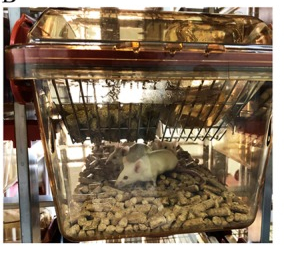
High-level biosafety laboratories (BSL), such as BSL-3 and BSL-4, which deal with high infectivity and virulence pathogens, have become indispensable. Mice are frequently used in animal BSL (ABSL) to establish animal models for infection and to evaluate in vivo immune responses. A project of monitoring and evaluation on the physiology and immune status of mice housed in different ABSL labs was performed in the ABSL-2/3/4 labs of Kunming National High-level Biosafety Research Center, China. Female Kunming mice were housed in the ABSL-2/3/4 labs for 1 month, and mouse behavior, body physiology/immune status, pulmonary immune status and respiratory bacteria composition were evaluated and compared among mice from the different labs. Mice settled in their new housing environment of the different labs after transfer and gained weight steadily. Blood hematology testing, serum cytokine/chemokine profiles and blood/spleen lymphocyte constitutions were comparable between the ABSL-2/3/4 labs. The numbers of different pulmonary leukocytes in the bronchoalveolar lavage fluid were at baseline levels in mice from the ABSL-2/3/4 labs. Diversity and dominance of mice respiratory bacteria were semblable among the ABSL-2/3/4 labs. Our results confirm the stability of physiology and immune status of Kunming mice maintained in different ABSL-2/3/4 labs for at least 1 month.
REFERENCE:
Guo, Lei et al. “Monitoring and evaluation of the immune status of female Kunming mice maintained in different biosafety level laboratories” Biology open vol. 7,12 bio035006. 7 Nov. 2018, doi:10.1242/bio.035006
-----------------------------------------------------------
Sigue este Blog en Facebook y Twitter
Ayúdanos a traducir las fichas de seguridad de microorganismos.
www.seguridadbiologica.blogspot.com
-----------------------------------------------------------
REFERENCE:
Guo, Lei et al. “Monitoring and evaluation of the immune status of female Kunming mice maintained in different biosafety level laboratories” Biology open vol. 7,12 bio035006. 7 Nov. 2018, doi:10.1242/bio.035006
-----------------------------------------------------------
Sigue este Blog en Facebook y Twitter
Ayúdanos a traducir las fichas de seguridad de microorganismos.
www.seguridadbiologica.blogspot.com
-----------------------------------------------------------
martes, 8 de enero de 2019
Biohazard levels
Biohazard levels, more commonly known as “biological safety levels” or “biosafety levels” are classifications of safety precautions which are needed to be applied in the clinical microbiology laboratory depending on specific organisms handled in every laboratory procedure. Developed by the Centers for Disease Control and Prevention (CDC), this principle provides a way for medical laboratory scientists and other lab personnel adequately identify and limit any biological hazards which will further decrease the risk in the laboratory. Aside from biosafety, biohazard levels are also indirectly used to support the principle of biosecurity, which is aimed at preventing the use of organisms as harmful biological agents.
REFERENCE:
Bayot ML, Bhimji SS. Biohazard Levels. [Updated 2018 Dec 9]. In: StatPearls [Internet]. Treasure Island (FL): StatPearls Publishing; 2018 Jan-. Available from: https://www.ncbi.nlm.nih.gov/books/NBK535351/
-----------------------------------------------------------
Sigue este Blog en Facebook y Twitter
Ayúdanos a traducir las fichas de seguridad de microorganismos.
www.seguridadbiologica.blogspot.com
-----------------------------------------------------------
REFERENCE:
Bayot ML, Bhimji SS. Biohazard Levels. [Updated 2018 Dec 9]. In: StatPearls [Internet]. Treasure Island (FL): StatPearls Publishing; 2018 Jan-. Available from: https://www.ncbi.nlm.nih.gov/books/NBK535351/
-----------------------------------------------------------
Sigue este Blog en Facebook y Twitter
Ayúdanos a traducir las fichas de seguridad de microorganismos.
www.seguridadbiologica.blogspot.com
-----------------------------------------------------------
miércoles, 2 de enero de 2019
Genetically modified pigs are protected from classical swine fever virus
Classical swine fever (CSF) caused by classical swine fever virus (CSFV) is one of the most detrimental diseases, and leads to significant economic losses in the swine industry. Despite efforts by many government authorities to stamp out the disease from national pig populations, the disease remains widespread. Here, antiviral small hairpin RNAs (shRNAs) were selected and then inserted at the porcine Rosa26 (pRosa26) locus via a CRISPR/Cas9-mediated knock-in strategy. Finally, anti-CSFV transgenic (TG) pigs were produced by somatic nuclear transfer (SCNT). Notably, in vitro and in vivo viral challenge assays further demonstrated that these TG pigs could effectively limit the replication of CSFV and reduce CSFV-associated clinical signs and mortality, and disease resistance could be stably transmitted to the F1-generation. Altogether, our work demonstrated that RNA interference (RNAi) technology combining CRISPR/Cas9 technology offered the possibility to produce TG animal with improved resistance to viral infection. The use of these TG pigs can reduce CSF-related economic losses and this antiviral strategy may be useful for future antiviral research.
REFERENCE:
Xie Z, Pang D, Yuan H, Jiao H, Lu C, Wang K, et al. (2018) Genetically modified pigs are protected from classical swine fever virus. PLoS Pathog 14(12): e1007193. https://doi.org/10.1371/journal.ppat.1007193
-----------------------------------------------------------
Sigue este Blog en Facebook y Twitter
Ayúdanos a traducir las fichas de seguridad de microorganismos.
www.seguridadbiologica.blogspot.com
-----------------------------------------------------------
REFERENCE:
Xie Z, Pang D, Yuan H, Jiao H, Lu C, Wang K, et al. (2018) Genetically modified pigs are protected from classical swine fever virus. PLoS Pathog 14(12): e1007193. https://doi.org/10.1371/journal.ppat.1007193
-----------------------------------------------------------
Sigue este Blog en Facebook y Twitter
Ayúdanos a traducir las fichas de seguridad de microorganismos.
www.seguridadbiologica.blogspot.com
-----------------------------------------------------------
Suscribirse a:
Entradas (Atom)


