Lista de correo. Espere su aprobación.
Correo electrónico:
Consultar este grupo

miércoles, 26 de diciembre de 2018

Handwashing and Ebola virus disease outbreaks: Comparison of soap, hand sanitizer, and 0.05% chlorine solutions

To prevent Ebola transmission, frequent handwashing is recommended in Ebola Treatment Units and communities. However, little is known about which handwashing protocol is most efficacious. We evaluated six handwashing protocols (soap and water, alcohol-based hand sanitizer (ABHS), and 0.05% sodium dichloroisocyanurate, high-test hypochlorite, and stabilized and non-stabilized sodium hypochlorite solutions) for 1) efficacy of handwashing on the removal and inactivation of non-pathogenic model organisms and, 2) persistence of organisms in rinse water. Model organisms E. coli and bacteriophage Phi6 were used to evaluate handwashing with and without organic load added to simulate bodily fluids. Hands were inoculated with test organisms, washed, and rinsed using a glove juice method to retrieve remaining organisms. Impact was estimated by comparing the log reduction in organisms after handwashing to the log reduction without handwashing. Rinse water was collected to test for persistence of organisms. Handwashing resulted in a 1.94–3.01 log reduction in E. coli concentration without, and 2.18–3.34 with, soil load; and a 2.44–3.06 log reduction in Phi6 without, and 2.71–3.69 with, soil load. HTH performed most consistently well, with significantly greater log reductions than other handwashing protocols in three models. However, the magnitude of handwashing efficacy differences was small, suggesting protocols are similarly efficacious. Rinse water demonstrated a 0.28–4.77 log reduction in remaining E. coli without, and 0.21–4.49 with, soil load and a 1.26–2.02 log reduction in Phi6 without, and 1.30–2.20 with, soil load. Chlorine resulted in significantly less persistence of E. coli in both conditions and Phi6 without soil load in rinse water (p<0.001). Thus, chlorine-based methods may offer a benefit of reducing persistence in rinse water. We recommend responders use the most practical handwashing method to ensure hand hygiene in Ebola contexts, considering the potential benefit of chlorine-based methods in rinse water persistence.
REFERENCE:
Wolfe, Marlene K et al. “Handwashing and Ebola virus disease outbreaks: A randomized comparison of soap, hand sanitizer, and 0.05% chlorine solutions on the inactivation and removal of model organisms Phi6 and E. coli from hands and persistence in rinse water” PloS one vol. 12,2 e0172734. 23 Feb. 2017, doi:10.1371/journal.pone.0172734

-----------------------------------------------------------
Sigue este Blog en Facebook y Twitter
Ayúdanos a traducir las fichas de seguridad de microorganismos.
www.seguridadbiologica.blogspot.com
-----------------------------------------------------------

jueves, 20 de diciembre de 2018

Jean-Jacques Muyembe Tamfum: a life’s work on #Ebola

Jean-Jacques Muyembe Tamfum was part of the research team that investigated the first known outbreak of Ebola virus disease in 1976. He talks to Fiona Fleck about those experiences and how he and his colleagues are using the knowledge they have built up in recent Ebola outbreaks.
REFERENCE:
Jean-Jacques Muyembe Tamfum: a life's work on Ebola. Bull World Health Organ. 2018;96(12):804-805.

-----------------------------------------------------------
Sigue este Blog en Facebook y Twitter
Ayúdanos a traducir las fichas de seguridad de microorganismos. www.seguridadbiologica.blogspot.com
-----------------------------------------------------------

martes, 18 de diciembre de 2018

Towards an effective poliovirus laboratory containment strategy in Nigeria

BACKGROUND: The Global Commission for the Certification of the Eradication of Poliomyelitis will declare the world free of wild poliovirus transmission when no wild virus has been found in at least 3 consecutive years, and all laboratories possessing wild poliovirus materials have adopted appropriate measures of containment. Nigeria has made progress towards poliomyelitis eradication with the latest reported WPV type 1 on 21 Aug 2016 after 2 years without any case. This milestone achievement was followed by an inventory of biomedical laboratories completed in November 2015 with the destruction of all identified infectious materials. This paper seeks to describe the poliovirus laboratory containment process in Nigeria on which an effective containment system has been built to minimize the risk of virus re-introduction into the population from the laboratories.
METHODS: A national survey of all biomedical facilities, as well as an inventory of laboratories from various sectors, was conducted from June-November 2015. National Task Force (NTF) members and staff working on polio administered an on-site questionnaire in each facility. Laboratory personnel were sensitized with all un-needed materials destroyed by autoclaving and incineration. All stakeholders were also sensitized to continue the destruction of such materials as a requirement for phase one activities.
RESULTS: A total of 20,638 biomedical facilities were surveyed with 9575 having laboratories. Thirty laboratories were found to contain poliovirus or potentially infectious materials. The 30 laboratories belonged to the ministries of health, education, defence and private organizations.
CONCLUSIONS: This article is amongst the first in Africa that relates poliovirus laboratory containment in the context of the tOPV-bOPV switch in alignment with the Global Action Plan III. All identified infectious materials were destroyed and personnel trained to continue to destroy subsequent materials, a process that needs meticulous monitoring to mitigate the risk of poliovirus re-introduction to the population.
REFERENCE:
Ticha JM, et al. Towards an effective poliovirus laboratory containment strategy in Nigeria. BMC Public Health. 2018 Dec 13;18(Suppl 4):1304. doi: 10.1186/s12889-018-6181-3.

-----------------------------------------------------------
Sigue este Blog en Facebook y Twitter
Ayúdanos a traducir las fichas de seguridad de microorganismos. www.seguridadbiologica.blogspot.com
-----------------------------------------------------------

jueves, 13 de diciembre de 2018

Próximos eventos de #bioseguridad 2019

Agenda 2019


16-ene-19 Laboratory Safety: What has been forgotten because it was “common knowledge” by experienced workers
January 16, 2019 @ 7:00 pm - 8:00 pm EST
WEBINAR
23-ene-19 Biosecurity at the Interface of Personalized Medicine, Gene Transfer, and Occupational Health
January 23, 2019 @ 11:00 am - 1:00 pm CST
WEBINAR
05-feb-19 Symposium on emergency preparedness and response
5 February 2019 - 09:00
Erasmus University Medical Center in Rotterdam, the Netherlands
28-ene-19 BSL-3 Laboratory Training
January 28, 2019 @ 9:00 am - February 1, 2019 @ 4:00 pm UTC-5
University of California Irving, USA
11-feb-19 USDA ARS 5th International Biosafety & Biocontainment Symposium: Biorisk and Facility Challenges in Agriculture
February 11, 2019 - February 14, 2019
Hilton Baltimore, Baltimore USA
25-feb-19 BSL-3 Operations & Maintenance I
February 25, 2019 @ 9:00 am - February 26, 2019 @ 4:00 pm UTC-5
UCI National BSL-3 Training Program, Irvine, CA, United States
27-feb-19 ANSI Z9.14 BSL-3 Ventilation Standard
February 27, 2019 @ 9:00 am - February 28, 2019 @ 4:00 pm UTC-5
UCI National BSL-3 Training Program, Irvine, CA, United States
03-mar-19 Principles and Practices on Biosafety
March 3, 2019 @ 8:00 am - March 8, 2019 @ 5:00 pm UTC+0
Embassy Suites by Hilton San Diego Bay Downtown, San Diego, CA United States
02-abr-19 EBSA22 Conference 2-5 April 2019
2 April 2019 - 08:30 to 5 April 2019 - 16:30
Bucharest, Romania
08-abr-19 Control of Biohazards in the Research Laboratory
April 8, 2019 - April 12, 2019
Johns Hopkins Mt. Washington Conference Center, Baltimore MD USA
02-sep-19 11 Simposio Internacional de Bioseguridad y Biocustodia 2019 (AMEXBIO)
Sep 2 to 7, 2019
Universidad de Guanajuato, Gto. México
15-nov-19 62nd Annual Biosafety and Biosecurity Conference
November 15, 2019 - November 20, 2019
Birmingham-Jefferson Convention Complex (BJCC), Birmingham, AL USA


---------------------------------------------------------
Sigue este Blog en Facebook y Twitter
Ayúdanos a traducir las fichas de seguridad de microorganismos. www.seguridadbiologica.blogspot.com
-----------------------------------------------------------

miércoles, 21 de noviembre de 2018

Sesión académica AMEXBIO 2018


Miércoles 05 de diciembre de 2018, 18:00 hrs.
Auditorio "Miguel Jiménez"
Instituto Nacional de Enfermedades Respiratorias “Ismael Cosío Villegas”
Calzada de Tlapan 4502, Col. Sección XVI, Tlalpan, CDMX.

ORDEN DEL DIA

1.- Palabras de Bienvenida, Mesa directiva
2.- Conferencia:  "Influenza A H1N1 a 10 años", Dr. José Luis Sandoval Gutiérrez
3.- Presentación de la revista AMEXBIO 2017-2018, M.Sc. Luis Alberto Ochoa
4.- Presentación del SIBB 2019
5.- Ambigu

REGISTRO: https://amexbio.wildapricot.org/event-3139634

-----------------------------------------------------------
Sigue este Blog en Facebook y Twitter
Ayúdanos a traducir las fichas de seguridad de microorganismos. www.seguridadbiologica.blogspot.com
-----------------------------------------------------------

martes, 20 de noviembre de 2018

WHO Report on Surveillance of Antibiotic Consumption

Antimicrobial resistance is a major threat to health and human development, affecting our ability to treat a range of infections. Treatments for a growing number of infections have become less effective in many parts of the world due to resistance. The link between antimicrobial resistance and use of
antimicrobials is well documented. However, little information is available on antimicrobial use in low-income countries. This report presents 2015 data on the consumption of systemic antibiotics from 65 countries and areas, contributing to our understanding of how antibiotics are used in these countries. In addition, the report documents early efforts of the World Health Organization (WHO) and participating countries to monitor antimicrobial consumption, describes the WHO global methodology for data collection, and highlights the challenges and future steps in monitoring antimicrobial consumption.
REFERENCE:
WHO Report on Surveillance of Antibiotic Consumption 2016 - 2018 Early implementation. ISBN 978-92-4-151488-0
© World Health Organization 2018

-----------------------------------------------------------
Sigue este Blog en Facebook y Twitter
Ayúdanos a traducir las fichas de seguridad de microorganismos. www.seguridadbiologica.blogspot.com
-----------------------------------------------------------

viernes, 16 de noviembre de 2018

Effective chemical virus inactivation compatible with accurate serodiagnosis of infections

OBJECTIVES: Highly pathogenic viruses such as Ebola virus are a threat to routine laboratory workers. Inactivation procedures with Triton X-100 0.1% and/or heat are currently recommended, but have unknown effects on the accuracy of serological testing. Furthermore, virus inactivation by Triton X-100 0.1% was shown to be ineffective in serum. This study aimed to demonstrate virus inactivation in serum by Triton X-100 1% and maintained accuracy of serological testing.
METHODS: A panel of 19 serological tests was run on patient serum samples after treatment with Triton X-100 1%, 0.1%, and 0.1% + heat inactivation at 60°C for 1h. Mean differences between measurements (bias) were calculated applying the Bland-Altman method. To determine effectiveness of virus inactivation, herpes simplex virus 1 (HSV-1) was spiked into medium containing 90% or 1% serum, and treated with Triton X-100 0.1% or 1%. Infectious titers were then determined on Vero cells.
RESULTS: Serological measurements showed good agreement between controls and samples treated with Triton X-100 0.1% and 1%, with an estimated bias of -0.6±9.2% (n=258) and -0.1±18.6% (n=174), respectively. Discordant qualitative results were rare. Conversely, heat inactivation alone, and combined with Triton X-100 0.1% triggered a bias of 17.5±66.4% (n=200) and 37.9±79.8% (n=160), respectively. Triton X-100 1% completely inactivated HSV-1 in 1% and 90% serum while Triton X-100 0.1% failed to do so in 90% serum.
CONCLUSIONS: Unlike heat inactivation, Triton X-100 1% enabled accurate serological testing and completely inactivated HSV-1 in serum. This simple method could allow safe routine serological diagnostics in high-risk patients.
REFERENCE:
Remy MM, et al. Effective chemical virus inactivation of patient serum compatible with accurate serodiagnosis of infections. Clin Microbiol Infect. 2018 Oct 27. pii: S1198-743X(18)30721-3. doi: 10.1016/j.cmi.2018.10.016.

-----------------------------------------------------------
Sigue este Blog en Facebook y Twitter
Ayúdanos a traducir las fichas de seguridad de microorganismos. www.seguridadbiologica.blogspot.com
-----------------------------------------------------------

miércoles, 14 de noviembre de 2018

Installing biosafety level 3 containment laboratories in low- and middle-income countries

In Mali, the incidence of tuberculosis (TB) is estimated at 56 cases per 100 000 people, with a prevalence of multidrug-resistant TB in new cases of 1.7% (range, 0.3-3.1%) and in retreatment cases of 17% (range, 4.4-30%). Appropriate biosafety conditions for performing routine TB culture and antimicrobial susceptibility testing have been lacking. In 2015, a biosafety level 3 (BSL3) laboratory set up in a shipping container was donated to the Malian Ministry of Health and Public Hygiene to provide capacity for TB testing. This laboratory is now managed by Malian laboratory staff and is processing samples at the national level. We explain the necessary steps for establishing and running a BSL3 laboratory. Despite the acute need for functioning and sustainable BSL3 laboratories, low- and middle-income countries are faced with a complex process and must overcome many challenges.
REFERENCE:
Kouriba B, Ouwe Missi Oukem-Boyer O, Traoré B, Touré A, Raskine L, Babin FX. Installing biosafety level 3 containment laboratories in low- and middle-income countries: challenges and prospects from Mali's experience. New Microbes New Infect. 2018 Jun 20;26:S74-S77. doi: 10.1016/j.nmni.2018.05.011.

-----------------------------------------------------------
Sigue este Blog en Facebook y Twitter
Ayúdanos a traducir las fichas de seguridad de microorganismos. www.seguridadbiologica.blogspot.com
-----------------------------------------------------------

lunes, 12 de noviembre de 2018

The effect of disinfectant formulation and organic soil on the efficacy of oxidising disinfectants against biofilms

BACKGROUND: Biofilms that develop on dry surfaces in the healthcare environment have increased tolerance to disinfectants. We compared the activity of formulated oxidizing disinfectants versus products containing only active ingredients against Staphylococcus aureus dry surface biofilm (DSB).
METHODS: DSB was grown in the CDC bioreactor with alternating cycles of hydration and dehydration. Disinfectant efficacy was tested before and after treatment with neutral detergent for 30 seconds and in the presence or absence of standardized soil. Biofilms were treated for 5 minutes with peracetic acid (Surfex and Proxitane), hydrogen peroxide (Oxivir and 6% H2O2 solution) and chlorine (Chlorclean and sodium dichloroisocyanurate [SDIC] tablets). Residual biofilm viability and mass were determined by plate culture and protein assay respectively.
FINDINGS: Biofilm viability was reduced by 2.8 Log10 for the chlorine-based products and by 2 Log10 for Proxitane but these products failed to kill any biofilm in the presence of the soil. In contrast, the formulated Surfex completely inactivated biofilm (6.3log10 reduction in titre) in the presence of soil. H2O2 products had little effect against DSB. Biofilm mass removed in the presence and absence of soil was <30% by chlorine and approximately 65% by Surfex. Detergent treatment prior to disinfection had no effect.
CONCLUSION: The additives in fully formulated disinfectants can act synergistically with active ingredients and thus increase biofilm killing whilst decreasing the adverse effect of soil. We suggest that purchasing officers seek efficacy testing results and consider whether efficacy testing has been conducted in the presence of biological soil and/or biofilm.
REFERENCE:
Chowdhury D, et al. The effect of disinfectant formulation and organic soil on the efficacy of oxidising disinfectants against biofilms. J Hosp Infect. 2018 Oct 26. pii: S0195-6701(18)30556-5. doi: 10.1016/j.jhin.2018.10.019.
-----------------------------------------------------------
Sigue este Blog en Facebook y Twitter
Ayúdanos a traducir las fichas de seguridad de microorganismos. www.seguridadbiologica.blogspot.com
-----------------------------------------------------------

miércoles, 7 de noviembre de 2018

Effect of Formaldehyde on Human Middle Ear Epithelial Cells.

Formaldehyde (FA) is a familiar indoor air pollutant found in everything from cosmetics to clothing, but its impact on the middle ear is unknown. This study investigated whether FA causes cytotoxicity, inflammation, or induction of apoptosis in human middle ear epithelial cells (HMEECs). Cell viability was investigated using the trypan blue assay and a cell counting kit (CCK-8) in HMEECs treated with FA for 4 or 24 h. The expression of genes encoding the inflammatory cytokine tumor necrosis factor alpha (TNF-α) and mucin (MUC5AC) was analyzed using RT-PCR. Activation of the apoptosis pathway was determined by measuring mitochondrial membrane potential (MMP), cytochrome oxidase, caspase-9/Mch6/Apaf 3, and Caspase-Glo® 3/7 activities. The CCK-8 assay and trypan blue assay results showed a reduction in cell viability in FA-treated HMEECs. FA also increased the cellular expression of TNF-α and MUC5AC and reduced the activities of MMP and cytochrome oxidase. Caspase-9 activity increased in cells stimulated for 4 h, as well as caspase-3/7 activity in cells stimulated for 24 h. The decreased cell viability, the induction of inflammation and mucin gene expression, and the activation of the apoptosis pathway together indicate a link between environmental FA exposure and the development of otitis media.
REFERENCE:
Kim SH, et al. Effect of Formaldehyde on Human Middle Ear Epithelial Cells. Biomed Res Int. 2018 Mar 26;2018:6387983. doi: 10.1155/2018/6387983. eCollection 2018.

-----------------------------------------------------------
Sigue este Blog en Facebook y Twitter
Ayúdanos a traducir las fichas de seguridad de microorganismos. www.seguridadbiologica.blogspot.com
-----------------------------------------------------------

miércoles, 31 de octubre de 2018

Corte de Agua 2018

-----------------------------------------------------------
Sigue este Blog en Facebook y Twitter
Ayúdanos a traducir las fichas de seguridad de microorganismos. www.seguridadbiologica.blogspot.com
-----------------------------------------------------------

martes, 30 de octubre de 2018

#WebinarAMEXBIO: Conceptos básico sobre residuos peligrosos biológico infecciosos (RPBI's)


-----------------------------------------------------------
Sigue este Blog en Facebook y Twitter
Ayúdanos a traducir las fichas de seguridad de microorganismos. www.seguridadbiologica.blogspot.com
-----------------------------------------------------------

lunes, 29 de octubre de 2018

Membresías AMEXBIO 2019

La Asociación Mexicana de Bioseguridad invita  a los miembros y no miembros, a inscribirse y pagar su cuota anual con descuento antes del 28 de diciembre de 2018.

CUOTAS 2019


  • Membresía 2019:  $1,100.- pesos MXN.
  • Pago anticipado de membresía 2019: $1,000.- pesos MXN (antes del 28 de Diciembre de 2018).

Si usted está retrasado en sus cuotas y desea recuperar su  membresía, pague adicionalmente la cuota de recuperación de: $300.- pesos MXN, y no se pierda los eventos del próximo año a tarifas preferenciales.

Información para transferencias, depósitos bancarios y facturación en la página http://amexbio.org/sibb/pagos/.

Toda la información sobre ingreso a nuevos miembros y cuotas en la página: http://amexbio.org/membresia/.

-----------------------------------------------------------
Sigue este Blog en Facebook y Twitter
Ayúdanos a traducir las fichas de seguridad de microorganismos. www.seguridadbiologica.blogspot.com
-----------------------------------------------------------

martes, 23 de octubre de 2018

Promoting Scientific Transparency to Facilitate the Safe and Open International Exchange of Biological Materials and Electronic Data

Scientific communication, collaboration and progress are enhanced through the exchange of data, materials and ideas. Recent advances in technology, commercial proprietary discovery and current local and global events (e.g., emerging human, animal and plant disease outbreaks) have increased the demand, and shortened optimal timelines for material and data exchange, both domestically and internationally. Specific circumstances in each case, such as the type of material being transferred (i.e., select agent, disease-causing agent and assessed biosafety risk level) and current events, dictate the level of agreements and requirements. Recent lessons learned from emerging disease issues and emergencies have demonstrated that human engagement and increased science diplomacy are needed to reinforce and sustain biosafety and biosecurity practices and processes, for better scientific transparency. A reasonable and accepted framework of guidance for open sharing of data and materials is needed that can be applied on multiple cooperative levels, including global and national. Although numerous agreement variations already exist for the exchange of materials and data, regulations to guide the development of both the language and implementation of such agreements are limited. Without such regulations, scientific exchange is often restricted, limiting opportunities for international capacity building, collaboration and cooperation. In this article, we present and discuss several international case histories that illustrate the complex nature of scientific exchange. Recommendations are made for a dual bottom-up and top-down approach that includes all stakeholders from beginning negotiation stages to emphasize trust and cooperation. The broader aim of this approach is to increase international scientific transparency and trust in a safe and open manner, supporting increased global one health security.
REFERENCE:
Yeh KB, Monagin C, Fletcher J. Promoting Scientific Transparency to Facilitate the Safe and Open International Exchange of Biological Materials and Electronic Data. Trop Med Infect Dis. 2017 Oct 31;2(4). pii: E57. doi: 10.3390/tropicalmed2040057. PubMed PMID: 30270914; PubMed Central PMCID: PMC6082060.
-----------------------------------------------------------
Sigue este Blog en Facebook y Twitter
Ayúdanos a traducir las fichas de seguridad de microorganismos. www.seguridadbiologica.blogspot.com
-----------------------------------------------------------

lunes, 22 de octubre de 2018

Bioterrorism and the Role of the Clinical Microbiology Laboratory

Regular review of the management of bioterrorism is essential for maintaining readiness for these sporadically occurring events. This review provides an overview of the history of biological disasters and bioterrorism. I also discuss the recent recategorization of tier 1 agents by the U.S. Department of Health and Human Services, the Laboratory Response Network (LRN), and specific training and readiness processes and programs, such as the College of American Pathologists (CAP) Laboratory Preparedness Exercise (LPX). LPX examined the management of cultivable bacterial vaccine and attenuated strains of tier 1 agents or close mimics. In the LPX program, participating laboratories showed improvement in the level of diagnosis required and referral of isolates to an appropriate reference laboratory. Agents which proved difficult to manage in sentinel laboratories included the more fastidious Gram-negative organisms, especially Francisella tularensis and Burkholderia spp. The recent Ebola hemorrhagic fever epidemic provided a check on LRN safety processes. Specific guidelines and recommendations for laboratory safety and risk assessment in the clinical microbiology are explored so that sentinel laboratories can better prepare for the next biological disaster.
REFERENCE:
Wagar E. Bioterrorism and the Role of the Clinical Microbiology Laboratory. Clin Microbiol Rev. 2016 Jan;29(1):175-89. doi: 10.1128/CMR.00033-15. Review. PubMed PMID: 26656673; PubMed Central PMCID: PMC4771219.

-----------------------------------------------------------
Sigue este Blog en Facebook y Twitter
Ayúdanos a traducir las fichas de seguridad de microorganismos. www.seguridadbiologica.blogspot.com
-----------------------------------------------------------

viernes, 19 de octubre de 2018

Synthetic viruses-Anything new?

[Fragment] The report of the construction of an infectious horsepox virus from synthesized DNA by Noyce, Lederman, and Evans [1] raised considerable concerns about whether this study will facilitate the construction of smallpox virus (variola) using synthetic biology [2–5]. This is a valid concern, but for a number of reasons—as explained below—no major change concerning the likelihood of a “resurrection” of smallpox emerges from this publication. Having said this, it is also evident that the scientific community, politicians, decision makers, and the lay public have to continue, and probably intensify, a discussion on benefits and risks of synthetic biology in a broader sense.
REFERENCE:
Thiel V. Synthetic viruses-Anything new? PLoS Pathog. 2018 Oct 4;14(10):e1007019. doi: 10.1371/journal.ppat.1007019. eCollection 2018 Oct. PubMed PMID: 30286176.

-----------------------------------------------------------
Sigue este Blog en Facebook y Twitter
Ayúdanos a traducir las fichas de seguridad de microorganismos. www.seguridadbiologica.blogspot.com
-----------------------------------------------------------
jueves, 18 de octubre de 2018

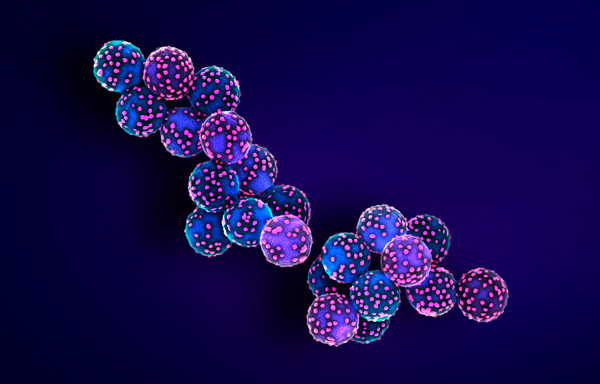
A mobile biosafety microanalysis system for infectious agents

Biological threats posed by pathogens such as Ebola virus must be quickly diagnosed, while protecting the safety of personnel. Scanning electron microscopy and microanalysis requires minimal specimen preparation and can help to identify hazardous agents or substances. Here we report a compact biosafety system for rapid imaging and elemental analysis of specimens, including powders, viruses and bacteria, which is easily transportable to the site of an incident.
REFERENCE:
Beniac DR, Hiebert SL, Siemens CG, Corbett CR, Booth TF. A mobile biosafety microanalysis system for infectious agents. Sci Rep. 2015 Mar 30;5:9505. doi: 10.1038/srep09505. PubMed PMID: 25820944; PubMed Central PMCID: PMC4377622.
-----------------------------------------------------------
Sigue este Blog en Facebook y Twitter
Ayúdanos a traducir las fichas de seguridad de microorganismos.

www.seguridadbiologica.blogspot.com
-----------------------------------------------------------

miércoles, 17 de octubre de 2018

Smart Card Decontamination in a High-Containment Laboratory

The action of checking or proving the
validity or accuracy of something.
Validated procedures for decontamination of laboratory surfaces and equipment are essential to biosafety and biorisk programs at high-containment laboratories. Each high-containment laboratory contains a unique combination of surfaces, procedures, and biological agents that require decontamination methods tailored to specific facility practices. The Plum Island Animal Disease Center (PIADC) is a high-containment laboratory operating multiple biosafety level (BSL)-3, ABSL-3, and BSL-3 Ag spaces. The PIADC facility requires the use of federally issued smart cards, called personal identity verification (PIV) cards, to access information technology (IT) networks both outside and within the high-containment laboratory. Because PIV cards may require transit from the BSL-3 to office spaces, a validated procedure for disinfecting PIV card surfaces prior to removal from the laboratory is critical to ensure biosafety and biosecurity. Two high-risk select agents used in the PIADC high-containment laboratory are foot-and-mouth disease virus (FMDV) and swine vesicular disease virus (SVDV). We evaluated disinfection of PIV cards intentionally spotted with FMDV and SVDV using a modified quantitative carrier test and the liquid chemical disinfectant Virkon® S. Our experimental design modeled a worst-case scenario of PIV card contamination and disinfection by combining high concentrations of virus dried with an organic soil load and use of aged Virkon® S prepared in hard water. Results showed that FMDV and SVDV dried on PIV card surfaces were completely inactivated after immersion for 30 and 60 seconds, respectively, in a 5-day-old solution of 1% Virkon® S. Therefore, this study provided internal validation of PIADC biosafety protocols by demonstrating the efficacy of Virkon® S to inactivate viruses on contaminated smart cards at short contact times.
REFERENCE:
Gabbert, Lindsay R. et al. “Smart Card Decontamination in a High-Containment Laboratory.” Health Security 16.4 (2018): 244–251. PMC. Web. 1 Oct. 2018.


-----------------------------------------------------------
Sigue este Blog en Facebook y Twitter
Ayúdanos a traducir las fichas de seguridad de microorganismos. www.seguridadbiologica.blogspot.com
-----------------------------------------------------------

martes, 16 de octubre de 2018

Biosafety controls come under fire

Experts call for a stronger safety culture at secure sites after incidents involving anthrax and flu in a US laboratory.
Recent accidents involving deadly pathogens at a leading laboratory in the United States highlight the need for a major global rethink of biosafety controls, experts say. The Centers for Disease Control and Prevention (CDC) in Atlanta, Georgia, reported two accidents involving anthrax and the deadly H5N1 influenza virus. Biosafety professionals argue that such incidents show that without a strong culture of biosafety, even highly secure facilities are susceptible to errors that could place workers and the public at risk.
REFERENCE:
NATURE NEWS 29 July 2014: Declan Butler. Biosafety controls come under fire. Nature 511, 515–516 (31 July 2014) doi:10.1038/511515a

-----------------------------------------------------------
Sigue este Blog en Facebook y Twitter
Ayúdanos a traducir las fichas de seguridad de microorganismos. www.seguridadbiologica.blogspot.com
-----------------------------------------------------------

lunes, 15 de octubre de 2018

Laboratory-Acquired Vaccinia Virus Infection in a Recently Immunized Person — Massachusetts, 2013

On November 26, 2013, the CDC poxvirus laboratory was notified by the Boston Public Health Commission (BPHC) of an inadvertent inoculation of a recently vaccinated (ACAM2000 smallpox vaccine) laboratory worker with wild type vaccinia virus (VACV) Western Reserve. A joint investigation by CDC and BPHC confirmed orthopoxvirus infection in the worker, who had reported a needle stick in his thumb while inoculating a mouse with VACV. He experienced a non-tender, red rash on his arm, diagnosed at a local emergency department as cellulitis. He subsequently developed a necrotic lesion on his thumb, diagnosed as VACV infection. Three weeks after the injury, the thumb lesion was surgically debrided and at 2 months post-injury, the skin lesion had resolved. The investigation confirmed that the infection was the first reported VACV infection in the United States in a laboratory worker vaccinated according to the Advisory Committee on Immunization Practices (ACIP) recommendations. The incident prompted the academic institution to outline biosafety measures for working with biologic agents, such as biosafety training of laboratory personnel, vaccination (if appropriate), and steps in incident reporting. Though vaccination has been shown to be an effective measure in protecting personnel in the laboratory setting, this case report underscores the importance of proper safety measures and incident reporting (1,2).
REFERENCE:
Hsu CH et al. Laboratory-Acquired Vaccinia Virus Infection in a Recently Immunized Person — Massachusetts, 2013. MMWR May 1, 2015 / 64(16);435-438

-----------------------------------------------------------
Sigue este Blog en Facebook y Twitter
Ayúdanos a traducir las fichas de seguridad de microorganismos. www.seguridadbiologica.blogspot.com
-----------------------------------------------------------

domingo, 14 de octubre de 2018

Laboratory-associated infections and biosafety.

An estimated 500,000 laboratory workers in the United States are at risk of exposure to infectious agents that cause disease ranging from inapparent to life-threatening infections, but the precise risk to a given worker unknown. The emergence of human immunodeficiency virus and hantavirus, the continuing problem of hepatitis B virus, and the reemergence of Mycobacterium tuberculosis have renewed interest in biosafety for the employees of laboratories and health care facilities. This review examines the history, the causes, and the methods for prevention of laboratory-associated infections. The initial step in a biosafety program is the assessment of risk to the employee. Risk assessment guidelines include the pathogenicity of the infectious agent, the method of transmission, worker-related risk factors, the source and route of infection, and the design of the laboratory facility. Strategies for the prevention and management of laboratory-associated infections are based on the containment of the infectious agent by physical separation from the laboratory worker and the environment, employee education about the occupational risks, and availability of an employee health program. Adherence to the biosafety guidelines mandated or proposed by various governmental and accrediting agencies reduces the risk of an occupational exposure to infectious agents handled in the workplace.
REFERENCE:
Sewell DL. Laboratory-associated infections and biosafety. Clin Microbiol Rev. 1995 Jul;8(3):389-405. Review. PubMed PMID: 7553572; PubMed Central PMCID: PMC174631.

-----------------------------------------------------------
Sigue este Blog en Facebook y Twitter
Ayúdanos a traducir las fichas de seguridad de microorganismos. www.seguridadbiologica.blogspot.com
-----------------------------------------------------------

sábado, 13 de octubre de 2018

Evidence-Based Biosafety

We examined the available evidence on the effectiveness of measures aimed at protecting humans and the environment against the risks of working with genetically modified microorganisms (GMOs) and with non-GMO pathogenic microorganisms. A few principles and methods underlie the current biosafety practice: risk assessment, biological containment, concentration and enclosure, exposure minimization, physical containment, and hazard minimization. Many of the current practices are based on experience and expert judgment. The effectiveness of biosafety measures may be evaluated at the level of single containment equipment items and procedures, at the level of the laboratory as a whole, or at the clinical-epidemiological level. Data on the containment effectiveness of equipment and laboratories are scarce and fragmented. Laboratory-acquired infections (LAIs) are therefore important for evaluating the effectiveness of biosafety. For the majority of LAIs there appears to be no direct cause, suggesting that failures of biosafety were not noticed or that containment may have been insufficient. The number of reported laboratory accidents associated with GMOs is substantially lower than that of those associated with non-GMOs. It is unknown to what extent specific measures contribute to the overall level of biosafety. We therefore recommend that the evidence base of biosafety practice be strengthened.
REFERENCE:
Kimman TG, Smit E, Klein MR. Evidence-based biosafety: a review of the principles and effectiveness of microbiological containment measures. Clin Microbiol Rev. 2008 Jul;21(3):403-25. doi: 10.1128/CMR.00014-08. Review. PubMed. PMID: 18625678
-----------------------------------------------------------
Sigue este Blog en Facebook y Twitter
Ayúdanos a traducir las fichas de seguridad de microorganismos. www.seguridadbiologica.blogspot.com
-----------------------------------------------------------

viernes, 12 de octubre de 2018

Antibiotics, #Resistome and Resistance Mechanisms: A Bacterial Perspective

History of mankind is regarded as struggle against infectious diseases. Rather than observing the withering away of bacterial diseases, antibiotic resistance has emerged as a serious global health concern. Medium of antibiotic resistance in bacteria varies greatly and comprises of target protection, target substitution, antibiotic detoxification and block of intracellular antibiotic accumulation. Further aggravation to prevailing situation arose on observing bacteria gradually becoming resistant to different classes of antibiotics through acquisition of resistance genes from same and different genera of bacteria. Attributing bacteria with feature of better adaptability, dispersal of antibiotic resistance genes to minimize effects of antibiotics by various means including horizontal gene transfer (conjugation, transformation, and transduction), Mobile genetic elements (plasmids, transposons, insertion sequences, integrons, and integrative-conjugative elements) and bacterial toxin-antitoxin system led to speedy bloom of antibiotic resistance amongst bacteria. Proficiency of bacteria to obtain resistance genes generated an unpleasant situation; a grave, but a lot unacknowledged, feature of resistance gene transfer.
REFERENCE:
Sultan I, et al. Antibiotics, Resistome and Resistance Mechanisms: A Bacterial Perspective. Front Microbiol. 2018 Sep 21;9:2066.

-----------------------------------------------------------
Sigue este Blog en Facebook y Twitter
Ayúdanos a traducir las fichas de seguridad de microorganismos. www.seguridadbiologica.blogspot.com
-----------------------------------------------------------

miércoles, 10 de octubre de 2018

Cabinas de seguridad biológica: Uso, desinfección y mantenimiento

Las cabinas de seguridad biológica (CSB), comúnmente conocidas como cabinas de bioseguridad, forman parte de un grupo de equipos destinados a mejorar las condiciones generales bajo las cuales se realizan una gran variedad de actividades en los laboratorios clínicos y de investigación en el área de salud pública. Estas actividades abarcan desde procesos rutinarios para la identificación de microorganismos hasta actividades especializadas de investigación. Así mismo, son igualmente conocidas con diversos nombres tales como “gabinetes de bioseguridad”, “campanas de flujo laminar” y “purificadores”, entre otros, el término “flujo laminar” se utiliza también comúnmente para identificarlas. Los equipos son los que garantizan la existencia de ambientes controlados, indispensables para realizar actividades que por sus características resultan potencialmente peligrosas para la salud del hombre y del ambiente. Por otra parte, algunas de las cabinas protegen el estado de los productos o cultivos objeto de la investigación.

REFERENCIA
Cabinas de seguridad biológica: Uso, desinfección y mantenimiento, WHO 2002. 1ª Ed.
ISBN 92 75 32416 6

-----------------------------------------------------------
Sigue este Blog en Facebook y Twitter
Ayúdanos a traducir las fichas de seguridad de microorganismos. www.seguridadbiologica.blogspot.com
-----------------------------------------------------------

martes, 9 de octubre de 2018

The basics of animal biosafety and biocontainment training

The threat of biocontamination in an animal facility is best subdued by training. 'Training' is an ambiguous designation that may not be adequately appreciated in all animal facilities. The authors set down concrete training topics and provide practical advice on incorporating the basic principles of facility biosafety training--as well as the precautions and procedures that employees must know in case of accident or emergency--into various training models. They also discuss the current biosafety publications and guidelines and their relationship to biosafety training.

REFERENCE:
Pritt S, Hankenson FC, Wagner T, Tate M. The basics of animal biosafety and biocontainment training. Lab Anim (NY). 2007 Jun;36(6):31-8. PubMed PMID: 17519943.

-----------------------------------------------------------
Sigue este Blog en Facebook y Twitter
Ayúdanos a traducir las fichas de seguridad de microorganismos. www.seguridadbiologica.blogspot.com
-----------------------------------------------------------