Lista de correo. Espere su aprobación.
Correo electrónico:
Consultar este grupo

lunes, 27 de abril de 2015

REVIEW: Outbreaks Associated with Contaminated Antiseptics and Disinfectants

Multiple nosocomial outbreaks have resulted from inadequate antisepsis or disinfection. Inadequate skin antisepsis may result from a lack of intrinsic antimicrobial activity of the antiseptic, a resistant pathogen, overdilution of the antiseptic, or the use of a contaminated antiseptic. The inadequate disinfection of medical devices or environmental surfaces may result from a lack of intrinsic antimicrobial activity of the disinfectant, an incorrect choice of a disinfectant, a resistant pathogen, overdilution of the disinfectant, an inadequate duration of disinfection, a lack of contact between the disinfectant and the microbes, or the use of a contaminated disinfectant. Editorials have noted that contaminated antiseptics and disinfectants have been the occasional vehicles of hospital infections for more than 50 years. This paper concisely reviews nosocomial outbreaks associated with the use of a microbiologically contaminated germicide and focuses on the currently recommended germicides.

REFERENCIA:
Weber D.J. et al. Outbreaks Associated with Contaminated Antiseptics and Disinfectants. Antimicrob. Agents Chemother. December 2007 vol. 51 no. 12 4217-4224
-----------------------------------------------------------
Sigue este Blog en Facebook y Twitter

lunes, 13 de abril de 2015

Evaluating Environmental Persistence and Disinfection of the #Ebola Virus Makona Variant.

Background: The current disease outbreak caused by the Ebola virus Makona variant (EBOV/Mak) has led to unprecedented morbidity and lethality given its geographic reach and sustained transmission. Sodium hypochlorite and ethanol are well-accepted decontamination agents, however little published evidence supports the selection of appropriate concentrations and contact times. The present study addresses the environmental robustness of EBOV/Mak and evaluates the effectiveness of sodium hypochlorite and ethanol as disinfectants.
Methods: EBOV/Mak was suspended in a simulated organic soil load and dried onto surfaces. Viability was measured at 1 hour, 24 hours, 72 hours, and 192 hours. For the evaluation of disinfectants, EBOV/Mak in a simulated organic soil was dried onto stainless steel carriers and disinfected with 0.01% (v/v), 0.1% (v/v), 0.5% (v/v) and 1% (v/v) sodium hypochlorite solutions or 67% (v/v) ethanol at contact times of 1, 5 or 10 minutes.
Results: EBOV/Mak persisted longer on steel and plastic surfaces (192 hours) than cotton (<24 hours). Dilute sodium hypochlorite (0.01% and 0.1%) showed little antiviral action, whereas 0.5% and 1% sodium hypochlorite solutions demonstrated recoverable virus at one minute but sterilized surfaces in five minutes. Disinfection with 67% ethanol did not fully clear infectious virions from 3/9 carriers at 1 minute but sterilized all carriers at 5 and 10 minutes.
Conclusions: Sodium hypochlorite and ethanol effectively decontaminate EBOV/Mak suspended in a simulated organic load; however, selection of concentration and contact time proves critical.

REFERENCIA:
Cook BWM, et al. Evaluating Environmental Persistence and Disinfection of the Ebola Virus Makona VariantViruses. 2015; 7(4):1975-1986.
 ------------------------------------------------------------
Sigue este Blog en Facebook y Twitter

Biorisk management: Laboratory biosecurity guidance #WHO


The present document aims to expand the laboratory biosecurity concepts introduced in Laboratory Safety Manual 2004 (LBM3), and to strike a balance between the long-known biosafety procedures and practices described in LBM3 and the more recently introduced and broader biosecurity concepts. It further introduces the overarching "biorisk management" approach that has resulted from careful thinking, comprehensive study of prevailing practices and recommendations, review of international norms and standards, and relevant ethical considerations Shortcomings currently observed in a number of settings are discussed, and practical solutions are proposed.
The document is intended for the use of relevant national regulatory authorities, laboratory directors (laboratory managers) and laboratory workers, all of whom play key roles in the field of biosciences and in public health in general. 

DESCARGAR/DOWNLOAD
-----------------------------------------------------------
Sigue este Blog en Facebook y Twitter

Manual de #bioseguridad en el laboratorio de #tuberculosis

Laboratory biosafety is the process of applying a combination of administrative controls, containment principles, practices and procedures, safety equipment, emergency preparedness, and facilities to enable laboratory staff to work safely with potentially infectious microorganisms; biosafety also aims at preventing unintentional exposure to pathogens or their accidental release. This manual describes the minimum biosafety measures that should be implemented at the different levels of tuberculosis (TB) testing laboratories to reduce the risk of a laboratory-acquired infection.

MANUAL EN ESPAÑOL
ENGLISH MANUAL
-----------------------------------------------------------
Sigue este Blog en Facebook y Twitter

jueves, 2 de abril de 2015

BSL-3 Laboratory User Training Program at NUITM-KEMRI

Pathogens handled in a Biosafety Level 3 (BSL-3) containment laboratory pose significant risks to laboratory staff and the environment. It is therefore necessary to develop competency and proficiency among laboratory workers and to promote appropriate behavior and practices that enhance safety through biosafety training. Following the installation of our BSL-3 laboratory at the Center for Microbiology Research-Kenya Medical Research Institute in 2006, a biosafety training program was developed to provide training on BSL-3 safety practices and procedures. The training program was developed based on World Health Organization specifications, with adjustments to fit our research activities and biosafety needs. The program is composed of three phases, namely initial assessment, a training phase including theory and a practicum, and a final assessment. This article reports the content of our training program.
REFERENCE:
Bundi M, et al. BSL-3 Laboratory User Training Program at NUITM-KEMRI. Trop Med Health. 2014 Dec;42(4):171-6.
-----------------------------------------------------------
Sigue este Blog en Facebook y Twitter

lunes, 30 de marzo de 2015

Curso nuevo: "Introducción a la biología sintética"

Realizamos algunas modificaciones al programa.
Por favor, visiten la página:
http://www.amexbio.wildapricot.org/Programa

Curso nuevo de 8 horas: "Introducción a la biología sintética" 
Ponentes: David Gillum,  Juan Maldonado Ortíz,  Irene Mendoza, de la Universidad Estatal de Arizona.
Miércoles 3 de Junio, 2015.
Registro en los próximos días

Descripción del curso
La biología sintética es una disciplina emergente en la interfaz entre la biología de sistemas, la ingeniería, la computación y la biología molecular clásica. El objetivo de esta disciplina es la construcción de sistemas biológicos nuevos y el establecimiento de principios para su diseño racional. Con esta nueva disciplina se han desarrollado diversas herramientas biotecnológicas, así como estrategias para corroborar principios de diseño de sistemas biológicos. También se han generado potentes aplicaciones biotecnológicas y biomédicas. El propósito de este curso es introducir a los participantes a esta nueva disciplina ya que el campo de la biología sintética desarollará un papel cada vez mayor en la investigación y la industria farmacéutica.

Objectivos del Curso
  • Tendrán conocimiento de los principios de la biología sintética y estarán familiarizados con el vocabulario común de la biología sintética.
  • Entenderán los conceptos fundamentales y las herramientas que se usan en la biología sintética.
  • Entenderán las tecnologías fundamentales de la biología sintética e identificarán los aspectos de la biotecnología que permiten la reprogramacción de sistemas naturales.
  • Entenderán las técnicas de laboratorio que se usan para las aplicaciones de biología sintética.
  • Entenderán las precauciones de bioseguridad y biocustodia que se deben tomar para trabajar con biología sintética.
  • Discutirán cuestiones éticas, ecológicas y del medio ambiente que se deben tomar en cuenta cuando se trabaja con biología sintética. También se discutiran las leyes que gobiernan a la biología sintética.
  • Entenderán y discutirán las aplicaciones de la biología sintética en el futuro.

-----------------------------------------------------------
Sigue este Blog en Facebook y Twitter

Annual European Biosafety Association (EBSA) Meeting 2015

18th Annual Meeting of the European Biosafety Association:

"Orchestrating a (bio)safe world"


21 - 22 April 2015: Pre-conference Courses
23 - 24 April 2015: Annual Conference 

at the Austria Vienna Center


=> INFORMATION <=

=> PROGRAM <=

-----------------------------------------------------------
Sigue este Blog en Facebook y Twitter

jueves, 26 de marzo de 2015

European do-it-yourself (DIY) biology: Beyond the hope, hype and horror

Fig. Kitchen-style equipment for
amateur biology experiments
The encounter of amateur science with synthetic biology has led to the formation of several amateur/do-it-yourself biology (DIYBio) groups worldwide. Although media outlets covered DIYBio events, most seemed only to highlight the hope, hype, and horror of what DIYBio would do in the future. Here, we analyze the European amateur biology movement to find out who they are, what they aim for and how they differ from US groups. We found that all groups are driven by a core leadership of (semi-)professional people who struggle with finding lab space and equipment. Regulations on genetic modification limit what groups can do. Differences between Europe and the US are found in the distinct regulatory environments and the European emphasis on bio-art. We conclude that DIYBio Europe has so far been a responsible and transparent citizen science movement with a solid user base that will continue to grow irrespective of media attention.

REFERENCE:
Seyfried G, Pei L, Schmidt M. European do-it-yourself (DIY) biology: Beyond the hope, hype and horror. Bioessays. 2014;36(6):548-551. doi:10.1002/bies.201300149.
-----------------------------------------------------------
Sigue este Blog en Facebook y Twitter

lunes, 23 de marzo de 2015

Intrinsic biocontainment: Multiplex genome safeguards combine transcriptional and recombinational control of essential yeast genes

The advance of biotechnology opens up greater possibilities of bioterror and bioerror. Here, we propose multiplexed safeguard switches rooted in the development of foundational genomic, regulatory, and metabolic technologies. Safeguard switches can be regulated by submicromolar small molecule(s) and combined in a modular fashion. The resulting safeguard strains show high fitness and low reversion rates. Moreover, two distinct classes of safeguard switches are orthogonal, providing a potential fail-safe mechanism. The safeguard technologies provide a practical and generic approach to containing engineered microbes within defined laboratory and/or industrial environments, and can in principle be used in the field as well.

REFERENCE:
Cai Y, Agmon N, Choi WJ, et al. Intrinsic biocontainment: Multiplex genome safeguards combine transcriptional and recombinational control of essential yeast genes. PNAS 2015;112(6):1803-1808.
-----------------------------------------------------------
Sigue este Blog en Facebook y Twitter

viernes, 20 de marzo de 2015

Negotiating the dynamics of uncomfortable knowledge: The case of dual use and synthetic biology

Institutions need to ignore some knowledge in order to function. This is “uncomfortable knowledge” because it undermines the ability of those institutions to pursue their goals (Rayner, 2012). We identify three bodies of knowledge that are relevant to understandings of the dual use threat posed by synthetic biology but are excluded from related policy discussions. We demonstrate how these “unknown knowns” constitute uncomfortable knowledge because they disrupt the simplified worldview that underpins contemporary discourse on the potential misuse of synthetic biology by malign actors. We describe how these inconvenient truths have been systematically ignored and argue that this is because they are perceived as a threat by organisations involved in the promotion of synthetic biology as well as by those involved in managing biosecurity risks. This has led to a situation where concerns about the biosecurity threat posed by synthetic biology are not only exaggerated, but are, more importantly, misplaced. This, in turn, means that related policies are misdirected and unlikely to have much impact. We focus on the dynamics of discussions about synthetic biology and dual use to demonstrate how the same “knowns” that are denied or dismissed as “unknown knowns” in certain circumstances are sometimes mobilised as “known knowns” by the same category of actors in a different context, when this serves to sustain the goals of the individuals and institutions involved. Based on our own experience, we argue that negotiating the dynamics of uncomfortable knowledge is a difficult, but necessary, component of meaningful transdisciplinary collaborations.
REFERENCE:
Marris C, Jefferson C, Lentzos F. Negotiating the dynamics of uncomfortable knowledge: The case of dual use and synthetic biology. Biosocieties. 2014;9(4):393-420. doi:10.1057/biosoc.2014.32.
-----------------------------------------------------------
Sigue este Blog en Facebook y Twitter

miércoles, 18 de marzo de 2015

Evolution of #Ebola Virus Disease, Liberia, Mid-2014

Figure 1. Counties in Liberia reporting Ebola virus
disease cases as of August 15, 2014.
Star indicates the capital city, Monrovia.
Over the span of a few weeks during July and August 2014, events in West Africa changed perceptions of Ebola virus disease (EVD) from an exotic tropical disease to a priority for global health security. We describe observations during that time of a field team from the Centers for Disease Control and Prevention and personnel of the Liberian Ministry of Health and Social Welfare. We outline the early epidemiology of EVD within Liberia, including the practical limitations on surveillance and the effect on the country’s health care system, such as infections among health care workers. During this time, priorities included strengthening EVD surveillance; establishing safe settings for EVD patient care (and considering alternative isolation and care models when Ebola Treatment Units were overwhelmed); improving infection control practices; establishing an incident management system; and working with Liberian airport authorities to implement EVD screening of departing passengers.
REFERENCE:
Arwady MA, et al. Evolution of Ebola virus disease from exotic infection to global health priority, Liberia, mid-2014. Emerg Infect Dis. 2015 Apr
-----------------------------------------------------------
Sigue este Blog en Facebook y Twitter

lunes, 16 de marzo de 2015

Prions - Not Your Immunologist’s Pathogen.

A colleague and fellow immunologist, we will call her “Anne,” lifts her index and middle fingers on each hand and bows them in “air quotes” as she says prion “immunology” during my student’s thesis committee meeting. Anne says she works on “malaria, a real pathogen that elicits a real immune response.” Now, I am pretty sure Anne believes prions exist, but does she have a point about the immune response they elicit? The answer may surprise you.
Prions are remarkable, enigmatic pathogens that are quite different than most disease-causing entities. According to the prion hypothesis, prions are infectious agents devoid of instructional nucleic acid [1]. They propagate themselves without a genetic code, instead enciphering their infectious nature structurally, within the protein conformation itself. Mounting evidence supports the prion hypothesis, including the generation of infectious prions from purified recombinant protein [2]. Soon after Prusiner coined the term “prion,” his and Charles Weissmann’s labs discovered that a cellular gene encodes the prion agent [3]. Strangely, though, Prusiner had already demonstrated that infectious prions did not include nucleic acid, suggesting that prions infect without transmitting the gene encoding them. So attention turned to the host, in which this gene also encodes a normal form of the agent, called cellular prion protein (PrPC), that was later shown to be absolutely required to generate both genetic and acquired prion diseases [4]. And so, all the armchair immunologists reading this article right now pause and say, “Wait a minute…” while Anne chimes in with “prion immunology.” Here we go.

REFERENCE:
Zabel MD, Avery AC (2015) Prions—Not Your Immunologist’s Pathogen. PLoS Pathog 11(2): e1004624. doi:10.1371/journal.ppat.1004624
-----------------------------------------------------------
Sigue este Blog en Facebook y Twitter

jueves, 12 de marzo de 2015

Guidance for Safe Handling of Human Remains of Ebola Patients in U.S.


NIOSH Releases New Ebola Guidance

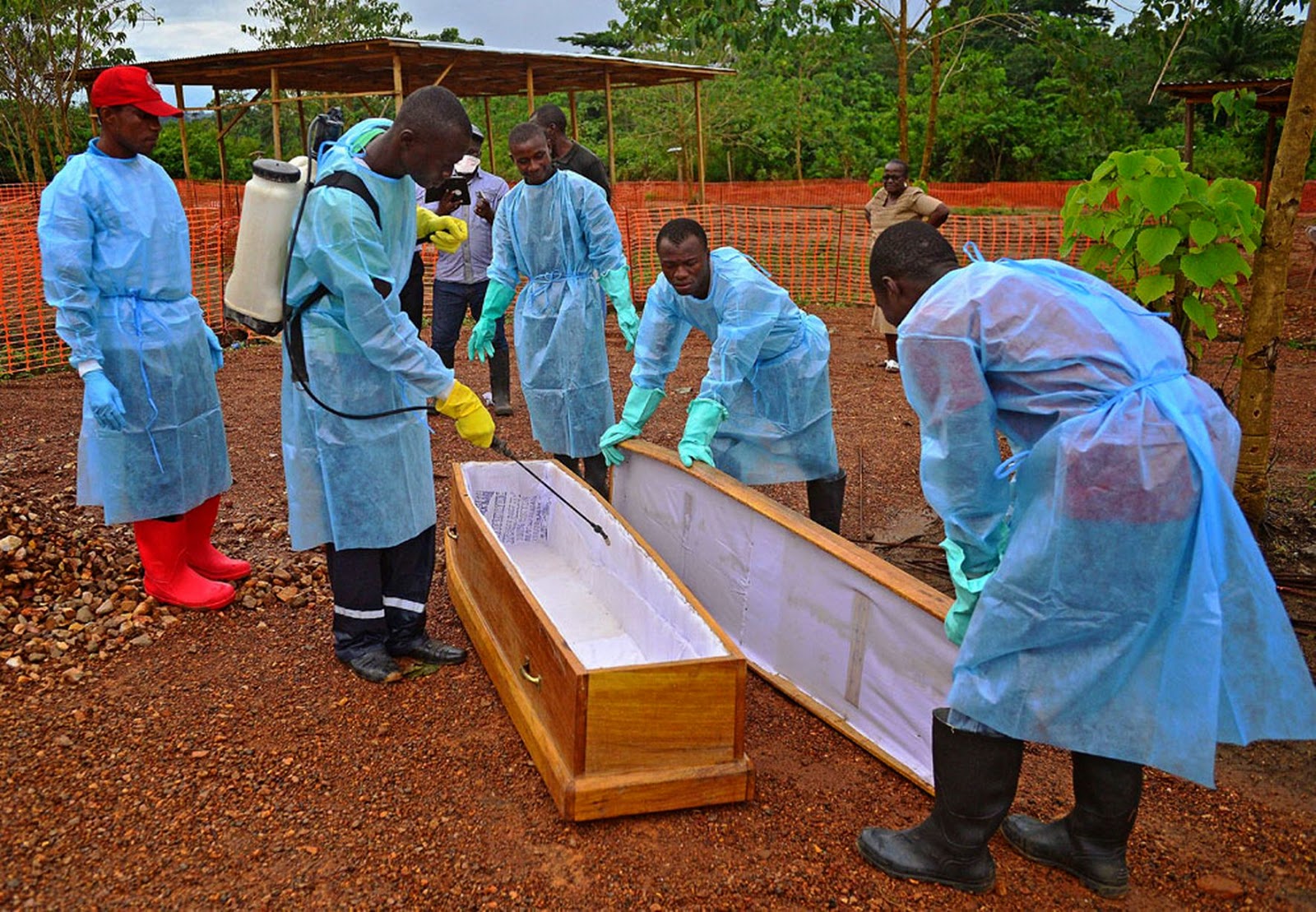
Given the systems currently in place to identify people with Ebola virus disease (EVD), any Ebola-related deaths in the United States would likely occur within a hospital setting. The Ebola virus can be detected throughout the bodies of patients who die of the disease. Ebola can be transmitted in postmortem care settings by laceration and puncture with contaminated instruments used during postmortem care, through direct handling of human remains without recommended PPE, and through splashes of blood or other body fluids such as urine, saliva, feces, or vomit to unprotected mucosa such as eyes, nose, or mouth during postmortem care.

Page Summary 


  • Who this is for: Personnel who perform postmortem care in U.S. hospitals and mortuaries. 
  • What this is for: To protect against the postmortem spread of Ebola infection at the site of death, prior to transport, during transport, at the mortuary, and during final disposition of remains 
  • How to use: To guide staff in the safe handling of human remains that may contain Ebola virus by properly using personal protective equipment (PPE) and following decontamination measures at every step of the process. 
See CDC's Mortuary Guidance Job Aid [1 page] for more information on postmortem preparation in a hospital room. More information.

 -----------------------------------------------------------
Sigue este Blog en Facebook y Twitter

miércoles, 11 de marzo de 2015

Ya se abrieron las inscripciones al 7º Simposio de #Bioseguridad #AMexBio

Ya se abrieron las inscripciones para 7º Simposio de Bioseguridad y Biocustodia 2015, organizado por la Asociación Mexicana de Bioseguridad A.C. Las inscripciones con descuentos son hasta el día 9 de Abril de 2015. Consulta el programa, y da click en cada uno de los cursos para inscribirte. Recuerda que la inscripción al Simposio es independiente de la inscripción a cada uno de los cursos.
INFORMES:
http://amexbio.wildapricot.org/SIBB

-----------------------------------------------------------
Sigue este Blog en Facebook y Twitter

lunes, 9 de marzo de 2015

Non-Manual Techniques for Room Disinfection in Healthcare Facilities: A Review of Clinical Effectiveness and Guidelines

Contaminated surfaces in healthcare facilities may contribute to the transmission of pathogens implicated in nosocomial infections, such as Clostridium difficile, methicillin resistant Staphylococcus aureus (MRSA), vancomycin resistant Enterococci (VRE), gram-negative rods (Acinetobacter spp. and Enterobacteriaceae) and Norovirus. While patient rooms are regularly cleaned and disinfected using manual techniques, evidence suggests that the adequacy of cleaning is often suboptimal, particularly when the focus is only on those surfaces perceived to be high-risk or frequently contacted (high-touch). As well, when cleaning, sufficient wet contact time between the surface and disinfectant is needed to ensure adequate disinfection, but is not always achieved. Wiping of all surfaces where there is hand contact, not just those that are considered to be high risk or high-touch areas, and ensuring adequate wet contact time is required for adequate disinfection of the patient environment. Inadequate cleaning using manual techniques prompted the development of no-touch systems that can decontaminate objects and surfaces in the patient environment. These technologies employ the use of ultraviolet (UV) light or hydrogen peroxide. There are two systems that use vaporized hydrogen peroxide (VHP) in a dry or wet aerosol and one that uses a hydrogen peroxide mist (HPM), which has a larger particle size. VHP or HPM is produced using a portable generator that quickly increases the concentration of hydrogen peroxide in the room during a decontamination phase which is repeated several times. The process takes approximately two to six hours per room. The UV light systems emit UV light from portable automated units at a wave-length that is germicidal. The unit is placed in a vacant patient room in the centre and can be piloted with a remote to ensure all surfaces are reached as they must be in the line of site to be decontaminated. The units have sensors which stop the irradiation should the door be opened. The process of decontamination takes approximately 45 minutes. One application of these cleaning systems is in terminal or discharge decontamination of vacated patient rooms. They supplement, but do not replace manual cleaning of patient rooms, as surfaces must first be free of dirt and debris prior to their use. Vaporized hydrogen peroxide and UV light systems provide a higher level disinfection or decontamination of all exposed surfaces and equipment in patient rooms, and are not a standalone means of cleaning. Vaporized hydrogen peroxide has also been used for decontamination of rooms and ward spaces in an attempt to terminate outbreaks. This report will review the evidence of clinical effectiveness of non-manual systems that use UV light or vaporized hydrogen peroxide for hospital room disinfection and identify guidelines that address the use of these techniques in healthcare facilities.
REFERENCE:
Non-Manual Techniques for Room Disinfection in Healthcare Facilities: A Review of Clinical Effectiveness and Guidelines. Ottawa (ON): Canadian Agency for Drugs and Technologies in Health; 2014 Apr 30.
-----------------------------------------------------------
Sigue este Blog en Facebook y Twitter

viernes, 6 de marzo de 2015

Invitación para presentar trabajos libres en el Simposio de #Bioseguridad #AMexBio #SIBB15

La AMexBio invita a todas las personas interesadas a presentar trabajos libres, que podrán ser presentados en poster durante el 7º Simposio Internacional de Bioseguridad y Biocustodia en la Cd. de México.
Informes para la presentación de trabajos visite: http://amexbio.wildapricot.org/Trabajos
Descargue la convocatoria y registre su trabajo en línea.
FECHA LÍMITE DE RECEPCIÓN DE TRABAJOS: 08 de mayo de 2015 

-----------------------------------------------------------
Sigue este Blog en Facebook y Twitter
jueves, 5 de marzo de 2015

Evaluation of disinfectants to prevent mechanical transmission of viruses and a viroid in greenhouse tomato production

In recent years, a number of serious disease outbreaks caused by viruses and viroids on greenhouse tomatoes in North America have resulted in significant economic losses to growers. The objectives of this study were to evaluate the effectiveness of commercial disinfectants against mechanical transmission of these pathogens, and to select disinfectants with broad spectrum reactivity to control general virus and viroid diseases in greenhouse tomato production. A total of 16 disinfectants were evaluated against Pepino mosaic virus (PepMV), Potato spindle tuber viroid (PSTVd), Tomato mosaic virus (ToMV), and Tobacco mosaic virus (TMV). The efficacy of each disinfectant to deactivate the pathogen¿s infectivity was evaluated in replicate experiments from at least three independent experiments. Any infectivity that remained in the treated solutions was assessed through bioassays on susceptible tomato plants through mechanical inoculation using inocula that had been exposed with the individual disinfectant for three short time periods (0¿10 sec, 30 sec and 60 sec). A positive infection on the inoculated plant was determined through symptom observation and confirmed with enzyme-linked immunosorbent assay (PepMV, ToMV, and TMV) and real-time reverse transcription-PCR (PSTVd). Experimental data were analyzed using Logistic regression and the Bayesian methodology. Statistical analyses using logistic regression and the Bayesian methodology indicated that two disinfectants (2% Virkon S and 10% Clorox regular bleach) were the most effective to prevent transmission of PepMV, PSTVd, ToMV, and TMV from mechanical inoculation. Lysol all-purpose cleaner (50%) and nonfat dry milk (20%) were also effective against ToMV and TMV, but with only partial effects for PepMV and PSTVd. With the broad spectrum efficacy against three common viruses and a viroid, several disinfectants, including 2% Virkon S, 10% Clorox regular bleach and nonfat dry milk, are recommend to greenhouse facilities for consideration to prevent general virus and viroid infection on tomato plants.
REFERENCE:
Li R, et al. Evaluation of disinfectants to prevent mechanical transmission of viruses and a viroid in greenhouse tomato production. Virol J. 2015 Jan 27;12(1):5.
-----------------------------------------------------------
Sigue este Blog en Facebook y Twitter

lunes, 2 de marzo de 2015

Pathogen Security-Help or Hindrance?

Events over the past 15 years have resulted in the promulgation of regulations in the United States to enhance biosecurity by restricting the access to pathogens and toxins (i.e., biological select agents and toxins [BSATs]), which pose a severe threat to human being, animal, or plant health or to animal or plant products, to qualified institutions, laboratories, and scientists. These regulations also reduce biosafety concerns by imposing specific requirements on laboratories working with BSATs. Furthermore, they provide a legal framework for prosecuting someone who possesses a BSAT illegally. With the implementation of these regulations has come discussion in the scientific community about the potential of these regulations to affect the cost of doing BSAT research, hamper research and international collaborations, or whether it would stop someone with a microbiological background from isolating many of the select agents from nature.
REFERENCE:
Morse SA. Pathogen security-help or hindrance? Front Bioeng Biotechnol. 2015 Jan 6;2:83.
-----------------------------------------------------------
Sigue este Blog en Facebook y Twitter

viernes, 27 de febrero de 2015

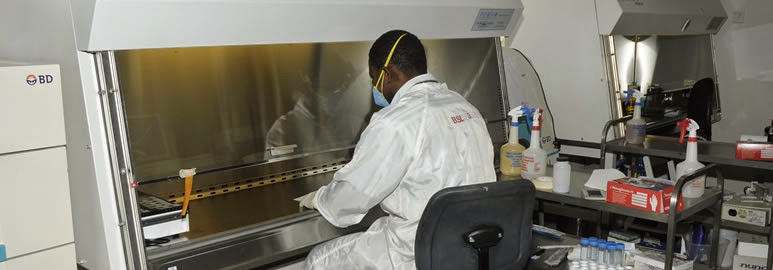
Laboratory Test Support for #Ebola Patients Within a High-Containment Facility

Two adult United States (US) nationals contracted the Ebola virus while on a humanitarian mission in Africa amidst a large Ebola outbreak there. They were admitted to our medical center (Emory University Hospital in Atlanta, GA) during the first week of August 2014 for treatment. Both survived their illness and were released after approximately 3 weeks of inpatient care. We received approximately 3 days’ advance notice that the first patient would be transported from Africa to our medical center; the second patient arrived 3 days after the first. The diagnosis in each case had been confirmed virologically by detecting Ebola-specific nucleic acid in blood specimens sent to a World Health Organization laboratory in Europe; however, few details of either patient’s condition had been available to us before their arrival. Herein, we summarize the approach we used to plan for and provide laboratory diagnostic testing during their treatment.
REFERENCE:
Hill CE, et al. Laboratory test support for ebola patients within a high-containment facility. Lab Med. 2014 Summer;45(3):e109-11.
-----------------------------------------------------------
Sigue este Blog en Facebook y Twitter

miércoles, 25 de febrero de 2015

Transmission of #Ebola Viruses

Available evidence demonstrates that direct patient contact and contact with infectious body fluids are the primary modes for Ebola virus transmission, but this is based on a limited number of studies. Key areas requiring further study include (i) the role of aerosol transmission (either via large droplets or small particles in the vicinity of source patients), (ii) the role of environmental contamination and fomite transmission, (iii) the degree to which minimally or mildly ill persons transmit infection, (iv) how long clinically relevant infectiousness persists, (v) the role that “superspreading events” may play in driving transmission dynamics, (vi) whether strain differences or repeated serial passage in outbreak settings can impact virus transmission, and (vii) what role sylvatic or domestic animals could play in outbreak propagation, particularly during major epidemics such as the 2013–2015 West Africa situation. In this review, we address what we know and what we do not know about Ebola virus transmission. We also hypothesize that Ebola viruses have the potential to be respiratory pathogens with primary respiratory spread.
REFERENCE:
Osterholm MT, et al. Transmission of ebola viruses: what we know and what we do not know. MBio. 2015 Feb 19;6(2).
-----------------------------------------------------------
Sigue este Blog en Facebook y Twitter

lunes, 23 de febrero de 2015

#Ebola outbreak in Western Africa 2014: what is going on with Ebola virus?

The 2014 outbreak of Ebola virus disease (EVD) in West Africa, caused by Ebola virus (Zaire Ebola virus species), is the largest outbreak of EVD in history. It cause hemorrhagic fever in human and nonhuman primates with high mortality rate up to 90% and can be transmitted by direct contact with blood, body fluids, skin of EVD patients or persons who have died of EVD. As of December 17, 2014, 450 healthcare personnel are known to have been infected with Ebola, of whom 244 died. For development of Ebola vaccine and treatment are highly difficult due to its dangerous and accessibility that requires biosafety level 4 (BSL-4) to conduct experiment. Also there is no specific vaccine and treatment for Ebola virus; however, many candidate vaccines and antiviral-drugs such as ZMapp and TKM-Ebola are being developed for Ebola virus disease. In this review, we focus on the epidemiology of 2014 outbreak of Ebola virus and candidate agent for preventing and curing from Ebola virus.
REFERENCE:
Na W, et al. Ebola outbreak in Western Africa 2014: what isgoing on with Ebola virus? Clin Exp Vaccine Res. 2015 Jan;4(1):17-22. Review.
-----------------------------------------------------------
Sigue este Blog en Facebook y Twitter

jueves, 19 de febrero de 2015

Evaluation of Virus Inactivation by Formaldehyde to Enhance Biosafety

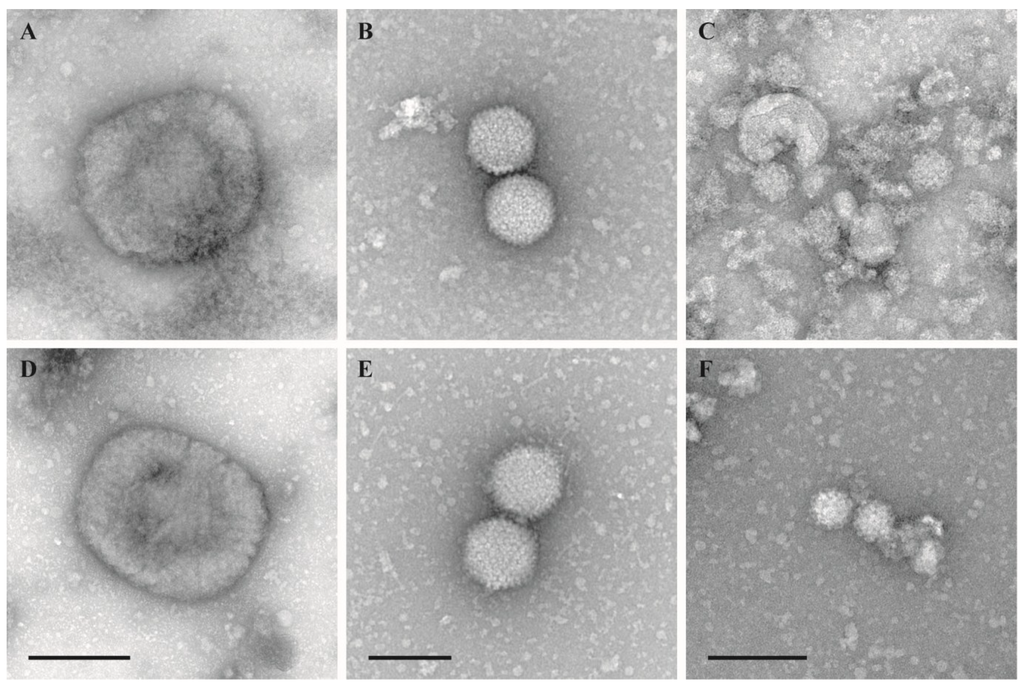
Formaldehyde (FA) fixation of infectious samples is a well-established protocol in diagnostic electron microscopy of viruses. However, published experimental data that demonstrate virus inactivation by these fixation procedures are lacking. Usually, fixation is performed immediately before the sample preparation for microscopy. The fixation procedure should transform viruses in a non-infectious but nonetheless structurally intact form in order to allow a proper diagnosis based on morphology. FA provides an essential advantage in comparison to other disinfectants, because it preserves the ultrastructure of biological material without interfering significantly with the preparation (i.e., the negative staining) and the detection of viruses. To examine the efficiency of FA inactivation, we used Vaccinia virus, Human adenovirus and Murine norovirus as models and treated them with FA under various conditions. Critical parameters for the inactivation efficiency were the temperature, the duration of the FA treatment, and the resistance of the virus in question. Our results show that FA inactivation at low temperature (4 °C) bears a high risk of incomplete inactivation. Higher temperatures (25 °C) are more efficient, although they still require rather long incubation times to fully inactivate a complex and highly robust virus like Vaccinia. A protocol, which applied 2% buffered FA for 60 min and a temperature-shift from 25 to 37 °C after 30 min was efficient for the complete inactivation of all test viruses, and therefore has the potential to improve both and speed of diagnostic electron microscopy.
REFERENCE:
Möller L, Schünadel L, Nitsche A, Schwebke I, Hanisch M, Laue M. Evaluation of Virus Inactivation by Formaldehyde to Enhance Biosafety of Diagnostic Electron Microscopy. Viruses. 2015 Feb 10;7(2):666-679.
-----------------------------------------------------------
Sigue este Blog en Facebook y Twitter

martes, 3 de febrero de 2015

Guidance on regulations for the Transport of Infectious Substances 2015-2016

Applicable as from 1 January 2015


Authors:
WHO

Publication details 

Number of pages38 
Publication date2015
LanguagesEnglish
WHO reference numberWHO/HSE/GCR/2015.2

Downloads

Overview

This publication provides information for identifying, classifying, marking, labelling, packaging, documenting and refrigerating infectious substances for transportation and ensuring their safe delivery. 

The document provides practical guidance to facilitate compliance with applicable international regulations for the transport of infectious substances by all modes of transport, both nationally and internationally, and include the changes that apply from 1 January 2015. The current revision replaces the document issued by the World Health Organization (WHO) in 2012 (document WHO/CDS/EPR/2012.12). This publication, however, does not replace national and international transport regulation.

Descarga http://apps.who.int/iris/bitstream/10665/149288/1/WHO_HSE_GCR_2015.2_eng.pdf?ua=1&ua=1

lunes, 2 de febrero de 2015

Survey of Safety Practices Among Hospital Laboratories in Ethiopia

BACKGROUND: Unsafe working practices, working environments, disposable waste products, and chemicals in clinical laboratories contribute to infectious and non-infectious hazards. Staffs, the community, and patients are less safe. Furthermore, such practices compromise the quality of laboratory services. We conducted a study to describe safety practices in public hospital laboratories of Oromia Regional State, Ethiopia.
METHOD: Randomly selected ten public hospital laboratories in Oromia Regional State were studied from Oct 2011- Feb 2012. Self-administered structured questionnaire and observation checklists were used for data collection. The respondents were heads of the laboratories, senior technicians, and safety officers. The questionnaire addressed biosafety label, microbial hazards, chemical hazards, physical/mechanical hazards, personal protective equipment, first aid kits and waste disposal system. The data was analyzed using descriptive analysis with SPSS version16 statistical software.
RESULT: All of the respondents reported none of the hospital laboratories were labeled with the appropriate safety label and safety symbols. These respondents also reported they may contain organisms grouped under risk group IV in the absence of microbiological safety cabinets. Overall, the respondents reported that there were poor safety regulations or standards in their laboratories. There were higher risks of microbial, chemical and physical/mechanical hazards.
CONCLUSION: Laboratory safety in public hospitals of Oromia Regional State is below the standard. The laboratory workers are at high risk of combined physical, chemical and microbial hazards. Prompt recognition of the problem and immediate action is mandatory to ensure safe working environment in health laboratories.
REFERENCIA:
Sewunet T et al. Survey of Safety Practices Among Hospital Laboratories in Oromia Regional State, Ethiopia. Ethiop J Health Sci. Oct 2014; 24(4): 307–310.

-----------------------------------------------------------
Sigue este Blog en Facebook y Twitter

jueves, 29 de enero de 2015

Feasibility of establishing a BSL3 tuberculosis culture lab in a resource-limited setting

Background: Despite the recent innovations in tuberculosis (TB) and multi-drug resistant TB (MDR-TB) diagnosis, culture remains vital for difficult-to-diagnose patients, baseline and end-point determination for novel vaccines and drug trials. Herein, we share our experience of establishing a BSL-3 culture facility in Uganda as well as 3-years performance indicators and post-TB vaccine trials (pioneer) and funding experience of sustaining such a facility.
Methods: Between September 2008 and April 2009, the laboratory was set-up with financial support from external partners. After an initial procedure validation phase in parallel with the National TB Reference Laboratory (NTRL) and legal approvals, the laboratory registered for external quality assessment (EQA) from the NTRL, WHO, National Health Laboratories Services (NHLS), and the College of American Pathologists (CAP). The laboratory also instituted a functional quality management system (QMS). Pioneer funding ended in 2012 and the laboratory remained in self-sustainability mode.
Results: The laboratory achieved internationally acceptable standards in both structural and biosafety requirements. Of the 14 patient samples analyzed in the procedural validation phase, agreement for all tests with NTRL was 90% (P <0.01). It started full operations in October 2009 performing smear microscopy, culture, identification, and drug susceptibility testing (DST). The annual culture workload was 7,636, 10,242, and 2,712 inoculations for the years 2010, 2011, and 2012, respectively. Other performance indicators of TB culture laboratories were also monitored. Scores from EQA panels included smear microscopy >80% in all years from NTRL, CAP, and NHLS, and culture was 100% for CAP panels and above regional average scores for all years with NHLS. Quarterly DST scores from WHO-EQA ranged from 78% to 100% in 2010, 80% to 100% in 2011, and 90 to 100% in 2012.
Conclusions: From our experience, it is feasible to set-up a BSL-3 TB culture laboratory with acceptable quality performance standards in resource-limited countries. With the demonstrated quality of work, the laboratory attracted more research groups and post-pioneer funding, which helped to ensure sustainability. The high skilled experts in this research laboratory also continue to provide an excellent resource for the needed national discussion of the laboratory and quality management systems.
REFERENCIA:
Ssengooba, W., et al. Feasibility of establishing a biosafety level 3 tuberculosis culture laboratory of acceptable quality standards in a resource-limited setting: an experience from Uganda. Health Research Policy and Systems 2015, 13:4

-----------------------------------------------------------
Sigue este Blog en Facebook y Twitter