Environmental contamination plays an important role in the transmission of MRSA, VRE, and C. difficile. Suboptimal compliance with hand hygiene or inappropriate glove use can result in indirect transfer of these pathogens to patients. This study evaluates a novel disinfectant that claims to kill microbes on surfaces for ≥24 hours.
REFERENCES:
Rutala, William et al. “1727. Sustained Antimicrobial Activity of a Novel Disinfectant Against Healthcare Pathogens” Open Forum Infectious Diseases vol. 5,Suppl 1 S55. 26 Nov. 2018, doi:10.1093/ofid/ofy209.133
-----------------------------------------------------------
Sigue este Blog en Facebook y Twitter
Ayúdanos a traducir las fichas de seguridad de microorganismos.
www.seguridadbiologica.blogspot.com
-----------------------------------------------------------
| Lista de correo. Espere su aprobación. |
| Consultar este grupo |
martes, 5 de febrero de 2019
jueves, 31 de enero de 2019
Código Sanitario para los Animales Terrestres (Código Terrestre)
Las medidas sanitarias del Código Terrestre han sido adoptadas oficialmente por la Asamblea Mundial de Delegados de los Miembros de la OIE. La vigésima séptima edición incorpora las modificaciones del Código Terrestre aprobadas en la 86.ª Sesión general de mayo de 2018.
CONSULTA EN LINEA EN ESPAÑOL
-----------------------------------------------------------
Sigue este Blog en Facebook y Twitter
Ayúdanos a traducir las fichas de seguridad de microorganismos.
www.seguridadbiologica.blogspot.com
-----------------------------------------------------------
martes, 29 de enero de 2019
Biosafety Cabinet Selection, Installation, Use, Lifespan and Decommissioning
Class II biosafety cabinets are somewhere in-between—specifically, they contain partial barrier systems that rely on the movement of air to provide personnel, environmental, and product protection. These are covered in NSF/ANSI 49, which has just been revised. The current edition of this American National Standard is NSF/ANSI 49-2018: Biosafety Cabinetry – Design, Construction, Performance, And Field Certification. NSF/ANSI 49-2018, like its predecessor, applies to Class II, or laminar flow, biosafety cabinets designed to minimize inherent hazards in work with agents assigned to biosafety levels 1, 2, 3, or 4. It outlines basic guidelines for their design, construction, and performance. BSCs designed and tested under NSF/ANSI 49-2018 guidance are assured reliable operation, durability and structural stability, cleanability, limitations on noise level, illumination, vibration, and motor/blower performance.
Read more at the ANSI Blog: NSF/ANSI 49-2018: Biosafety Cabinets – Design, Construction, Performance, And Field Certification https://blog.ansi.org/?p=160368
Annex E, free of charge HERE
-----------------------------------------------------------
Sigue este Blog en Facebook y Twitter
Ayúdanos a traducir las fichas de seguridad de microorganismos.
www.seguridadbiologica.blogspot.com
-----------------------------------------------------------
Read more at the ANSI Blog: NSF/ANSI 49-2018: Biosafety Cabinets – Design, Construction, Performance, And Field Certification https://blog.ansi.org/?p=160368
Annex E, free of charge HERE
-----------------------------------------------------------
Sigue este Blog en Facebook y Twitter
Ayúdanos a traducir las fichas de seguridad de microorganismos.
www.seguridadbiologica.blogspot.com
-----------------------------------------------------------
miércoles, 23 de enero de 2019
Health Interventions in Volcanic Eruptions - Respiratory Protection against Volcanic Ash
Inhalation of ash can be of great concern for affected communities, during and after volcanic eruptions. Governmental and humanitarian agencies recommend and distribute a variety of respiratory protection (RP), commonly surgical masks but, also, industry-certified N95-style masks. However, there is currently no evidence on how wearable they are within affected populations or how protective wearers perceive them being against volcanic ash (which will influence the likelihood of uptake of recommended interventions). Volunteers living near Mt. Sinabung, Sumatra, Indonesia, participated in a field wearability study, which included a high-efficiency mask certified to industry standards (N95-equiv.); a standard, pleated surgical mask (Surgical); a Basic flat-fold mask (Flat-fold), and the surgical mask plus a scarf tied over the top (Surgical Plus) to improve fit. These types of RP had all performed well during earlier laboratory filtration efficiency tests. The N95-equiv. mask had performed significantly better than the other RP in the subsequent total inward leakage volunteer trials, whilst the Flat-fold and Surgical masks performed poorly, letting in a third of PM2.5 particles (data published elsewhere). Thirty volunteers wore each mask for a 15-min walk before being asked to rate the comfort, breathability and perceived protection and fit of each. After wearing all of the masks, volunteers compared and identified their preferred type of protection. The feedback received from the volunteers suggested that the Surgical Plus and N95-equiv. masks were rated as being significantly hotter and more humid than other masks. The Flat-fold was rated to have better breathability than the other masks. The N95-equiv. mask was ranked as providing the best level of effectiveness of the four masks tested. Ultimately, when asked which type of mask they would choose to wear during ashfall, 33% selected the Flat-fold mask due to its comfort and simplicity, with the Surgical Plus being the least likely to be chosen of the four tested. The study findings are of benefit to agencies who need to make informed decisions on the procurement and distribution of RP for use by those affected in future eruptions and the provision of advice to communities on their usage.
REFERENCE
Galea, Karen S et al. “Short Communication: Health Interventions in Volcanic Eruptions-Community Wearability Assessment of Respiratory Protection against Volcanic Ash from Mt Sinabung, Indonesia” International journal of environmental research and public health vol. 15,11 2359. 25 Oct. 2018, doi:10.3390/ijerph15112359
-----------------------------------------------------------
Sigue este Blog en Facebook y Twitter
Ayúdanos a traducir las fichas de seguridad de microorganismos.
www.seguridadbiologica.blogspot.com
-----------------------------------------------------------
REFERENCE
Galea, Karen S et al. “Short Communication: Health Interventions in Volcanic Eruptions-Community Wearability Assessment of Respiratory Protection against Volcanic Ash from Mt Sinabung, Indonesia” International journal of environmental research and public health vol. 15,11 2359. 25 Oct. 2018, doi:10.3390/ijerph15112359
-----------------------------------------------------------
Sigue este Blog en Facebook y Twitter
Ayúdanos a traducir las fichas de seguridad de microorganismos.
www.seguridadbiologica.blogspot.com
-----------------------------------------------------------
lunes, 21 de enero de 2019
Performance of N95 FFRs Against Combustion and NaCl Aerosols in Dry and Moderately Humid Air: Manikin-based Study
Objectives: The first objective of this study was to evaluate the penetration of particles generated from combustion of plastic through National Institute for Occupational Safety and Health (NIOSH)certified N95 filtering facepiece respirators (FFRs) using a manikin-based protocol and compare the data to the penetration of NaCl particles. The second objective was to investigate the effect of relative humidity (RH) on the filtration performance of N95 FFRs.
Methods: Two NIOSH-certified N95 FFRs (A and B) were fully sealed on a manikin headform and challenged with particles generated by combustion of plastic and NaCl particles. The tests were performed using two cyclic flows [with mean inspiratory flow (MIF) rates = 30 and 85 l min−1, representing human breathing under low and moderate workload conditions] and two RH levels (≈20 and ≈80%, representing dry and moderately humid air). The total and size-specific particle concentrations inside (Cin) and outside (Cout) of the respirators were measured with a condensation particle counter and an aerosol size spectrometer. The penetration values (Cin/Cout) were calculated after each test.
Results: The challenge aerosol, RH, MIF rate, and respirator type had significant (P < 0.05) effects on the performance of the manikin-sealed FFR. Its efficiency significantly decreased when the FFR was tested with plastic combustion particles compared to NaCl aerosols. For example, at RH ≈80% and MIF = 85 l min−1, as much as 7.03 and 8.61% of combustion particles penetrated N95 respirators A and B, respectively. The plastic combustion particles and gaseous compounds generated by combustion likely degraded the electric charges on fibers, which increased the particle penetration. Increasing breathing flow rate or humidity increased the penetration (reduced the respirator efficiency) for all tested aerosols. The effect of particle size on the penetration varied depending on the challenge aerosol and respirator type. It was observed that the peak of the size distribution of combustion particles almost coincided with their most penetrating particle size, which was not the case for NaCl particles. This finding was utilized for the data interpretation.
Conclusions: N95 FFRs have lower filter efficiency when challenged with contaminant particles generated by combustion, particularly when used under high humidity conditions compared to NaCl particles.
REFERENCE:
Gao, Shuang et al. “Performance of N95 FFRs Against Combustion and NaCl Aerosols in Dry and Moderately Humid Air: Manikin-based Study” Annals of occupational hygiene vol. 60,6 (2016): 748-60.
-----------------------------------------------------------
Sigue este Blog en Facebook y Twitter
Ayúdanos a traducir las fichas de seguridad de microorganismos.
www.seguridadbiologica.blogspot.com
-----------------------------------------------------------
Methods: Two NIOSH-certified N95 FFRs (A and B) were fully sealed on a manikin headform and challenged with particles generated by combustion of plastic and NaCl particles. The tests were performed using two cyclic flows [with mean inspiratory flow (MIF) rates = 30 and 85 l min−1, representing human breathing under low and moderate workload conditions] and two RH levels (≈20 and ≈80%, representing dry and moderately humid air). The total and size-specific particle concentrations inside (Cin) and outside (Cout) of the respirators were measured with a condensation particle counter and an aerosol size spectrometer. The penetration values (Cin/Cout) were calculated after each test.
Results: The challenge aerosol, RH, MIF rate, and respirator type had significant (P < 0.05) effects on the performance of the manikin-sealed FFR. Its efficiency significantly decreased when the FFR was tested with plastic combustion particles compared to NaCl aerosols. For example, at RH ≈80% and MIF = 85 l min−1, as much as 7.03 and 8.61% of combustion particles penetrated N95 respirators A and B, respectively. The plastic combustion particles and gaseous compounds generated by combustion likely degraded the electric charges on fibers, which increased the particle penetration. Increasing breathing flow rate or humidity increased the penetration (reduced the respirator efficiency) for all tested aerosols. The effect of particle size on the penetration varied depending on the challenge aerosol and respirator type. It was observed that the peak of the size distribution of combustion particles almost coincided with their most penetrating particle size, which was not the case for NaCl particles. This finding was utilized for the data interpretation.
Conclusions: N95 FFRs have lower filter efficiency when challenged with contaminant particles generated by combustion, particularly when used under high humidity conditions compared to NaCl particles.
REFERENCE:
Gao, Shuang et al. “Performance of N95 FFRs Against Combustion and NaCl Aerosols in Dry and Moderately Humid Air: Manikin-based Study” Annals of occupational hygiene vol. 60,6 (2016): 748-60.
-----------------------------------------------------------
Sigue este Blog en Facebook y Twitter
Ayúdanos a traducir las fichas de seguridad de microorganismos.
www.seguridadbiologica.blogspot.com
-----------------------------------------------------------
viernes, 18 de enero de 2019
Self-contamination during doffing of personal protective equipment
Background: Healthcare workers (HCWs) use personal protective equipment (PPE) in Ebola virus disease (EVD) situations. However, preventing the contamination of HCWs and the environment during PPE removal crucially requires improved strategies. This study aimed to compare the efficacy of three PPE ensembles, namely, Hospital Authority (HA) Standard Ebola PPE set (PPE1), Dupont Tyvek Model, style 1422A (PPE2), and HA isolation gown for routine patient care and performing aerosol-generating procedures (PPE3) to prevent EVD transmission by measuring the degree of contamination of HCWs and the environment.
Methods: A total of 59 participants randomly performed PPE donning and doffing. The trial consisted of PPE donning, applying fluorescent solution on the PPE surface, PPE doffing of participants, and estimation of the degree of contamination as indicated by the number of fluorescent stains on the working clothes and environment. Protocol deviations during PPE donning and doffing were monitored.
Results: PPE2 and PPE3 presented higher contamination risks than PPE1. Environmental contaminations such as those originating from rubbish bin covers, chairs, faucets, and sinks were detected. Procedure deviations were observed during PPE donning and doffing, with PPE1 presenting the lowest overall deviation rate (%) among the three PPE ensembles (p < 0.05).
Conclusion: Contamination of the subjects’ working clothes and surrounding environment occurred frequently during PPE doffing. Procedure deviations were observed during PPE donning and doffing. Although PPE1 presented a lower contamination risk than PPE2 and PPE3 during doffing and protocol deviations, the design of PPE1 can still be further improved. Future directions should focus on designing a high-coverage-area PPE with simple ergonomic features and on evaluating the doffing procedure to minimise the risk of recontamination. Regular training for users should be emphasised to minimise protocol deviations, and in turn, guarantee the best protection to HCWs.
REFERENCE:
Suen, Lorna K P et al. “Self-contamination during doffing of personal protective equipment by healthcare workers to prevent Ebola transmission” Antimicrobial resistance and infection control vol. 7 157. 22 Dec. 2018, doi:10.1186/s13756-018-0433-y
-----------------------------------------------------------
Sigue este Blog en Facebook y Twitter
Ayúdanos a traducir las fichas de seguridad de microorganismos.
www.seguridadbiologica.blogspot.com
-----------------------------------------------------------
Methods: A total of 59 participants randomly performed PPE donning and doffing. The trial consisted of PPE donning, applying fluorescent solution on the PPE surface, PPE doffing of participants, and estimation of the degree of contamination as indicated by the number of fluorescent stains on the working clothes and environment. Protocol deviations during PPE donning and doffing were monitored.
Results: PPE2 and PPE3 presented higher contamination risks than PPE1. Environmental contaminations such as those originating from rubbish bin covers, chairs, faucets, and sinks were detected. Procedure deviations were observed during PPE donning and doffing, with PPE1 presenting the lowest overall deviation rate (%) among the three PPE ensembles (p < 0.05).
Conclusion: Contamination of the subjects’ working clothes and surrounding environment occurred frequently during PPE doffing. Procedure deviations were observed during PPE donning and doffing. Although PPE1 presented a lower contamination risk than PPE2 and PPE3 during doffing and protocol deviations, the design of PPE1 can still be further improved. Future directions should focus on designing a high-coverage-area PPE with simple ergonomic features and on evaluating the doffing procedure to minimise the risk of recontamination. Regular training for users should be emphasised to minimise protocol deviations, and in turn, guarantee the best protection to HCWs.
REFERENCE:
Suen, Lorna K P et al. “Self-contamination during doffing of personal protective equipment by healthcare workers to prevent Ebola transmission” Antimicrobial resistance and infection control vol. 7 157. 22 Dec. 2018, doi:10.1186/s13756-018-0433-y
-----------------------------------------------------------
Sigue este Blog en Facebook y Twitter
Ayúdanos a traducir las fichas de seguridad de microorganismos.
www.seguridadbiologica.blogspot.com
-----------------------------------------------------------
miércoles, 16 de enero de 2019
Aerosol infection of Balb/c mice with eastern equine encephalitis virus; susceptibility and lethality.
BACKGROUND: Eastern equine encephalitis virus is an alphavirus that naturally cycles between mosquitoes and birds or rodents in Eastern States of the US. Equine infection occurs by being bitten by cross-feeding mosquitoes, with a case fatality rate of up to 75% in humans during epizootic outbreaks. There are no licensed medical countermeasures, and with an anticipated increase in mortality when exposed by the aerosol route based on anecdotal human data and experimental animal data, it is important to understand the pathogenesis of this disease in pursuit of treatment options. This report details the clinical and pathological findings of mice infected with EEEV by the aerosol route, and use as a model for EEEV infection in humans.
METHODS: Mice were exposed by the aerosol route to a dose range of EEEV to establish the median lethal dose. A pathogenesis study followed whereby mice were exposed to a defined dose of virus and sacrificed at time-points thereafter for histopathological analysis and virology.
RESULTS: Clinical signs of disease appeared within 2 days post challenge, culminating in severe clinical signs within 24 h, neuro-invasion and dose dependent lethality. EEEV was first detected in the lung 1 day post challenge, and by day 3 peak viral titres were observed in the brain, spleen and blood, corresponding with severe meningoencephalitis, indicative of encephalitic disease. Lethality follows severe neurological signs, and may be linked to a threshold level of virus replication in the brain. Effective medical countermeasures for EEEV may necessitate early inoculation to inhibit infection of the brain in zoonotic incidents, and be able to traverse the blood-brain barrier to sufficiently interrupt replication in the brain in cases of aerosol infection.
CONCLUSIONS: There is little human data on the hazard posed by aerosol infection with encephalitic alphaviruses, and use of EEEV as a bioweapon may be by the aerosol route. A well characterized model of aerosol exposure that recapitulates some of the most severe human clinical features is necessary to evaluate the efficacy of putative medical countermeasures, and to increase our understanding about how this route of infection induces such rapid neuro-invasion and resulting disease.
REFERENCE:
Phelps AL, et al. Aerosol infection of Balb/c mice with eastern equine encephalitis virus; susceptibility and lethality. Virol J. 2019 Jan 5;16(1):2. doi: 10.1186/s12985-018-1103-7.
-----------------------------------------------------------
Sigue este Blog en Facebook y Twitter
Ayúdanos a traducir las fichas de seguridad de microorganismos.
www.seguridadbiologica.blogspot.com
-----------------------------------------------------------
METHODS: Mice were exposed by the aerosol route to a dose range of EEEV to establish the median lethal dose. A pathogenesis study followed whereby mice were exposed to a defined dose of virus and sacrificed at time-points thereafter for histopathological analysis and virology.
RESULTS: Clinical signs of disease appeared within 2 days post challenge, culminating in severe clinical signs within 24 h, neuro-invasion and dose dependent lethality. EEEV was first detected in the lung 1 day post challenge, and by day 3 peak viral titres were observed in the brain, spleen and blood, corresponding with severe meningoencephalitis, indicative of encephalitic disease. Lethality follows severe neurological signs, and may be linked to a threshold level of virus replication in the brain. Effective medical countermeasures for EEEV may necessitate early inoculation to inhibit infection of the brain in zoonotic incidents, and be able to traverse the blood-brain barrier to sufficiently interrupt replication in the brain in cases of aerosol infection.
CONCLUSIONS: There is little human data on the hazard posed by aerosol infection with encephalitic alphaviruses, and use of EEEV as a bioweapon may be by the aerosol route. A well characterized model of aerosol exposure that recapitulates some of the most severe human clinical features is necessary to evaluate the efficacy of putative medical countermeasures, and to increase our understanding about how this route of infection induces such rapid neuro-invasion and resulting disease.
REFERENCE:
Phelps AL, et al. Aerosol infection of Balb/c mice with eastern equine encephalitis virus; susceptibility and lethality. Virol J. 2019 Jan 5;16(1):2. doi: 10.1186/s12985-018-1103-7.
-----------------------------------------------------------
Sigue este Blog en Facebook y Twitter
Ayúdanos a traducir las fichas de seguridad de microorganismos.
www.seguridadbiologica.blogspot.com
-----------------------------------------------------------
lunes, 14 de enero de 2019
Phylogeography, Transmission, and Viral Proteins of Nipah Virus
Nipah virus (NiV), a zoonotic paramyxovirus belonging to the genus Henipavirus, is classified as a Biosafety Level-4 pathogen based on its high pathogenicity in humans and the lack of available vaccines or therapeutics. Since its initial emergence in 1998 in Malaysia, this virus has become a great threat to domestic animals and humans. Sporadic outbreaks and person-to-person transmission over the past two decades have resulted in hundreds of human fatalities. Epidemiological surveys have shown that NiV is distributed in Asia, Africa, and the South Pacific Ocean, and is transmitted by its natural reservoir, Pteropid bats. Numerous efforts have been made to analyze viral protein function and structure to develop feasible strategies for drug design. Increasing surveillance and preventative measures for the viral infectious disease are urgently needed.
REFERENCE:
Sun, Bangyao et al. “Phylogeography, Transmission, and Viral Proteins of Nipah Virus” Virologica Sinica vol. 33,5 (2018): 385-393.
-----------------------------------------------------------
Sigue este Blog en Facebook y Twitter
Ayúdanos a traducir las fichas de seguridad de microorganismos.
www.seguridadbiologica.blogspot.com
-----------------------------------------------------------
REFERENCE:
Sun, Bangyao et al. “Phylogeography, Transmission, and Viral Proteins of Nipah Virus” Virologica Sinica vol. 33,5 (2018): 385-393.
-----------------------------------------------------------
Sigue este Blog en Facebook y Twitter
Ayúdanos a traducir las fichas de seguridad de microorganismos.
www.seguridadbiologica.blogspot.com
-----------------------------------------------------------
viernes, 11 de enero de 2019
Study of the micro-climate and bacterial distribution in the deadspace of N95 filtering face respirators
It is common for people to use N95 filtering facepiece respirators (FFRs) in daily life, especially in locations where particulate matter (PM2.5) concentration is rising. Wearing N95 FFRs is helpful to reduce inhalation of PM2.5. Although N95 FFRs block at least 95% of particles from the atmosphere, the deadspace of N95 FFRs could be a warm, wet environment that may be a perfect breeding ground for bacterial growth. This work studies the micro-climate features including the temperature distribution and water vapor condensation in the deadspace of an N95 FFR using the computational fluid dynamics (CFD) method. Then, the temperature and relative humidity inside the same type of N95 FFR are experimentally measured. There is a good agreement between the simulation and experimental results. Moreover, an experiment is conducted to study the distribution of bacteria sampled from the inner surface of an N95 FFR after donning.
REFERENCE:
Yang, Quan et al. “Study of the micro-climate and bacterial distribution in the deadspace of N95 filtering face respirators” Scientific reports vol. 8,1 17382. 26 Nov. 2018, doi:10.1038/s41598-018-35693-w
-----------------------------------------------------------
Sigue este Blog en Facebook y Twitter
Ayúdanos a traducir las fichas de seguridad de microorganismos.
www.seguridadbiologica.blogspot.com
-----------------------------------------------------------
REFERENCE:
Yang, Quan et al. “Study of the micro-climate and bacterial distribution in the deadspace of N95 filtering face respirators” Scientific reports vol. 8,1 17382. 26 Nov. 2018, doi:10.1038/s41598-018-35693-w
-----------------------------------------------------------
Sigue este Blog en Facebook y Twitter
Ayúdanos a traducir las fichas de seguridad de microorganismos.
www.seguridadbiologica.blogspot.com
-----------------------------------------------------------
jueves, 10 de enero de 2019
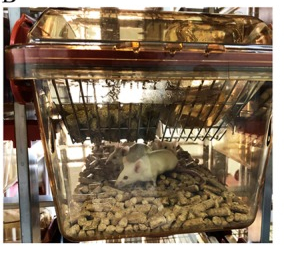
Monitoring and evaluation of mice maintained in different biosafety level laboratories
High-level biosafety laboratories (BSL), such as BSL-3 and BSL-4, which deal with high infectivity and virulence pathogens, have become indispensable. Mice are frequently used in animal BSL (ABSL) to establish animal models for infection and to evaluate in vivo immune responses. A project of monitoring and evaluation on the physiology and immune status of mice housed in different ABSL labs was performed in the ABSL-2/3/4 labs of Kunming National High-level Biosafety Research Center, China. Female Kunming mice were housed in the ABSL-2/3/4 labs for 1 month, and mouse behavior, body physiology/immune status, pulmonary immune status and respiratory bacteria composition were evaluated and compared among mice from the different labs. Mice settled in their new housing environment of the different labs after transfer and gained weight steadily. Blood hematology testing, serum cytokine/chemokine profiles and blood/spleen lymphocyte constitutions were comparable between the ABSL-2/3/4 labs. The numbers of different pulmonary leukocytes in the bronchoalveolar lavage fluid were at baseline levels in mice from the ABSL-2/3/4 labs. Diversity and dominance of mice respiratory bacteria were semblable among the ABSL-2/3/4 labs. Our results confirm the stability of physiology and immune status of Kunming mice maintained in different ABSL-2/3/4 labs for at least 1 month.
REFERENCE:
Guo, Lei et al. “Monitoring and evaluation of the immune status of female Kunming mice maintained in different biosafety level laboratories” Biology open vol. 7,12 bio035006. 7 Nov. 2018, doi:10.1242/bio.035006
-----------------------------------------------------------
Sigue este Blog en Facebook y Twitter
Ayúdanos a traducir las fichas de seguridad de microorganismos.
www.seguridadbiologica.blogspot.com
-----------------------------------------------------------
REFERENCE:
Guo, Lei et al. “Monitoring and evaluation of the immune status of female Kunming mice maintained in different biosafety level laboratories” Biology open vol. 7,12 bio035006. 7 Nov. 2018, doi:10.1242/bio.035006
-----------------------------------------------------------
Sigue este Blog en Facebook y Twitter
Ayúdanos a traducir las fichas de seguridad de microorganismos.
www.seguridadbiologica.blogspot.com
-----------------------------------------------------------
martes, 8 de enero de 2019
Biohazard levels
Biohazard levels, more commonly known as “biological safety levels” or “biosafety levels” are classifications of safety precautions which are needed to be applied in the clinical microbiology laboratory depending on specific organisms handled in every laboratory procedure. Developed by the Centers for Disease Control and Prevention (CDC), this principle provides a way for medical laboratory scientists and other lab personnel adequately identify and limit any biological hazards which will further decrease the risk in the laboratory. Aside from biosafety, biohazard levels are also indirectly used to support the principle of biosecurity, which is aimed at preventing the use of organisms as harmful biological agents.
REFERENCE:
Bayot ML, Bhimji SS. Biohazard Levels. [Updated 2018 Dec 9]. In: StatPearls [Internet]. Treasure Island (FL): StatPearls Publishing; 2018 Jan-. Available from: https://www.ncbi.nlm.nih.gov/books/NBK535351/
-----------------------------------------------------------
Sigue este Blog en Facebook y Twitter
Ayúdanos a traducir las fichas de seguridad de microorganismos.
www.seguridadbiologica.blogspot.com
-----------------------------------------------------------
REFERENCE:
Bayot ML, Bhimji SS. Biohazard Levels. [Updated 2018 Dec 9]. In: StatPearls [Internet]. Treasure Island (FL): StatPearls Publishing; 2018 Jan-. Available from: https://www.ncbi.nlm.nih.gov/books/NBK535351/
-----------------------------------------------------------
Sigue este Blog en Facebook y Twitter
Ayúdanos a traducir las fichas de seguridad de microorganismos.
www.seguridadbiologica.blogspot.com
-----------------------------------------------------------
miércoles, 2 de enero de 2019
Genetically modified pigs are protected from classical swine fever virus
Classical swine fever (CSF) caused by classical swine fever virus (CSFV) is one of the most detrimental diseases, and leads to significant economic losses in the swine industry. Despite efforts by many government authorities to stamp out the disease from national pig populations, the disease remains widespread. Here, antiviral small hairpin RNAs (shRNAs) were selected and then inserted at the porcine Rosa26 (pRosa26) locus via a CRISPR/Cas9-mediated knock-in strategy. Finally, anti-CSFV transgenic (TG) pigs were produced by somatic nuclear transfer (SCNT). Notably, in vitro and in vivo viral challenge assays further demonstrated that these TG pigs could effectively limit the replication of CSFV and reduce CSFV-associated clinical signs and mortality, and disease resistance could be stably transmitted to the F1-generation. Altogether, our work demonstrated that RNA interference (RNAi) technology combining CRISPR/Cas9 technology offered the possibility to produce TG animal with improved resistance to viral infection. The use of these TG pigs can reduce CSF-related economic losses and this antiviral strategy may be useful for future antiviral research.
REFERENCE:
Xie Z, Pang D, Yuan H, Jiao H, Lu C, Wang K, et al. (2018) Genetically modified pigs are protected from classical swine fever virus. PLoS Pathog 14(12): e1007193. https://doi.org/10.1371/journal.ppat.1007193
-----------------------------------------------------------
Sigue este Blog en Facebook y Twitter
Ayúdanos a traducir las fichas de seguridad de microorganismos.
www.seguridadbiologica.blogspot.com
-----------------------------------------------------------
REFERENCE:
Xie Z, Pang D, Yuan H, Jiao H, Lu C, Wang K, et al. (2018) Genetically modified pigs are protected from classical swine fever virus. PLoS Pathog 14(12): e1007193. https://doi.org/10.1371/journal.ppat.1007193
-----------------------------------------------------------
Sigue este Blog en Facebook y Twitter
Ayúdanos a traducir las fichas de seguridad de microorganismos.
www.seguridadbiologica.blogspot.com
-----------------------------------------------------------
lunes, 31 de diciembre de 2018
Principles of intracellular bacterial pathogen spread from cell to cell
A subset of intracellular pathogens, including Listeria monocytogenes, Shigella flexneri, Rickettsia spp., and Burkholderia spp. disseminate within nonphagocytic cells, such as epithelial and endothelial cells, through a process referred to as cell-to-cell spread. These pathogens utilize the host cell actin cytoskeleton to move in the cytosol of infected cells and project into adjacent cells through formation of membrane protrusions. The formed protrusions resolve into vacuoles from which the pathogen escapes, thereby gaining access to the cytosol of adjacent cells (Fig 1). Here, we present the general principles and summarize the underlying mechanisms supporting this bacterial dissemination process.
REFERENCE:
Weddle E, Agaisse H (2018) Principles of intracellular bacterial pathogen spread from cell to cell. PLoS Pathog 14(12): e1007380. https://doi.org/10.1371/journal.ppat.1007380
-----------------------------------------------------------
Sigue este Blog en Facebook y Twitter
Ayúdanos a traducir las fichas de seguridad de microorganismos.
www.seguridadbiologica.blogspot.com
-----------------------------------------------------------
REFERENCE:
Weddle E, Agaisse H (2018) Principles of intracellular bacterial pathogen spread from cell to cell. PLoS Pathog 14(12): e1007380. https://doi.org/10.1371/journal.ppat.1007380
-----------------------------------------------------------
Sigue este Blog en Facebook y Twitter
Ayúdanos a traducir las fichas de seguridad de microorganismos.
www.seguridadbiologica.blogspot.com
-----------------------------------------------------------
miércoles, 26 de diciembre de 2018
Handwashing and Ebola virus disease outbreaks: Comparison of soap, hand sanitizer, and 0.05% chlorine solutions
To prevent Ebola transmission, frequent handwashing is recommended in Ebola Treatment Units and communities. However, little is known about which handwashing protocol is most efficacious. We evaluated six handwashing protocols (soap and water, alcohol-based hand sanitizer (ABHS), and 0.05% sodium dichloroisocyanurate, high-test hypochlorite, and stabilized and non-stabilized sodium hypochlorite solutions) for 1) efficacy of handwashing on the removal and inactivation of non-pathogenic model organisms and, 2) persistence of organisms in rinse water. Model organisms E. coli and bacteriophage Phi6 were used to evaluate handwashing with and without organic load added to simulate bodily fluids. Hands were inoculated with test organisms, washed, and rinsed using a glove juice method to retrieve remaining organisms. Impact was estimated by comparing the log reduction in organisms after handwashing to the log reduction without handwashing. Rinse water was collected to test for persistence of organisms. Handwashing resulted in a 1.94–3.01 log reduction in E. coli concentration without, and 2.18–3.34 with, soil load; and a 2.44–3.06 log reduction in Phi6 without, and 2.71–3.69 with, soil load. HTH performed most consistently well, with significantly greater log reductions than other handwashing protocols in three models. However, the magnitude of handwashing efficacy differences was small, suggesting protocols are similarly efficacious. Rinse water demonstrated a 0.28–4.77 log reduction in remaining E. coli without, and 0.21–4.49 with, soil load and a 1.26–2.02 log reduction in Phi6 without, and 1.30–2.20 with, soil load. Chlorine resulted in significantly less persistence of E. coli in both conditions and Phi6 without soil load in rinse water (p<0.001). Thus, chlorine-based methods may offer a benefit of reducing persistence in rinse water. We recommend responders use the most practical handwashing method to ensure hand hygiene in Ebola contexts, considering the potential benefit of chlorine-based methods in rinse water persistence.
REFERENCE:
Wolfe, Marlene K et al. “Handwashing and Ebola virus disease outbreaks: A randomized comparison of soap, hand sanitizer, and 0.05% chlorine solutions on the inactivation and removal of model organisms Phi6 and E. coli from hands and persistence in rinse water” PloS one vol. 12,2 e0172734. 23 Feb. 2017, doi:10.1371/journal.pone.0172734
-----------------------------------------------------------
Sigue este Blog en Facebook y Twitter
Ayúdanos a traducir las fichas de seguridad de microorganismos.
www.seguridadbiologica.blogspot.com
-----------------------------------------------------------
REFERENCE:
Wolfe, Marlene K et al. “Handwashing and Ebola virus disease outbreaks: A randomized comparison of soap, hand sanitizer, and 0.05% chlorine solutions on the inactivation and removal of model organisms Phi6 and E. coli from hands and persistence in rinse water” PloS one vol. 12,2 e0172734. 23 Feb. 2017, doi:10.1371/journal.pone.0172734
-----------------------------------------------------------
Sigue este Blog en Facebook y Twitter
Ayúdanos a traducir las fichas de seguridad de microorganismos.
www.seguridadbiologica.blogspot.com
-----------------------------------------------------------
jueves, 20 de diciembre de 2018
Jean-Jacques Muyembe Tamfum: a life’s work on #Ebola
Jean-Jacques Muyembe Tamfum was part of the research team that investigated the first known outbreak of Ebola virus disease in 1976. He talks to Fiona Fleck about those experiences and how he and his colleagues are using the knowledge they have built up in recent Ebola outbreaks.
REFERENCE:
Jean-Jacques Muyembe Tamfum: a life's work on Ebola. Bull World Health Organ. 2018;96(12):804-805.
-----------------------------------------------------------
Sigue este Blog en Facebook y Twitter
Ayúdanos a traducir las fichas de seguridad de microorganismos. www.seguridadbiologica.blogspot.com
-----------------------------------------------------------
REFERENCE:
Jean-Jacques Muyembe Tamfum: a life's work on Ebola. Bull World Health Organ. 2018;96(12):804-805.
-----------------------------------------------------------
Sigue este Blog en Facebook y Twitter
Ayúdanos a traducir las fichas de seguridad de microorganismos. www.seguridadbiologica.blogspot.com
-----------------------------------------------------------
martes, 18 de diciembre de 2018
Towards an effective poliovirus laboratory containment strategy in Nigeria
BACKGROUND: The Global Commission for the Certification of the Eradication of Poliomyelitis will declare the world free of wild poliovirus transmission when no wild virus has been found in at least 3 consecutive years, and all laboratories possessing wild poliovirus materials have adopted appropriate measures of containment. Nigeria has made progress towards poliomyelitis eradication with the latest reported WPV type 1 on 21 Aug 2016 after 2 years without any case. This milestone achievement was followed by an inventory of biomedical laboratories completed in November 2015 with the destruction of all identified infectious materials. This paper seeks to describe the poliovirus laboratory containment process in Nigeria on which an effective containment system has been built to minimize the risk of virus re-introduction into the population from the laboratories.
METHODS: A national survey of all biomedical facilities, as well as an inventory of laboratories from various sectors, was conducted from June-November 2015. National Task Force (NTF) members and staff working on polio administered an on-site questionnaire in each facility. Laboratory personnel were sensitized with all un-needed materials destroyed by autoclaving and incineration. All stakeholders were also sensitized to continue the destruction of such materials as a requirement for phase one activities.
RESULTS: A total of 20,638 biomedical facilities were surveyed with 9575 having laboratories. Thirty laboratories were found to contain poliovirus or potentially infectious materials. The 30 laboratories belonged to the ministries of health, education, defence and private organizations.
CONCLUSIONS: This article is amongst the first in Africa that relates poliovirus laboratory containment in the context of the tOPV-bOPV switch in alignment with the Global Action Plan III. All identified infectious materials were destroyed and personnel trained to continue to destroy subsequent materials, a process that needs meticulous monitoring to mitigate the risk of poliovirus re-introduction to the population.
REFERENCE:
Ticha JM, et al. Towards an effective poliovirus laboratory containment strategy in Nigeria. BMC Public Health. 2018 Dec 13;18(Suppl 4):1304. doi: 10.1186/s12889-018-6181-3.
-----------------------------------------------------------
Sigue este Blog en Facebook y Twitter
Ayúdanos a traducir las fichas de seguridad de microorganismos. www.seguridadbiologica.blogspot.com
-----------------------------------------------------------
METHODS: A national survey of all biomedical facilities, as well as an inventory of laboratories from various sectors, was conducted from June-November 2015. National Task Force (NTF) members and staff working on polio administered an on-site questionnaire in each facility. Laboratory personnel were sensitized with all un-needed materials destroyed by autoclaving and incineration. All stakeholders were also sensitized to continue the destruction of such materials as a requirement for phase one activities.
RESULTS: A total of 20,638 biomedical facilities were surveyed with 9575 having laboratories. Thirty laboratories were found to contain poliovirus or potentially infectious materials. The 30 laboratories belonged to the ministries of health, education, defence and private organizations.
CONCLUSIONS: This article is amongst the first in Africa that relates poliovirus laboratory containment in the context of the tOPV-bOPV switch in alignment with the Global Action Plan III. All identified infectious materials were destroyed and personnel trained to continue to destroy subsequent materials, a process that needs meticulous monitoring to mitigate the risk of poliovirus re-introduction to the population.
REFERENCE:
Ticha JM, et al. Towards an effective poliovirus laboratory containment strategy in Nigeria. BMC Public Health. 2018 Dec 13;18(Suppl 4):1304. doi: 10.1186/s12889-018-6181-3.
-----------------------------------------------------------
Sigue este Blog en Facebook y Twitter
Ayúdanos a traducir las fichas de seguridad de microorganismos. www.seguridadbiologica.blogspot.com
-----------------------------------------------------------
jueves, 13 de diciembre de 2018
Próximos eventos de #bioseguridad 2019
Agenda 2019
---------------------------------------------------------
Sigue este Blog en Facebook y Twitter
Ayúdanos a traducir las fichas de seguridad de microorganismos. www.seguridadbiologica.blogspot.com
-----------------------------------------------------------
| 16-ene-19 | Laboratory Safety: What has been forgotten because it was “common knowledge” by experienced workers |
|
January 16, 2019 @ 7:00 pm - 8:00 pm EST
|
|
| WEBINAR | |
| 23-ene-19 | Biosecurity at the Interface of Personalized Medicine, Gene Transfer, and Occupational Health |
|
January 23, 2019 @ 11:00 am - 1:00 pm CST
|
|
| WEBINAR | |
| 05-feb-19 | Symposium on emergency preparedness and response |
|
5 February 2019 - 09:00
|
|
|
Erasmus University Medical Center in Rotterdam, the Netherlands
|
|
| 28-ene-19 | BSL-3 Laboratory Training |
|
January 28, 2019 @ 9:00 am - February 1, 2019 @ 4:00
pm UTC-5
|
|
| University of California Irving, USA | |
| 11-feb-19 | USDA ARS 5th International Biosafety & Biocontainment Symposium: Biorisk and Facility Challenges in Agriculture |
|
February 11, 2019 - February 14, 2019
|
|
|
Hilton Baltimore, Baltimore USA
|
|
| 25-feb-19 | BSL-3 Operations & Maintenance I |
|
February 25, 2019 @ 9:00 am - February 26, 2019 @ 4:00
pm UTC-5
|
|
|
UCI National BSL-3 Training Program, Irvine, CA, United States
|
|
| 27-feb-19 | ANSI Z9.14 BSL-3 Ventilation Standard |
|
February 27, 2019 @ 9:00 am - February 28, 2019 @ 4:00
pm UTC-5
|
|
|
UCI National BSL-3 Training Program, Irvine, CA, United States
|
|
| 03-mar-19 | Principles and Practices on Biosafety |
| March 3, 2019 @ 8:00 am - March 8, 2019 @ 5:00 pm UTC+0 | |
| Embassy Suites by Hilton San Diego Bay Downtown, San Diego, CA United States | |
| 02-abr-19 | EBSA22 Conference 2-5 April 2019 |
|
2 April 2019 - 08:30 to 5 April 2019 - 16:30
|
|
|
Bucharest, Romania
|
|
| 08-abr-19 | Control of Biohazards in the Research Laboratory |
|
April 8, 2019 - April 12, 2019
|
|
| Johns Hopkins Mt. Washington Conference Center, Baltimore MD USA | |
| 02-sep-19 | 11 Simposio Internacional de Bioseguridad y Biocustodia 2019 (AMEXBIO) |
| Sep 2 to 7, 2019 | |
| Universidad de Guanajuato, Gto. México | |
| 15-nov-19 | 62nd Annual Biosafety and Biosecurity Conference |
| November 15, 2019 - November 20, 2019 | |
| Birmingham-Jefferson Convention Complex (BJCC), Birmingham, AL USA |
---------------------------------------------------------
Sigue este Blog en Facebook y Twitter
Ayúdanos a traducir las fichas de seguridad de microorganismos. www.seguridadbiologica.blogspot.com
-----------------------------------------------------------
miércoles, 21 de noviembre de 2018
Sesión académica AMEXBIO 2018
Miércoles 05 de diciembre de 2018, 18:00 hrs.
Auditorio "Miguel Jiménez"
Instituto Nacional de Enfermedades Respiratorias “Ismael Cosío Villegas”
Calzada de Tlapan 4502, Col. Sección XVI, Tlalpan, CDMX.
ORDEN DEL DIA
1.- Palabras de Bienvenida, Mesa directiva
2.- Conferencia: "Influenza A H1N1 a 10 años", Dr. José Luis Sandoval Gutiérrez
3.- Presentación de la revista AMEXBIO 2017-2018, M.Sc. Luis Alberto Ochoa
4.- Presentación del SIBB 2019
5.- Ambigu
REGISTRO: https://amexbio.wildapricot.org/event-3139634
-----------------------------------------------------------
Sigue este Blog en Facebook y Twitter
Ayúdanos a traducir las fichas de seguridad de microorganismos. www.seguridadbiologica.blogspot.com
-----------------------------------------------------------
martes, 20 de noviembre de 2018
WHO Report on Surveillance of Antibiotic Consumption
Antimicrobial resistance is a major threat to health and human development, affecting our ability to treat a range of infections. Treatments for a growing number of infections have become less effective in many parts of the world due to resistance. The link between antimicrobial resistance and use of
antimicrobials is well documented. However, little information is available on antimicrobial use in low-income countries. This report presents 2015 data on the consumption of systemic antibiotics from 65 countries and areas, contributing to our understanding of how antibiotics are used in these countries. In addition, the report documents early efforts of the World Health Organization (WHO) and participating countries to monitor antimicrobial consumption, describes the WHO global methodology for data collection, and highlights the challenges and future steps in monitoring antimicrobial consumption.
REFERENCE:
WHO Report on Surveillance of Antibiotic Consumption 2016 - 2018 Early implementation. ISBN 978-92-4-151488-0
© World Health Organization 2018
-----------------------------------------------------------
Sigue este Blog en Facebook y Twitter
Ayúdanos a traducir las fichas de seguridad de microorganismos. www.seguridadbiologica.blogspot.com
-----------------------------------------------------------
antimicrobials is well documented. However, little information is available on antimicrobial use in low-income countries. This report presents 2015 data on the consumption of systemic antibiotics from 65 countries and areas, contributing to our understanding of how antibiotics are used in these countries. In addition, the report documents early efforts of the World Health Organization (WHO) and participating countries to monitor antimicrobial consumption, describes the WHO global methodology for data collection, and highlights the challenges and future steps in monitoring antimicrobial consumption.
REFERENCE:
WHO Report on Surveillance of Antibiotic Consumption 2016 - 2018 Early implementation. ISBN 978-92-4-151488-0
© World Health Organization 2018
-----------------------------------------------------------
Sigue este Blog en Facebook y Twitter
Ayúdanos a traducir las fichas de seguridad de microorganismos. www.seguridadbiologica.blogspot.com
-----------------------------------------------------------
viernes, 16 de noviembre de 2018
Effective chemical virus inactivation compatible with accurate serodiagnosis of infections
OBJECTIVES: Highly pathogenic viruses such as Ebola virus are a threat to routine laboratory workers. Inactivation procedures with Triton X-100 0.1% and/or heat are currently recommended, but have unknown effects on the accuracy of serological testing. Furthermore, virus inactivation by Triton X-100 0.1% was shown to be ineffective in serum. This study aimed to demonstrate virus inactivation in serum by Triton X-100 1% and maintained accuracy of serological testing.
METHODS: A panel of 19 serological tests was run on patient serum samples after treatment with Triton X-100 1%, 0.1%, and 0.1% + heat inactivation at 60°C for 1h. Mean differences between measurements (bias) were calculated applying the Bland-Altman method. To determine effectiveness of virus inactivation, herpes simplex virus 1 (HSV-1) was spiked into medium containing 90% or 1% serum, and treated with Triton X-100 0.1% or 1%. Infectious titers were then determined on Vero cells.
RESULTS: Serological measurements showed good agreement between controls and samples treated with Triton X-100 0.1% and 1%, with an estimated bias of -0.6±9.2% (n=258) and -0.1±18.6% (n=174), respectively. Discordant qualitative results were rare. Conversely, heat inactivation alone, and combined with Triton X-100 0.1% triggered a bias of 17.5±66.4% (n=200) and 37.9±79.8% (n=160), respectively. Triton X-100 1% completely inactivated HSV-1 in 1% and 90% serum while Triton X-100 0.1% failed to do so in 90% serum.
CONCLUSIONS: Unlike heat inactivation, Triton X-100 1% enabled accurate serological testing and completely inactivated HSV-1 in serum. This simple method could allow safe routine serological diagnostics in high-risk patients.
REFERENCE:
Remy MM, et al. Effective chemical virus inactivation of patient serum compatible with accurate serodiagnosis of infections. Clin Microbiol Infect. 2018 Oct 27. pii: S1198-743X(18)30721-3. doi: 10.1016/j.cmi.2018.10.016.
-----------------------------------------------------------
Sigue este Blog en Facebook y Twitter
Ayúdanos a traducir las fichas de seguridad de microorganismos. www.seguridadbiologica.blogspot.com
-----------------------------------------------------------
METHODS: A panel of 19 serological tests was run on patient serum samples after treatment with Triton X-100 1%, 0.1%, and 0.1% + heat inactivation at 60°C for 1h. Mean differences between measurements (bias) were calculated applying the Bland-Altman method. To determine effectiveness of virus inactivation, herpes simplex virus 1 (HSV-1) was spiked into medium containing 90% or 1% serum, and treated with Triton X-100 0.1% or 1%. Infectious titers were then determined on Vero cells.
RESULTS: Serological measurements showed good agreement between controls and samples treated with Triton X-100 0.1% and 1%, with an estimated bias of -0.6±9.2% (n=258) and -0.1±18.6% (n=174), respectively. Discordant qualitative results were rare. Conversely, heat inactivation alone, and combined with Triton X-100 0.1% triggered a bias of 17.5±66.4% (n=200) and 37.9±79.8% (n=160), respectively. Triton X-100 1% completely inactivated HSV-1 in 1% and 90% serum while Triton X-100 0.1% failed to do so in 90% serum.
CONCLUSIONS: Unlike heat inactivation, Triton X-100 1% enabled accurate serological testing and completely inactivated HSV-1 in serum. This simple method could allow safe routine serological diagnostics in high-risk patients.
REFERENCE:
Remy MM, et al. Effective chemical virus inactivation of patient serum compatible with accurate serodiagnosis of infections. Clin Microbiol Infect. 2018 Oct 27. pii: S1198-743X(18)30721-3. doi: 10.1016/j.cmi.2018.10.016.
-----------------------------------------------------------
Sigue este Blog en Facebook y Twitter
Ayúdanos a traducir las fichas de seguridad de microorganismos. www.seguridadbiologica.blogspot.com
-----------------------------------------------------------
miércoles, 14 de noviembre de 2018
Installing biosafety level 3 containment laboratories in low- and middle-income countries
In Mali, the incidence of tuberculosis (TB) is estimated at 56 cases per 100 000 people, with a prevalence of multidrug-resistant TB in new cases of 1.7% (range, 0.3-3.1%) and in retreatment cases of 17% (range, 4.4-30%). Appropriate biosafety conditions for performing routine TB culture and antimicrobial susceptibility testing have been lacking. In 2015, a biosafety level 3 (BSL3) laboratory set up in a shipping container was donated to the Malian Ministry of Health and Public Hygiene to provide capacity for TB testing. This laboratory is now managed by Malian laboratory staff and is processing samples at the national level. We explain the necessary steps for establishing and running a BSL3 laboratory. Despite the acute need for functioning and sustainable BSL3 laboratories, low- and middle-income countries are faced with a complex process and must overcome many challenges.
REFERENCE:
Kouriba B, Ouwe Missi Oukem-Boyer O, Traoré B, Touré A, Raskine L, Babin FX. Installing biosafety level 3 containment laboratories in low- and middle-income countries: challenges and prospects from Mali's experience. New Microbes New Infect. 2018 Jun 20;26:S74-S77. doi: 10.1016/j.nmni.2018.05.011.
-----------------------------------------------------------
Sigue este Blog en Facebook y Twitter
Ayúdanos a traducir las fichas de seguridad de microorganismos. www.seguridadbiologica.blogspot.com
-----------------------------------------------------------
REFERENCE:
Kouriba B, Ouwe Missi Oukem-Boyer O, Traoré B, Touré A, Raskine L, Babin FX. Installing biosafety level 3 containment laboratories in low- and middle-income countries: challenges and prospects from Mali's experience. New Microbes New Infect. 2018 Jun 20;26:S74-S77. doi: 10.1016/j.nmni.2018.05.011.
-----------------------------------------------------------
Sigue este Blog en Facebook y Twitter
Ayúdanos a traducir las fichas de seguridad de microorganismos. www.seguridadbiologica.blogspot.com
-----------------------------------------------------------
lunes, 12 de noviembre de 2018
The effect of disinfectant formulation and organic soil on the efficacy of oxidising disinfectants against biofilms
BACKGROUND: Biofilms that develop on dry surfaces in the healthcare environment have increased tolerance to disinfectants. We compared the activity of formulated oxidizing disinfectants versus products containing only active ingredients against Staphylococcus aureus dry surface biofilm (DSB).
METHODS: DSB was grown in the CDC bioreactor with alternating cycles of hydration and dehydration. Disinfectant efficacy was tested before and after treatment with neutral detergent for 30 seconds and in the presence or absence of standardized soil. Biofilms were treated for 5 minutes with peracetic acid (Surfex and Proxitane), hydrogen peroxide (Oxivir and 6% H2O2 solution) and chlorine (Chlorclean and sodium dichloroisocyanurate [SDIC] tablets). Residual biofilm viability and mass were determined by plate culture and protein assay respectively.
FINDINGS: Biofilm viability was reduced by 2.8 Log10 for the chlorine-based products and by 2 Log10 for Proxitane but these products failed to kill any biofilm in the presence of the soil. In contrast, the formulated Surfex completely inactivated biofilm (6.3log10 reduction in titre) in the presence of soil. H2O2 products had little effect against DSB. Biofilm mass removed in the presence and absence of soil was <30% by chlorine and approximately 65% by Surfex. Detergent treatment prior to disinfection had no effect.
CONCLUSION: The additives in fully formulated disinfectants can act synergistically with active ingredients and thus increase biofilm killing whilst decreasing the adverse effect of soil. We suggest that purchasing officers seek efficacy testing results and consider whether efficacy testing has been conducted in the presence of biological soil and/or biofilm.
REFERENCE:
Chowdhury D, et al. The effect of disinfectant formulation and organic soil on the efficacy of oxidising disinfectants against biofilms. J Hosp Infect. 2018 Oct 26. pii: S0195-6701(18)30556-5. doi: 10.1016/j.jhin.2018.10.019.
-----------------------------------------------------------
Sigue este Blog en Facebook y Twitter
Ayúdanos a traducir las fichas de seguridad de microorganismos. www.seguridadbiologica.blogspot.com
-----------------------------------------------------------
METHODS: DSB was grown in the CDC bioreactor with alternating cycles of hydration and dehydration. Disinfectant efficacy was tested before and after treatment with neutral detergent for 30 seconds and in the presence or absence of standardized soil. Biofilms were treated for 5 minutes with peracetic acid (Surfex and Proxitane), hydrogen peroxide (Oxivir and 6% H2O2 solution) and chlorine (Chlorclean and sodium dichloroisocyanurate [SDIC] tablets). Residual biofilm viability and mass were determined by plate culture and protein assay respectively.
FINDINGS: Biofilm viability was reduced by 2.8 Log10 for the chlorine-based products and by 2 Log10 for Proxitane but these products failed to kill any biofilm in the presence of the soil. In contrast, the formulated Surfex completely inactivated biofilm (6.3log10 reduction in titre) in the presence of soil. H2O2 products had little effect against DSB. Biofilm mass removed in the presence and absence of soil was <30% by chlorine and approximately 65% by Surfex. Detergent treatment prior to disinfection had no effect.
CONCLUSION: The additives in fully formulated disinfectants can act synergistically with active ingredients and thus increase biofilm killing whilst decreasing the adverse effect of soil. We suggest that purchasing officers seek efficacy testing results and consider whether efficacy testing has been conducted in the presence of biological soil and/or biofilm.
REFERENCE:
Chowdhury D, et al. The effect of disinfectant formulation and organic soil on the efficacy of oxidising disinfectants against biofilms. J Hosp Infect. 2018 Oct 26. pii: S0195-6701(18)30556-5. doi: 10.1016/j.jhin.2018.10.019.
-----------------------------------------------------------
Sigue este Blog en Facebook y Twitter
Ayúdanos a traducir las fichas de seguridad de microorganismos. www.seguridadbiologica.blogspot.com
-----------------------------------------------------------
miércoles, 7 de noviembre de 2018
Effect of Formaldehyde on Human Middle Ear Epithelial Cells.
Formaldehyde (FA) is a familiar indoor air pollutant found in everything from cosmetics to clothing, but its impact on the middle ear is unknown. This study investigated whether FA causes cytotoxicity, inflammation, or induction of apoptosis in human middle ear epithelial cells (HMEECs). Cell viability was investigated using the trypan blue assay and a cell counting kit (CCK-8) in HMEECs treated with FA for 4 or 24 h. The expression of genes encoding the inflammatory cytokine tumor necrosis factor alpha (TNF-α) and mucin (MUC5AC) was analyzed using RT-PCR. Activation of the apoptosis pathway was determined by measuring mitochondrial membrane potential (MMP), cytochrome oxidase, caspase-9/Mch6/Apaf 3, and Caspase-Glo® 3/7 activities. The CCK-8 assay and trypan blue assay results showed a reduction in cell viability in FA-treated HMEECs. FA also increased the cellular expression of TNF-α and MUC5AC and reduced the activities of MMP and cytochrome oxidase. Caspase-9 activity increased in cells stimulated for 4 h, as well as caspase-3/7 activity in cells stimulated for 24 h. The decreased cell viability, the induction of inflammation and mucin gene expression, and the activation of the apoptosis pathway together indicate a link between environmental FA exposure and the development of otitis media.
REFERENCE:
Kim SH, et al. Effect of Formaldehyde on Human Middle Ear Epithelial Cells. Biomed Res Int. 2018 Mar 26;2018:6387983. doi: 10.1155/2018/6387983. eCollection 2018.
-----------------------------------------------------------
Sigue este Blog en Facebook y Twitter
Ayúdanos a traducir las fichas de seguridad de microorganismos. www.seguridadbiologica.blogspot.com
-----------------------------------------------------------
REFERENCE:
Kim SH, et al. Effect of Formaldehyde on Human Middle Ear Epithelial Cells. Biomed Res Int. 2018 Mar 26;2018:6387983. doi: 10.1155/2018/6387983. eCollection 2018.
-----------------------------------------------------------
Sigue este Blog en Facebook y Twitter
Ayúdanos a traducir las fichas de seguridad de microorganismos. www.seguridadbiologica.blogspot.com
-----------------------------------------------------------
miércoles, 31 de octubre de 2018
Corte de Agua 2018
-----------------------------------------------------------
Sigue este Blog en Facebook y Twitter
Ayúdanos a traducir las fichas de seguridad de microorganismos. www.seguridadbiologica.blogspot.com
-----------------------------------------------------------
Sigue este Blog en Facebook y Twitter
Ayúdanos a traducir las fichas de seguridad de microorganismos. www.seguridadbiologica.blogspot.com
-----------------------------------------------------------
martes, 30 de octubre de 2018
#WebinarAMEXBIO: Conceptos básico sobre residuos peligrosos biológico infecciosos (RPBI's)
REGISTRO: https://goo.gl/DDVSLC
-----------------------------------------------------------
Sigue este Blog en Facebook y Twitter
Ayúdanos a traducir las fichas de seguridad de microorganismos. www.seguridadbiologica.blogspot.com
-----------------------------------------------------------
Suscribirse a:
Entradas (Atom)


